
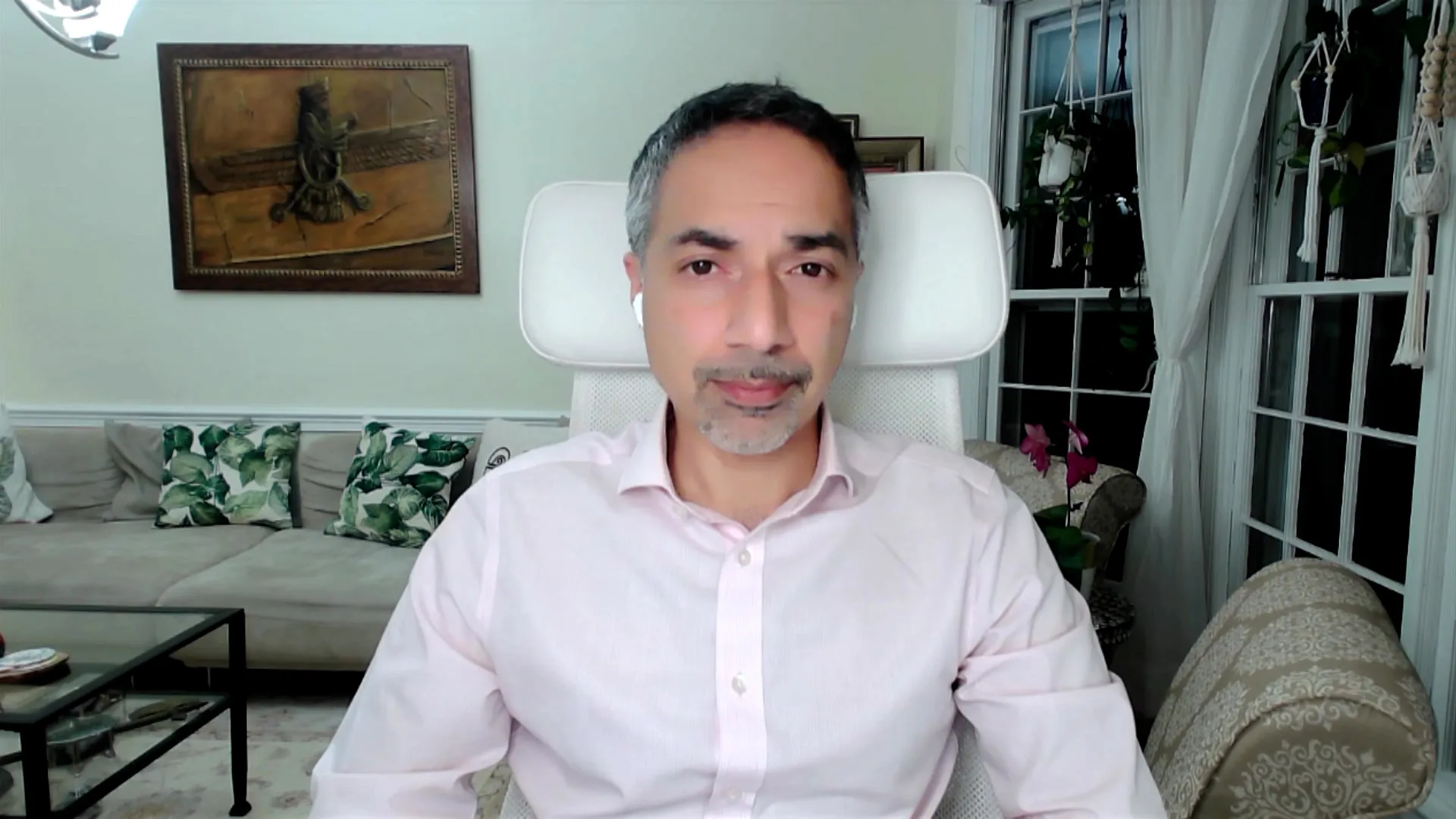
Iran's Evolving Defense Doctrine
Recent analysis suggests a significant shift in Iran's military and defense doctrine, moving away from its long-standing approach of 'strategic patience' towards a more assertive stance characterized by 'swift, severe retaliation.' This change in policy, as highlighted by foreign policy expert Trita Parsi in an interview with Al Jazeera, indicates a fundamental re-evaluation of how Tehran intends to respond to perceived aggressions, particularly from the United States.
For decades, Iran has often opted for a measured, sometimes delayed, response to various provocations, a strategy designed to avoid direct escalation while still signaling its capabilities. This 'strategic patience' allowed Iran to absorb certain pressures and attacks, often responding through proxies or at times and places of its choosing, aiming to complicate its adversaries' calculations without triggering a full-scale conflict. However, Parsi's observations suggest that this era is now concluding, replaced by a doctrine that prioritizes immediate and forceful counteraction.
The Rationale Behind the Shift
According to Parsi, the primary motivation behind this doctrinal change is Iran's determination to deny Washington the ability to strike with impunity. The Iranian leadership, it seems, has concluded that the previous strategy did not sufficiently deter potential attackers and may have, in some instances, emboldened them. By adopting a policy of swift and severe retaliation, Iran aims to raise the cost of aggression significantly, making any preemptive or punitive strike against its interests or territory prohibitively expensive for the aggressor.
This new approach views immediate escalation as a vital component of its deterrence strategy. The underlying logic is that if an attack occurs, a rapid and decisive response will demonstrate Iran's resolve and capability, thereby discouraging future hostile actions. This contrasts sharply with the previous approach, which sometimes involved a more ambiguous response, allowing for a de-escalation period or a less direct form of retribution.
Implications for Regional Stability
The implications of Iran's new doctrine are profound, particularly for regional stability in the Middle East. A policy of immediate and severe retaliation introduces a higher degree of risk into any potential confrontation. Where once there might have been a window for de-escalation or diplomatic maneuvering following an initial incident, the new doctrine suggests that such opportunities will be significantly curtailed. This could lead to a more rapid and intense escalation of conflicts, with potentially broader regional consequences.
Moreover, this shift could alter the strategic calculations of other regional and international actors. Allies of the United States in the region might view this development with concern, as it could increase their vulnerability in the event of a US-Iran confrontation. Conversely, adversaries might see it as a sign of Iran's increased assertiveness and willingness to defend its interests robustly.
Historical Context and Future Trajectory
The transition from 'strategic patience' to 'swift retaliation' is not an isolated event but rather a culmination of various geopolitical pressures and perceived threats that Iran has faced over recent years. Events such as targeted assassinations, cyberattacks, and economic sanctions may have contributed to a re-evaluation of its defense posture. The Iranian leadership may have concluded that a more proactive and less tolerant stance is necessary to safeguard its national security and regional influence.
Looking ahead, this doctrine will likely shape Iran's interactions with the United States and its allies. It suggests a future where any military engagement, however limited, could quickly escalate, demanding a heightened level of caution and strategic foresight from all parties involved. The effectiveness of this new deterrence strategy will ultimately be tested by future events, but it undeniably marks a significant turning point in Iran's foreign and defense policy.
Source: Original Article
Related Articles
 world
world
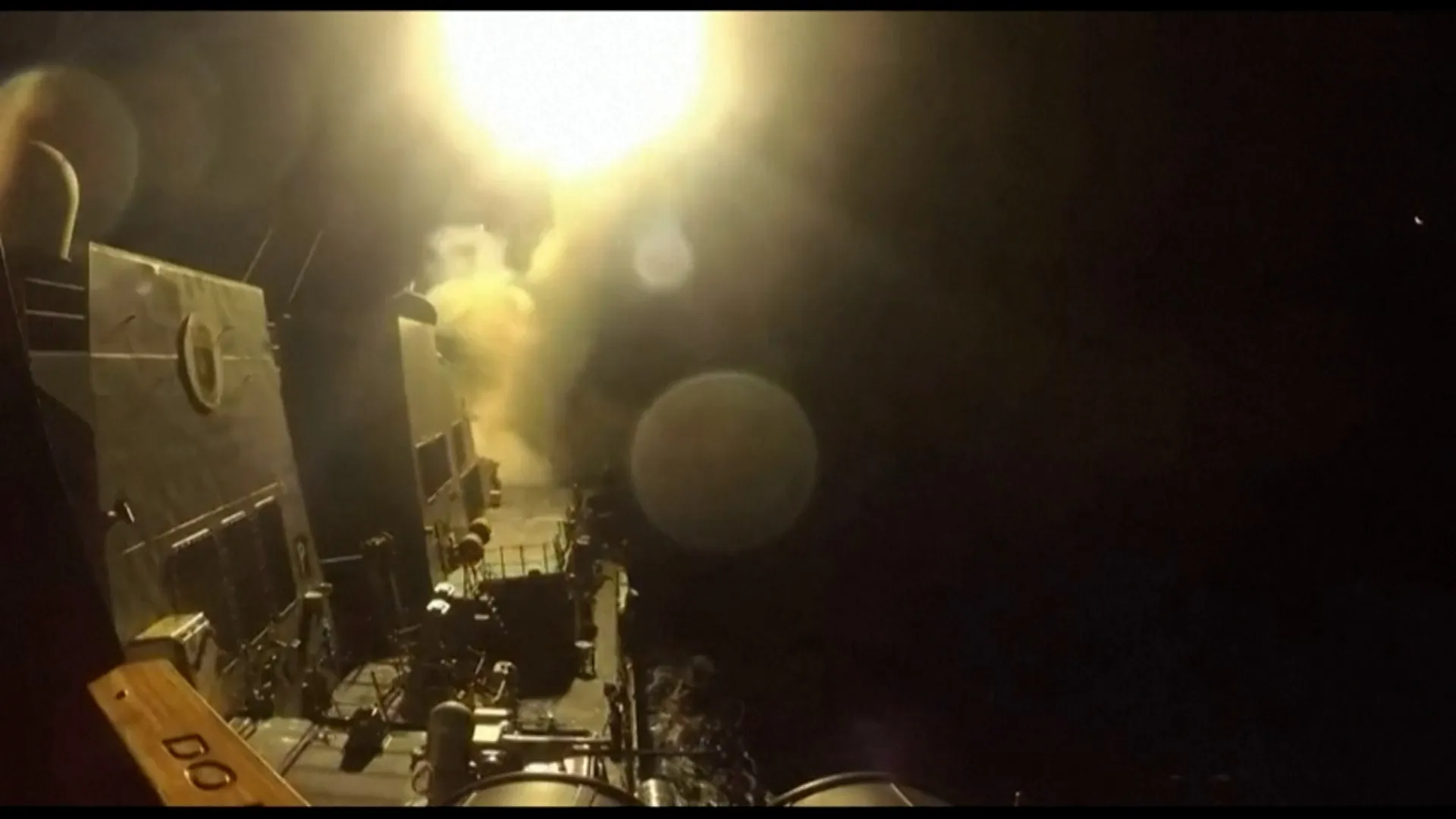
US Central Command Publishes Footage of Strikes Against Iranian Targets
 world
world
Allegations of Sexual Violence Surface in Israeli Detention Facilities
 world
world
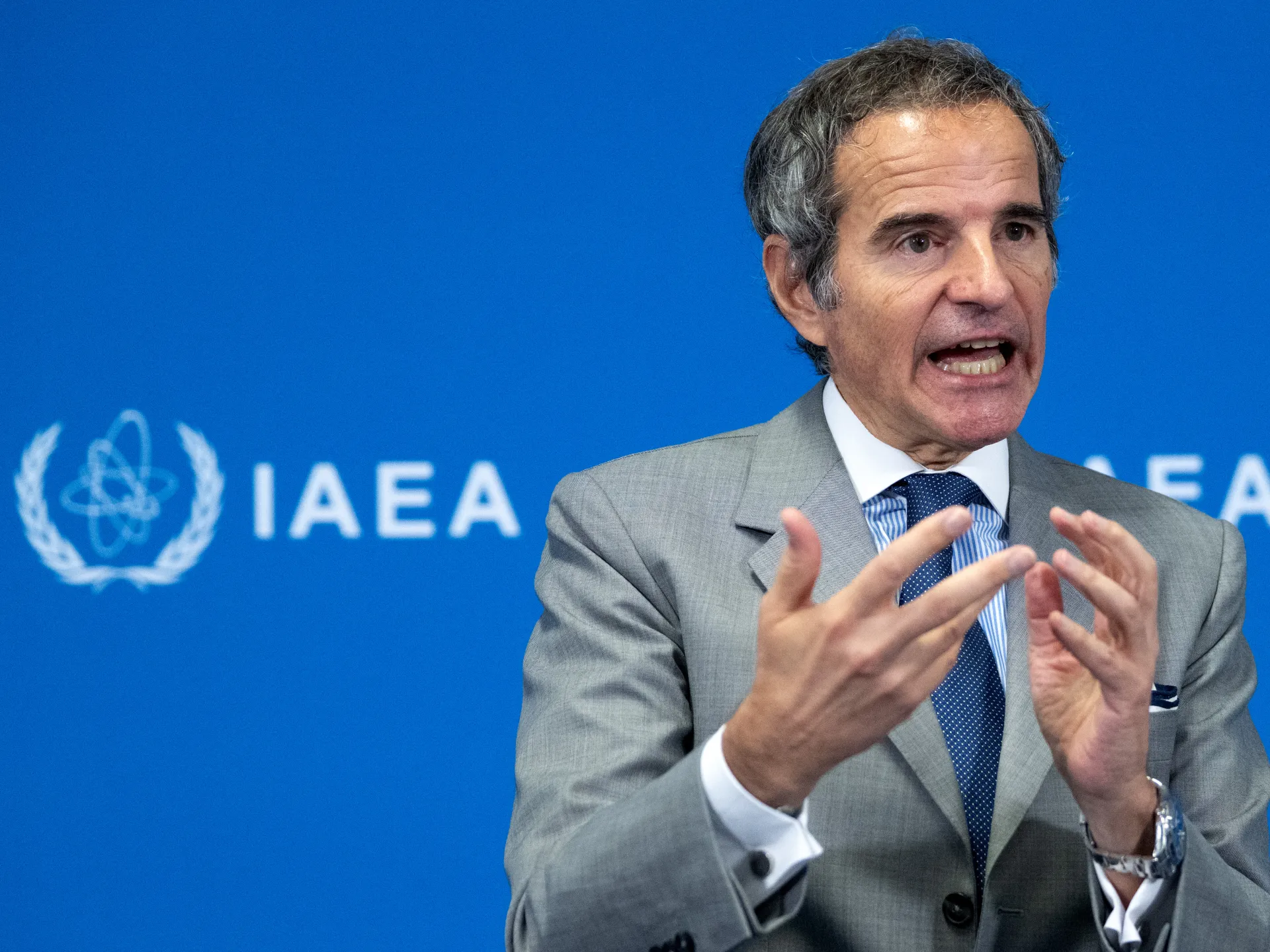
UN Watchdog Demands Iran Account for Enriched Uranium Stockpiles Amid Regional Tensions
 world
world