
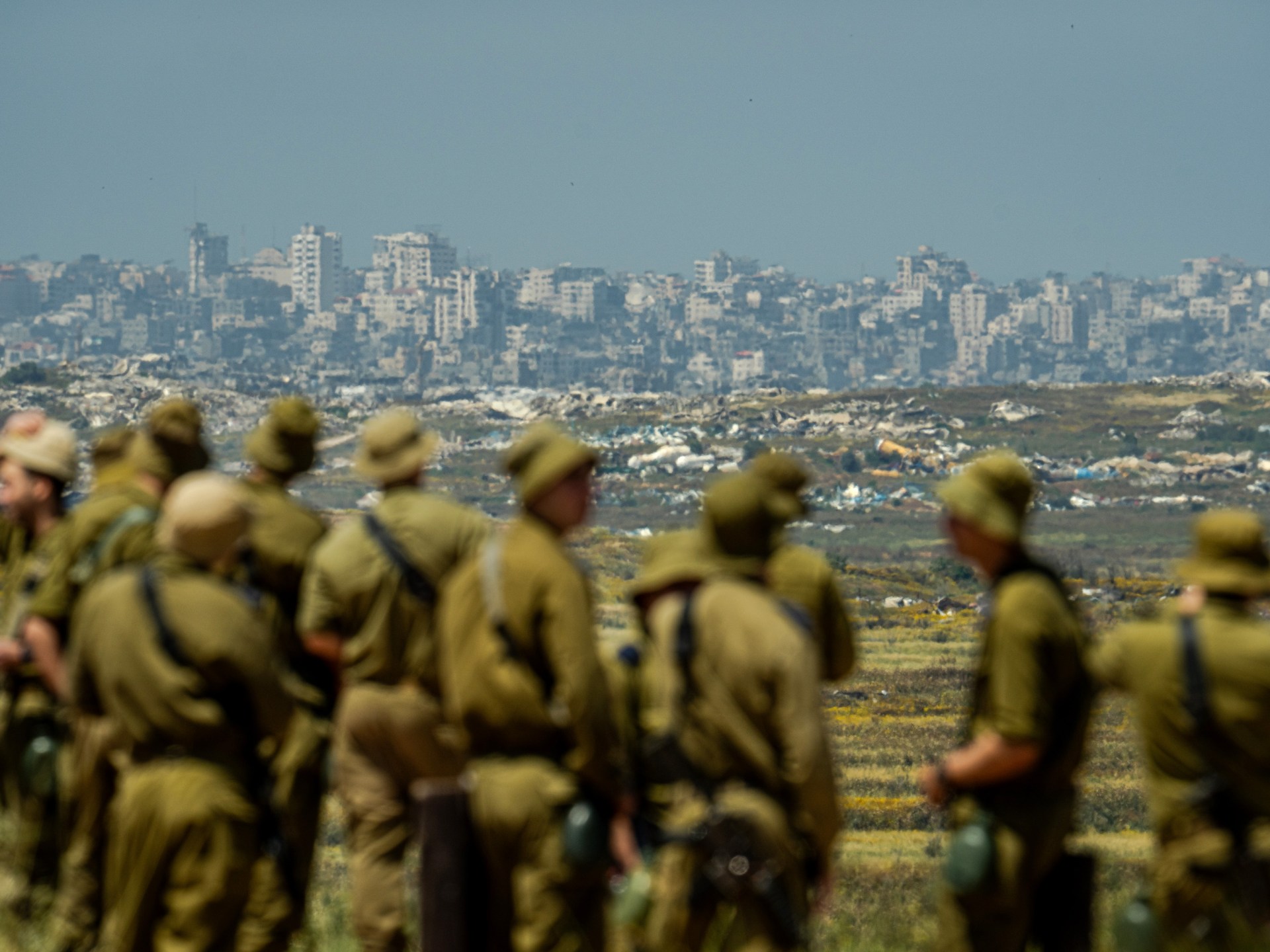
Rebuilding Gaza: A Multifaceted Challenge
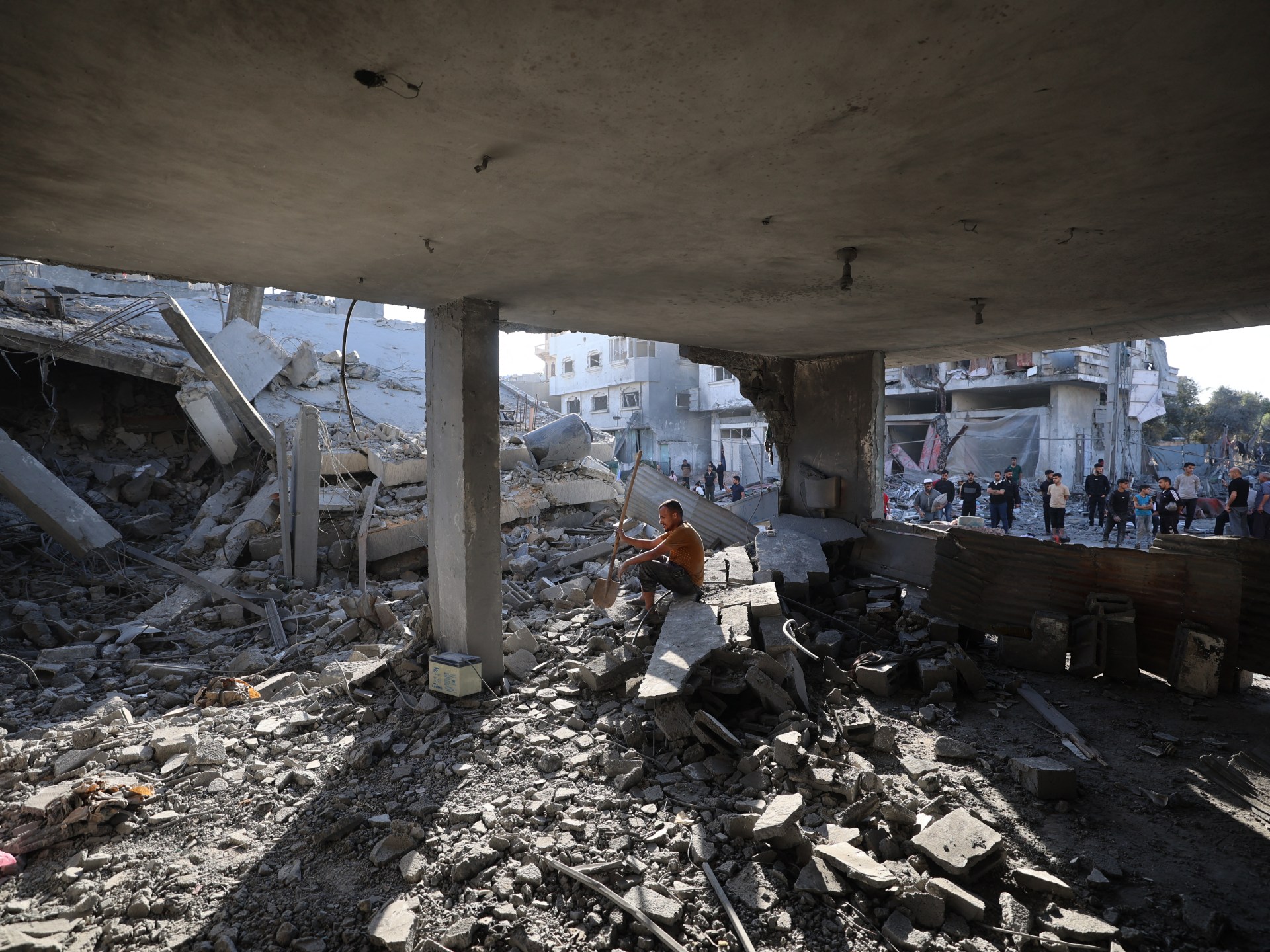
The imperative to reconstruct Gaza following periods of conflict presents a significant challenge for the international community. Beyond the immediate humanitarian concerns, the process of rebuilding often intersects with intricate political dynamics, raising questions about the nature of aid and its potential implications for governance and long-term stability.
The Role of International Actors
Various international bodies and nations have historically engaged in efforts to support Gaza's recovery. These initiatives typically aim to address critical infrastructure needs, provide housing, and restore essential services for the affected population. However, the effectiveness and impartiality of such efforts are frequently scrutinized, particularly when they are perceived to be linked to broader political agendas.
Critics often highlight concerns that reconstruction aid, while ostensibly humanitarian, can be leveraged to exert influence or pressure on local governance structures. This perspective suggests that the provision of resources, rather than being a neutral act of assistance, might become a tool to shape political outcomes or enforce specific conditions.
The reconstruction of areas affected by conflict, such as Gaza, necessitates a careful balance between addressing immediate human needs and navigating the complex geopolitical landscape to ensure that aid serves its intended purpose without unintended political consequences.
Humanitarian Aid vs. Political Conditioning
A central point of contention in discussions about Gaza's future revolves around whether reconstruction should be offered as an unconditional humanitarian imperative or if it can be tied to political benchmarks. Proponents of unconditional aid argue that the basic right to shelter, infrastructure, and a functioning society should not be contingent upon political concessions or agreements. They emphasize that the suffering of civilians should be alleviated without delay or political entanglement.
Conversely, some argue that integrating reconstruction efforts with political frameworks is necessary to ensure long-term stability and prevent future conflicts. This viewpoint suggests that aid can be a catalyst for positive political change, encouraging parties to adhere to agreements or adopt specific governance reforms. However, this approach risks being perceived as coercive, potentially undermining trust and exacerbating existing tensions.
The Impact on Gaza's Population
For the residents of Gaza, the discourse surrounding reconstruction has tangible implications for their daily lives and future prospects. Delays in rebuilding, regardless of their cause, prolong hardship and hinder the return to normalcy. Access to adequate housing, clean water, electricity, and functional healthcare facilities remains a pressing concern, underscoring the urgency of effective and timely reconstruction efforts.
The perception that aid might be conditional or politically motivated can also impact the morale and resilience of the population. A sense of being caught between larger political forces, where their basic needs are used as bargaining chips, can foster feelings of disempowerment and frustration.
Moving Forward: Towards Sustainable Solutions
Achieving sustainable reconstruction in Gaza requires a comprehensive approach that prioritizes humanitarian needs while also addressing underlying political issues through diplomatic means. It calls for transparency in aid distribution, accountability from all parties, and a commitment to ensuring that the resources allocated for rebuilding genuinely benefit the affected communities without becoming instruments of political leverage.
Ultimately, the goal of international engagement should be to facilitate an environment where Gaza can rebuild and develop independently, fostering a resilient society free from the constant threat of conflict and the complexities of conditional assistance.
Source: Al Jazeera
Related Articles
 world
world
Escalating Tensions: Assessing the Impact of Recent Ceasefire Efforts in Lebanon
 world
world
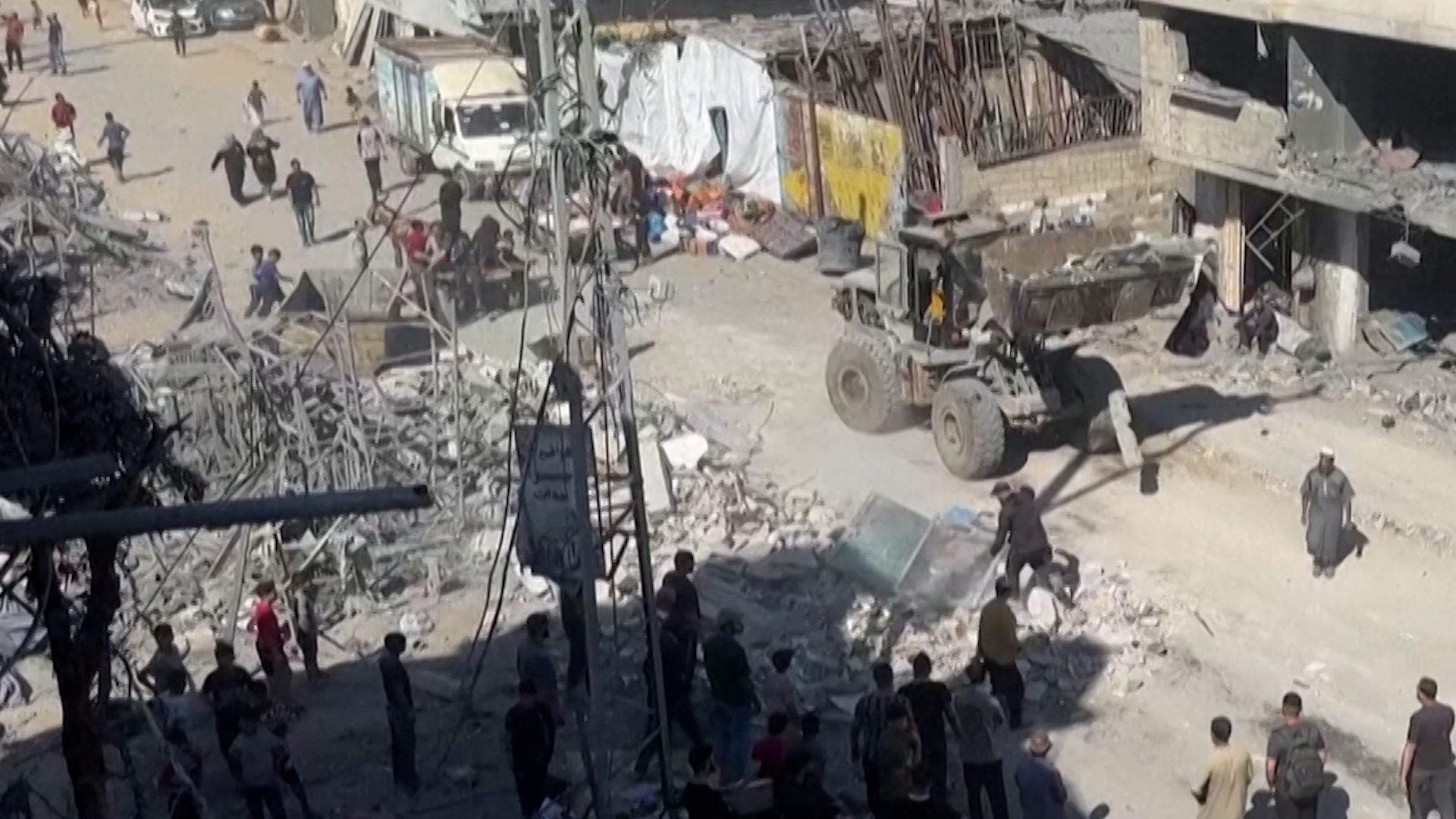
Gaza Residents Begin Cleanup Following Overnight Israeli Strikes
 world
world
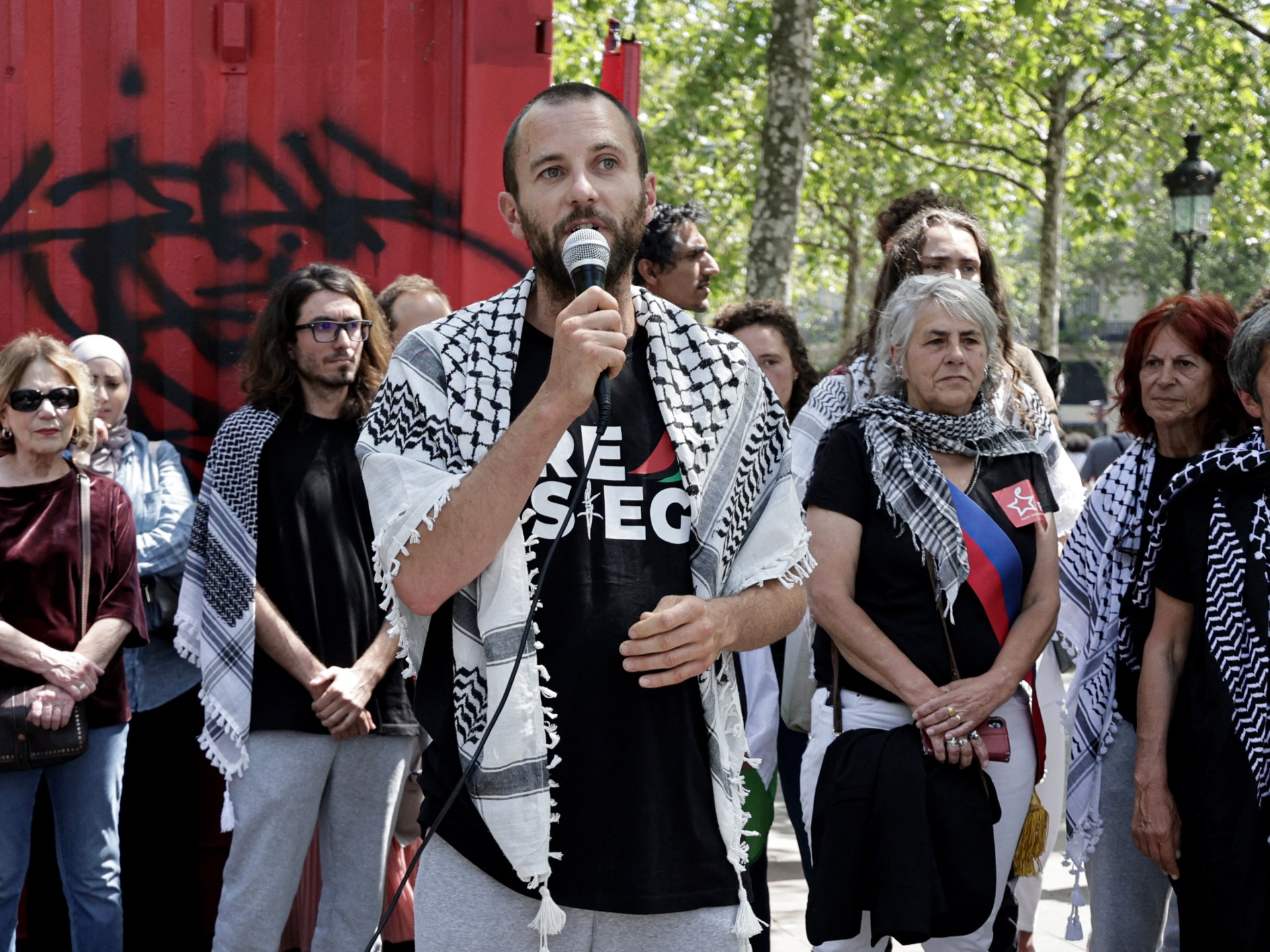
France Initiates Investigation into Allegations of Mistreatment of Gaza Aid Flotilla Activists
 world
world