
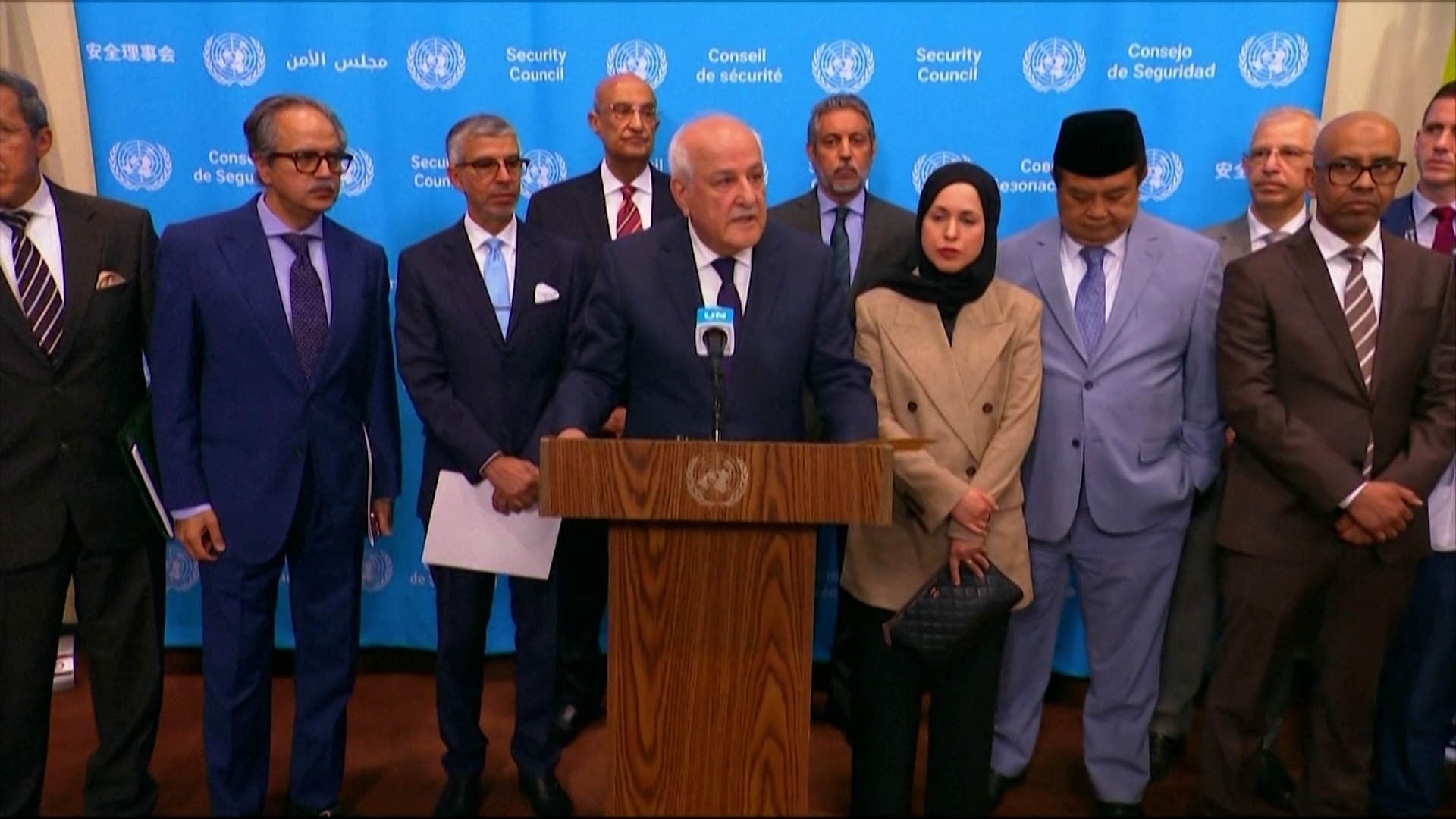
Diplomatic Pressure Mounts Over West Bank Annexation
A chorus of international voices, particularly from within the United Nations diplomatic community, has reportedly appealed to the United States President, urging intervention to halt Israel's proposed annexation of territories in the West Bank. This diplomatic push reflects widespread international concern regarding the potential implications of such a move on regional stability and the future prospects for peace.
Background to the Annexation Proposal
The concept of annexing portions of the West Bank has been a recurring theme in Israeli political discourse, particularly in recent years. Proponents often cite security concerns, historical ties, and the presence of Israeli settlements in the areas in question. The specific territories under consideration for annexation typically include Israeli settlements and the Jordan Valley, areas that Israel has maintained a significant presence in since the 1967 Six-Day War.
International law largely views Israeli settlements in the West Bank as illegal, a stance reaffirmed by numerous UN resolutions. The annexation of these areas would be seen by many as a unilateral act that further complicates the already intricate Israeli-Palestinian conflict and could potentially undermine the framework for a two-state solution.
The Role of the United States
The United States has historically played a pivotal role in mediating peace efforts between Israelis and Palestinians. Its influence, both political and economic, is significant in the region. Consequently, appeals from international diplomats to the US President underscore the belief that American leadership is crucial in navigating this sensitive issue.
"The international community's call on the US President highlights the critical role America is perceived to play in influencing the trajectory of the Israeli-Palestinian conflict. Any move towards annexation without a broader peace agreement risks destabilizing an already fragile region."
The specific nature of the US administration's stance on the annexation proposal has been a subject of intense scrutiny. While previous administrations have generally opposed unilateral moves that could prejudge the outcome of final status negotiations, more recent signals have occasionally indicated a potential shift in policy, leading to increased apprehension among international observers.
International Repercussions and the Peace Process
The potential annexation carries significant international repercussions. Many nations and international bodies have warned that such a step would violate international law and could lead to a severe deterioration of the peace process. Critics argue that it would effectively close the door on the possibility of a viable, contiguous Palestinian state, thereby extinguishing hopes for a two-state solution, which remains the internationally recognized framework for resolving the conflict.
- Further isolation of Israel on the international stage.
- Potential for increased unrest and violence in the region.
- Undermining of the Palestinian Authority and its capacity for governance.
- Complication of future diplomatic efforts and peace negotiations.
These concerns are at the heart of the diplomatic efforts to persuade the US President to intercede. The envoys' calls reflect a broader consensus that any unilateral actions in the West Bank could have far-reaching negative consequences, not only for Israelis and Palestinians but also for the wider Middle East and international relations.
Source: Al Jazeera
Related Articles
 world
world
Escalating Tensions: Assessing the Impact of Recent Ceasefire Efforts in Lebanon
 world
world
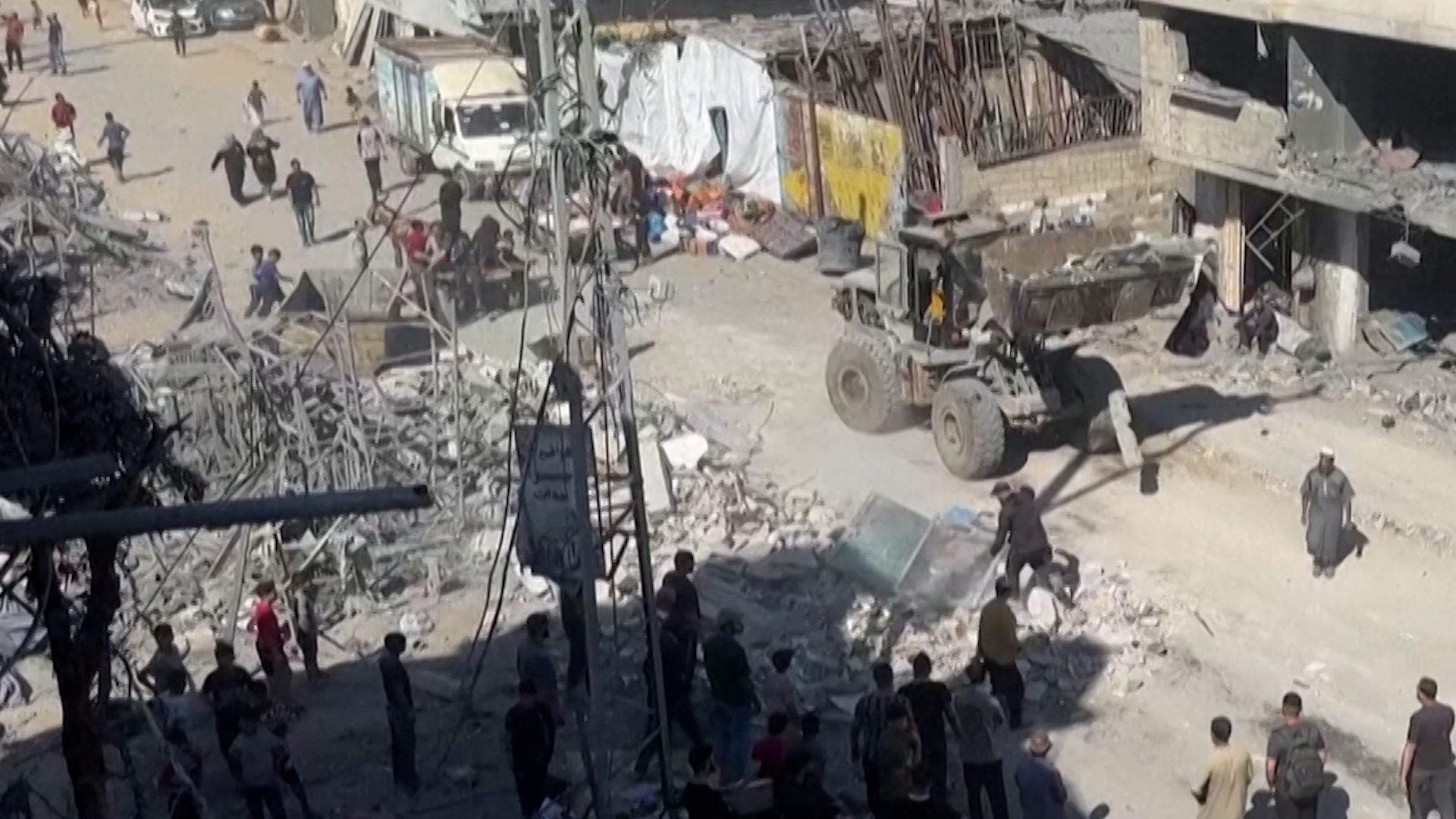
Gaza Residents Begin Cleanup Following Overnight Israeli Strikes
 world
world
France Initiates Investigation into Allegations of Mistreatment of Gaza Aid Flotilla Activists
 world
world