
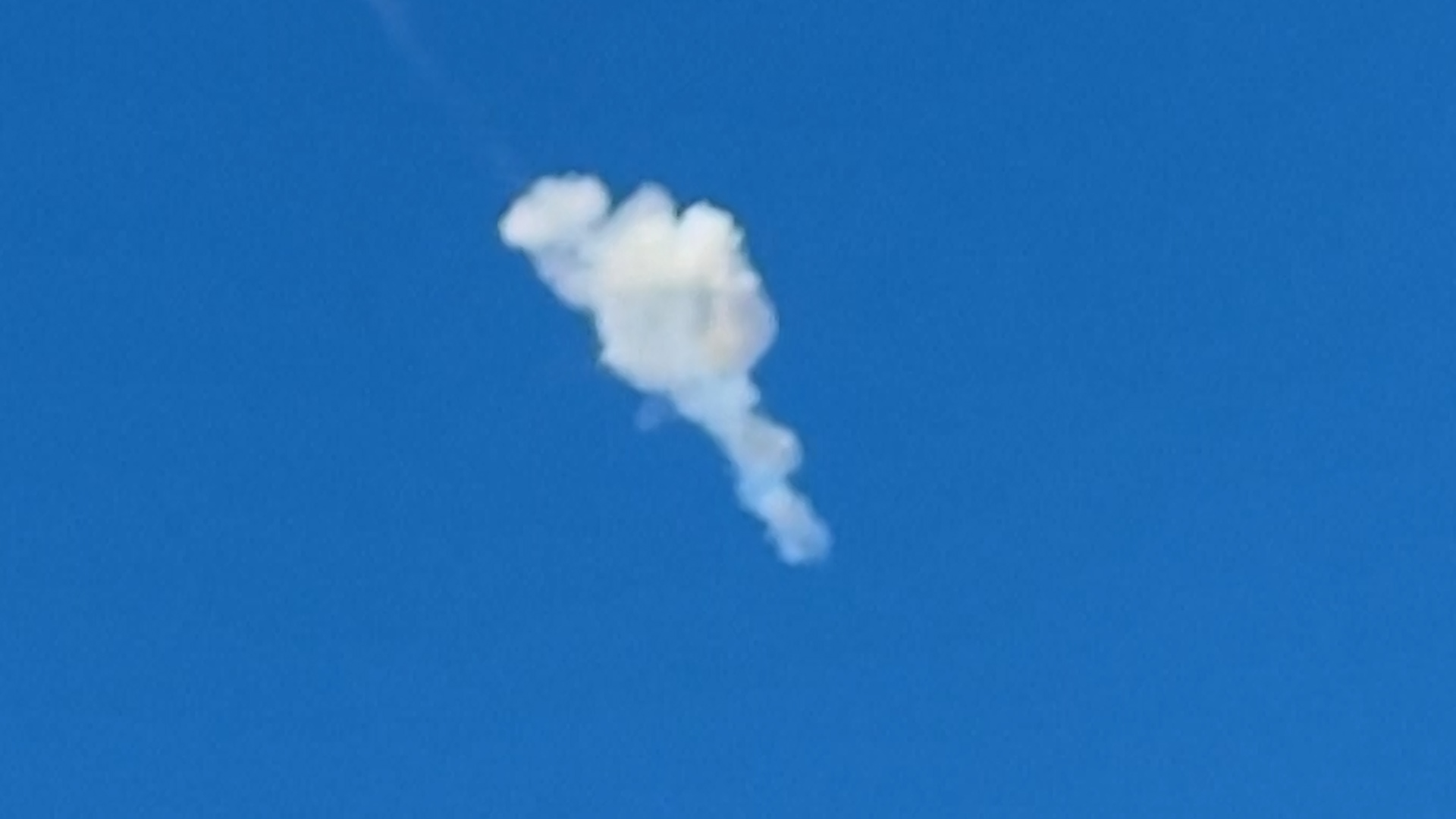
Overview of the Incident
On a recent Monday, the Israeli military announced the interception of several projectiles. These projectiles were reportedly launched from Iran, with the Israeli army characterizing the action as a response to prior Israeli attacks. The interceptions occurred over territories including occupied East Jerusalem and the West Bank, drawing attention to the ongoing regional tensions.
Context of Regional Dynamics
The incident unfolds within a complex geopolitical landscape, marked by persistent hostilities and strategic maneuvers between various state and non-state actors in the Middle East. Such events are often viewed through the lens of a broader struggle for influence and security in the region. The specific targeting of areas like East Jerusalem and the West Bank, territories with significant political and historical sensitivities, adds another layer of complexity to these developments.
Military Responses and Deterrence
The interception of projectiles is a critical aspect of modern air defense strategies. Militaries deploy advanced systems designed to detect, track, and neutralize incoming threats, such as missiles or rockets, before they reach their intended targets. The success of such interceptions is often highlighted as a demonstration of a nation's defensive capabilities and its commitment to protecting its populace and infrastructure. From a strategic perspective, effective air defense also serves as a deterrent, potentially influencing the calculus of adversaries considering future aggressive actions.
International Implications and Reactions
Incidents involving cross-border projectile launches and interceptions frequently garner international attention. Global powers and international organizations often monitor such events closely, sometimes issuing statements that reflect concerns about regional stability, calls for de-escalation, or condemnations of specific actions. The ripple effects of these events can extend beyond the immediate geographical area, potentially impacting diplomatic relations, trade routes, and global security perceptions. Analysts often examine these incidents for clues about shifting alliances, evolving military doctrines, and the potential for broader conflicts.
Historical Background of the Territories Involved
East Jerusalem and the West Bank are territories central to the Israeli-Palestinian conflict, a long-standing dispute with deep historical roots. East Jerusalem, captured by Israel in the 1967 Six-Day War and subsequently annexed, is claimed by Palestinians as the capital of their future state. The West Bank, also occupied by Israel since 1967, is home to numerous Israeli settlements, which are considered illegal under international law by many countries. The status of these territories remains a key point of contention in peace negotiations. Any military activity or security incident in these areas is therefore scrutinized not only for its immediate impact but also for its potential implications for the broader political future of the region.
The Role of Attribution and Retaliation
The Israeli army's statement attributing the launches to Iran and characterizing them as a response to prior Israeli attacks underscores the tit-for-tat nature of some regional conflicts. The concept of retaliation, where one party responds to an action taken by another, often perpetuates cycles of violence and escalation. Understanding the specific actions that prompted the alleged Iranian response, and the nature of those actions, would provide further context to the recent events. This dynamic highlights the challenges in de-escalating tensions when each side perceives its actions as legitimate responses to provocations by the other.
"The interception of projectiles over occupied East Jerusalem and the West Bank underscores the persistent volatility in the region and the critical need for robust defense mechanisms in contested territories."
Source: Al Jazeera
Related Articles
 world
world
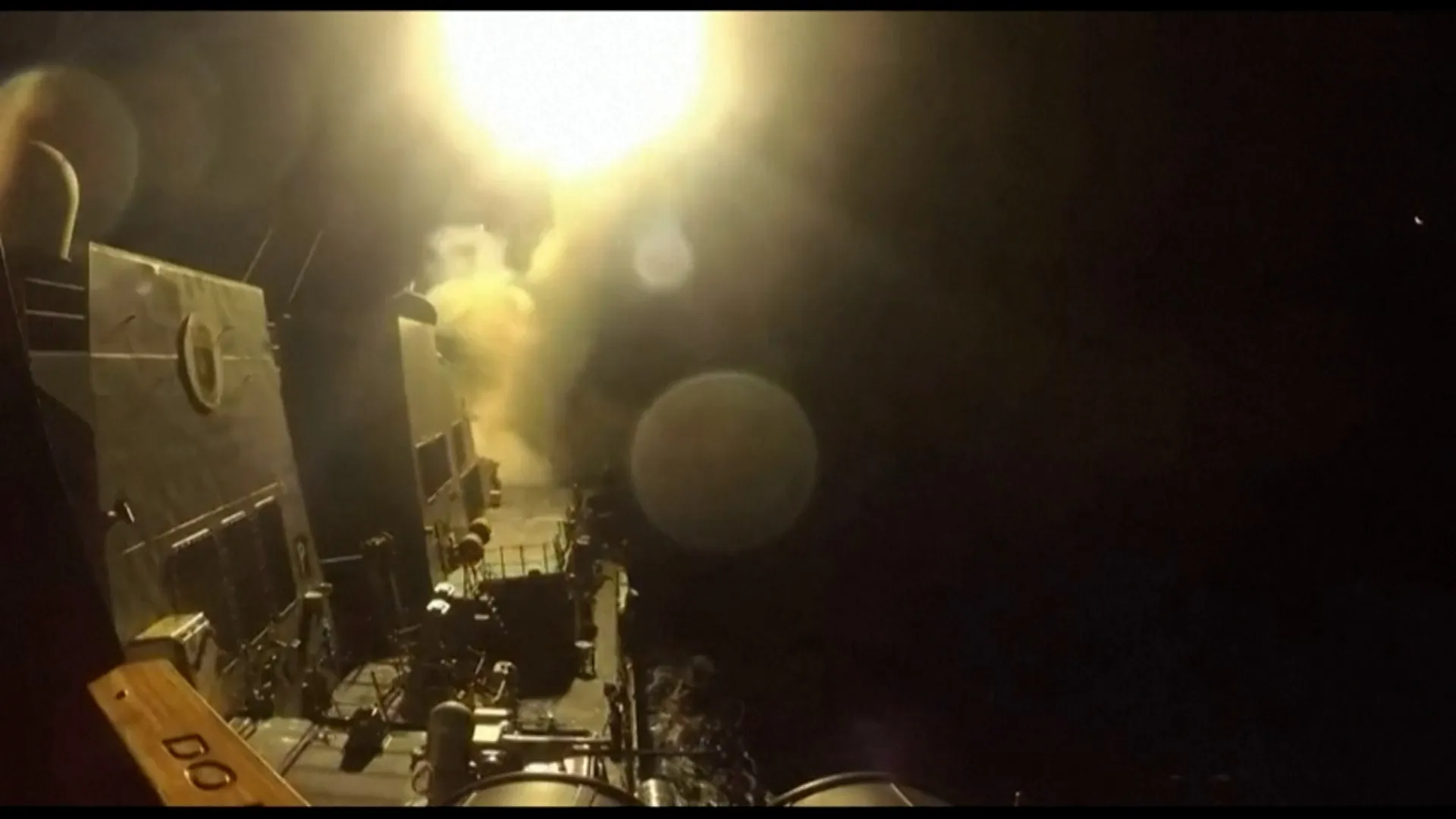
US Central Command Publishes Footage of Strikes Against Iranian Targets
 world
world
Allegations of Sexual Violence Surface in Israeli Detention Facilities
 world
world
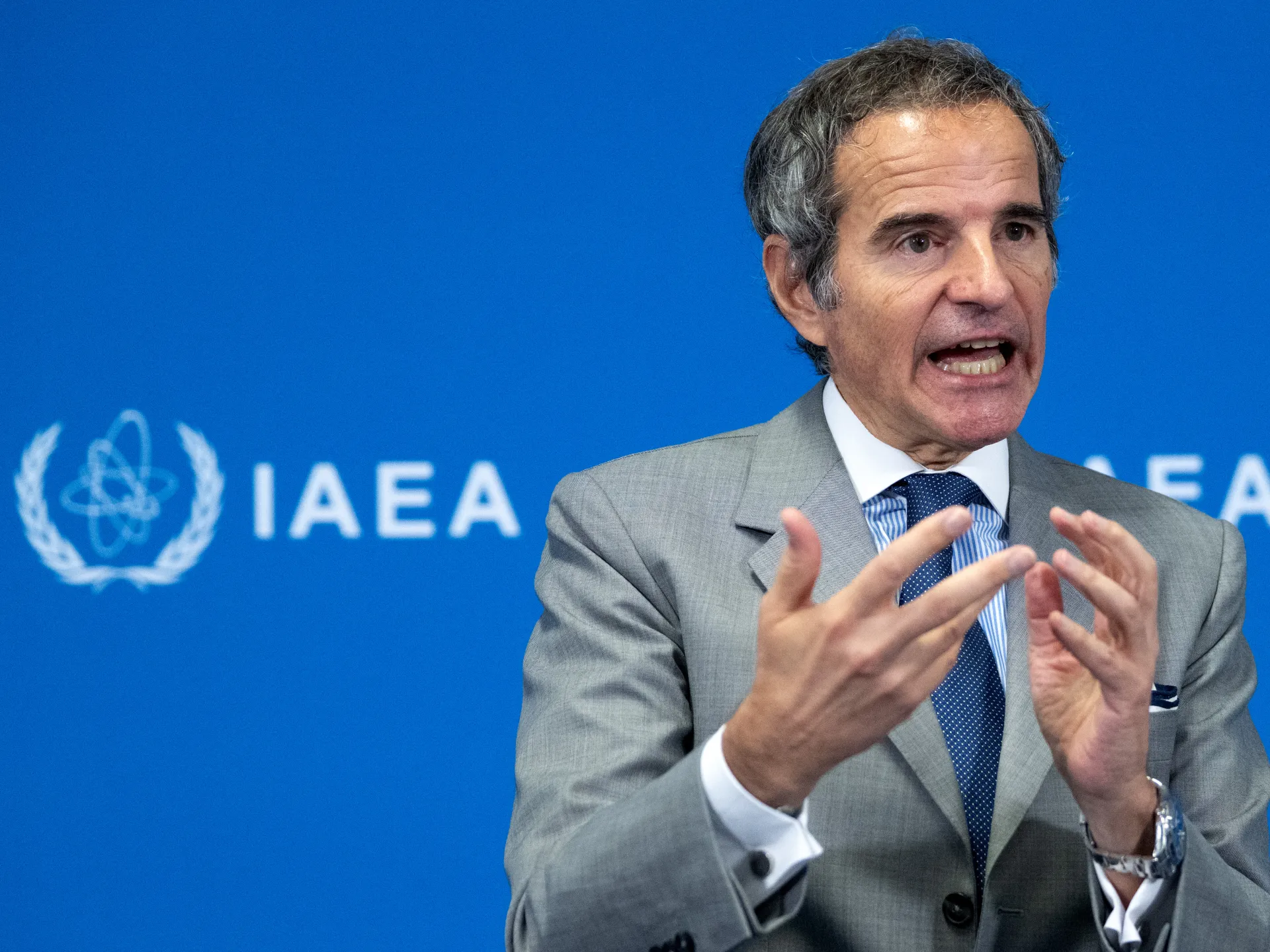
UN Watchdog Demands Iran Account for Enriched Uranium Stockpiles Amid Regional Tensions
 world
world