
India's Swift E20 Transition Sparks Public Debate
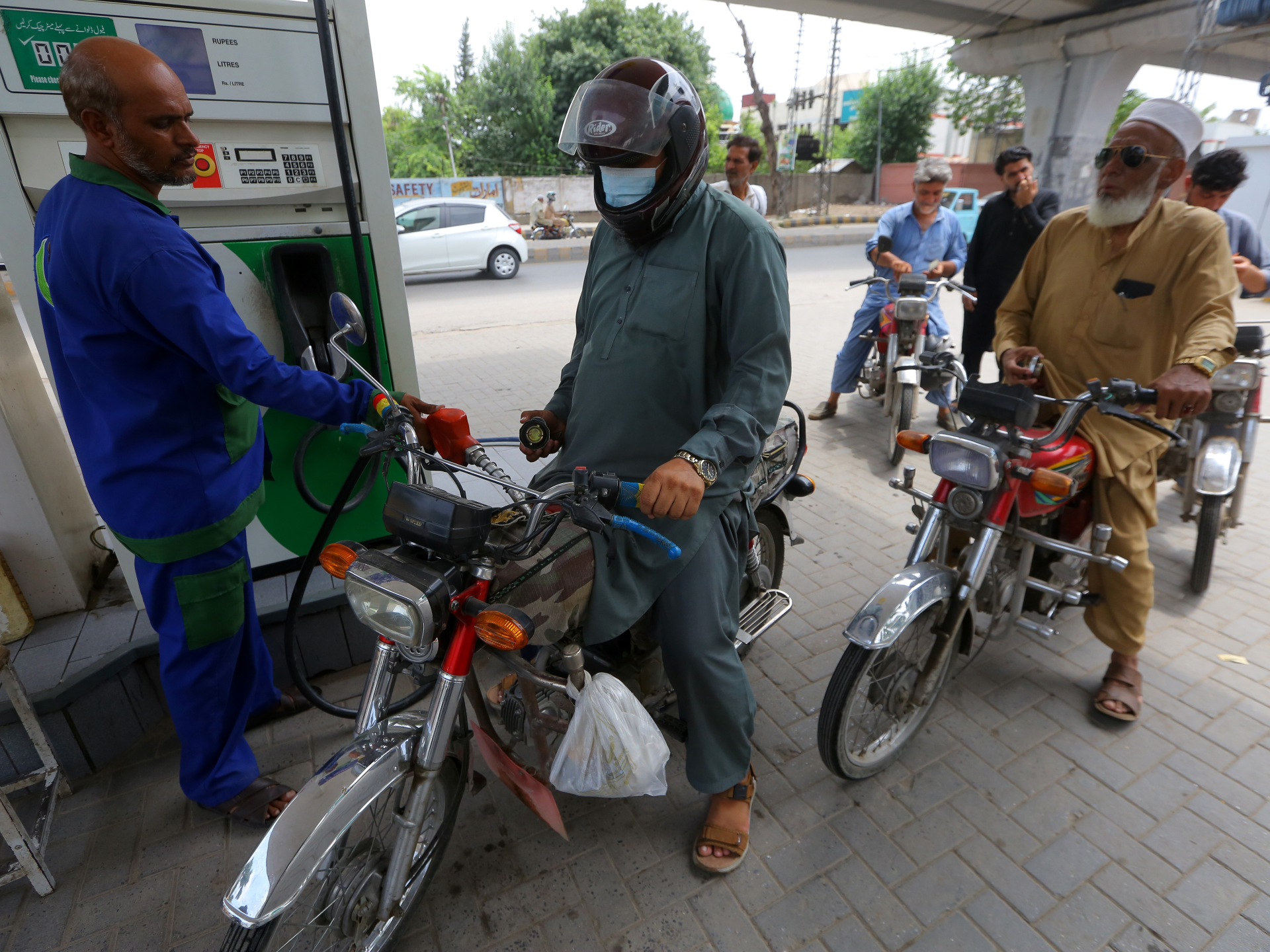
India's ambitious shift to E20 petrol, a fuel comprising 20 percent ethanol, has generated considerable discussion across the nation. While the government champions the blend as a step towards energy independence and environmental sustainability, many vehicle owners are reporting adverse effects on their cars, leading to widespread dissatisfaction and prompting questions directed at the Modi administration.
The mandate for E20 fuel, which became universal at petrol stations last year, has seen India rapidly accelerate its ethanol blending program. The government, under its National Policy on Biofuels, advanced its target for 20 percent ethanol blending from 2030 to 2025. This expedited timeline has been met with mixed reactions, particularly from motorists encountering changes in their vehicles' performance.
Consumer Experiences and Performance Concerns
Krishna Kumar, a bank employee in New Delhi, exemplifies the experiences of many Indian motorists. After filling his sedan with E20 fuel, he observed a noticeable decline in fuel efficiency, with mileage dropping by over 10 percent from 18-20 km per litre to 16-17 km per litre. Kumar also reported sluggish acceleration, particularly when overtaking, driving uphill, or using the air conditioner, despite no changes in his driving habits. His vehicle, which had previously been consistently maintained, began to feel less responsive.
Similar accounts are common, with Anas Khan, a New Delhi businessman, noting a significant reduction in mileage and diminished pick-up in his 2021 Maruti Suzuki Baleno. His car's fuel efficiency reportedly decreased from approximately 18 km per litre to about 15 km per litre after switching to E20. These consumer reports highlight a growing sentiment of concern regarding the immediate costs of this fuel transition.
Government Rationale and Public Outcry
The government justifies the E20 blend by citing several benefits: a reduction in dependence on imported crude oil, enhanced energy security, lower greenhouse gas emissions, and new income streams for farmers through increased demand for crops like sugarcane and maize. However, these benefits are being weighed against the practical challenges faced by consumers.
A statement made by the government's attorney general to India's Supreme Court in June 2026, suggesting the Modi administration was “experimenting” with the 20 percent ethanol blend, ignited national outrage. Despite subsequent government clarifications, the comments fueled public debate, with vehicle owners, opposition politicians, and even some government-aligned commentators questioning the policy's hasty implementation. Federal Minister of Road Transport and Highways Nitin Gadkari has acknowledged that vehicle mileage has decreased, and some critics allege that the ethanol mix has caused damage to car components. Furthermore, opposition parties have raised concerns about a potential conflict of interest involving Gadkari, whose family is reportedly linked to ethanol production companies.
Vehicle Compatibility and Long-Term Impact
A central issue in the E20 debate is the compatibility of existing vehicles. Automobile manufacturers began incorporating E20-compatible materials into new vehicles from 2023, with fully compliant models entering the market in 2025. While the government asserts that older vehicles can safely use E20 with routine maintenance, many owners remain apprehensive about the long-term effects on engines not originally designed for higher ethanol blends.
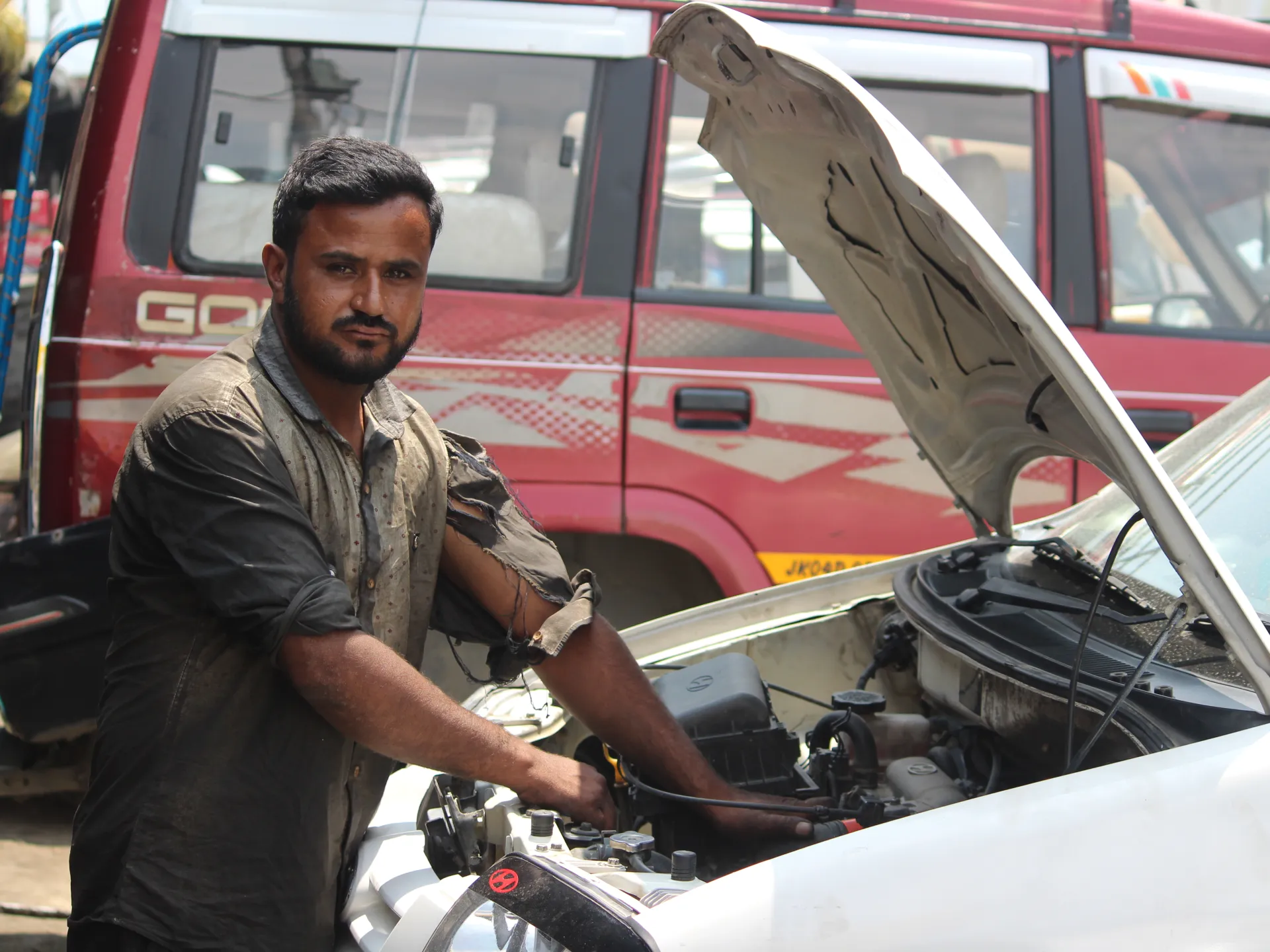
Independent automobile expert Sajad Ahmad Wani explains that the impact of E20 largely depends on a vehicle's design and age. He notes that while immediate problems might not arise, continuous use of ethanol can accelerate the wear of rubber hoses, seals, gaskets, and specific fuel system components not designed for higher ethanol concentrations. Wani also corroborates the observed decline in mileage, attributing it to ethanol's lower energy content compared to conventional petrol, meaning engines require more fuel to achieve the same power output. He emphasizes the need for clearer communication from car manufacturers and government agencies regarding E20 compatibility and expected changes.
Mechanic Bilal Ahmad has also observed an increase in customers reporting reduced mileage and engine performance, suggesting a link between the new fuel and issues faced by petrol vehicle owners, though the impact varies.
Official Stance Versus Independent Analysis
The Ministry of Petroleum and Natural Gas (MoPNG) has largely refuted concerns, stating that claims of E20 harming engines or significantly reducing mileage are “unfounded” and lack scientific backing. The ministry cites studies by organizations like the Automotive Research Association of India (ARAI) and the Indian Institute of Petroleum (IIP), which reportedly found no significant differences in engine performance or wear, even in older vehicles. According to the MoPNG, E20-compatible vehicles experience only a marginal 1-2 percent reduction in fuel efficiency, and any material degradation can be addressed through routine replacement of inexpensive rubber components.
Despite the official reassurances, independent analysts acknowledge the complexities. Shyamasis Das, a research fellow at the Centre for Social and Economic Progress (CSEP), notes that while India's E20 rollout has been smooth from a supply perspective, motorists are indeed experiencing trade-offs. He points out that ethanol's lower energy density means vehicles consume more fuel to cover the same distance, which might mitigate the intended reduction in crude oil demand. Das also highlights the corrosive nature of anhydrous ethanol, underscoring the necessity for engine components to be resistant, and stresses the lack of consensus on E20's impact on older, non-compatible vehicles.
Broader Sustainability and Economic Implications
Environmental experts raise concerns about the E20 program's broader sustainability. While ethanol can reduce greenhouse gas emissions, the expanded cultivation of water-intensive crops like sugarcane for its production could strain water resources in certain regions. There are also questions about the long-term implications of farmers shifting from food crops to more lucrative fuel crops.
Maharashtra, a major sugar-producing state, has become India's leading ethanol producer, largely due to government incentives and investments in distilleries. This expansion has also brought renewed scrutiny to the political economy of ethanol production, particularly the close ties between Maharashtra's sugar industry and regional politics. Questions have been raised about the equitable distribution of benefits from government incentives and the beneficiaries of this clean-fuel transition, especially given Transport Minister Gadkari's family's reported commercial interests in agro-processing and ethanol production.
Source: India’s ethanol rush prompts anger among vehicle owners, questions for gov’t
Related Articles
 economy
North American Trade Impasse: Geopolitical Ramifications and Economic Concerns
 economy
Japan's Pet Care Industry Flourishes Amidst Declining Birthrate
 economy
Geopolitical Tensions Elevate Oil Prices Amidst Strait of Hormuz Standoff
 economy