
Context of the Recent Release
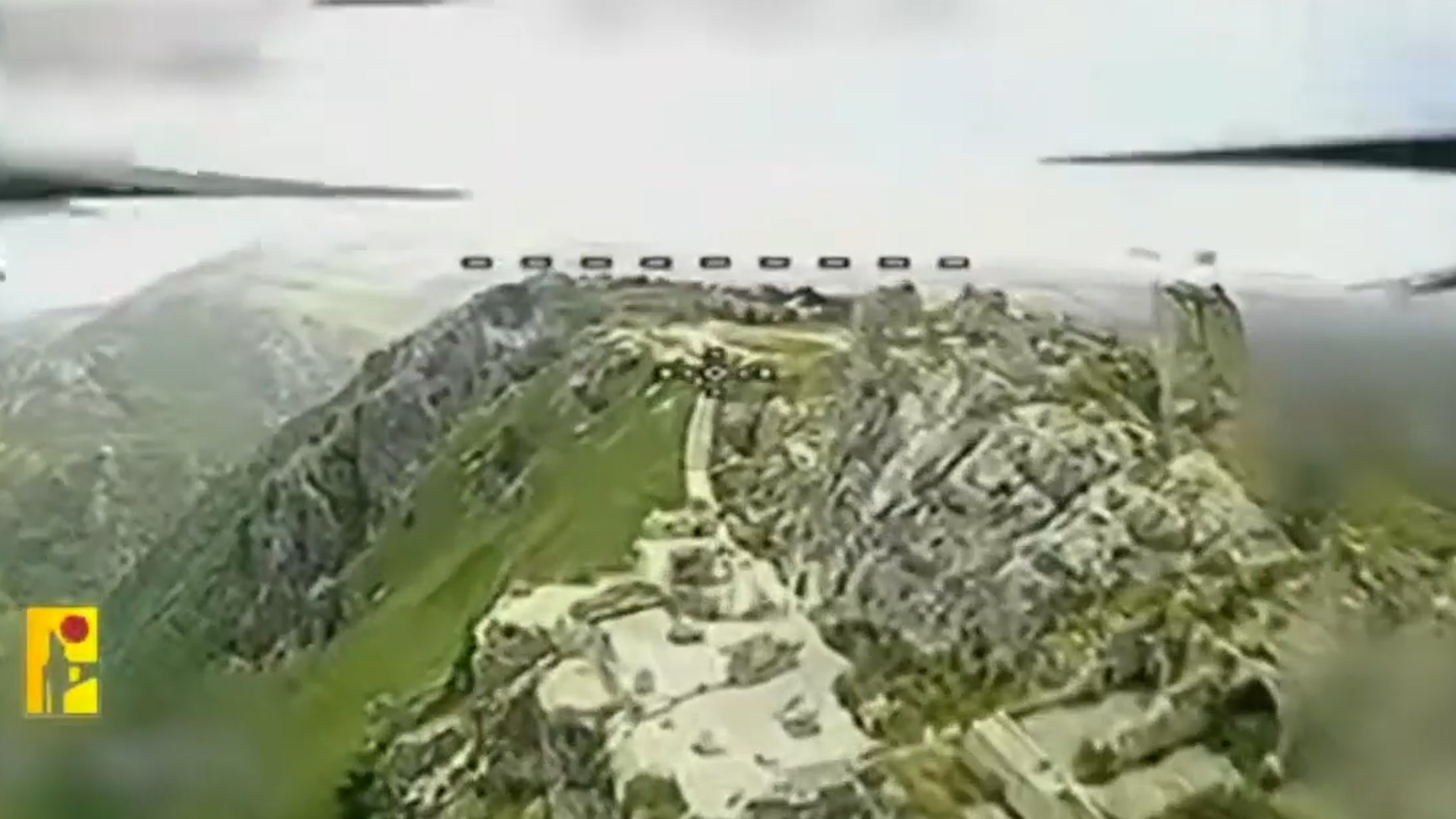
Hezbollah, a Lebanese political party and militant group, recently disseminated drone video footage that it claims depicts an attack against Israeli forces. The alleged incident took place at Beaufort Castle, a historic site located in southern Lebanon.
Beaufort Castle: A Strategic Historical Site
Beaufort Castle, known in Arabic as Qala'at al-Shaqif, holds significant historical and strategic importance. Perched on a high bluff overlooking the Litani River, the Crusader-era fortress has been a contested point for centuries due to its commanding views of the surrounding terrain. Its strategic location has made it a focal point in various conflicts throughout history, including the Israeli-Lebanese conflict.
The castle has seen numerous changes of hands and has been the site of fierce battles. Its ruins stand as a testament to the region's turbulent past, making it a symbolic as well as a practical military objective.
The Alleged Attack
The drone footage released by Hezbollah purports to show precision strikes targeting Israeli military personnel or positions within the vicinity of the castle. While the video's authenticity and the exact nature of the targets could not be independently verified, its release serves as a clear statement amidst heightened regional tensions.
Details regarding the date of the alleged attack, the types of munitions used, or the extent of any damage or casualties have not been fully disclosed or confirmed by independent sources. Such releases often form part of a broader psychological and information warfare strategy employed by parties in a conflict.
Regional Implications and Escalation Concerns
This video release occurs against a backdrop of ongoing instability and cross-border exchanges between Hezbollah and Israel. Both entities have been engaged in intermittent skirmishes, particularly since recent conflicts in the wider Middle East. These incidents contribute to a volatile security environment along the Lebanese-Israeli border.
International observers and regional governments frequently express concerns over the potential for escalation. The actions of non-state actors like Hezbollah and the responses from state militaries like the Israel Defense Forces are closely monitored for any signs that could lead to a broader regional confrontation.
The situation along the border remains a critical point of tension, with both sides maintaining vigilance and engaging in actions that they deem necessary for their security objectives.
The release of such videos is typically intended to convey strength, demonstrate operational capabilities, and influence public perception both domestically and internationally. For Hezbollah, it reinforces its image as a resistance force, while for Israel, such incidents are often cited as justification for defensive measures and retaliatory actions.
International Reaction and Calls for De-escalation
The international community consistently calls for restraint and adherence to United Nations resolutions concerning the Lebanese-Israeli border. Efforts by diplomatic bodies often focus on preventing further escalation and ensuring the stability of the region. However, these calls are frequently challenged by the complex geopolitical dynamics and entrenched positions of the parties involved.
The ongoing cycle of action and reaction underscores the fragility of peace in the area and the persistent challenges in achieving a lasting resolution to the underlying conflicts.
Source: Al Jazeera
Related Articles
 world
world
Escalating Tensions: Assessing the Impact of Recent Ceasefire Efforts in Lebanon
 world
world
Gaza Residents Begin Cleanup Following Overnight Israeli Strikes
 world
world
France Initiates Investigation into Allegations of Mistreatment of Gaza Aid Flotilla Activists
 world
world