
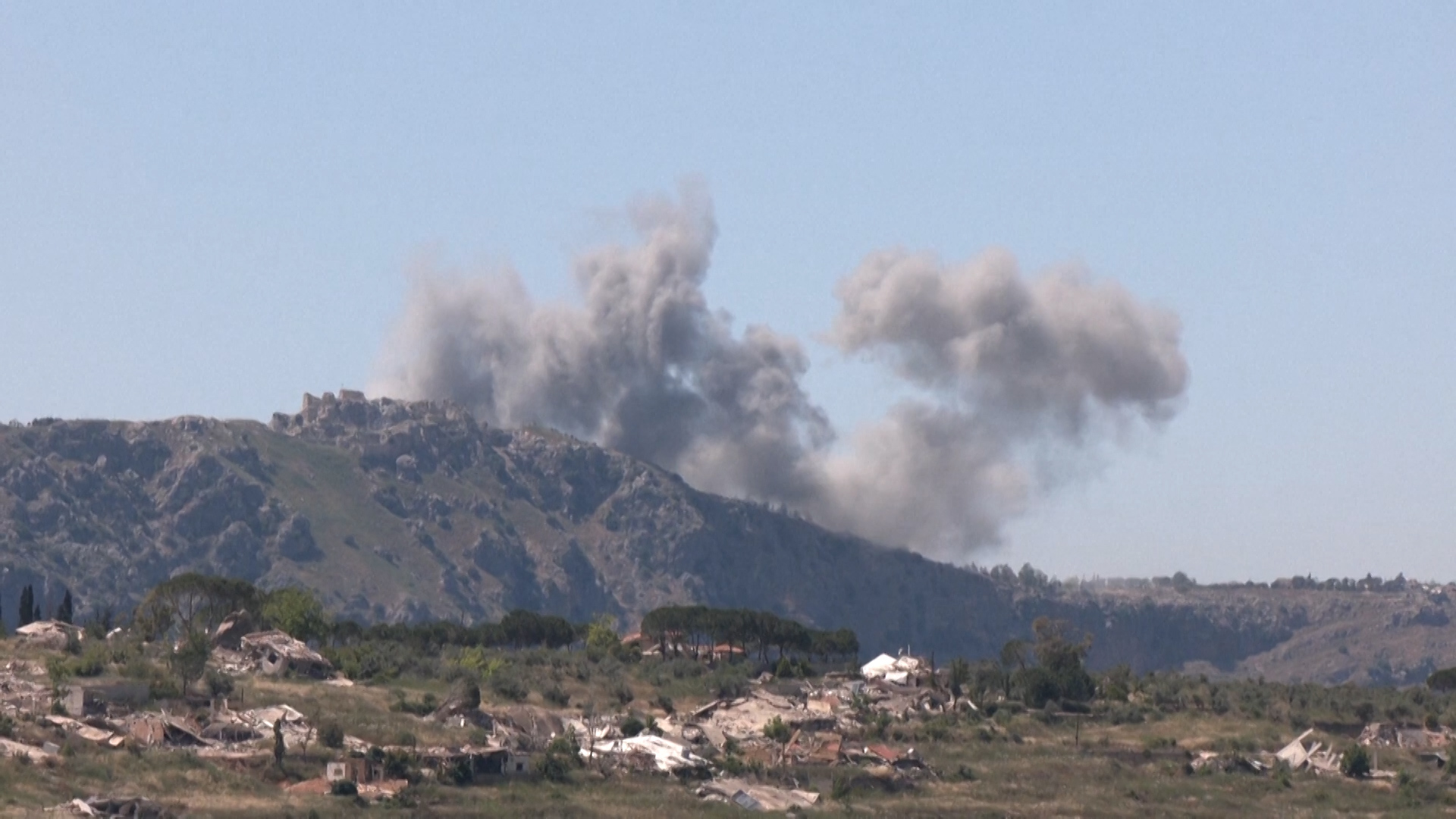
Hezbollah's Stance on the Proposed Ceasefire
The Lebanese political party and militant group Hezbollah has publicly rejected a ceasefire framework reportedly facilitated by the United States. This proposed agreement, aimed at de-escalating tensions along the border between Israel and Lebanon, has reportedly garnered acceptance from both nations. However, Hezbollah's condemnation introduces a significant challenge to the implementation of any such accord.
Details of the US-Brokered Initiative
While specific details of the US-brokered framework remain somewhat limited in public discourse, its primary objective is understood to be the cessation of hostilities and the establishment of a more stable environment in the volatile border region. For months, the area has witnessed intermittent exchanges of fire and heightened military activity, particularly in the wake of broader regional conflicts. The United States has been actively engaged in diplomatic efforts to mediate a resolution, seeking to prevent a full-scale confrontation between Israel and Lebanon, which could have far-reaching implications for regional stability.
Regional Implications and Perspectives
The border between Israel and Lebanon has historically been a flashpoint, marked by a complex interplay of political, security, and ideological factors. Hezbollah, a powerful non-state actor with significant influence in Lebanon, views its role as a resistance movement against Israeli actions. Its rejection of the ceasefire proposal underscores its independent decision-making capacity and its alignment with broader regional dynamics.
Hezbollah's condemnation introduces a significant challenge to the implementation of any such accord.
The reported acceptance of the framework by Israel and the Lebanese government suggests a willingness from both state entities to explore diplomatic avenues for de-escalation. However, given Hezbollah's substantial military capabilities and political sway within Lebanon, its opposition can effectively undermine the viability of any agreement that does not address its concerns or secure its buy-in. This situation highlights the intricate multi-layered nature of Lebanese politics, where various actors, including state institutions and non-state groups, hold differing perspectives and exert influence over national and foreign policy decisions.
Future of Diplomatic Efforts
The rejection by Hezbollah complicates ongoing diplomatic efforts by the United States and other international stakeholders. It suggests that a more comprehensive approach might be required, one that either directly involves Hezbollah in negotiations or addresses the underlying issues that drive its opposition. Without the consent and cooperation of all major parties, particularly those with a direct operational presence in the conflict zone, any ceasefire arrangement faces considerable hurdles to effective implementation and long-term sustainability.
The international community will likely continue to monitor the situation closely, with efforts potentially shifting towards understanding Hezbollah's specific objections and exploring alternative pathways to de-escalation. The ultimate goal remains to prevent further escalation and to safeguard civilian lives on both sides of the border, while navigating the complex geopolitical landscape of the Middle East.
Source: Original Article
Related Articles
 world
world
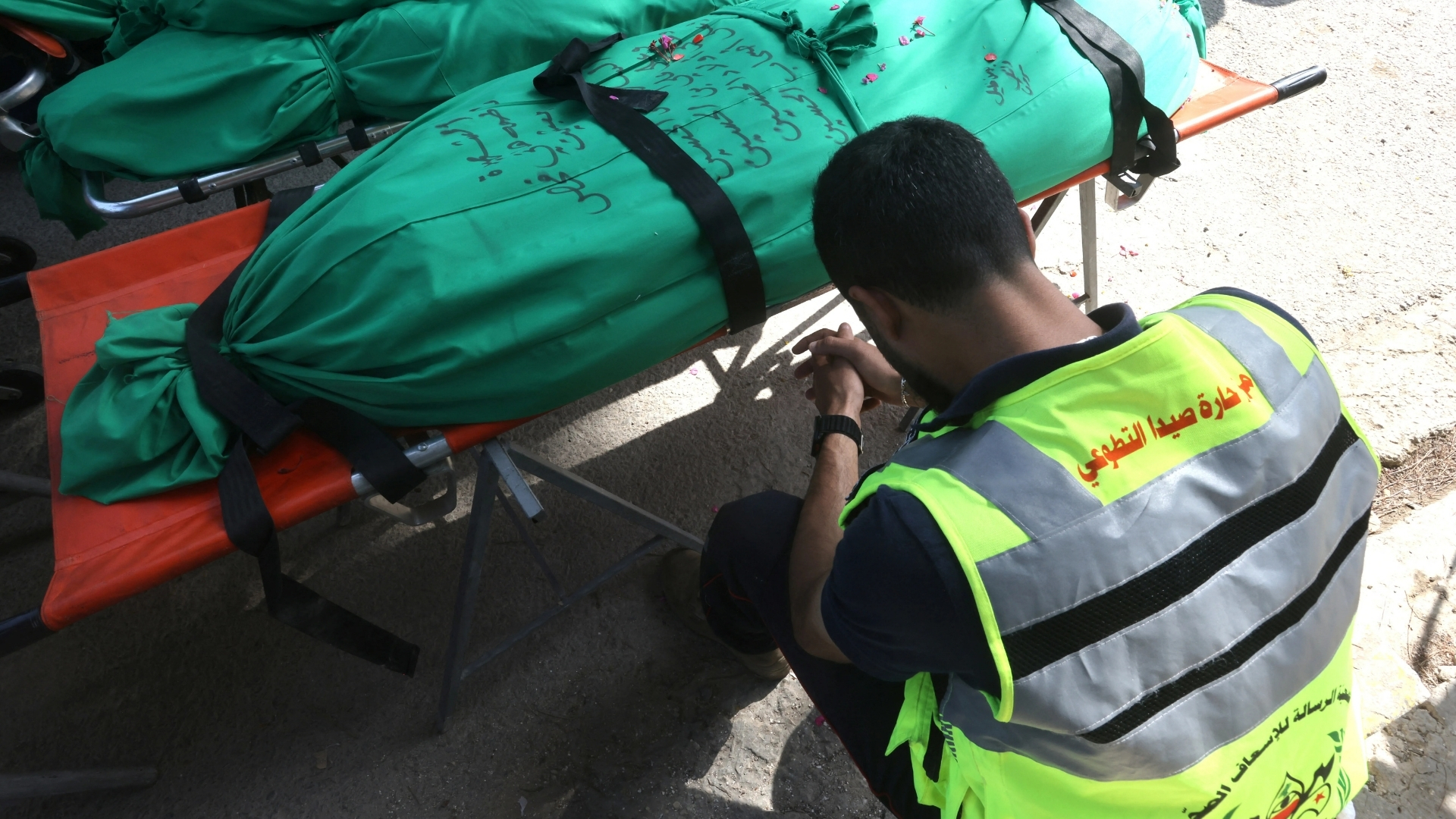
Escalating Tensions: Assessing the Impact of Recent Ceasefire Efforts in Lebanon
 world
world
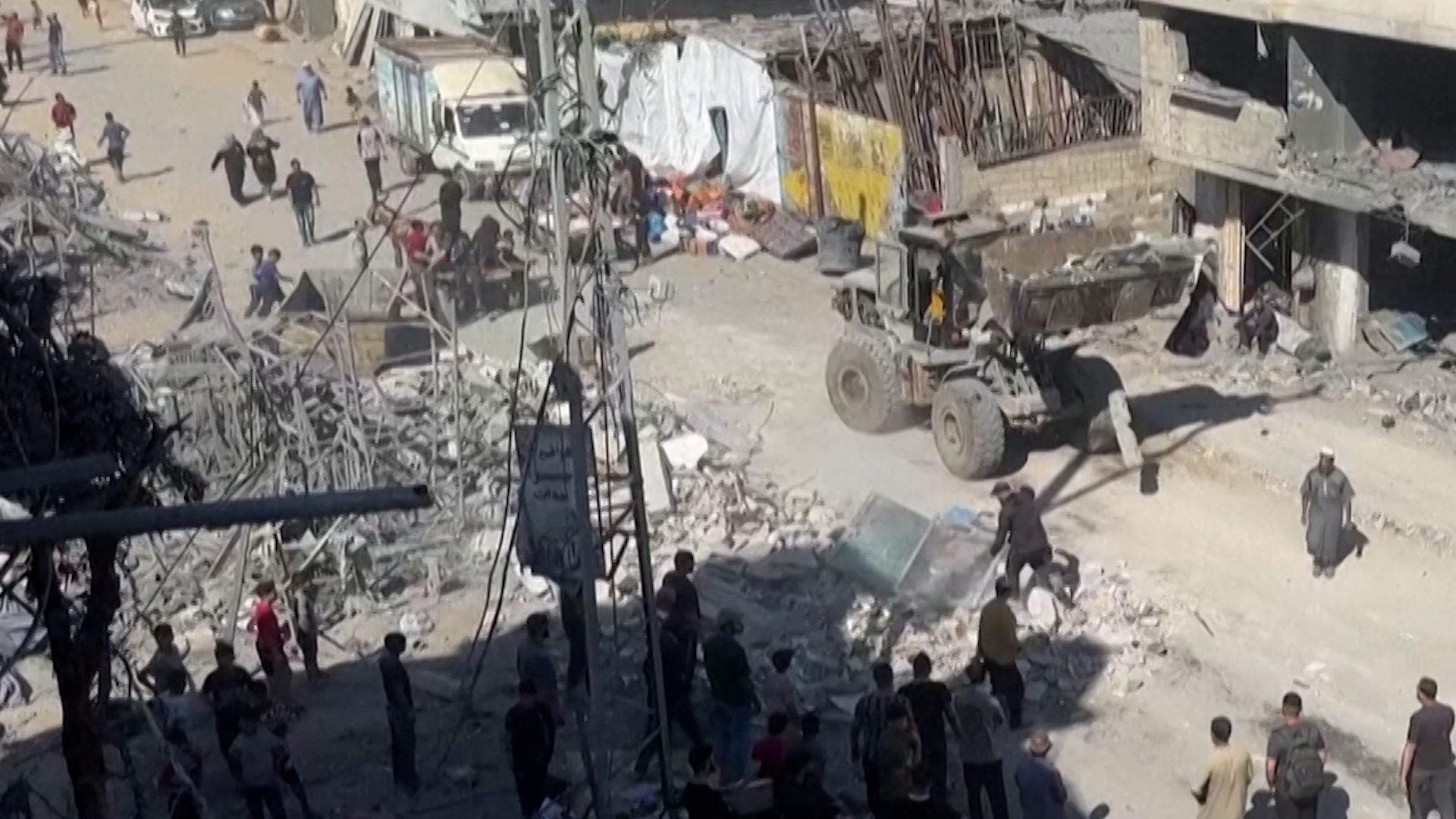
Gaza Residents Begin Cleanup Following Overnight Israeli Strikes
 world
world
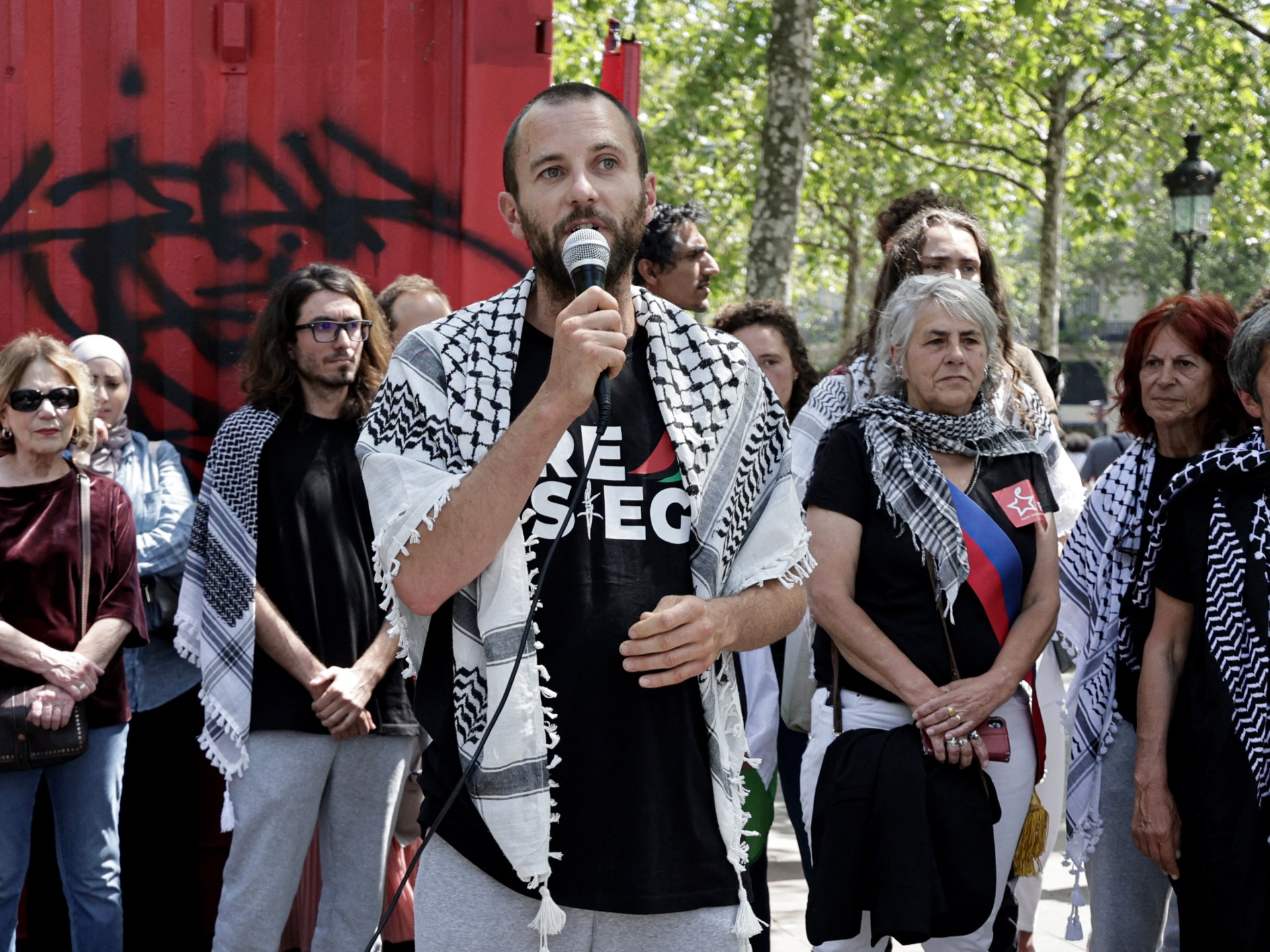
France Initiates Investigation into Allegations of Mistreatment of Gaza Aid Flotilla Activists
 world
world