
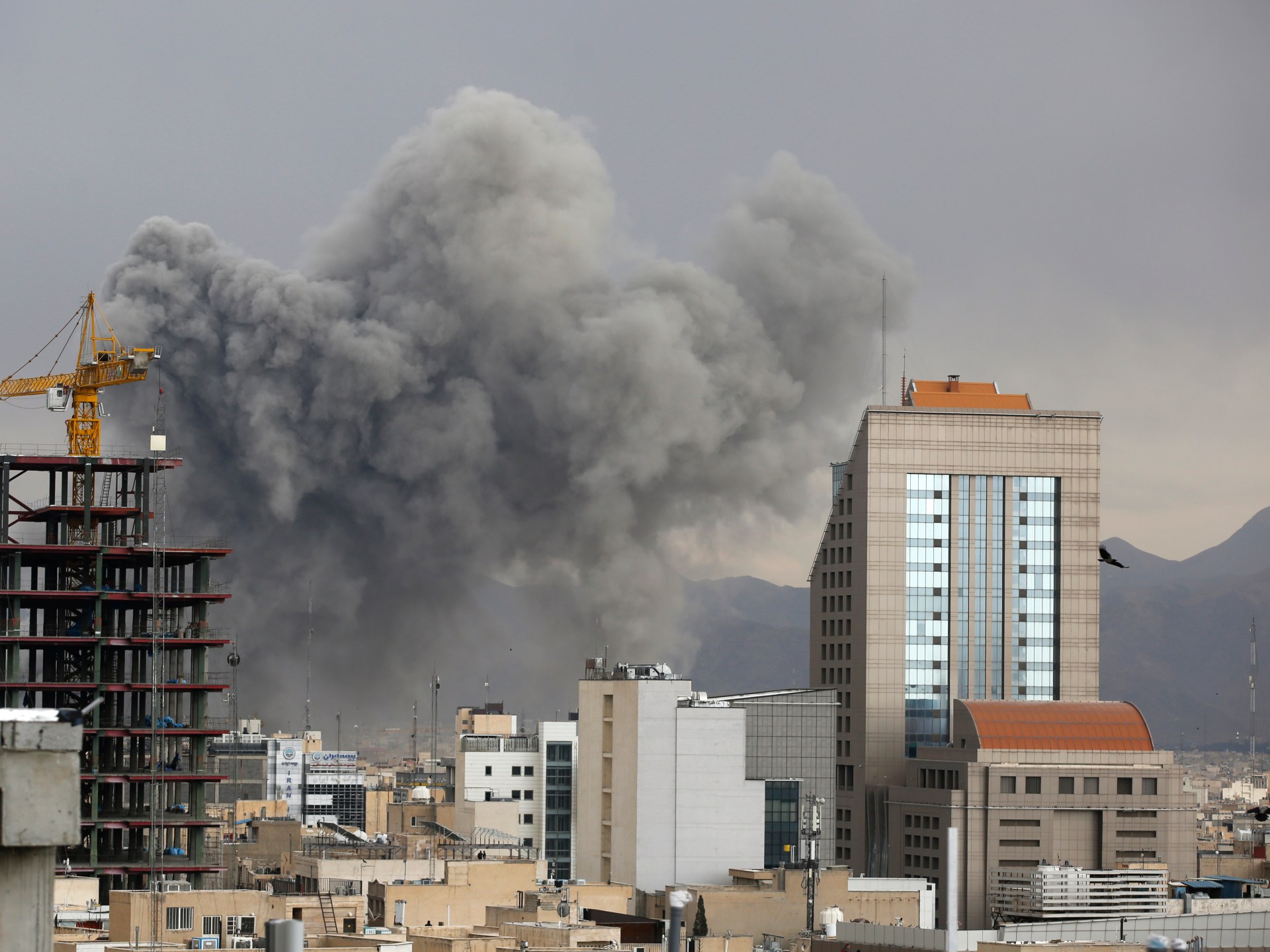
International Reactions to the US-Israel-Iran Conflict
The conflict involving the United States, Israel, and Iran has reached its 100-day mark, triggering widespread global concern, particularly due to its profound impact on international financial and energy markets. This prolonged confrontation, labeled an “unprovoked act of aggression” by Iran, has expanded to include Gulf nations and Lebanon, leading to a complex web of diplomatic and military engagements. Despite a fragile ceasefire established on April 8, Israel has reportedly continued military actions in Lebanon, resulting in significant casualties.
European and Major Global Powers' Stances
America's European allies, while refraining from condemning the initial US-Israeli strikes, have also opted against direct military involvement, instead voicing opposition to any attempts at regime change in Iran. Similarly, Gulf countries have denounced Iranian attacks on their territories. Globally, major powers like Russia and China have pushed back against the war. Nations significantly affected by soaring oil prices and market instability have consistently called for a diplomatic resolution, with Pakistan emerging as a key mediator in these efforts. A renewed ceasefire between Israel and Lebanon was agreed upon on April 16, though reports suggest Israeli operations in Lebanon have persisted, which Tehran views as a violation of the broader April 8 ceasefire.
The Gulf Region's Involvement and Reactions
Gulf states have been directly drawn into the conflict since its inception on February 28, enduring missile and drone strikes from Iran targeting both US military assets and, allegedly, civilian infrastructure. Sporadic attacks continue to characterize the region's security landscape.
- Oman: Initially expressing dismay, Oman, a key mediator in US-Iran nuclear talks, highlighted the conflict's detrimental impact on US interests and global peace. Despite not hosting US forces, Oman has been affected by retaliatory Iranian strikes, including drone attacks on its Duqm and Salalah ports, and an incident in Sohar province resulting in two foreign casualties. Oman's Foreign Minister Badr Albusaidi criticized the US for allegedly losing control of its foreign policy and accused Israel of influencing the Trump administration towards war.
- Qatar: Qatar strongly condemned Iranian missile attacks on its territory, which hosts the Al Udeid airbase. Following an attack on its LNG facility and damage to a US early-warning radar, Qatar expelled Iranian military and diplomatic personnel. Doha has consistently advocated for de-escalation and dialogue, with its Emir engaging in discussions with US and Iranian officials to promote diplomatic solutions.
- United Arab Emirates (UAE): The UAE's Ministry of Defence condemned Iranian attacks on its territory, asserting its right to respond. Reports suggest the UAE also conducted air strikes against Iran, coordinated with the US and Israel. The UAE has also taken measures against Iranian businesses and individuals within its borders, leading to warnings from Tehran of stronger retaliatory strikes.
- Bahrain: Hosting the US Navy’s Fifth Fleet, Bahrain denounced attacks on its territory and has actively pursued UN Security Council resolutions condemning Iran, though its efforts to open the Strait of Hormuz failed due to Russian and Chinese vetoes.
- Kuwait: Kuwait denounced Iranian attacks as a “flagrant violation” of international law and has repeatedly warned against further escalation. The country has sustained numerous drone attacks, attributing them to Iran, which claims to target US interests.
- Saudi Arabia: Saudi Arabia has strongly condemned Iranian attacks on Gulf Arab states and its blockade of the Strait of Hormuz, while also reportedly launching unpublicized retaliatory strikes against Iran. Despite hostilities, channels for communication between Riyadh and Tehran remain open.
Iraq's Precarious Position
Iraq, a close ally of Iran, has condemned the US-Israel strikes on Tehran while striving to prevent its territory from becoming a direct battleground. However, Iraq has seen clashes between Iran-aligned Popular Mobilisation Forces (PMF) and US forces. Iranian forces have also targeted Kurdish groups in northern Iraq. The conflict has also triggered economic concerns, with disruptions to oil exports via the Strait of Hormuz leading to a force majeure declaration by Iraq's Ministry of Oil.
Turkiye's Call for De-escalation
Turkiye's Ministry of Foreign Affairs urged all parties to end the escalating violence, which it believes threatens regional and global stability. A ballistic missile from Iran reportedly entered Turkish airspace, leading to a diplomatic protest from Ankara. Turkiye has engaged in extensive diplomatic efforts across Gulf countries and with Pakistan to facilitate a ceasefire and promote dialogue, with President Erdogan welcoming extensions of the US-Iran ceasefire.
Jordan and Egypt's Appeals for Diplomacy
Jordan, which hosts US military bases, has been subjected to Iranian missile and drone strikes targeting US assets. Amman has consistently called for a halt to hostilities and for Israel to end its actions in Lebanon. Egypt has also expressed deep concern, appealing for de-escalation and a diplomatic resolution, with its President engaging in discussions with US and Iranian counterparts.
African Union's Concerns
The African Union has condemned aggression against Gulf states and urged immediate de-escalation, expressing grave concern over the conflict's broader impact on international security.
Source: How have countries around the world responded to the US-Israel war on Iran?
Related Articles
 world
world
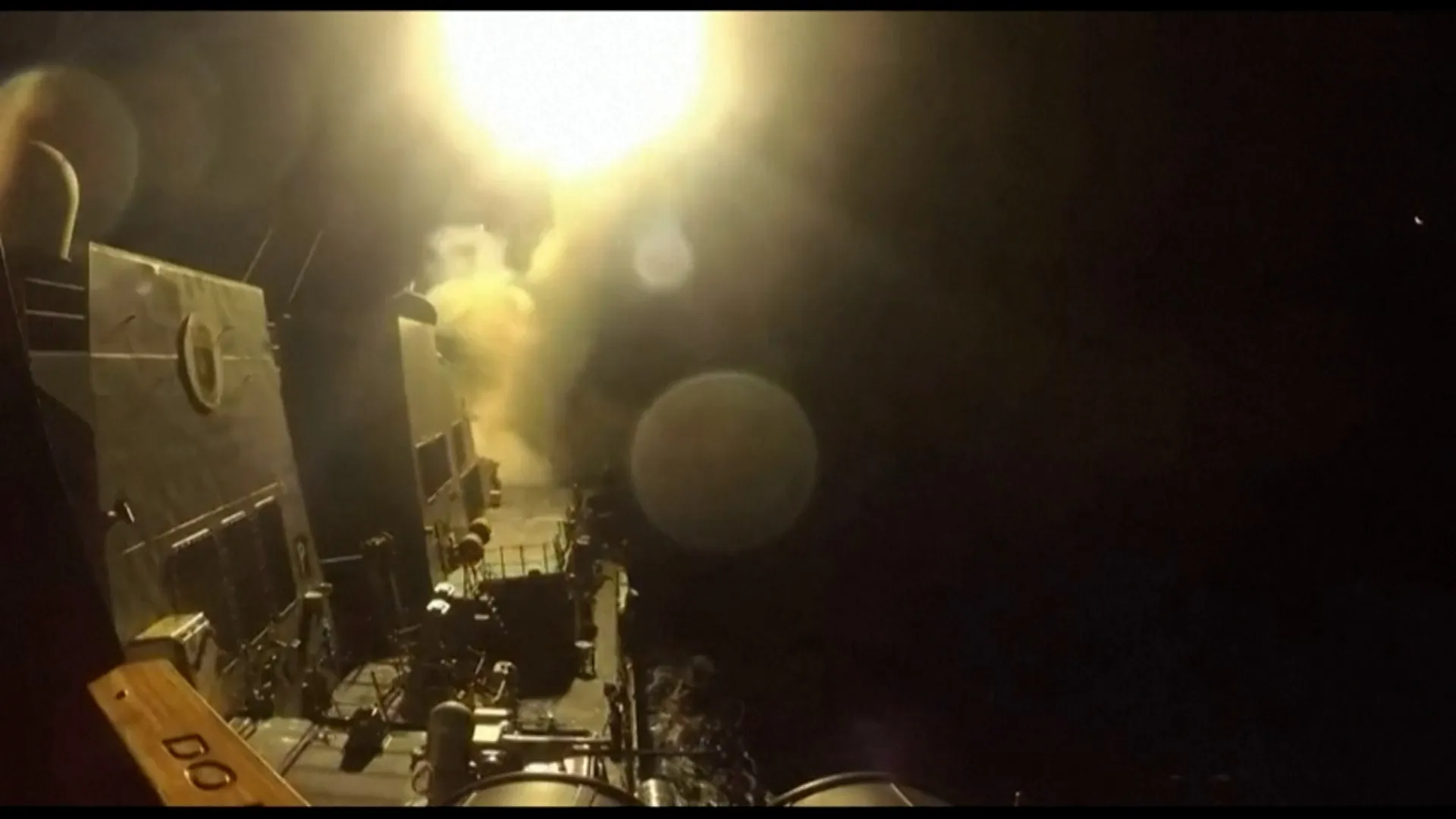
US Central Command Publishes Footage of Strikes Against Iranian Targets
 world
world
Allegations of Sexual Violence Surface in Israeli Detention Facilities
 world
world
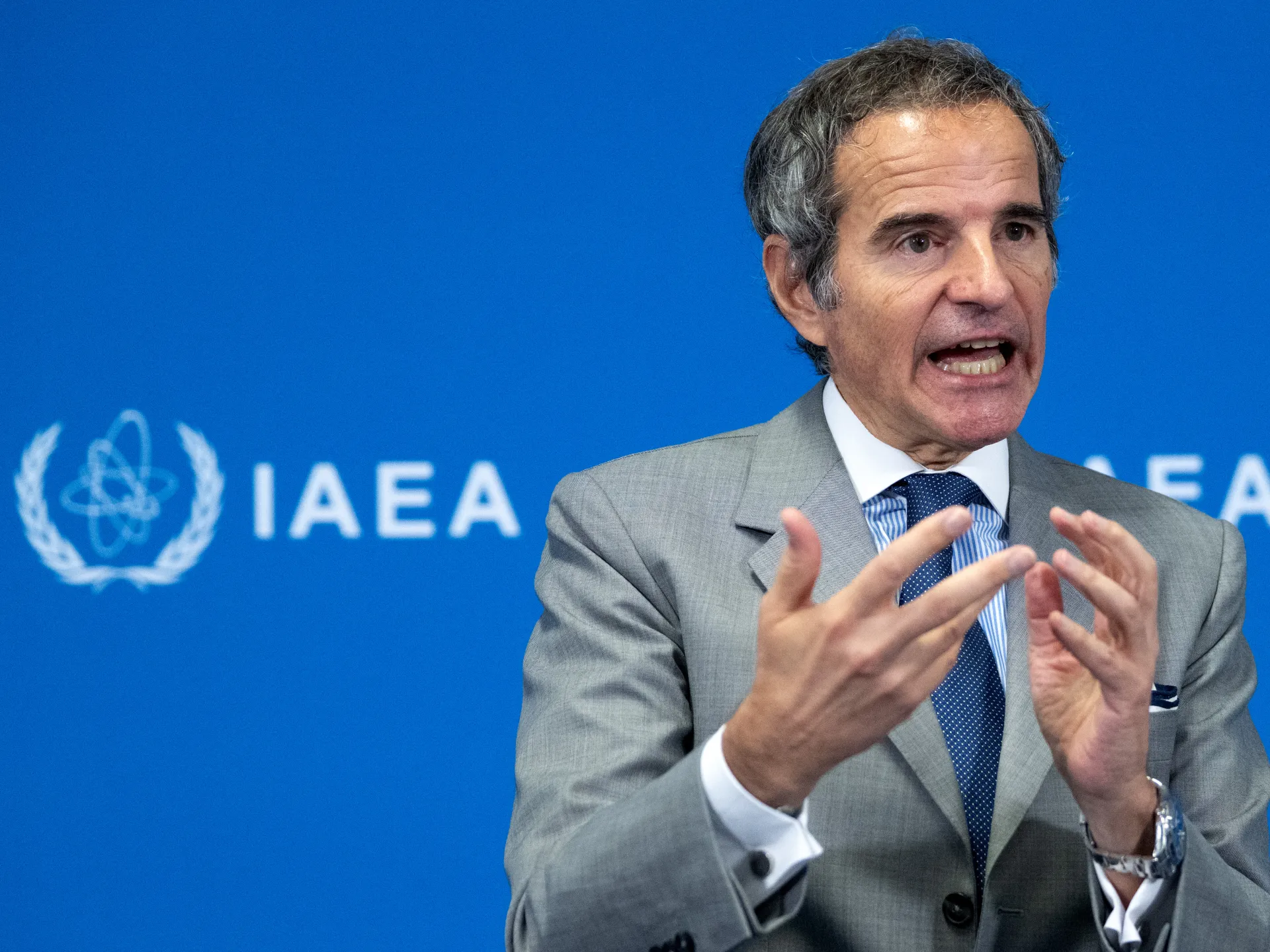
UN Watchdog Demands Iran Account for Enriched Uranium Stockpiles Amid Regional Tensions
 world
world