Historic Agreement Reaches Electronic Signature
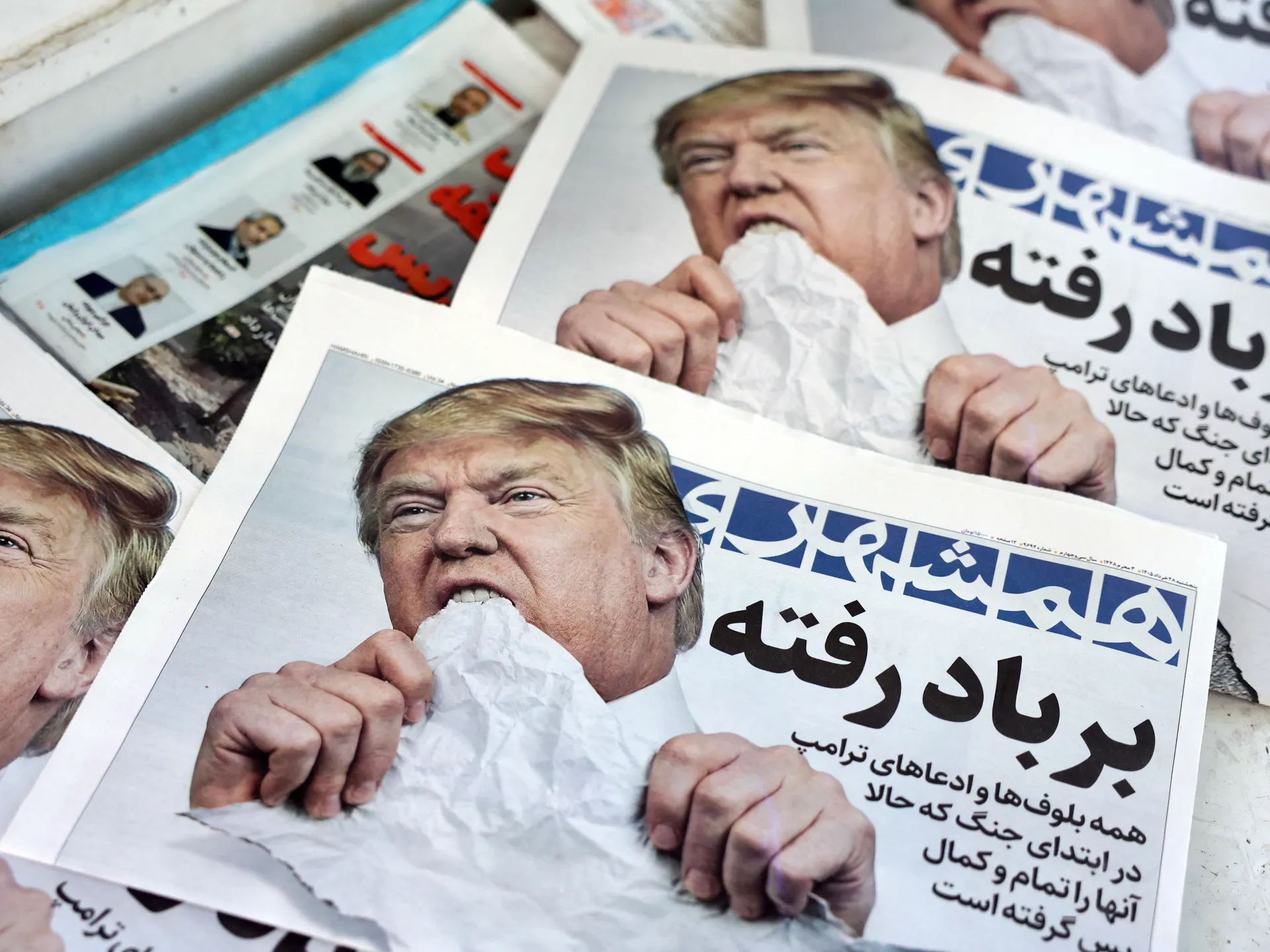
In a significant diplomatic development, US President Donald Trump and Iranian President Masoud Pezeshkian have electronically endorsed a memorandum of understanding aimed at prolonging the existing ceasefire in the conflict between the two nations. This accord, referred to as the “Islamabad MoU,” was announced by Pakistan, the mediating country in the peace process, confirming its immediate effect as of Wednesday. The initial conflict commenced on February 28 with joint US and Israeli strikes against Iran, though a temporary cessation of hostilities on April 8 had already paused the most intense fighting.
Key Provisions of the Interim Deal
US officials have outlined several critical components of the newly signed agreement. Foremost among these is Iran's reaffirmation of its commitment to refrain from developing nuclear weapons. Additionally, the deal stipulates a complete end to the war across all fronts and the crucial reopening of the Strait of Hormuz, a vital international shipping lane. The extended ceasefire is set for 60 days, during which further negotiations are expected to address Iran's nuclear program, the lifting of US sanctions against Tehran, and the release of frozen Iranian assets.
International Perspectives on the Accord
The news of the agreement has elicited varied responses from global actors, highlighting the complex geopolitical landscape surrounding the US-Iran relationship.
Iran's Cautious Optimism
Esmaeil Baghaei, spokesperson for Iran’s Ministry of Foreign Affairs, conveyed Iran's stance following the signing. He stated that Tehran would rigorously monitor US compliance with the agreement, emphasizing that Iran would not fulfill its own commitments if Washington were to evade its obligations. Baghaei confirmed that discussions during the 60-day period would encompass Iran’s nuclear program and the removal of US sanctions, but firmly asserted that Iran’s missile program would not be on the negotiation table. He also indicated that Iran would not export its highly enriched uranium stockpile and stressed the US’s responsibility to ensure Israel respects its commitments to Iran. Furthermore, Iran plans to finalize a new regime for managing the Strait of Hormuz with Oman, which will include charging fees for services in the strait.
United States: Mixed Reactions
President Trump's physical signing of the interim deal at the Versailles Palace was captured on video, where he remarked on the difficulty of the process. While some Republicans, including Senator Roger Marshall, lauded the memorandum as a “winning deal” and an improvement over the 2015 agreement from which Trump unilaterally withdrew, others within his party expressed strong opposition. Critics argued that the deal represents a misuse of taxpayer funds and does not sufficiently restrict Tehran's nuclear ambitions.
Pakistan's Role as Mediator
Pakistan’s Prime Minister Shehbaz Sharif expressed his honor in announcing the electronic signing of the “Islamabad Memorandum of Understanding.” In a post on X, he highlighted that the agreement, endorsed by him as the mediator, demonstrates both sides' commitment to a diplomatic resolution. He voiced hope that the memorandum would serve as a lasting foundation for enhanced understanding, mutual respect, and shared prosperity across the entire region.
International Atomic Energy Agency's Preparations
Rafael Grossi, Director-General of the International Atomic Energy Agency (IAEA), welcomed the interim agreement, indicating that the UN nuclear watchdog would now commence the technical work to formulate a clear plan regarding Iran’s nuclear program. He emphasized the need for the IAEA to collaborate with US and Iranian officials to establish concrete steps for managing Tehran's nuclear activities.
France and Hezbollah Weigh In
French President Emmanuel Macron shared a video of President Trump signing the MoU, stating that the agreement paves the way for lasting peace and the reopening of the Strait of Hormuz, which he believes will contribute to a decrease in energy prices. Meanwhile, Hezbollah chief Naim Qassem hailed the agreement as a significant victory, linking it to the cessation of Israeli aggression against Lebanon. Qassem asserted that future negotiations with Israel should focus exclusively on mutual security, with domestic issues such as disarmament remaining off the table.
China and Russia Express Support
China’s foreign ministry spokesperson, Lin Jian, welcomed the signing of the interim agreement and expressed hope that both the US and Iran would approach upcoming negotiations with rationality and pragmatism, fulfilling their commitments under the deal. Similarly, Russia’s foreign ministry also issued a statement welcoming the ceasefire agreement.
Source: Original Article
Related Articles
 world
world
Analyst Suggests US Intervention Key to Shifting Israeli Policy on Lebanon
 world
world
US and Iran Ink Interim Accord to De-escalate Regional Tensions Amidst Skepticism
 world
world
Escalation in Ukraine Conflict: Drone Strikes on Moscow Refinery Amid Diplomatic Efforts
 world
world