
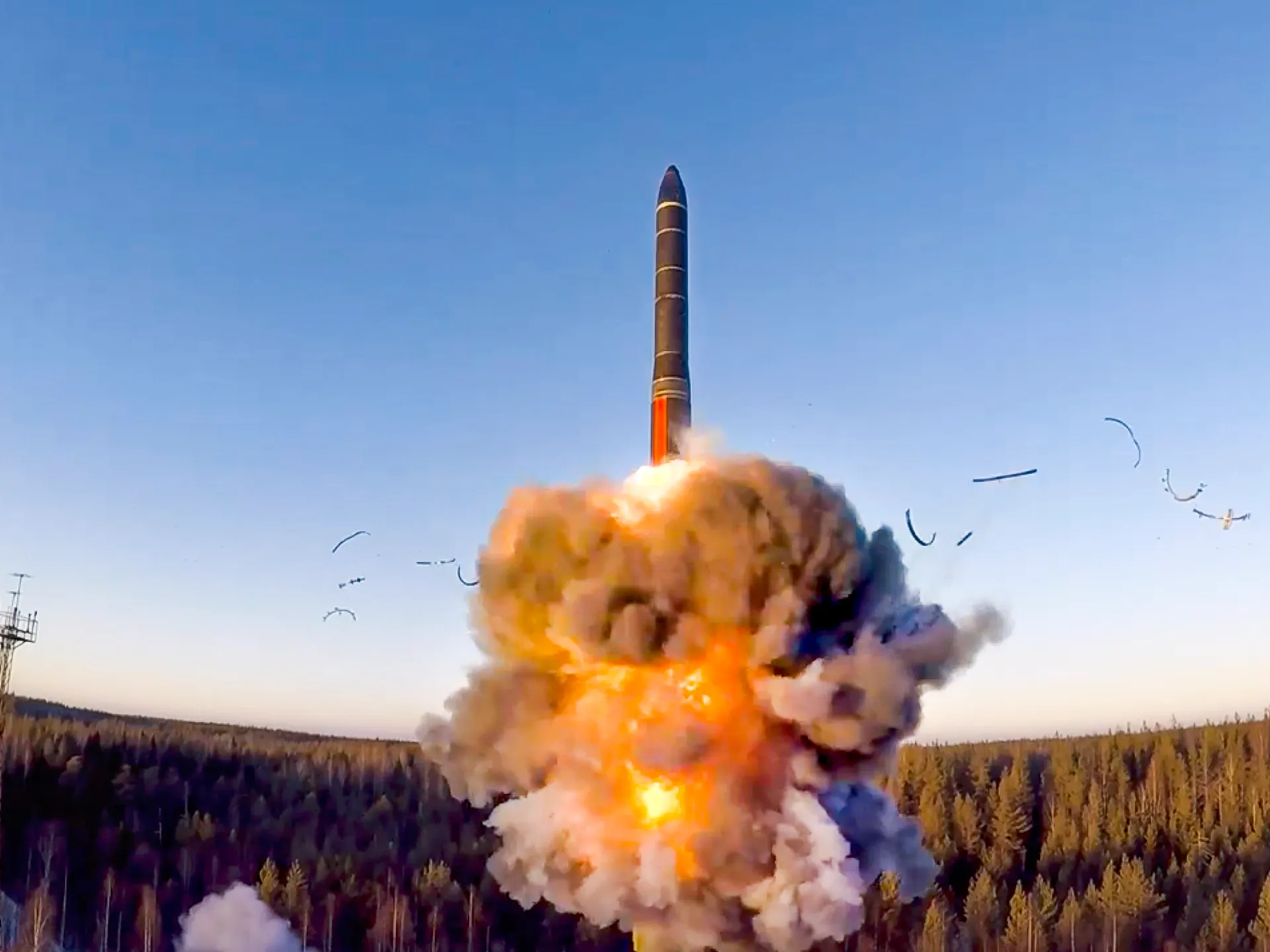
Nuclear Arms Spending Hits Record High
Global expenditure on nuclear weapons reached an unprecedented $119 billion in 2025, according to a new report from the International Campaign to Abolish Nuclear Weapons (ICAN). This figure represents a substantial increase of $16.8 billion compared to the spending in 2024 by the world's nine nuclear-armed nations.
Breakdown of Spending by Nation
The United States was identified as the leading spender, allocating an estimated $69.2 billion to its nuclear arsenal, which is an increase of $12.6 billion and surpasses the combined spending of all other nuclear powers. China ranked second, with an estimated expenditure of $13.5 billion. Following China, the United Kingdom spent $12.6 billion, Russia $9.5 billion, and France $7.7 billion.
Other nuclear-armed states also contributed significantly to this global total. India's spending was estimated at $2.8 billion, Pakistan's at $1.1 billion, Israel's at $1.1 billion, and North Korea's at $656 million. Over the past five years, these countries collectively spent $471 billion on their nuclear programs, with all indicating intentions to maintain their arsenals for decades to come.
Concerns Over Priorities and Global Stability
"This exorbitant spending comes at a time when countries are significantly scaling back their investments in the global commons. Whether reneging from climate change adaptation agreements or failing to pay their fair share to prevent the scourge of war through multilateral diplomacy, this overwhelming spending on nuclear weapons shows a willingness to research, develop, finance and build tools to exterminate humanity instead of save it."
ICAN highlighted concerns that this substantial investment in nuclear weapons is occurring while nations are reducing funding for crucial global initiatives, such as climate change adaptation and multilateral diplomacy aimed at conflict prevention. The organization argued that such spending priorities reflect a willingness to develop tools for mass destruction rather than investing in the preservation of humanity.
The report's findings align with a recent warning from the Stockholm International Peace Research Institute (SIPRI), which noted that nuclear states are increasingly prioritizing the modernization and enhancement of their arsenals, effectively sidelining and moving away from previous commitments to nuclear disarmament.
Nuclear Arsenals and Disarmament Efforts
Collectively, the nine nuclear-armed states are estimated to possess over 12,000 nuclear warheads, with the vast majority held by the United States and Russia. Despite these figures, international efforts to control and prohibit nuclear weapons have been ongoing.
In 2017, the United Nations adopted the Treaty on the Prohibition of Nuclear Weapons (TPNW), a legally binding international agreement that prohibits the development, testing, production, acquisition, possession, stockpiling, transfer, use, and threat of use of nuclear weapons. To date, 99 countries have signed, ratified, or acceded to this treaty. However, none of the countries currently possessing nuclear weapons have signed the TPNW.
Historically, the United States and Russia engaged in a series of treaties aimed at limiting the size of their nuclear arsenals, beginning in the early 1990s. The most recent of these, the New START treaty, expired in February without a successor agreement in place, further complicating efforts to control the global proliferation of nuclear weapons.
Source: Al Jazeera
Related Articles
 world
world
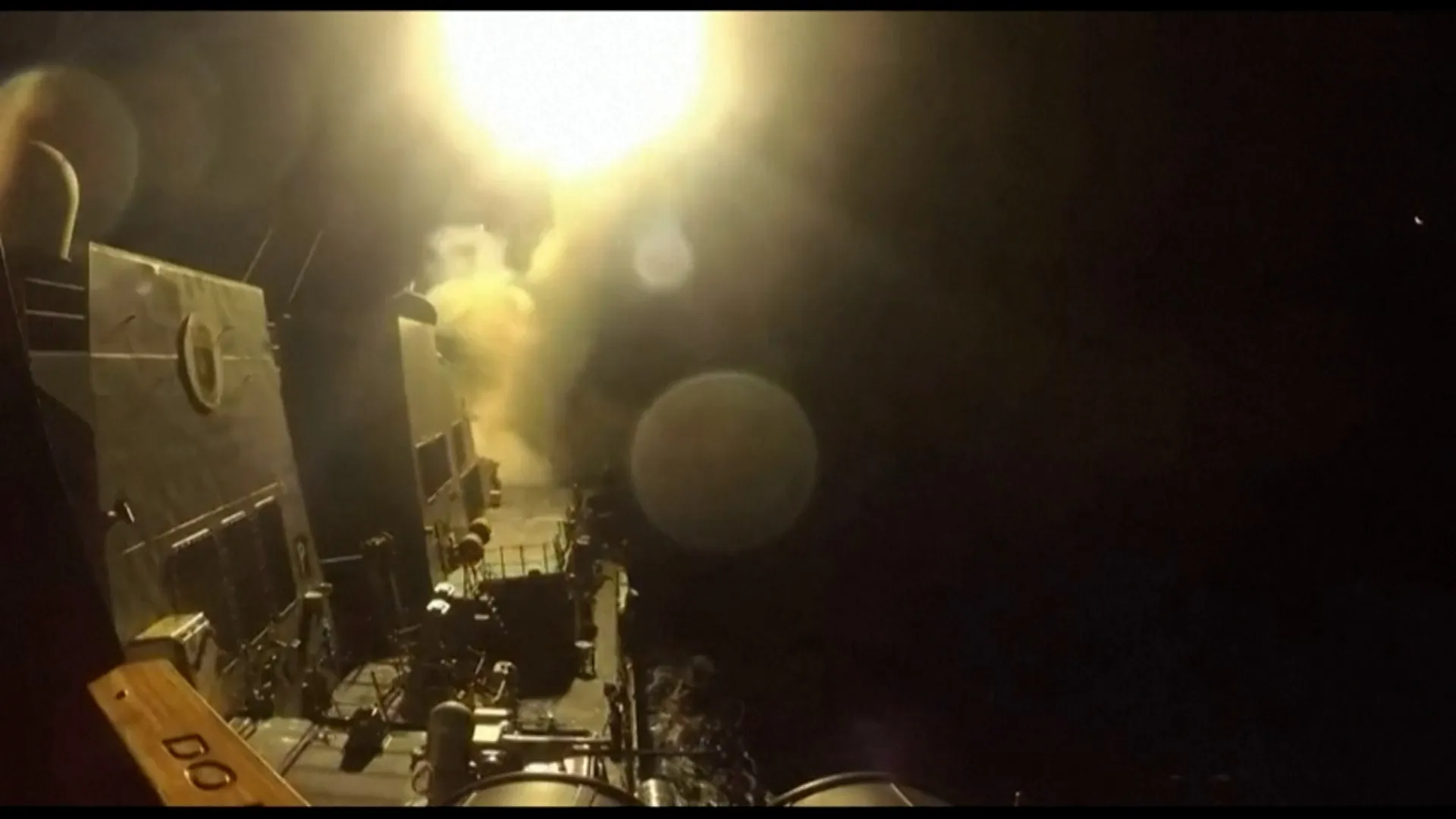
US Central Command Publishes Footage of Strikes Against Iranian Targets
 world
world
Allegations of Sexual Violence Surface in Israeli Detention Facilities
 world
world
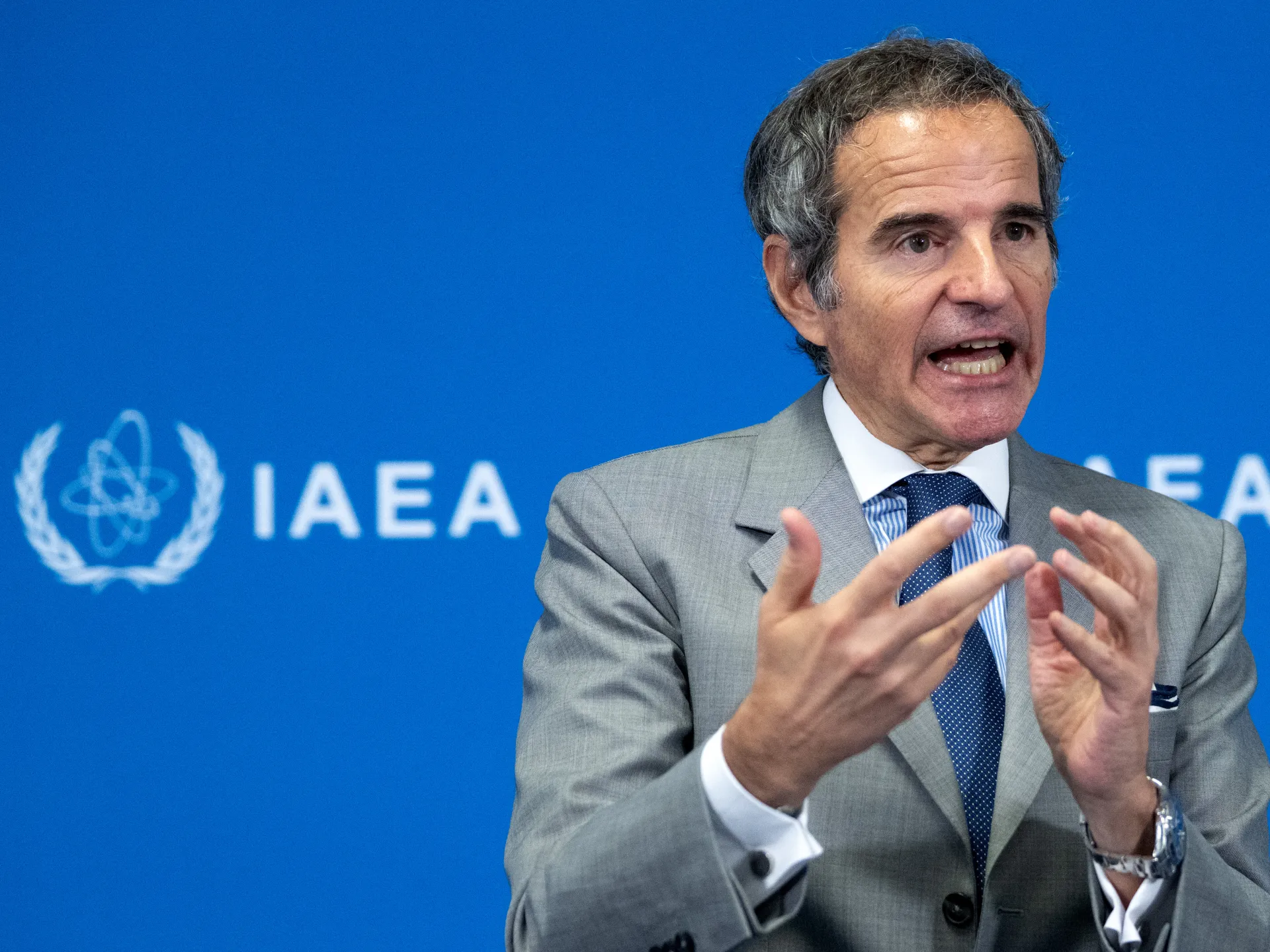
UN Watchdog Demands Iran Account for Enriched Uranium Stockpiles Amid Regional Tensions
 world
world