
Eid al-Adha Commences with Widespread Observance
The annual Islamic festival of Eid al-Adha, also known as the 'Festival of Sacrifice,' has begun, bringing together millions of Muslims across the globe in a display of faith and unity. From bustling metropolises to serene rural communities, adherents have convened for special congregational prayers, symbolizing a shared spiritual experience that transcends geographical and cultural boundaries.
A Global Expression of Faith
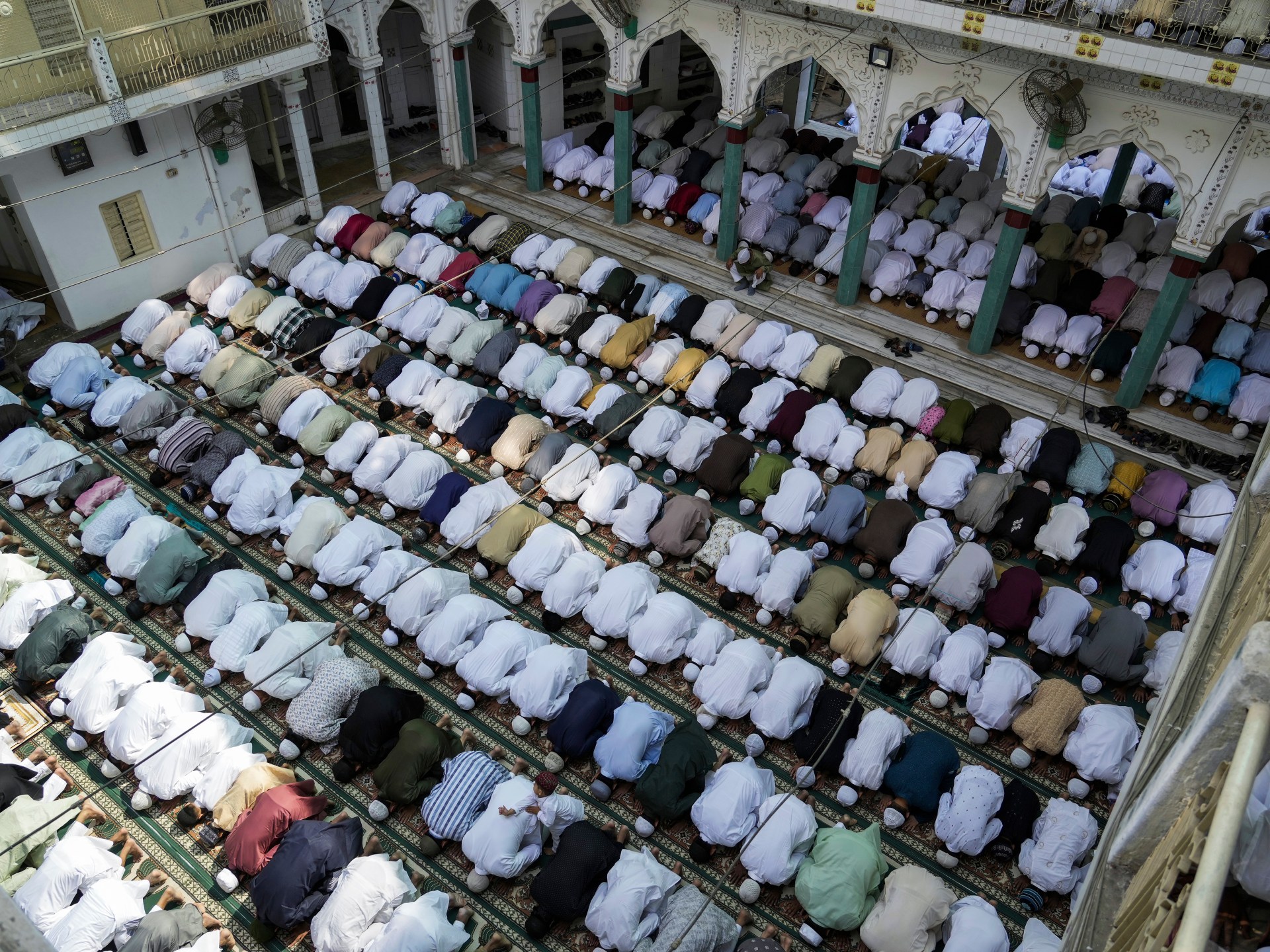
The first day of Eid al-Adha is traditionally marked by communal prayers held shortly after sunrise. These gatherings, often taking place in mosques, large open fields, or specially designated prayer grounds, see worshippers standing shoulder to shoulder, reciting verses from the Quran and offering supplications. The collective nature of these prayers underscores a fundamental aspect of Islamic practice: the unity of the Ummah, the global Muslim community.
Reports indicate widespread participation from diverse regions. In major cities across the Middle East, North Africa, Asia, and Western countries, large crowds were observed, with families and individuals dressed in their finest attire to partake in the solemn yet joyful occasion. The atmosphere is typically one of peace and communal solidarity, as greetings of 'Eid Mubarak' (Blessed Eid) are exchanged among attendees.
The Significance of Eid al-Adha
Eid al-Adha commemorates Prophet Ibrahim's (Abraham's) willingness to sacrifice his son Ismail (Isaac in Judeo-Christian traditions) as an act of obedience to God, before God intervened and provided a ram to be sacrificed instead. This profound narrative serves as a reminder of devotion, sacrifice, and trust in divine will.
Beyond the prayers, the festival is characterized by several key practices:
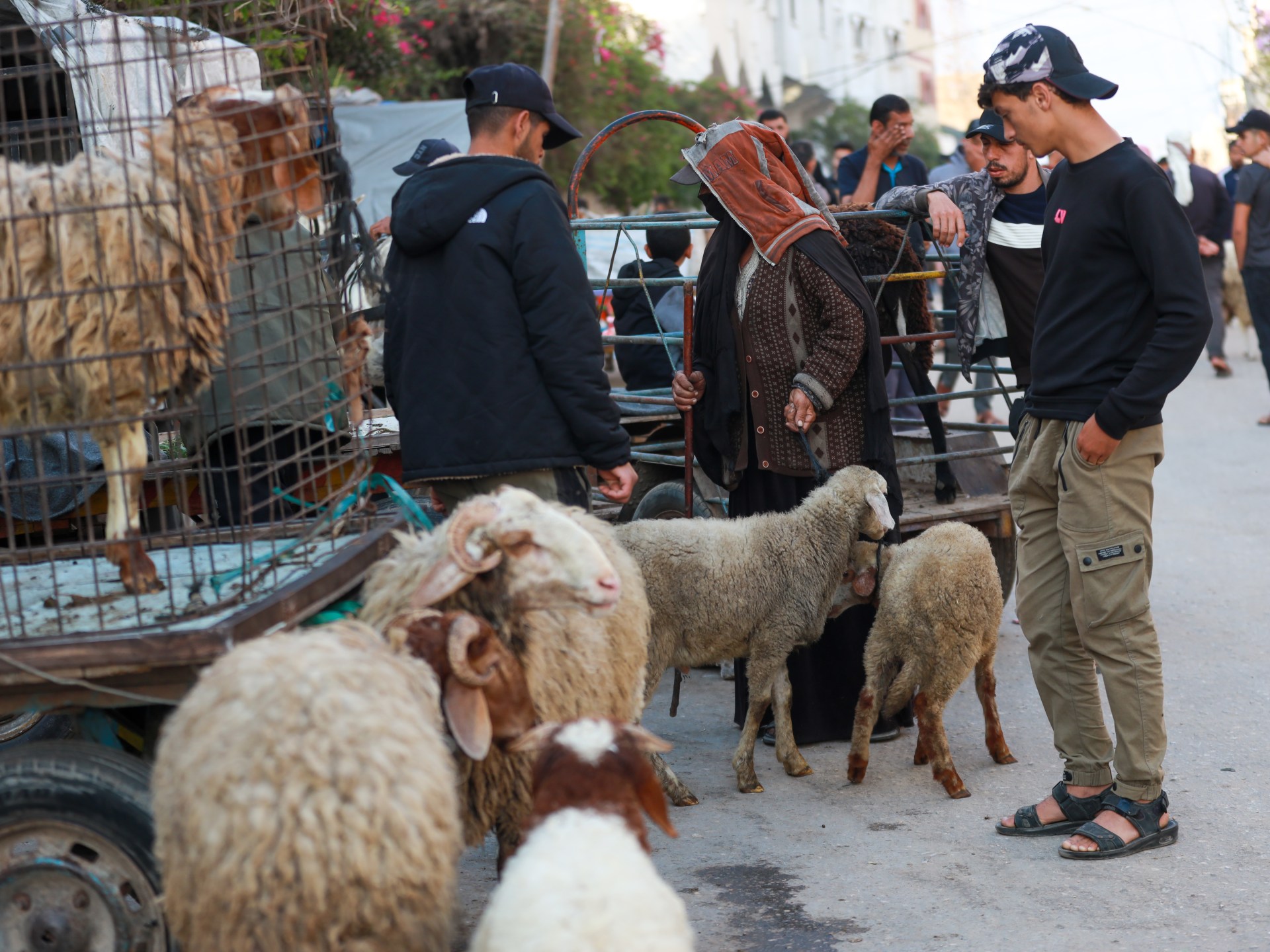
- Sacrifice (Qurbani): Many Muslims who can afford it perform the ritual sacrifice of an animal (typically a sheep, goat, cow, or camel). The meat is then divided into three parts: one for the family, one for friends and neighbors, and one for the poor and needy, ensuring that even the less fortunate can partake in the celebratory meal.
- Charity: The spirit of giving and helping those less fortunate is central to Eid al-Adha. Donations to charities and direct assistance to the poor are common practices, reinforcing the values of compassion and social responsibility.
- Family Gatherings: The festival is a time for families to come together, share meals, exchange gifts, and strengthen familial bonds. Visiting relatives and friends is a cherished tradition.
- Festivities: While rooted in solemn observance, Eid al-Adha is also a joyous occasion, with children often receiving new clothes and gifts, and communities organizing various festive activities.
A Unifying Event
The global observance of Eid al-Adha prayers highlights the unifying power of religious traditions. Despite geographical distances and cultural variations, the shared ritual provides a moment of collective reflection and celebration for billions. It serves as a powerful reminder of shared beliefs and the enduring importance of faith in the lives of individuals and communities worldwide.
As the prayers conclude, Muslims transition into days of celebration, marked by continued acts of charity, family visits, and expressions of gratitude, all stemming from the foundational observance of the morning prayers.
Source: Al Jazeera