
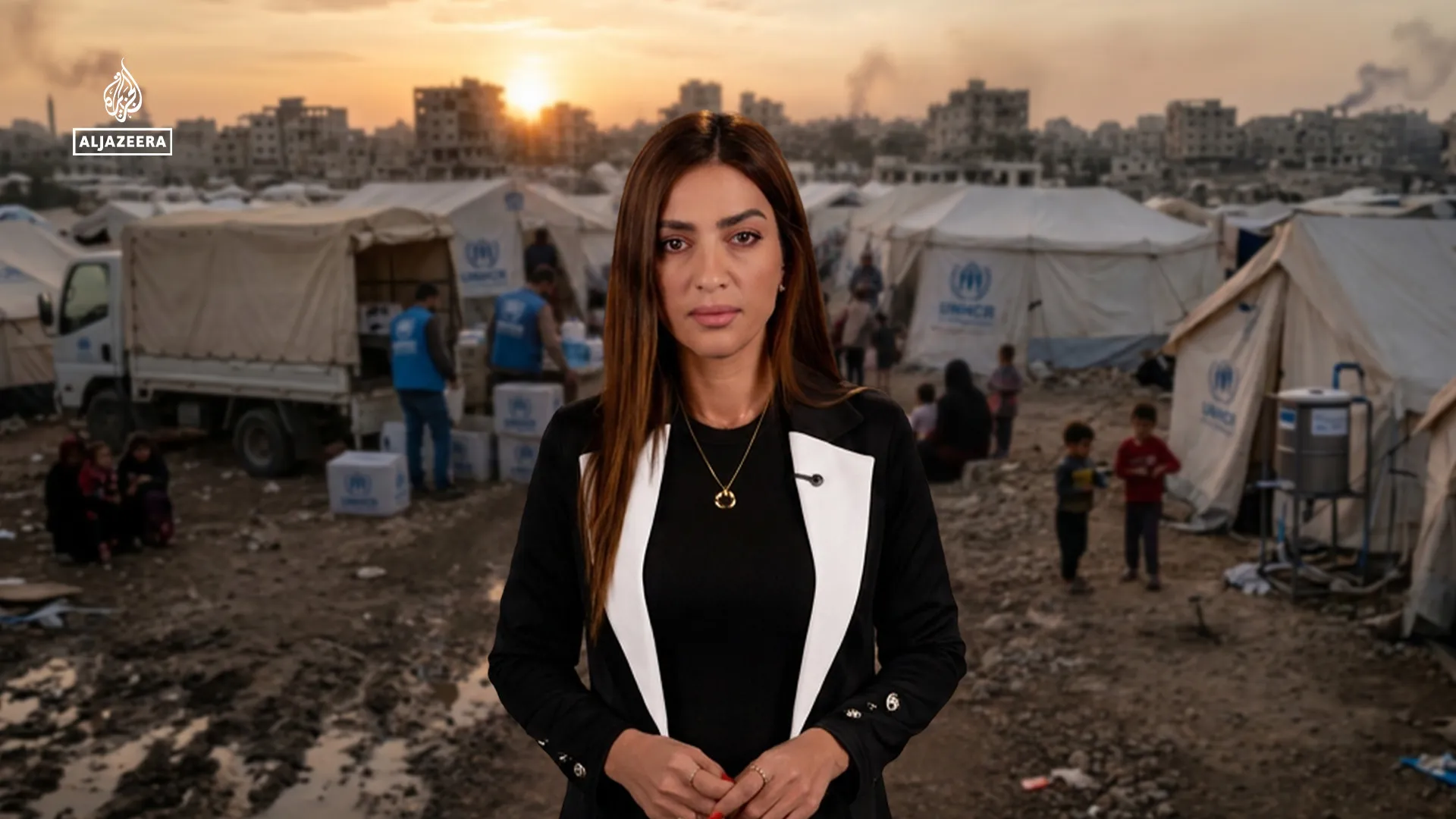
Global Displacement Figures Soar
The number of individuals forcibly displaced globally reached an unprecedented 117.8 million by the close of 2025, according to a recent report from the United Nations High Commissioner for Refugees (UNHCR). This staggering figure underscores the escalating impact of conflicts, violence, and persecution, which continue to compel millions to abandon their homes in search of safety.
The report highlights a persistent upward trend in forced displacement, reflecting the complex and protracted nature of numerous humanitarian crises worldwide. These displacements are not merely statistical points but represent countless personal tragedies, involving individuals and families uprooted from their communities, livelihoods, and support networks. The drivers behind these movements are multifaceted, ranging from regional conflicts and internal strife to human rights abuses and the breakdown of social order. The scale of this global challenge necessitates urgent and coordinated international responses, focusing on both immediate humanitarian aid and long-term solutions for peace and stability.
The Plight of Internally Displaced Persons
Among the vast number of displaced individuals are internally displaced persons (IDPs), who have fled their homes but remain within their own country's borders. The UNHCR report specifies that over 1 million people within Lebanon fall into this category. These individuals face unique challenges, often lacking the international protections afforded to refugees, yet enduring similar hardships related to shelter, food security, healthcare, and education.
The concept of internal displacement is critical in understanding the full scope of humanitarian crises. While refugees cross international borders, IDPs remain within their national context, making their situation often less visible to the international community despite their profound needs. Their vulnerability is frequently exacerbated by the very conflicts that caused their displacement, as national governments may struggle to provide adequate assistance amidst ongoing hostilities or political instability. Ensuring the safety, dignity, and basic rights of IDPs is a fundamental aspect of humanitarian response, requiring robust national and international efforts.
Lebanon's Worsening Shelter Crisis
Lebanon, a nation already grappling with multiple economic and political challenges, is now experiencing one of its most severe humanitarian crises in recent memory. The ongoing conflict in the region, particularly the repercussions of Israel's military actions and persistent attacks, has significantly exacerbated the country's shelter crisis. This has placed immense strain on Lebanon's infrastructure and resources, which were already stretched thin.
The influx of internally displaced persons, coupled with existing refugee populations, has created an urgent demand for safe and adequate housing. Many displaced families are forced into overcrowded and substandard living conditions, including makeshift shelters, unfinished buildings, or shared accommodations, which often lack basic amenities and hygiene facilities. This not only poses immediate health risks but also contributes to social tensions and long-term vulnerabilities. The destruction of homes and infrastructure in affected areas further complicates recovery efforts, leaving many without the possibility of returning to their original residences in the foreseeable future.
The Broader Humanitarian Impact
Beyond the immediate issue of shelter, the escalating crisis in Lebanon has far-reaching humanitarian consequences. Access to essential services such as healthcare, clean water, and sanitation has become increasingly challenging for both displaced populations and host communities. The disruption of educational systems also threatens the future prospects of children and youth, who are deprived of stable learning environments.
The economic impact is equally severe. Many displaced individuals have lost their livelihoods, pushing families deeper into poverty. The increased demand for resources also places additional pressure on local economies, which may struggle to absorb the sudden influx of people. This creates a cycle of dependency and vulnerability, making it difficult for individuals to rebuild their lives and achieve self-sufficiency. International aid organizations and local charities are working tirelessly to provide assistance, but the scale of the crisis often overwhelms available resources.
The situation in Lebanon serves as a stark reminder of the interconnectedness of global displacement crises. While the numbers reflect a global trend, the localized impacts on countries like Lebanon are profound and require sustained attention. Addressing the root causes of displacement, providing comprehensive humanitarian assistance, and working towards durable solutions are imperative to alleviate suffering and foster stability in affected regions.
Source: Original Article
Related Articles
 world
world
US Central Command Publishes Footage of Strikes Against Iranian Targets
 world
world
Allegations of Sexual Violence Surface in Israeli Detention Facilities
 world
world
UN Watchdog Demands Iran Account for Enriched Uranium Stockpiles Amid Regional Tensions
 world
world