
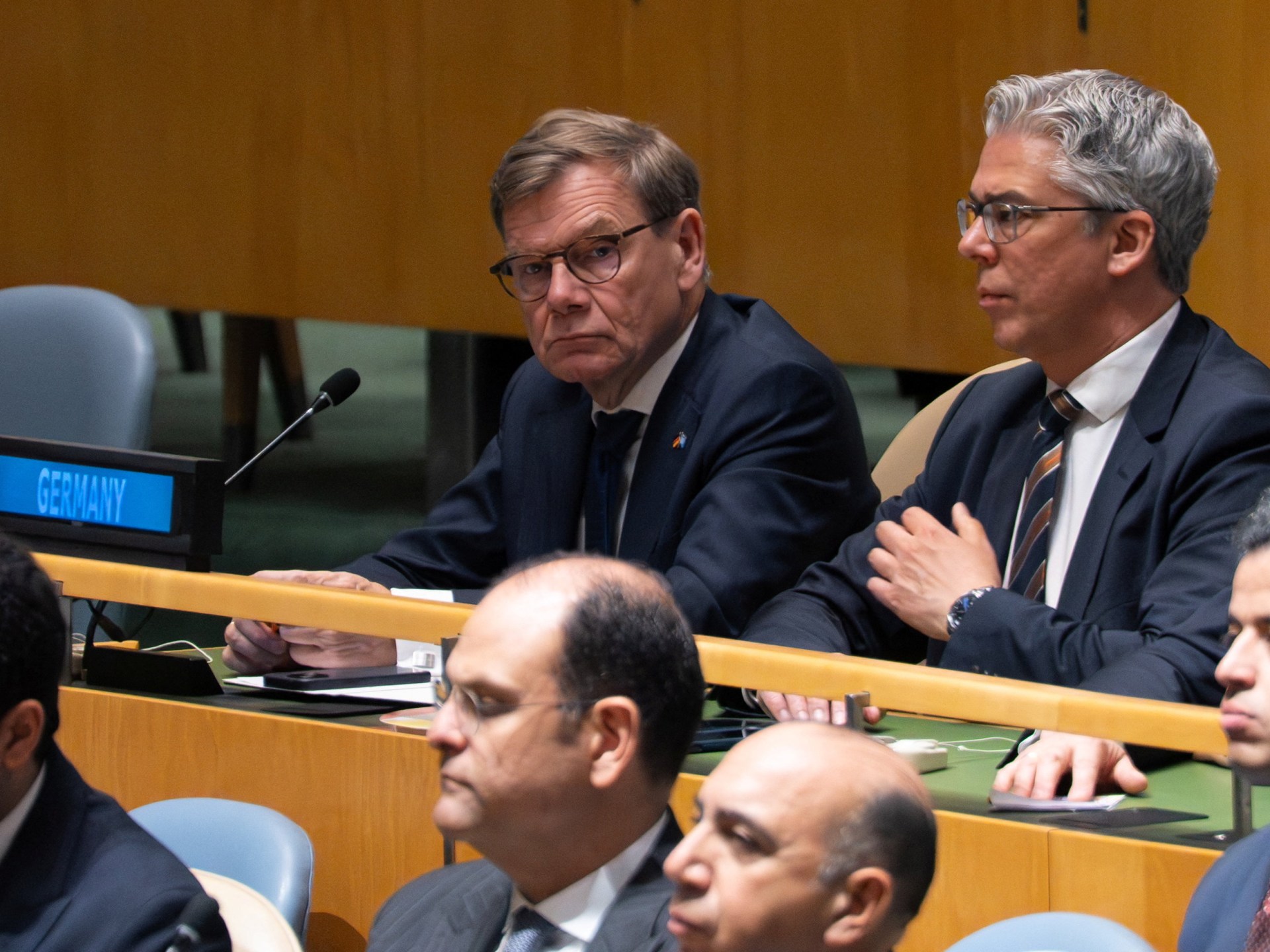
Germany's Bid for UNSC Seat Unsuccessful
In a recent election for the non-permanent seats on the United Nations Security Council, Germany's attempt to secure a position proved unsuccessful. The highly anticipated vote saw two other European nations, Austria and Portugal, emerge victorious, each obtaining one of the coveted seats. This outcome means Germany will not be part of the decision-making body for the upcoming term.
The Election Process
The United Nations Security Council consists of 15 members: five permanent members with veto power (China, France, Russia, the United Kingdom, and the United States) and ten non-permanent members elected for two-year terms by the General Assembly. Each year, five non-permanent members are elected. The process involves a secret ballot, and candidate countries must secure a two-thirds majority of votes from member states present and voting in the General Assembly to be elected.
Competition for European Representation
The competition for the available seats often intensifies, particularly when multiple countries from the same regional group vie for limited positions. In this instance, Germany, Austria, and Portugal were all candidates from the Western European and Others Group (WEOG). The election underscored the robust competition among nations seeking to contribute to global peace and security through a seat on the influential council.
Significance of a UNSC Seat
A non-permanent seat on the UN Security Council offers a nation a significant platform to influence international policy, address global crises, and promote its foreign policy objectives. Members participate directly in deliberations concerning peace and security matters, including authorizing peacekeeping missions, imposing sanctions, and establishing international tribunals. For many countries, securing such a seat is a testament to their diplomatic standing and commitment to multilateralism.
Past and Future Aspirations
Germany has previously served multiple terms on the UN Security Council, demonstrating its historical engagement with international affairs and its consistent pursuit of multilateral solutions. While this particular bid did not succeed, it is common for countries to reapply for non-permanent seats in subsequent election cycles, reflecting the ongoing strategic importance placed on participation in the Security Council's work. The outcome of this election will likely prompt an assessment of Germany's diplomatic strategy moving forward, as it continues to play a significant role in various international forums.
Source: Al Jazeera
Related Articles
 world
world
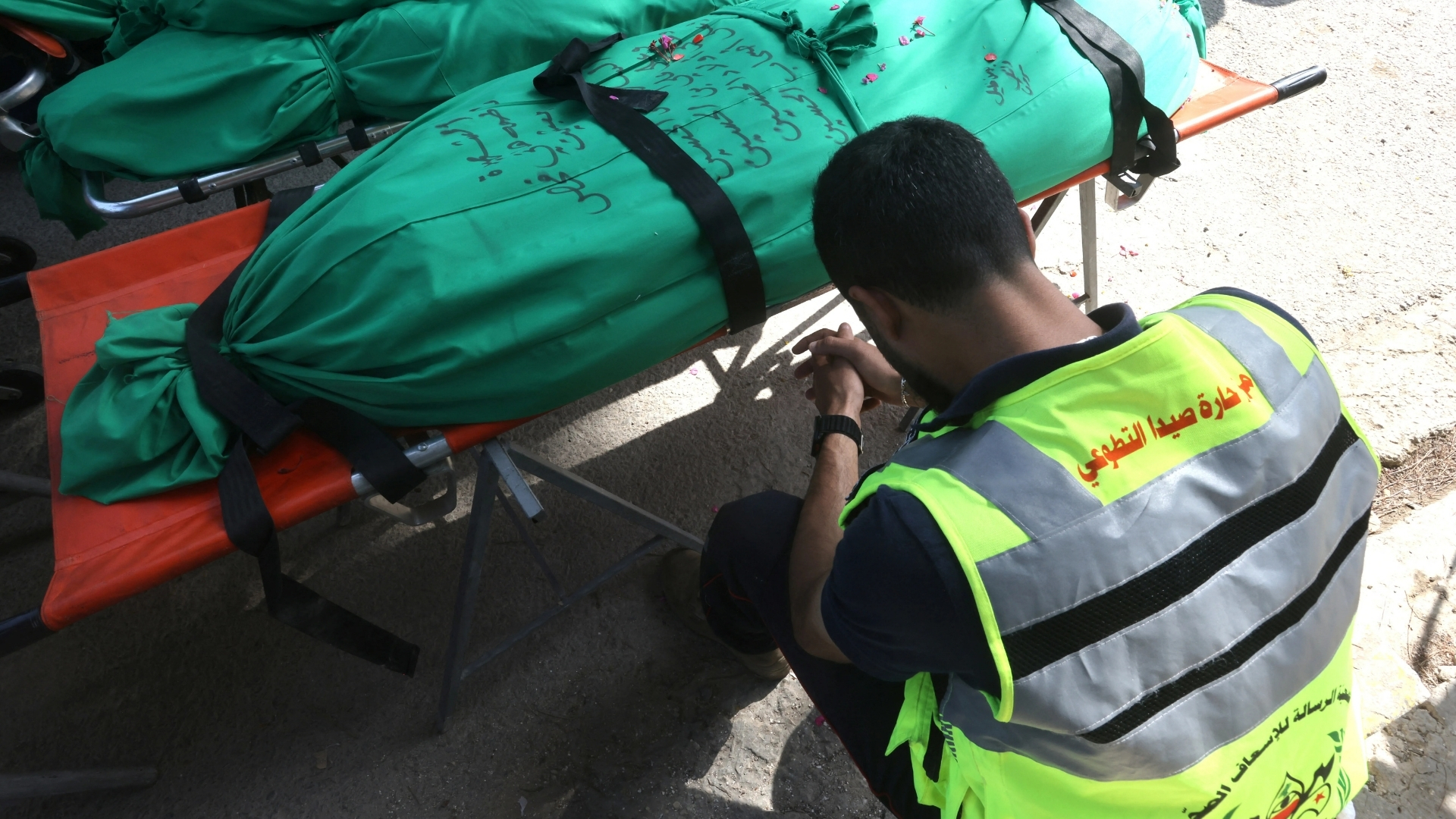
Escalating Tensions: Assessing the Impact of Recent Ceasefire Efforts in Lebanon
 world
world
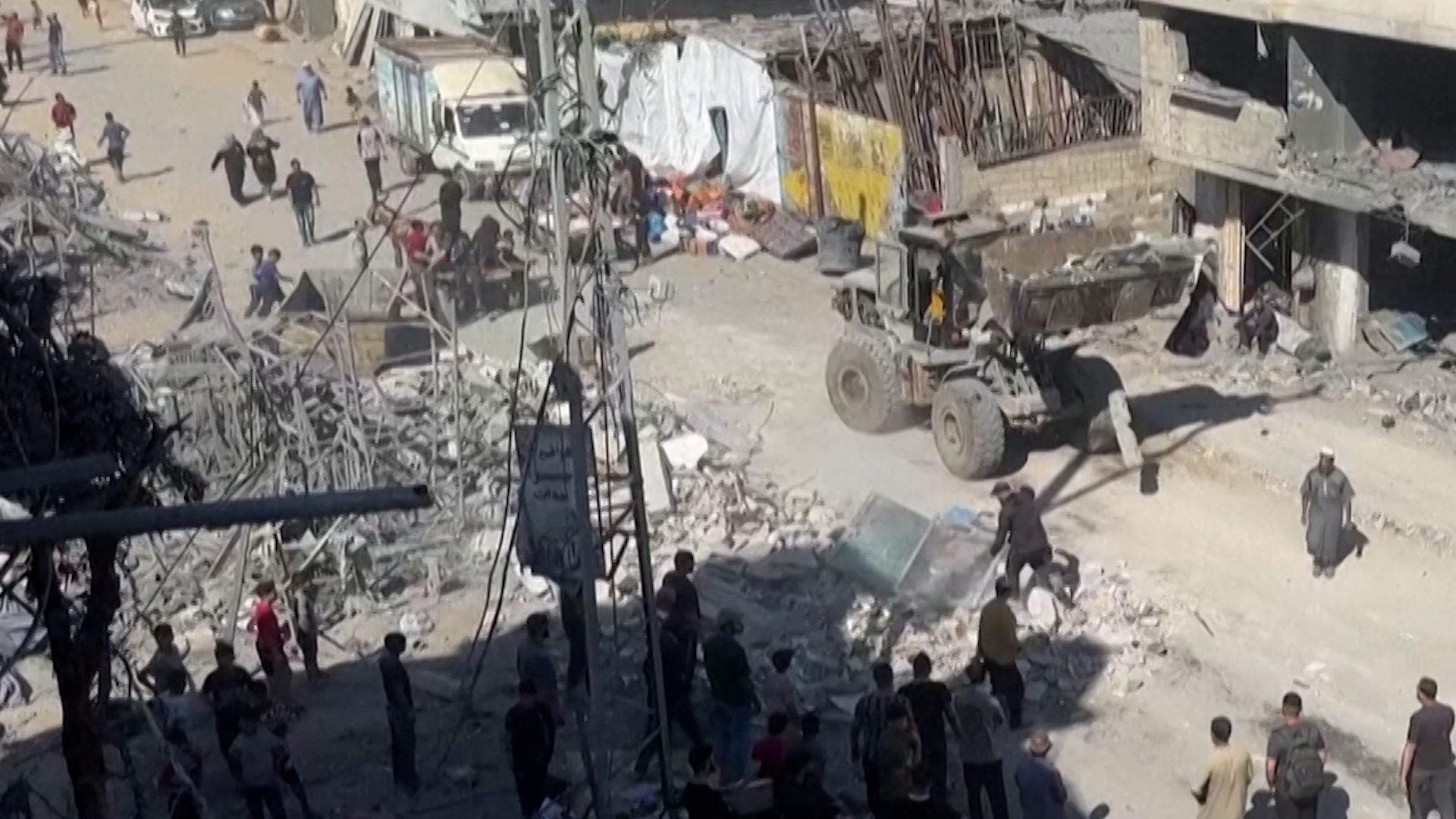
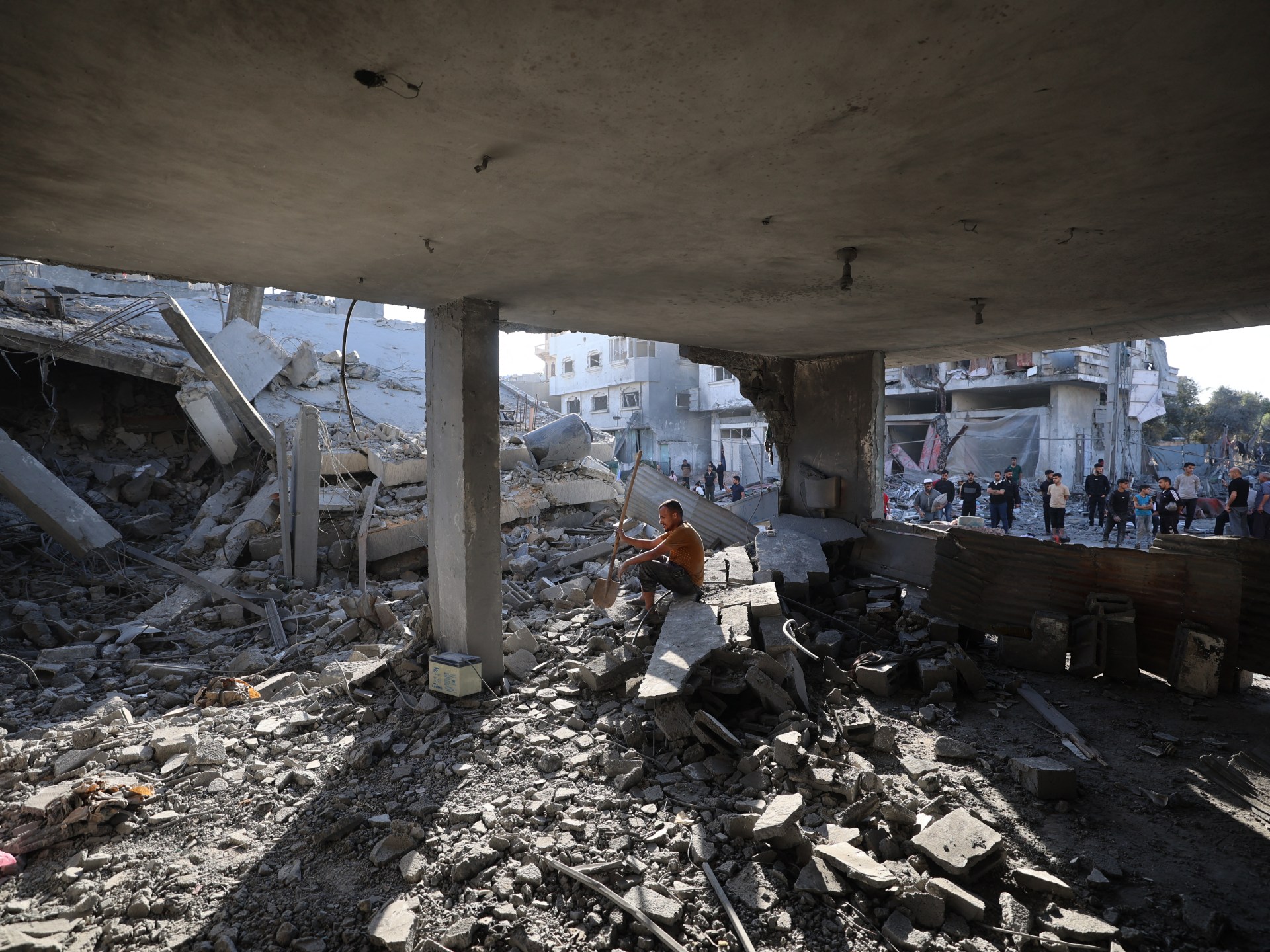
Gaza Residents Begin Cleanup Following Overnight Israeli Strikes
 world
world
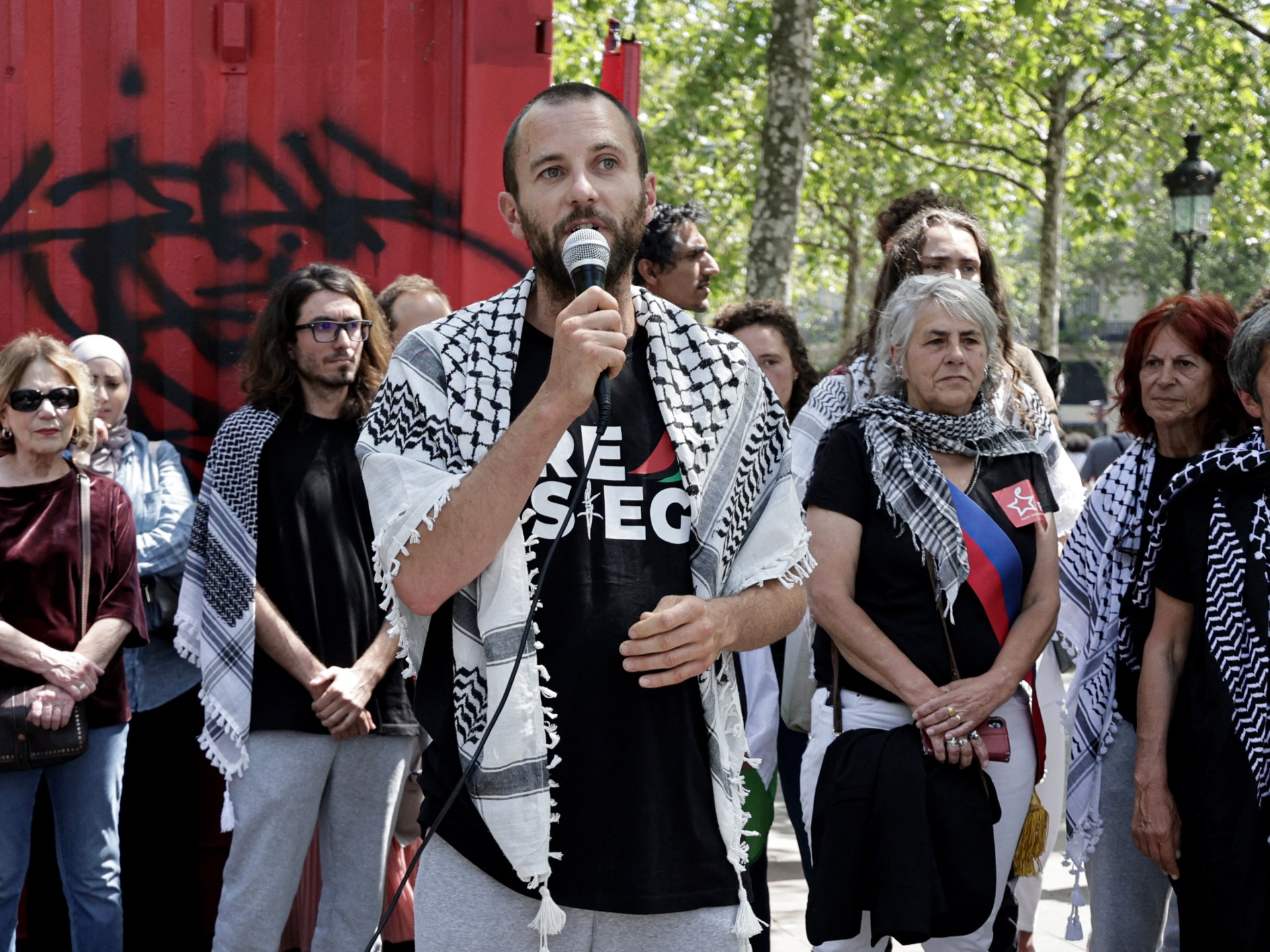
France Initiates Investigation into Allegations of Mistreatment of Gaza Aid Flotilla Activists
 world
world