
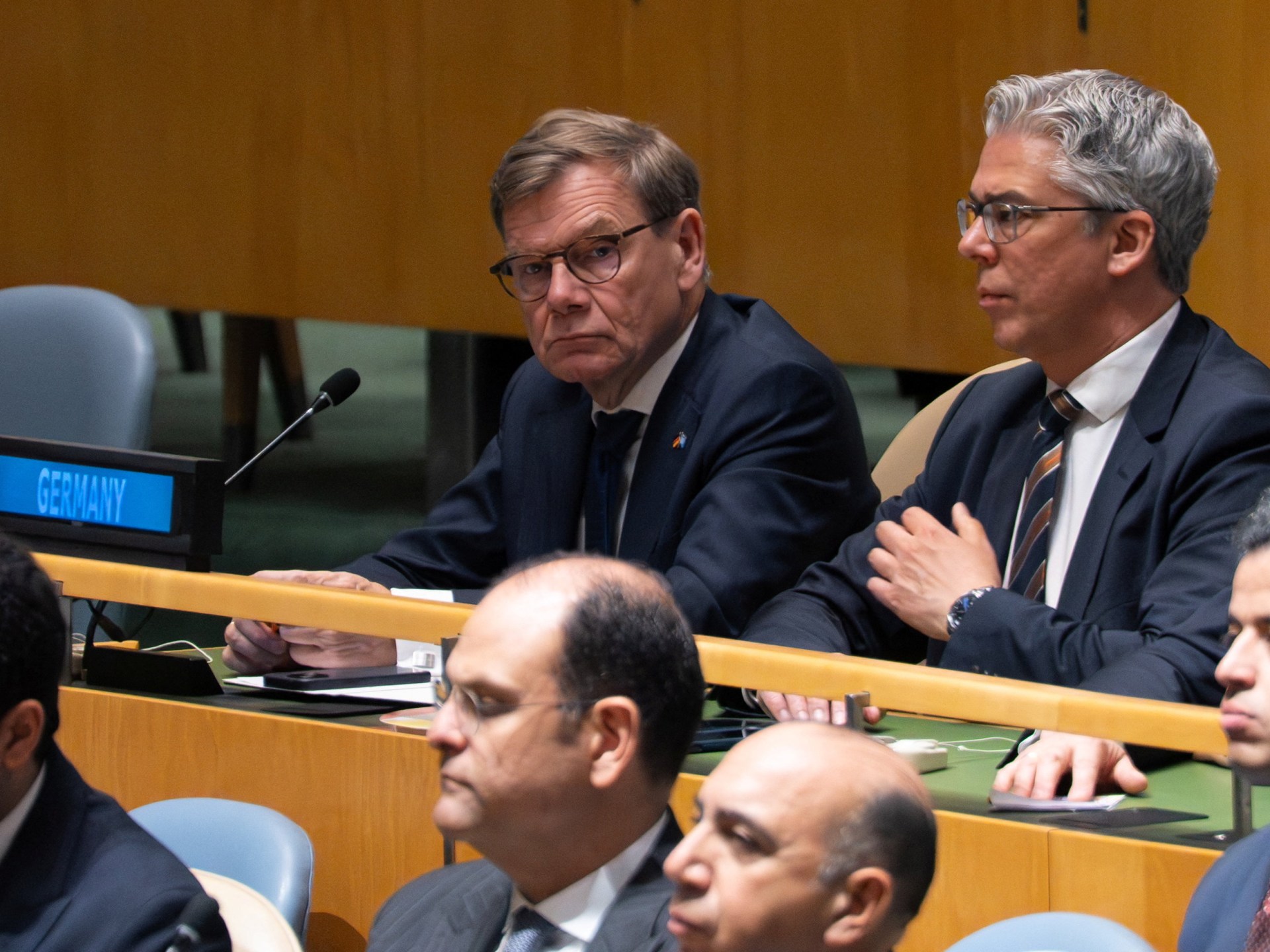
Germany's UN Security Council Aspirations Face Unexpected Hurdle
Germany recently encountered an unprecedented challenge in its long-standing pursuit of a non-permanent seat on the United Nations Security Council (UNSC). For the first time in its history of seeking such a position, the nation was unsuccessful in its bid. This development has prompted introspection among German officials, with some indicating that the country's foreign policy positions, particularly its steadfast support for Israel, may have played a significant role in the outcome.
The Role of International Diplomacy and Regional Blocs
The process of securing a non-permanent seat on the UNSC is a complex one, heavily influenced by regional endorsements and the broader geopolitical landscape. While Germany is a prominent economic and political power, its efforts to garner sufficient international support appear to have fallen short on this occasion. The UNSC, comprising 15 members (five permanent and ten non-permanent), is the UN's most powerful body, responsible for maintaining international peace and security. Gaining a seat offers a nation a direct voice in critical global discussions and decisions, from peacekeeping missions to sanctions.
Exploring Potential Factors Behind the Outcome
While no single factor can definitively explain the election results, internal discussions within Germany have highlighted various possibilities. One prominent theory, as suggested by some German officials, points to the country's consistent and strong support for Israel. In the context of the ongoing Israel-Palestine conflict, Germany's unwavering stance might have alienated a segment of UN member states, particularly those from the Arab and Muslim world, as well as several non-aligned nations, who often advocate for a different approach to the conflict.
"Our strong support for Israel, while a matter of principle for Germany, may have made it more difficult to secure the necessary votes from certain blocs within the UN," an unnamed German diplomat reportedly commented. This sentiment underscores the delicate balance nations must strike in their foreign policy when seeking multilateral support.
The Significance of the Israel-Palestine Conflict in Global Forums
The Israel-Palestine conflict remains one of the most contentious issues on the international agenda, frequently debated within the UN General Assembly and the Security Council. Nations often align themselves based on their historical ties, strategic interests, and perceived moral obligations. Germany's post-Holocaust commitment to Israel's security is a cornerstone of its foreign policy, deeply rooted in its historical responsibility. However, this principled position, while internally consistent, can lead to diplomatic challenges in forums where diverse perspectives on the conflict are prevalent.
Implications for Germany's Future Diplomatic Strategy
This electoral setback is likely to prompt a review of Germany's diplomatic strategy within the UN. While its core foreign policy principles are unlikely to change, the incident may lead to a more nuanced approach in how Germany articulates and implements these principles in multilateral settings. The country might seek to enhance its engagement with a broader range of international partners, focusing on areas of common ground to build wider coalitions. Furthermore, it could intensify its diplomatic efforts to explain its positions more effectively to those who might hold differing views.
Ultimately, the failure to secure a non-permanent UNSC seat for the first time represents a significant moment for German diplomacy. It highlights the complexities of international relations and the intricate interplay of national interests, historical commitments, and global perceptions in the highly competitive arena of UN elections.
Source: Germany admits failure to secure UNSC seat likely due to support for Israel
Related Articles
 world
world
Escalating Tensions: Assessing the Impact of Recent Ceasefire Efforts in Lebanon
 world
world
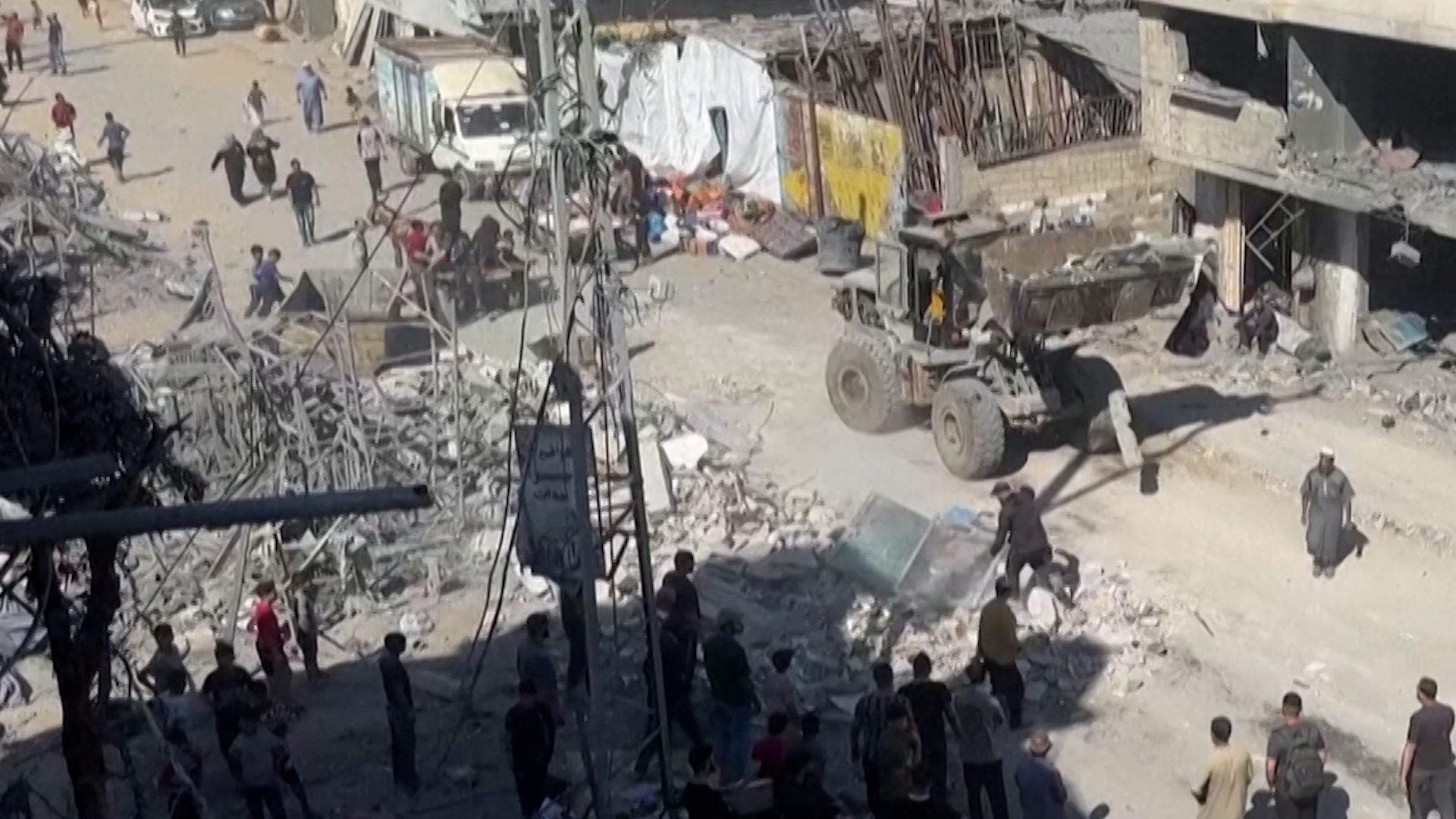
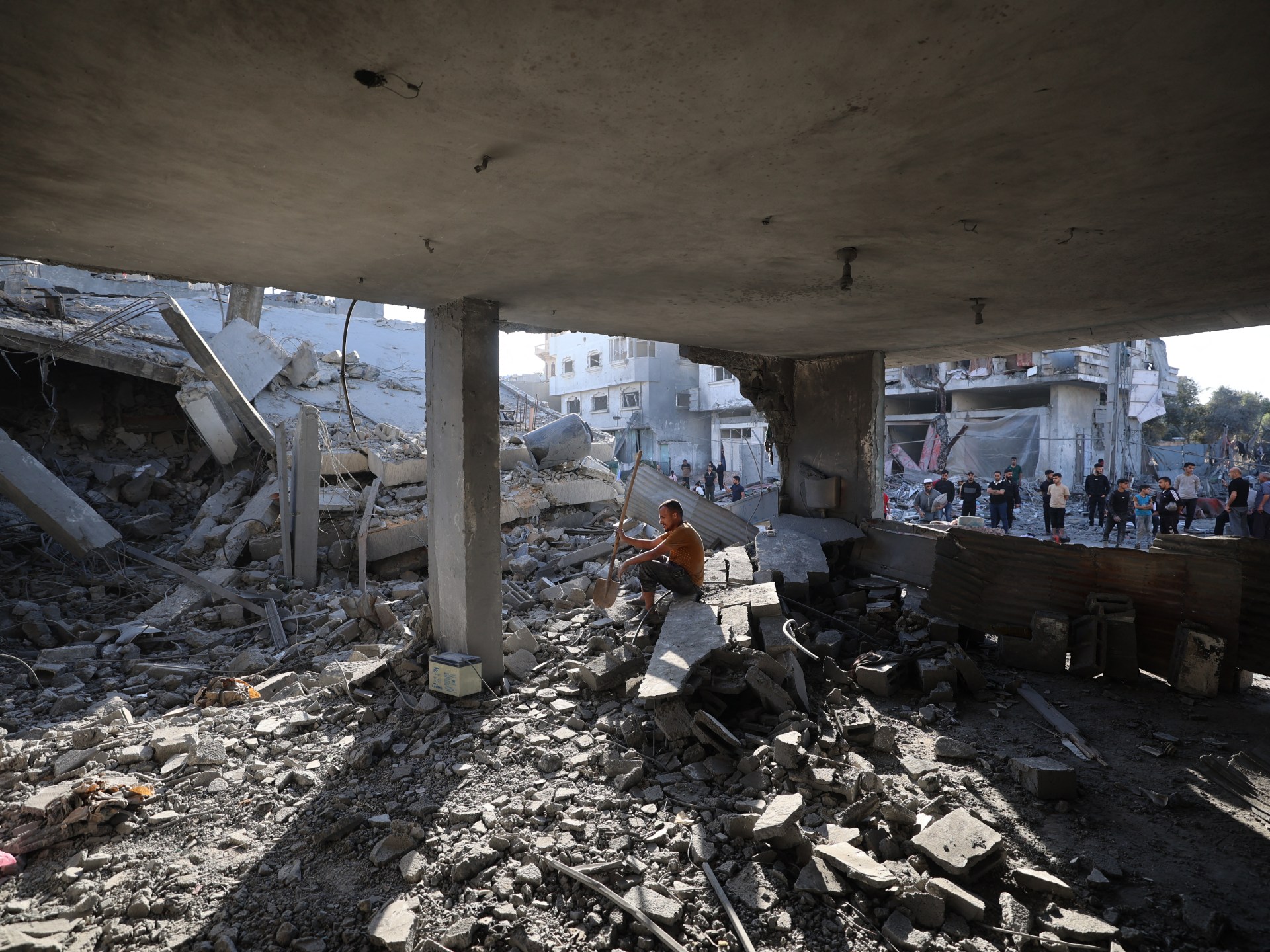
Gaza Residents Begin Cleanup Following Overnight Israeli Strikes
 world
world
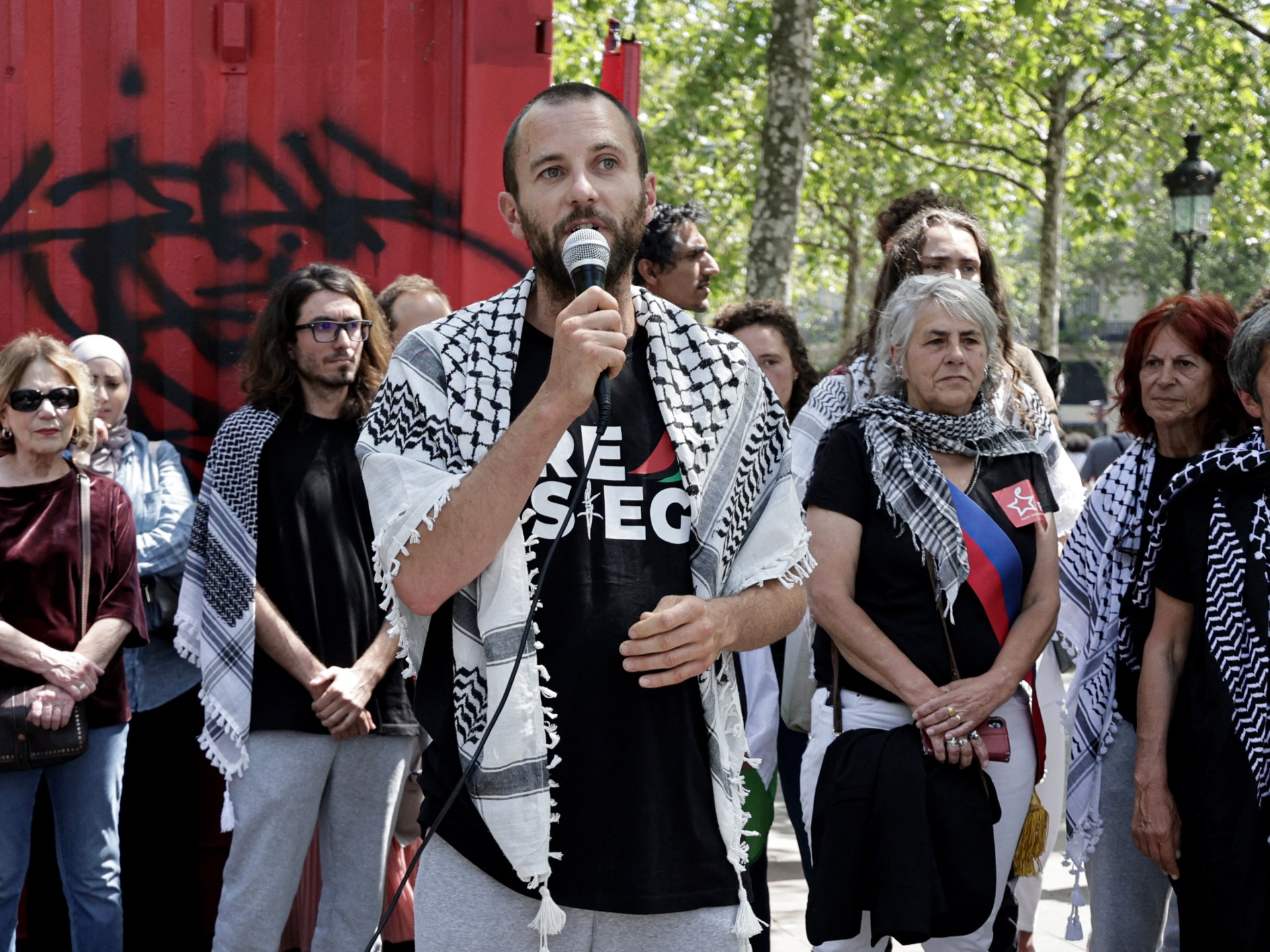
France Initiates Investigation into Allegations of Mistreatment of Gaza Aid Flotilla Activists
 world
world