

Understanding Regional Tensions and Strategic Calculus
The geopolitical landscape of the Middle East is perpetually shaped by a complex interplay of national interests, historical grievances, and strategic alliances. Within this intricate web, the relationship between Israel and Iran stands out as a focal point of regional and international concern. Israeli Prime Minister Benjamin Netanyahu's administration has, at various junctures, signaled a strong stance against perceived threats from Iran, particularly concerning its nuclear program and regional influence. This posture often leads to speculation about potential escalatory actions.
However, any decision to escalate tensions carries significant implications, not only for the immediate parties involved but also for broader regional stability and international relations. Therefore, such decisions are rarely made in isolation, but rather within a framework of both domestic and international considerations.
Incentives for Increased Tensions
Several factors might incentivize an Israeli leader, such as Prime Minister Netanyahu, to consider an escalation of tensions with Iran. Domestically, a robust stance against a perceived external threat can consolidate political support, especially during periods of internal challenge or approaching elections. Highlighting external dangers can rally public opinion and present an image of strong leadership.
Strategically, proponents of a harder line might argue that preemptive action or increased pressure is necessary to neutralize what they view as an existential threat. This could include concerns over Iran's nuclear capabilities, its ballistic missile program, or the activities of its proxy groups in the region, which Israel often views as directly undermining its security.
Furthermore, an escalation could be seen as a way to send a clear message to regional adversaries and international partners about Israel's resolve and its capacity to defend its interests independently. This might be aimed at deterring future actions by Iran or influencing the policies of other nations concerning the region.
External Constraints: The US Factor
Despite potential incentives for escalation, a critical external factor often acts as a significant constraint on Israel's strategic options: the policy of the United States. The US has historically been Israel's most important ally, providing substantial military aid, diplomatic support, and technological cooperation. This deep relationship means that US policy, particularly the stance of the sitting US President, can heavily influence Israeli decision-making.
During the administration of former US President Donald Trump, the dynamics of this relationship presented a unique set of considerations. While President Trump's administration was often perceived as highly supportive of Israel, particularly in its approach to Iran, this support also came with certain expectations and potential limitations. A US President's willingness to back or refrain from backing Israeli military action can be a decisive factor.
The US maintains significant diplomatic and military presence in the Middle East, and any major escalation by Israel would inevitably draw the US into the conflict, at least diplomatically, if not militarily. Therefore, an Israeli Prime Minister must carefully weigh the potential for US support against the risk of alienating a crucial ally or being perceived as acting against broader US strategic interests in the region. The desire to maintain a strong alliance with the US often necessitates a degree of coordination and deference to Washington's strategic priorities.
Furthermore, the US holds considerable leverage through its economic and military aid to Israel. A US President could, theoretically, use this leverage to dissuade actions deemed counterproductive to US foreign policy objectives. This creates a powerful incentive for Israeli leaders to align their strategic decisions with the prevailing US foreign policy agenda, even when domestic pressures might push towards a more assertive stance.
The Balancing Act
Ultimately, an Israeli Prime Minister like Benjamin Netanyahu navigates a complex balancing act. On one side are the perceived national security imperatives and domestic political considerations that might favor a more assertive approach towards Iran. On the other side are the significant geopolitical realities, chief among them the indispensable strategic partnership with the United States. The policy preferences and operational decisions of the US President, therefore, serve as a crucial governor on the extent and nature of Israel's potential escalatory options, shaping the contours of regional stability.
Source: Al Jazeera
Related Articles
 world
world
US Central Command Publishes Footage of Strikes Against Iranian Targets
 world
world
Allegations of Sexual Violence Surface in Israeli Detention Facilities
 world
world
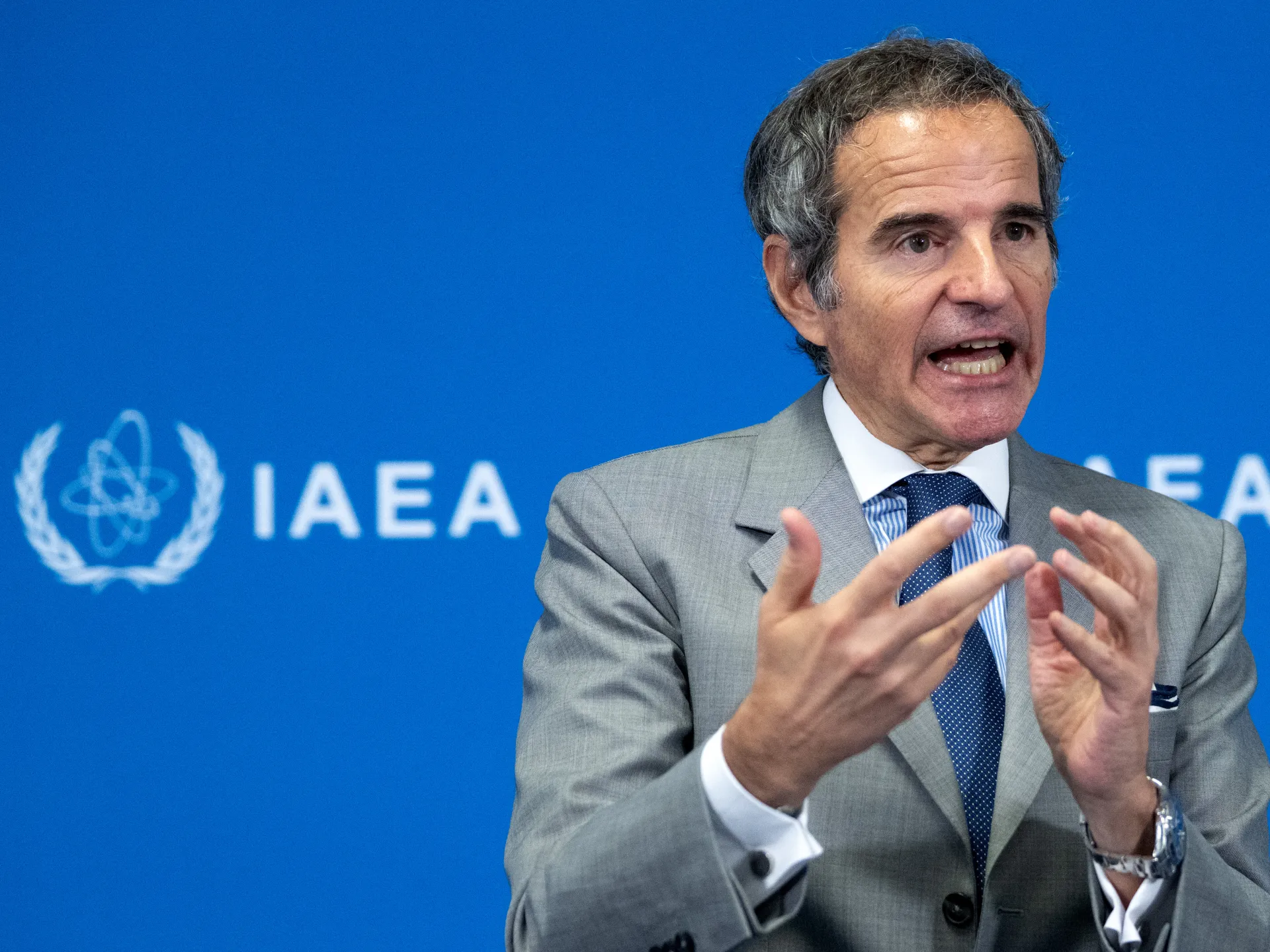
UN Watchdog Demands Iran Account for Enriched Uranium Stockpiles Amid Regional Tensions
 world
world