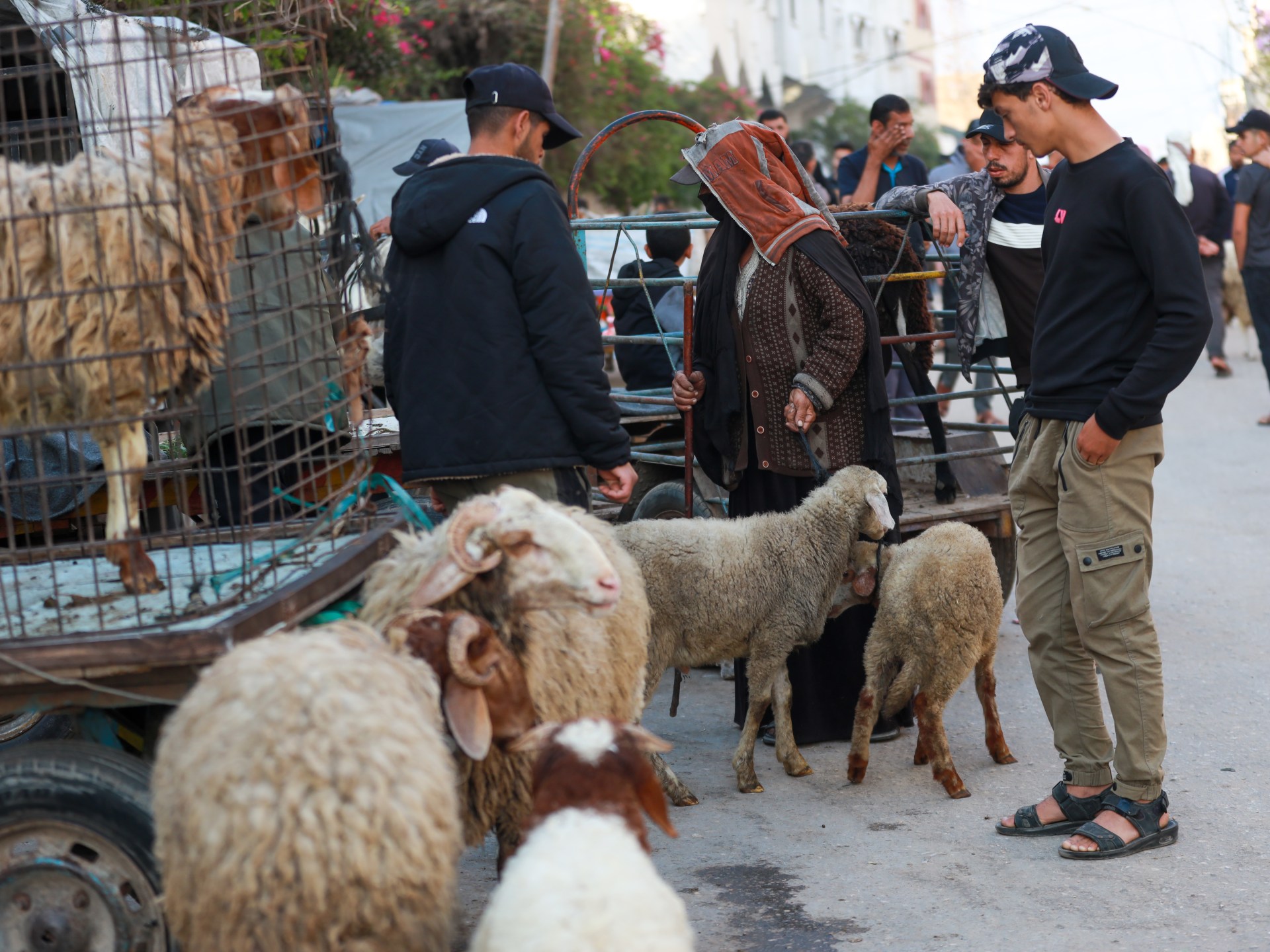
Eid al-Adha Approaches Under Difficult Circumstances
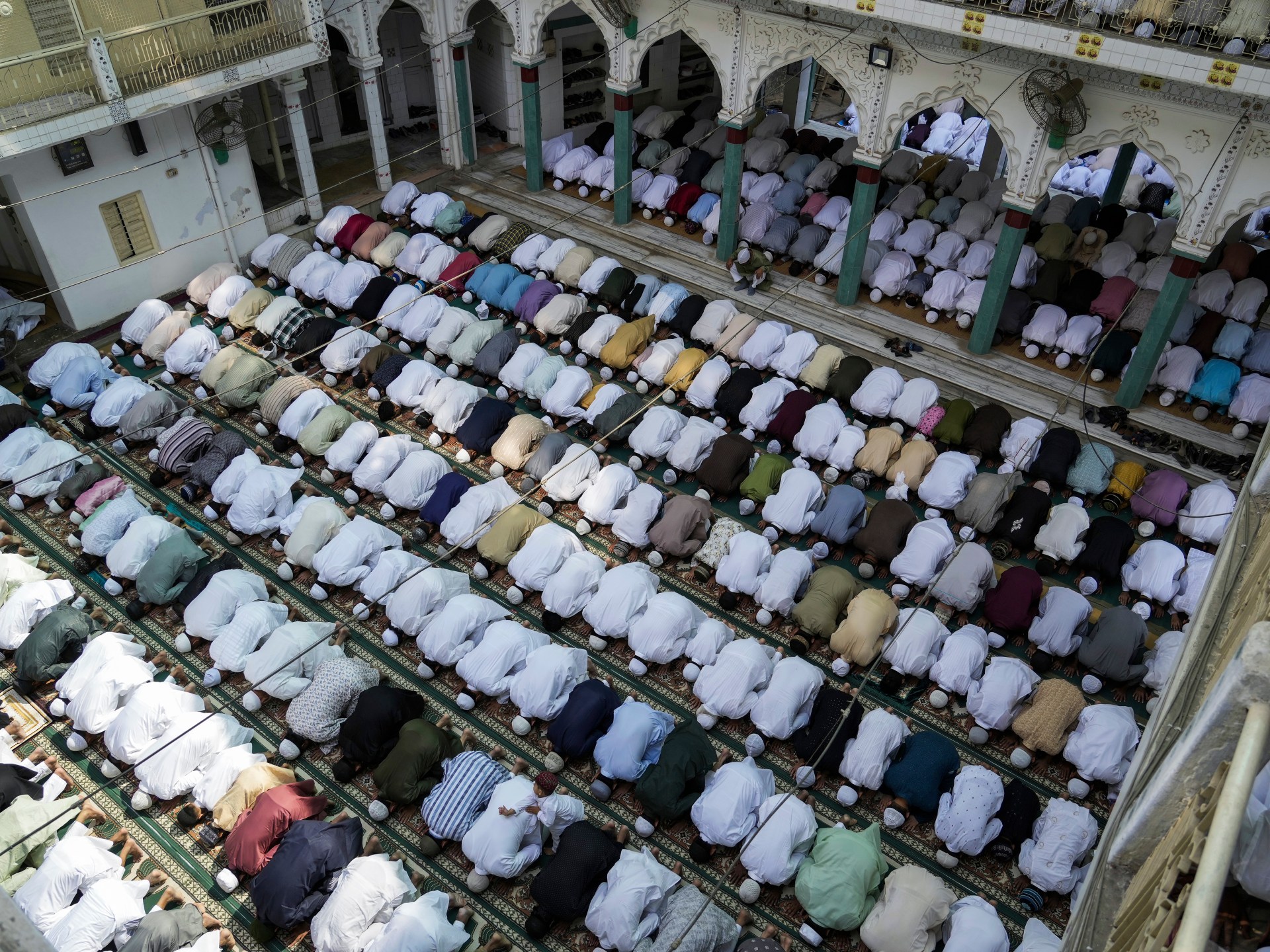
As the holy festival of Eid al-Adha draws near, residents of the Gaza Strip are bracing themselves for a subdued observance, marking the third consecutive year they will celebrate under the shadow of conflict and widespread scarcity. The traditional joyous atmosphere typically associated with this significant Islamic holiday is largely absent, replaced by concerns over essential needs and the ongoing humanitarian crisis.
The Impact of Scarcity on Traditional Practices
Eid al-Adha, also known as the 'Festival of Sacrifice,' traditionally involves the ritual slaughter of livestock, such as sheep, goats, or cows, with the meat then distributed among family, friends, and those in need. This act of sacrifice symbolizes devotion and generosity, fostering community spirit. However, the current situation in Gaza has rendered this central tenet of the holiday largely unattainable for many. The severe restrictions on the entry of goods, coupled with the devastation of local infrastructure and livelihoods, have led to a drastic shortage of available livestock and a significant increase in their cost, placing them beyond the reach of most families.
Beyond the sacrificial animals, the general scarcity of food items, including staples and celebratory treats, further diminishes the capacity for traditional Eid feasts. Families who once gathered for elaborate meals now struggle to secure even basic provisions, transforming what should be a time of communal feasting into another period of nutritional uncertainty.
A Shift in Celebratory Customs
The economic hardships and the prevailing sense of insecurity have compelled many Gazans to significantly alter their customary Eid celebrations. Children, who typically anticipate new clothes, toys, and sweets, are likely to experience a far more modest holiday. The vibrant markets and public spaces that would usually buzz with activity during Eid are expected to remain quiet, reflecting the community's preoccupation with survival and recovery.
Instead of grand festivities, families are focusing on simpler gatherings, emphasizing spiritual reflection and mutual support. The importance of solidarity and resilience within the community has become paramount, as residents lean on each other to navigate the ongoing challenges. Despite the external circumstances, there remains an effort to instill a sense of hope, particularly for the younger generation, by maintaining what traditions are still possible.
Humanitarian Concerns Persist
International organizations and aid agencies continue to highlight the dire humanitarian situation in Gaza, emphasizing the urgent need for unfettered access for aid, including food, medical supplies, and other essential goods. The sustained conflict has exacerbated pre-existing vulnerabilities, leading to widespread displacement, destruction of homes, and a severe strain on healthcare services. The upcoming Eid al-Adha serves as a stark reminder of the human cost of prolonged conflict and the profound impact it has on the cultural and religious life of affected populations.
The international community is called upon to intensify efforts to facilitate a lasting peace and ensure the sustained delivery of humanitarian assistance, enabling the people of Gaza to not only rebuild their lives but also to observe their religious holidays with the dignity and joy they deserve.
Source: Al Jazeera