
The Emergence of a Dangerous Alternative
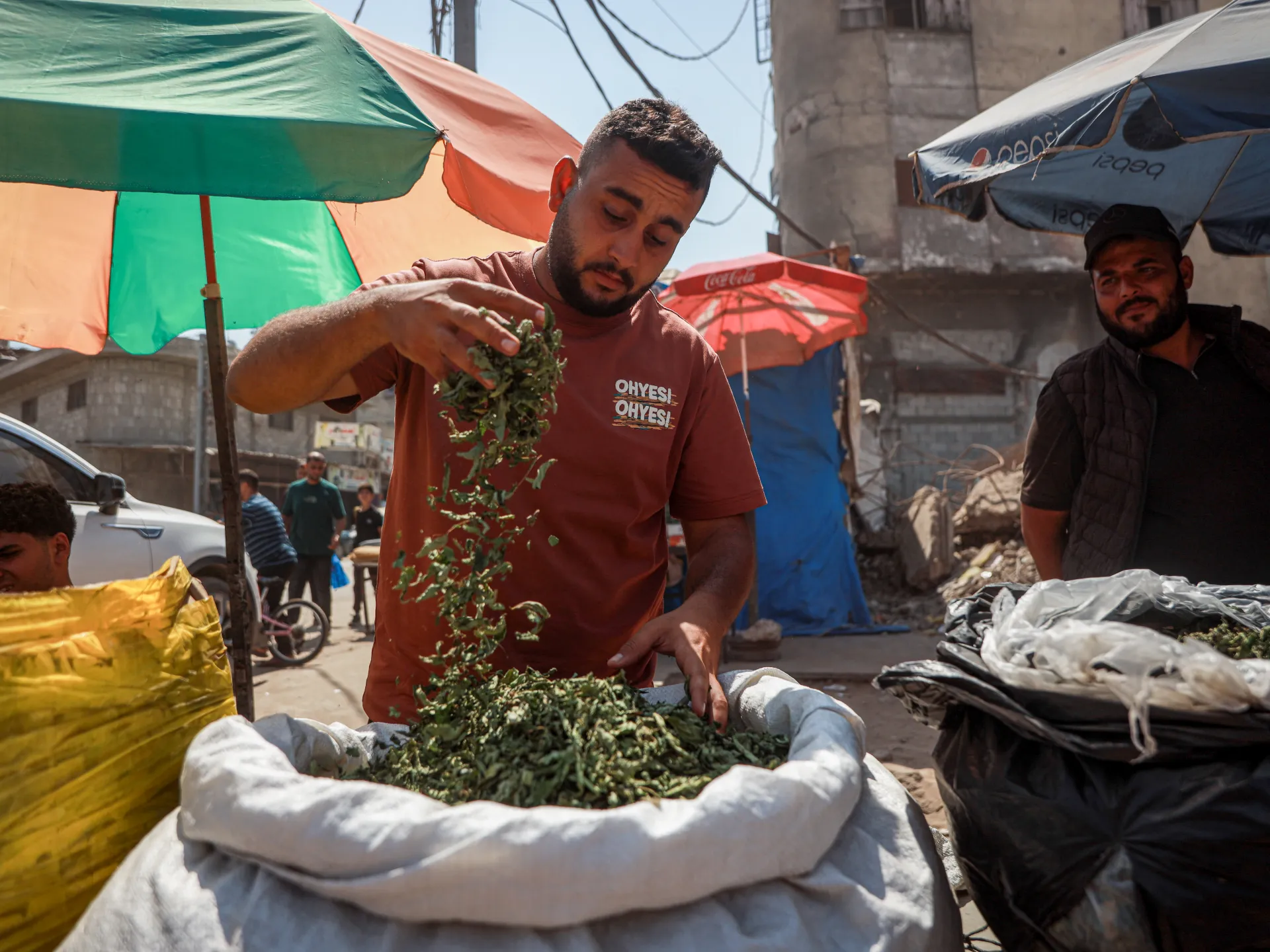
In the heart of Gaza City, a unique and concerning market has emerged along a dusty road near a waste disposal site. Here, makeshift stalls display large plastic bags filled with dried molokhia leaves, alongside a dwindling supply of traditional tobacco products. Molokhia, typically known as a staple ingredient for a thick stew, has taken on a new, hazardous role: a substitute for tobacco in homemade cigarettes.
For residents like Alaa Jundiya, a 27-year-old who has smoked for six years, this shift is a stark reflection of Gaza's current realities. The conflict and subsequent soaring prices have dramatically altered daily life, including personal habits. "A [tobacco] cigarette now costs 100 shekels ($34)… it’s insane," Alaa explains, exhaling smoke that carries the distinct aroma of molokhia. He acknowledges the difference, stating, "It doesn’t even resemble tobacco anymore… but it’s something we use because there are no other options."
As an unemployed father of two, the cost of traditional tobacco has become an unbearable financial burden. He recounts a time before the conflict when various imported tobacco brands were accessible. Now, he says, "We’re smoking whatever we can dry and roll. It’s not a real alternative - it’s just a necessity."
Grave Health Implications
The process of creating these 'molokhia cigarettes' involves drying and crushing the leaves, then mixing them with liquid nicotine. While official health data from Gaza's Ministry of Health is not available, medical professionals in respiratory and cardiac departments have reported a rise in cases of suffocation, breathing difficulties, and facial discoloration, all linked to the consumption of these improvised cigarettes.
Dr. Ahmed Saeed al-Jadba, a consultant in ear, nose, and throat specialties, expresses significant concern, suggesting that burning molokhia might pose even greater dangers than conventional tobacco, potentially elevating the risk of cancer. He highlights the hazardous additives found in these mixtures, which often include liquid nicotine—a recognized carcinogen—and, disturbingly, industrial substances such as pest control agents or battery oils. This combination renders the mixture highly toxic.
"When these materials are burned, they release toxic gases like carbon monoxide and tar," Dr. al-Jadba elaborates. "These are the same harmful compounds found in traditional tobacco and are major causes of cancer and cellular damage over time." He further notes that many patients seeking medical attention present with severe coughing, hoarseness, and discolored phlegm, with some even diagnosed with pre-cancerous lesions on their vocal cords.
Addiction and Desperation
Alaa Jundiya himself has experienced the severe dangers of liquid nicotine firsthand. He vividly recalls an incident where a broken syringe in his pocket caused the substance to leak onto his skin, resulting in severe irritation and a four-hour period of unconsciousness. "It caused severe burns and penetrated the tissue. I would have died without God’s mercy," he asserts, adding that he has heard of numerous similar incidents in local markets, some leading to serious injury or even fatalities due to improper handling of nicotine.
Despite this harrowing experience and full awareness of the risks, Alaa admits that addiction and overwhelming economic pressures override his attempts to quit. "In difficult conditions like ours in Gaza, we need smoking just to relieve pressure… something to release all this stress," he states with a sense of resignation. "Isn't everything in our life harmful anyway?"
Economic Pressures Fueling a Trend
The proliferation of molokhia mixed with nicotine is also a symptom of the struggle faced by street vendors. Abdul Karim Heles, a 36-year-old vendor displaced from Shujayea, has been selling tobacco for years. His livelihood, once modest, has become increasingly precarious due to Israeli restrictions on imports into Gaza since the onset of the conflict. These restrictions, which have also impacted food and humanitarian aid, have made traditional tobacco products scarce.
Heles explains that the shift isn't just in trade conditions but in customer behavior. As legal cigarette prices soar dramatically—from 15 shekels ($5.15) before the war to as much as 500 or 600 shekels ($171 or $205) currently—people are forced to seek unconventional, cheaper alternatives. The idea of using herbs like molokhia with nicotine spread as an emergency workaround, a desperate improvisation driven by scarcity. However, Heles is acutely aware of the health risks. "Using raw nicotine with herbs is dangerous… it’s a toxic substance and can cause death," he warns, citing recent market incidents where individuals reportedly died instantly after consuming nicotine.
He notes that molokhia has become the preferred base because it "holds the substance" better than other plants. "Nicotine doesn’t stick to all herbs," he explains. "Molokhia holds it... that’s why it became so widespread, despite all the warnings." The preparation is entirely unregulated and rudimentary, far removed from any safety standards.
A Cycle of Despair and Addiction
Hassan Hujan, 40, a smoker since 2017, now relies on molokhia cigarettes. "Honestly, I’m afraid for my health… but what’s available is not a real alternative," he confesses. He describes waking up with shortness of breath and dark phlegm, symptoms that have prompted multiple failed attempts to quit. Yet, the constant psychological stress and the perceived lack of cigarettes exacerbate his anger and irritability.
Like countless others in Gaza, Hassan is merely trying to cope in an environment where the future remains uncertain. "I can barely feed my four children… my situation is suffocating," he laments, highlighting his displacement and the harsh conditions of living in a tent. The sharp increase in prices, coupled with shortages, has dramatically reduced demand for traditional tobacco, not due to health consciousness, but simply because it is no longer affordable. This leaves many with no choice but to turn to dangerous, unregulated substitutes, perpetuating a cycle of health risks and despair in an already suffering population.
Source: Original Article
Related Articles
 health
Ebola Outbreak in DRC Expected to Worsen Before Improvement, Red Cross Warns
 health
DRC Ebola Outbreak Intensifies Amidst Conflict and Containment Challenges
 health
US Preparedness for Ebola Amid World Cup: A Comprehensive Overview
 health