
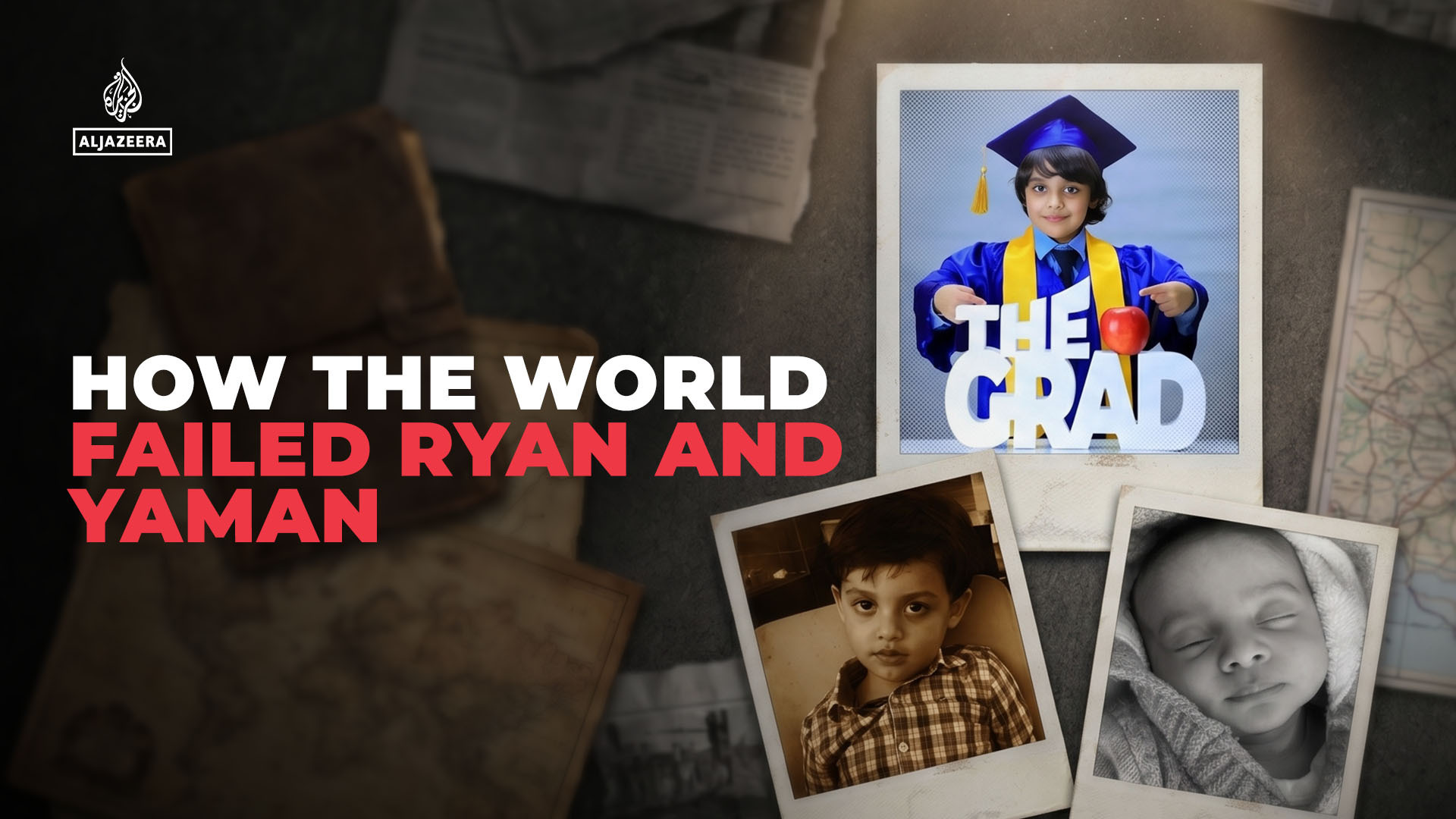
The Human Toll of Conflict in Gaza
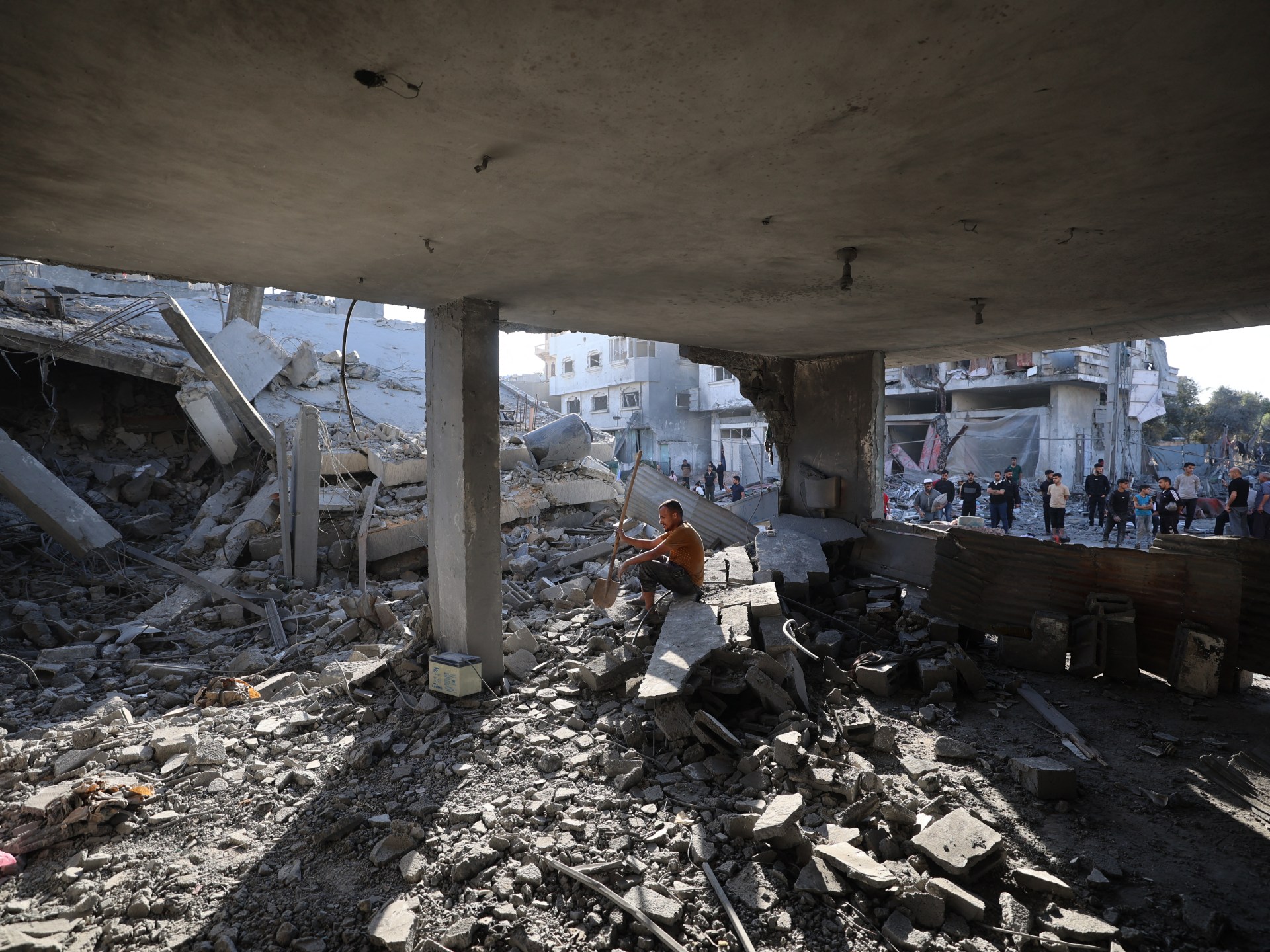
The ongoing conflict in the Gaza Strip continues to exact a devastating human toll, particularly on the civilian population. Amidst the broader geopolitical discussions and military strategies, the individual stories of loss and suffering often highlight the profound and irreversible consequences of armed hostilities. One such harrowing account brings to light the anguish of a mother who lost her children during Israeli strikes on the territory.
A Mother's Unimaginable Loss
The narrative of a mother grappling with the death of her children in such circumstances underscores the severe impact of conflict on families. For many residents of Gaza, the constant threat of violence and the reality of destruction have become an inescapable part of daily life. The specific incident involving this mother's children serves as a poignant reminder of the vulnerabilities faced by non-combatants, especially the young, in areas of active conflict.
The loss of a child is an unbearable tragedy, amplified exponentially when it occurs amidst the chaos and violence of war. Such incidents compel a re-evaluation of the protections afforded to civilians in conflict zones.
International Community's Role and Responsibilities
The question of how the international community addresses and responds to such tragedies is frequently raised. Critics often point to a perceived failure to adequately protect civilians or to hold parties accountable for actions that result in civilian casualties. The complexities of international law, humanitarian aid, and diplomatic efforts are constantly tested in regions like Gaza, where cycles of violence persist.
- Protection of Civilians: International humanitarian law mandates the protection of civilians in armed conflict, requiring all parties to distinguish between combatants and non-combatants and to take precautions to avoid civilian harm.
- Accountability: Calls for accountability often follow incidents involving civilian deaths, with demands for investigations into alleged breaches of international law.
- Humanitarian Aid: The delivery of essential aid, including medical supplies, food, and shelter, becomes critically important in areas affected by conflict, yet often faces significant logistical and political hurdles.
The repeated cycles of violence in Gaza have led to a humanitarian crisis, with infrastructure damage, displacement, and a severe impact on mental health, particularly among children. The long-term effects of living in a conflict zone are profound, shaping generations and perpetuating cycles of trauma.
Seeking Paths to Resolution and Peace
While the immediate focus often remains on the humanitarian response and cessation of hostilities, the broader aspiration for lasting peace and stability in the region remains elusive. Efforts by international bodies, non-governmental organizations, and individual nations continue, aiming to address the root causes of the conflict and to foster dialogue. However, progress is often slow and fraught with challenges, leaving many civilians, like the mother in this account, to bear the brunt of an unresolved political landscape.
The stories of those directly affected by the violence serve as powerful reminders of the urgent need for effective mechanisms to protect human lives and to work towards sustainable peace, ensuring that such tragedies are not repeated.
Source: Al Jazeera
Related Articles
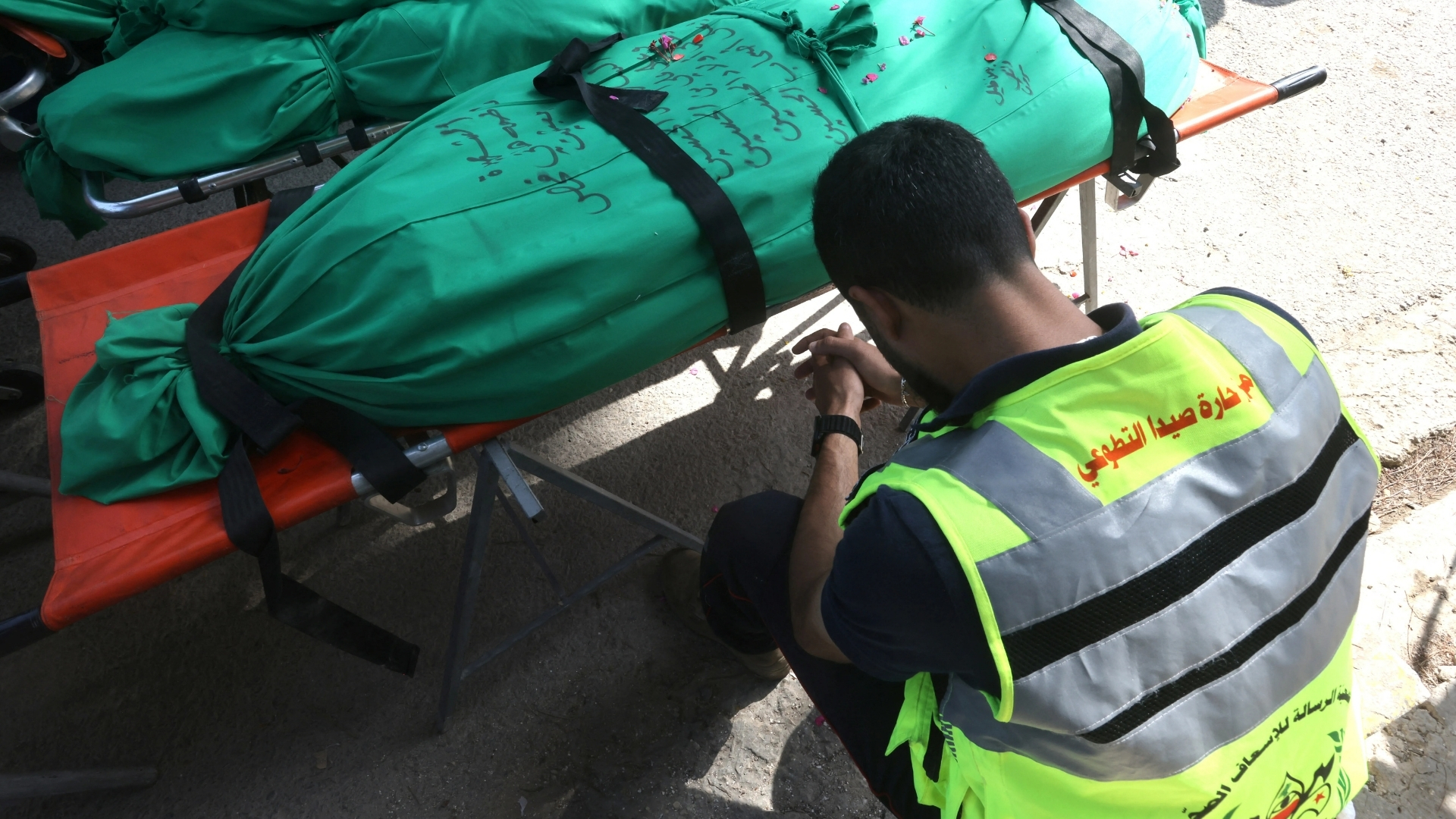 world
world
Escalating Tensions: Assessing the Impact of Recent Ceasefire Efforts in Lebanon
 world
world
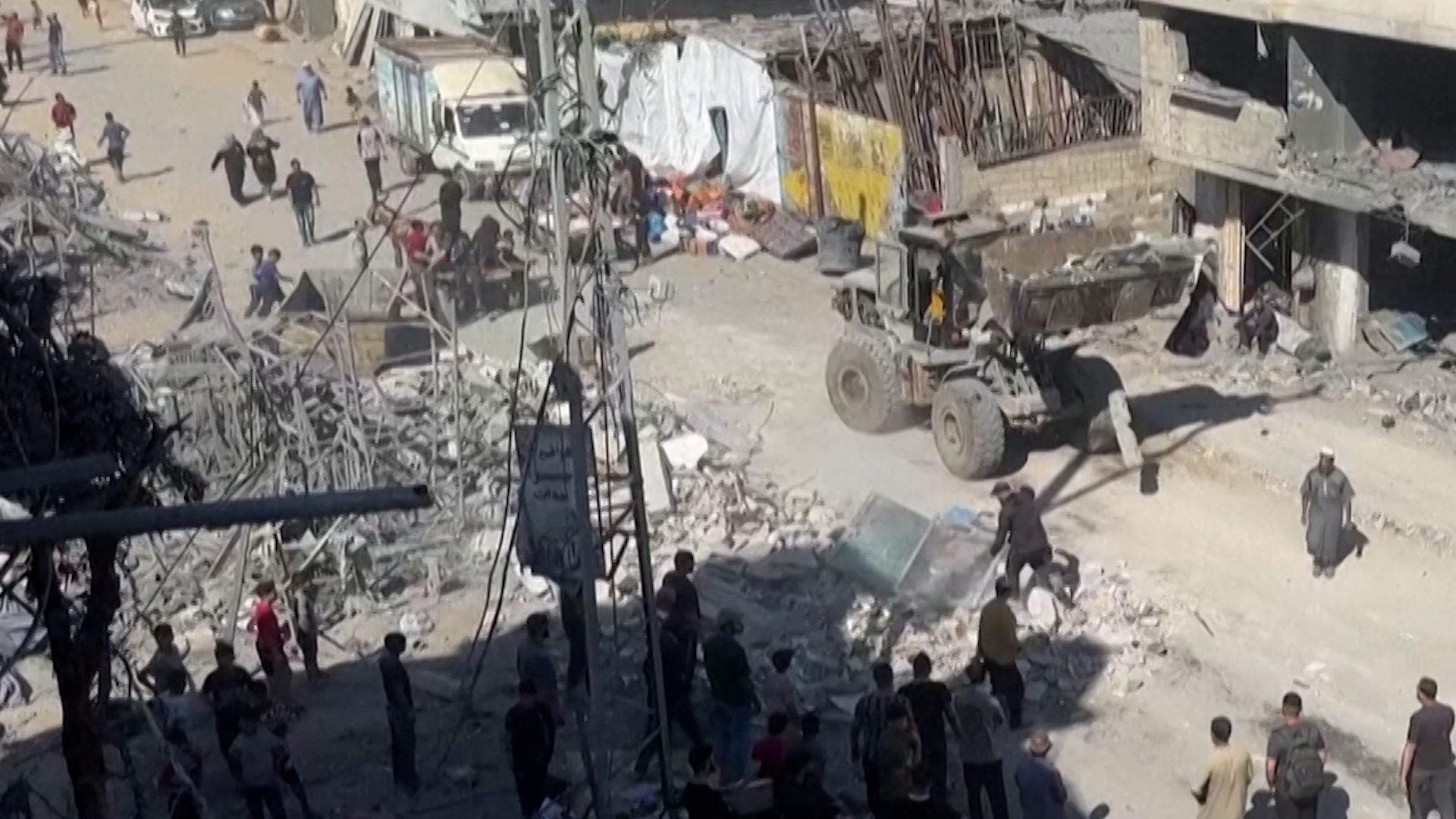
Gaza Residents Begin Cleanup Following Overnight Israeli Strikes
 world
world
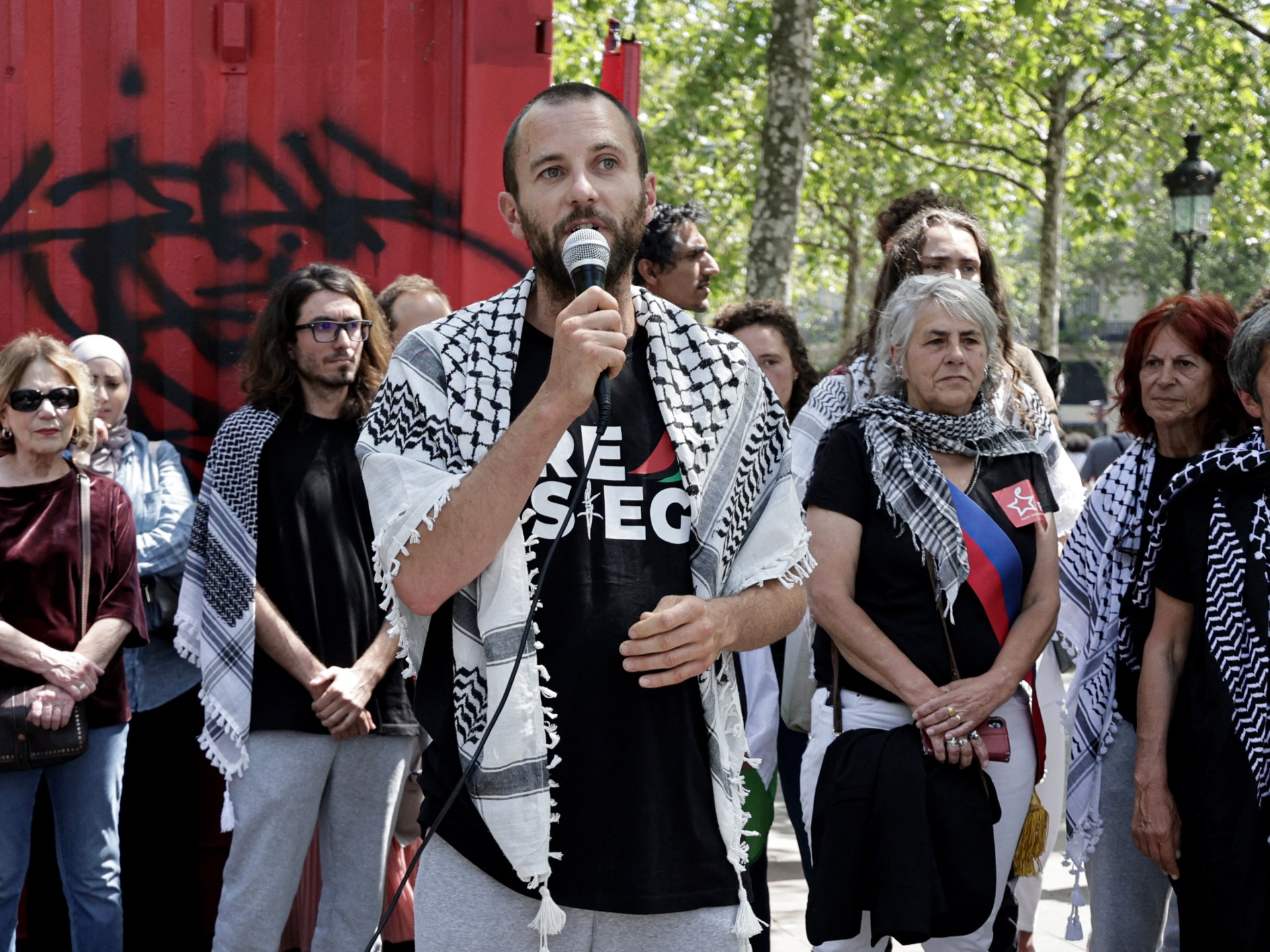
France Initiates Investigation into Allegations of Mistreatment of Gaza Aid Flotilla Activists
 world
world