
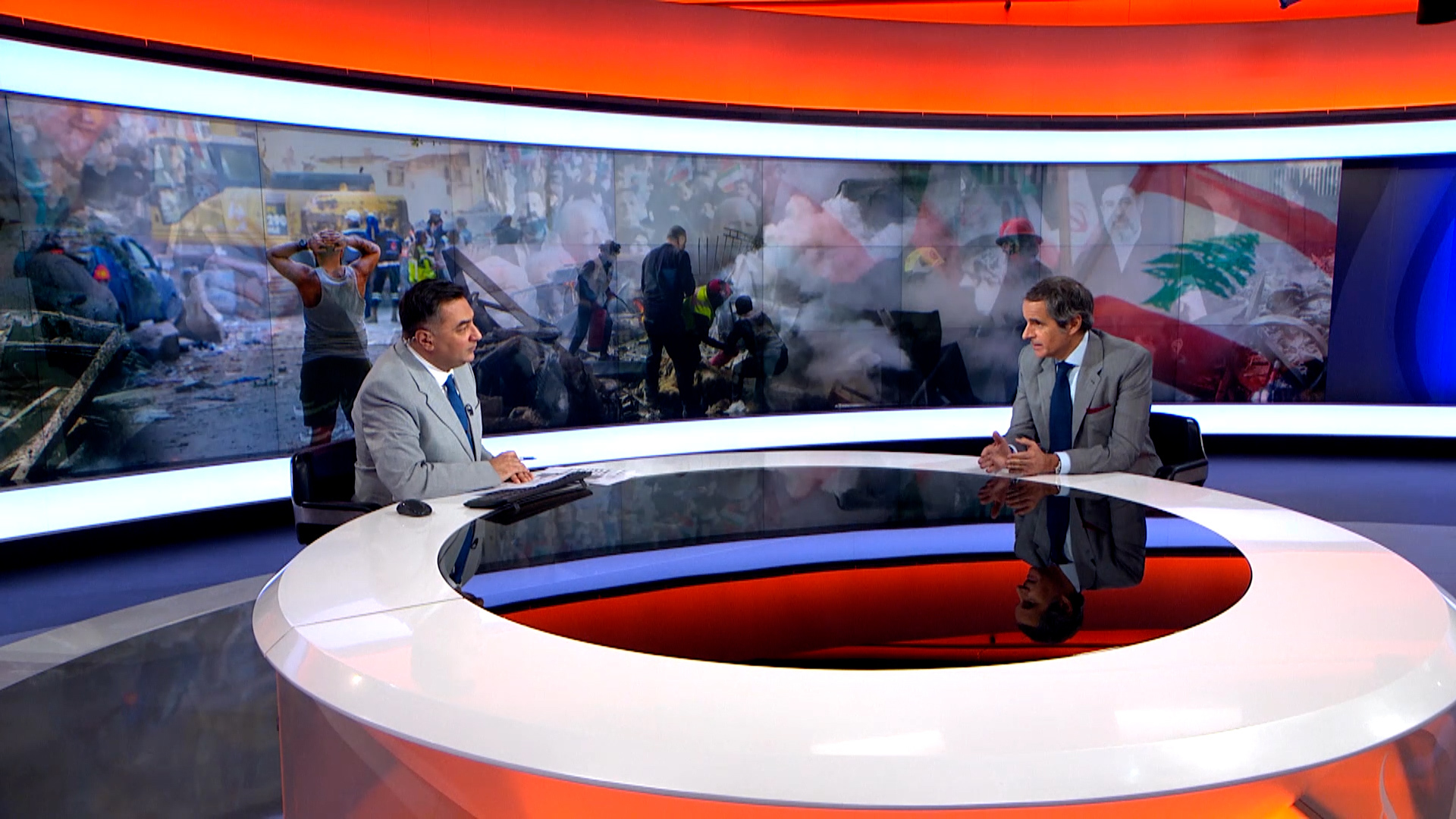
IAEA Chief Comments on Iran Nuclear Deal's Evolution
Rafael Grossi, the Director General of the International Atomic Energy Agency (IAEA), has stated that the framework of the 2015 Iran nuclear agreement, formally known as the Joint Comprehensive Plan of Action (JCPOA), is no longer considered a viable model for future negotiations. This assessment suggests that any potential new accord addressing Iran's nuclear program would need to incorporate significant changes and adjustments to reflect current geopolitical realities and technological advancements.
The 2015 JCPOA: A Brief Overview
The JCPOA was a landmark agreement reached between Iran and the P5+1 group of world powers—China, France, Germany, Russia, the United Kingdom, and the United States—along with the European Union. Its primary objective was to ensure that Iran's nuclear program remained exclusively peaceful in exchange for the lifting of international sanctions. Key provisions of the deal included:
- Significant reductions in Iran's enriched uranium stockpile.
- A cap on the level of uranium enrichment.
- Limitations on the number and type of centrifuges Iran could operate.
- Redesigning the Arak heavy water reactor to prevent plutonium production.
- Enhanced inspections and monitoring by the IAEA to verify Iran's compliance.
The agreement was widely hailed at the time as a diplomatic achievement that averted a potential nuclear proliferation crisis in the Middle East.
Challenges and Disruptions to the Original Agreement
Despite its initial success, the JCPOA faced considerable challenges. In 2018, the United States, under the Trump administration, unilaterally withdrew from the agreement, citing concerns that it did not adequately address Iran's ballistic missile program or its regional activities. Following this withdrawal, the U.S. reimposed stringent sanctions on Iran, prompting Tehran to gradually roll back its commitments under the deal. This series of actions led to a significant deterioration of the agreement, with Iran increasing its uranium enrichment levels and expanding its nuclear activities beyond the limits set by the JCPOA.
Rationale for a 'Different' Future Deal
Grossi's assertion that a future deal will look 'very different' stems from several factors. The current state of Iran's nuclear program is considerably more advanced than it was in 2015. Iran has accumulated a larger stockpile of enriched uranium, including material enriched to higher levels, and has made progress in its centrifuge technology. These developments mean that simply reverting to the original terms of the JCPOA might not be sufficient to address contemporary proliferation concerns.
Furthermore, the geopolitical landscape has shifted. Relations between the signatory nations have evolved, and new regional dynamics have emerged. Any new agreement would likely need to consider these altered circumstances to be effective and sustainable. The experience of the JCPOA's partial collapse also highlights the need for a more robust and resilient framework that can withstand political pressures and ensure long-term stability.
Potential Elements of a New Agreement
While specific details remain speculative, a future agreement could potentially include:
- Stricter and longer-term limitations on Iran's enrichment capabilities and stockpile.
- Enhanced verification and monitoring mechanisms for the IAEA, possibly including access to additional sites or technologies.
- Provisions that address Iran's ballistic missile program, which was a significant point of contention in the original deal.
- Consideration of Iran's regional security role and its potential impact on nuclear stability.
- A more comprehensive approach to sanctions relief and economic incentives, designed to ensure greater compliance from Iran.
The imperative for a new approach underscores the complex and multifaceted nature of nuclear diplomacy, especially when dealing with programs that have advanced significantly since previous agreements were forged.
The international community, particularly the remaining signatories to the JCPOA, continues to emphasize the importance of diplomatic solutions to prevent nuclear proliferation. Grossi's remarks serve as a clear indication that while the goal of a peaceful Iranian nuclear program remains, the path to achieving it will require innovative and adaptable strategies that move beyond the blueprint of the 2015 agreement.
Source: Al Jazeera
Related Articles
 world
world
Escalating Tensions: Assessing the Impact of Recent Ceasefire Efforts in Lebanon
 world
world
Gaza Residents Begin Cleanup Following Overnight Israeli Strikes
 world
world
France Initiates Investigation into Allegations of Mistreatment of Gaza Aid Flotilla Activists
 world
world