
Anticipation Builds for Quarterfinal Clash
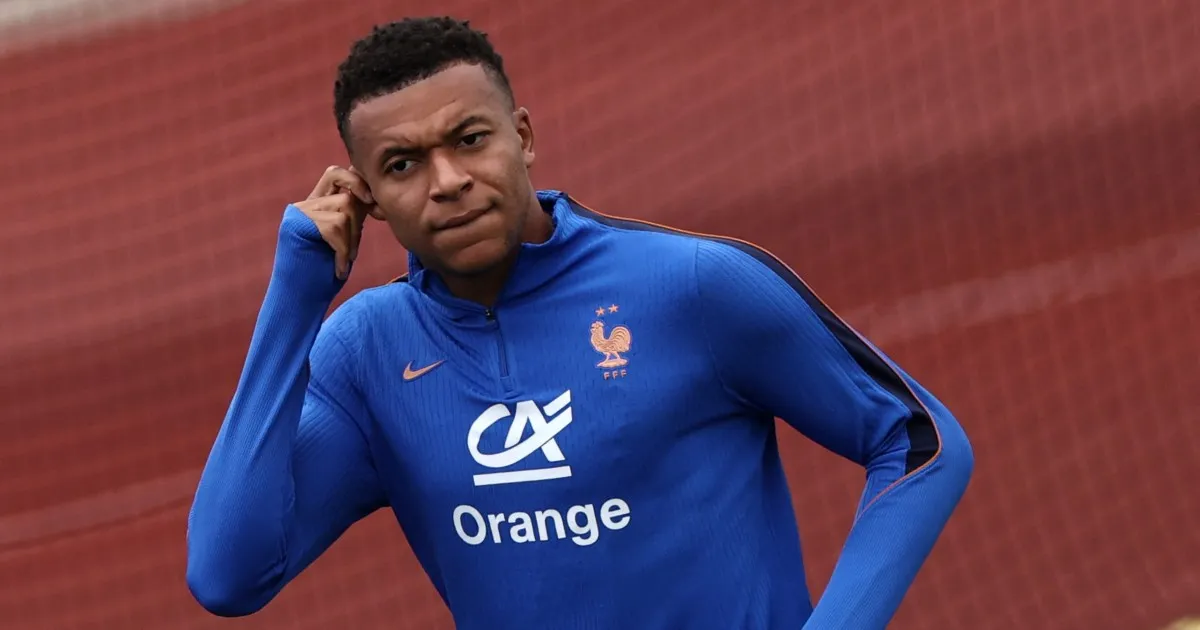
The FIFA World Cup quarterfinals are set to feature a compelling showdown between France and Morocco at Foxborough Stadium, near Boston, USA. This match marks a significant rematch of the 2022 World Cup semifinal, where France emerged victorious over the Moroccan squad. France has demonstrated exceptional form throughout the current tournament, showcasing dynamic attacking play. Their journey to the quarterfinals included a hard-fought 1-0 victory against Paraguay in the round of 16, secured by a penalty from star player Kylian Mbappe.
Morocco, on the other hand, has also impressed with their performance, notably dominating Canada with a 3-0 win in the round of 16. Their group stage campaign saw them secure a draw against Brazil and achieve comfortable victories over Haiti and Scotland, positioning them as a formidable opponent for France. The upcoming quarterfinal is generating considerable interest due to the teams' recent history and their current strong showings.
A Deep-Rooted Rivalry and Evolving Status
The historical context between France and Morocco adds another layer of intrigue to this football encounter. Four years ago, France ended Morocco's memorable run in the Qatar 2022 World Cup semifinals with a 2-0 win, before ultimately losing to Argentina in the final. While France remains a strong favorite, Morocco has significantly elevated its status in global football, now widely considered a genuine World Cup contender. Moroccan coach Mohamed Ouahbi articulated this shift after their victory against Canada, stating, "We're no longer a surprise today, and that's a great source of pride. I think this is only the beginning, and I hope we'll keep producing this kind of run for many years."
Ouahbi has emphasized that revenge is not the primary motivator for his team, asserting, "We want to go as far as possible and make our people proud." However, the historical ties between the two nations, including Morocco's past as a French colony and the substantial Moroccan diaspora in France (exceeding 700,000 individuals), inevitably infuse the match with added significance. A victory against their former colonizer would undoubtedly be particularly gratifying for the Atlas Lions.
The Challenge of Containing France's Attack
France boasts an array of offensive talent that poses a significant threat to any opponent. Kylian Mbappe has been a prolific scorer in the 2026 World Cup, tallying seven goals and currently sharing the top spot in the Golden Boot race with Lionel Messi and Erling Haaland. The French squad also features Ousmane Dembele, the current Ballon d’Or winner, who registered a hat-trick against Norway in the group stages, alongside other world-class attackers. Morocco, renowned for its disciplined and compact defensive structure, will face a substantial challenge in neutralizing France's potent offense. Their ability to frustrate a persistent Paraguay side suggests they possess the defensive capabilities to do so.
Morocco's defensive strength is anchored by goalkeeper Yassine Bounou, who consistently delivers exceptional performances on the World Cup stage, and Achraf Hakimi, widely regarded as one of the world's premier right-backs. The team's solid central defenders and an industrious midfield also contribute to their robust defensive screen, making them a difficult team to break down.
France's Adaptability and Resilience
While France has captivated audiences with its attacking prowess throughout the tournament, their recent match against Paraguay demonstrated a different facet of their game: resilience and the ability to navigate a physically demanding contest. In a match described as a 'trench war,' France successfully resisted Paraguay's aggressive tactics for 90 minutes. This display of grit, often referred to as the 'dark arts' of football, is a recognized part of the sport's history.
France's capacity to overcome such challenges, unlike Germany who were eliminated by South American opposition, and to do so within regular time, unlike Argentina who needed extra time to defeat Cape Verde, highlights their mental fortitude. Despite a refereeing performance that saw no yellow cards issued to Paraguay, France advanced to the quarterfinals, proving they are as capable in a physical battle as they are with the ball. As second-half substitute Rayan Cherki commented, "We reminded everyone that France are not just about playing football. To anyone who wants to go to war with us, this is what you should expect."
Morocco's Coaching Strategy Pays Dividends
Morocco's remarkable progress in the 2022 World Cup, which saw them reach the semifinals, occurred despite a coaching change just three months before the tournament. The team has repeated this strategy for the 2026 finals, hosted across Canada, Mexico, and the United States, and it appears to be yielding positive results. Coach Mohamed Ouahbi has proven to be an inspired replacement for Walid Regragui, who resigned after the Africa Cup of Nations earlier this year.
Ouahbi implemented significant changes in personnel and tactical approaches, notably deploying Ismael Saibari in a 'false nine' role and pushing midfielder Azzedine Ounahi further up the pitch. These adjustments have had an immediate impact, with Ounahi scoring twice against Canada, contributing to Morocco becoming the first team to secure a spot in the last eight.
Suspension Concerns for France
A potential concern for France heading into the quarterfinal is the looming threat of suspensions. Bradley Barcola, Manu Kone, and Michael Olise each received a yellow card in their previous match, meaning another booking against Morocco would rule them out of a potential semifinal. While France coach Didier Deschamps has options, such as Desire Doue who earned a penalty against Paraguay, to cover for Barcola's absence, finding suitable replacements in midfield if Kone is suspended could be challenging. The absence of Olise, who has been a standout performer for France in the tournament, would be a particularly significant blow for Les Bleus should he incur a suspension.
Source: Original Article
Related Articles
 sports
Egyptian Fans Reflect on Heartfelt World Cup Departure
 sports
Australian Footballer Awer Mabil Responds to Politician's Comments on National Identity
 sports
Egyptian Coach Urges World Cup Voices to Address Palestinian Children's Plight
 sports