
Overview of Geopolitical Tensions and Regional Impact
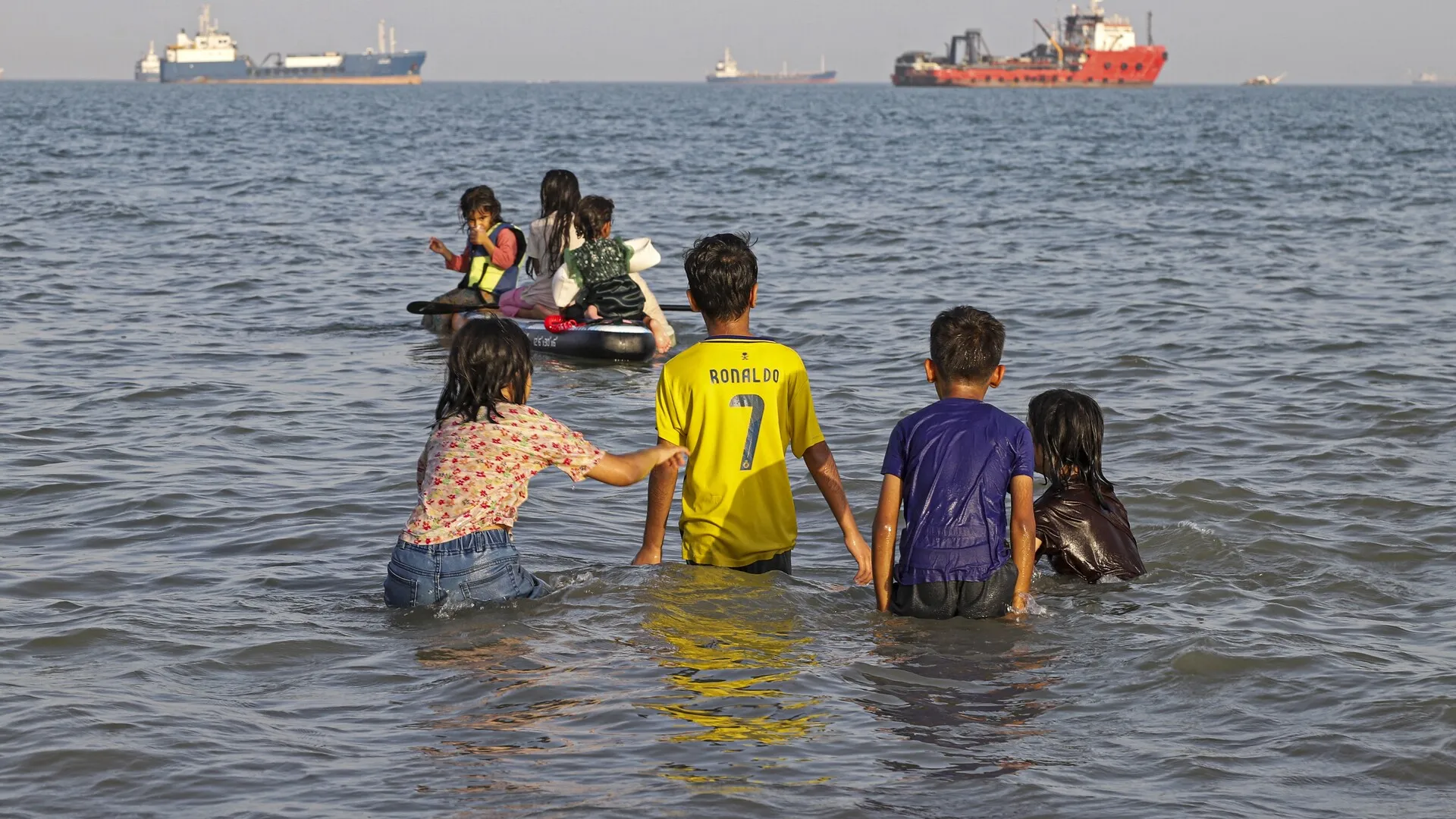
The relationship between the United States and Iran has been characterized by periods of heightened tension, often leading to military posturing and, at times, direct engagement. Recent developments indicate that Iran's southern coastal areas are increasingly becoming focal points in this geopolitical dynamic. While international discussions often revolve around potential future military actions, reports suggest that these regions are already experiencing the tangible effects of ongoing US military operations.
The Southern Coast: A Diverse and Vulnerable Region
Iran's southern coastline, stretching along the Persian Gulf and the Gulf of Oman, is a region of significant geographical and cultural diversity. It encompasses a variety of ecosystems, from arid desert landscapes to vital marine environments, supporting a range of economic activities including fishing, trade, and oil production. Numerous communities, both large and small, are situated along this extensive coast, many of which are reliant on the sea for their livelihoods. The strategic importance of these waters, particularly for global energy transportation, further amplifies their vulnerability in times of conflict.
These coastal communities are characterized by a rich tapestry of ethnic groups, languages, and traditions, contributing to the unique cultural fabric of Iran. Historically, these areas have served as crucial maritime gateways, fostering trade and cultural exchange with neighboring countries. However, their proximity to international shipping lanes and their strategic location also place them at the forefront of any regional instability. The sustained presence of military activities, whether surveillance, interdiction, or direct engagement, inevitably introduces stressors on the daily lives of the residents and the integrity of the local environment.
Reported Consequences for Local Populations
Accounts from the region suggest that the populations inhabiting Iran's southern coast are bearing a considerable burden due to the ongoing military activities. While the specifics of these impacts can vary, they often include disruptions to traditional livelihoods, such as fishing and maritime trade, which are critical for economic stability. The presence of military assets and the potential for conflict can create an atmosphere of uncertainty and fear, affecting community well-being and mental health. Furthermore, environmental consequences, such as pollution from military exercises or damage to marine ecosystems, could have long-term repercussions for the region's natural resources and the communities that depend on them.
The infrastructure in these coastal areas, which includes ports, transportation networks, and essential services, may also face indirect or direct threats. Any damage or disruption to these facilities could severely impede the ability of communities to function effectively, access necessary resources, or engage in economic activities. The psychological impact on residents, particularly those who have witnessed or been directly affected by military actions, is also a significant concern, potentially leading to displacement or prolonged stress.
International Dialogue and Regional Stability
The situation along Iran's southern coast underscores the broader implications of international political disagreements and military engagements. While diplomatic efforts continue to address the core issues between the United States and Iran, the human and environmental costs in affected regions remain a pressing concern. Observers and humanitarian organizations often highlight the need for all parties to prioritize civilian protection and minimize collateral damage during any military operations. The stability of the Persian Gulf region, crucial for global commerce and energy security, is intrinsically linked to the well-being of its coastal communities.
Understanding the multifaceted challenges faced by these populations is essential for developing comprehensive strategies that aim to de-escalate tensions and foster long-term peace. The diverse nature of Iran's southern coast necessitates a nuanced approach that acknowledges both its strategic importance and the vulnerabilities of its inhabitants.
Source: Original Article
Related Articles
 world
world
Escalating Tensions: US Strikes Iran, IRGC Claims Retaliation Across Gulf
 world
world
Escalation in the Middle East: Iran and US Exchange Strikes
 world
world
Residents Celebrate New UK-EU Treaty with Crossings Between Spain and Gibraltar
 world
world