
Introduction
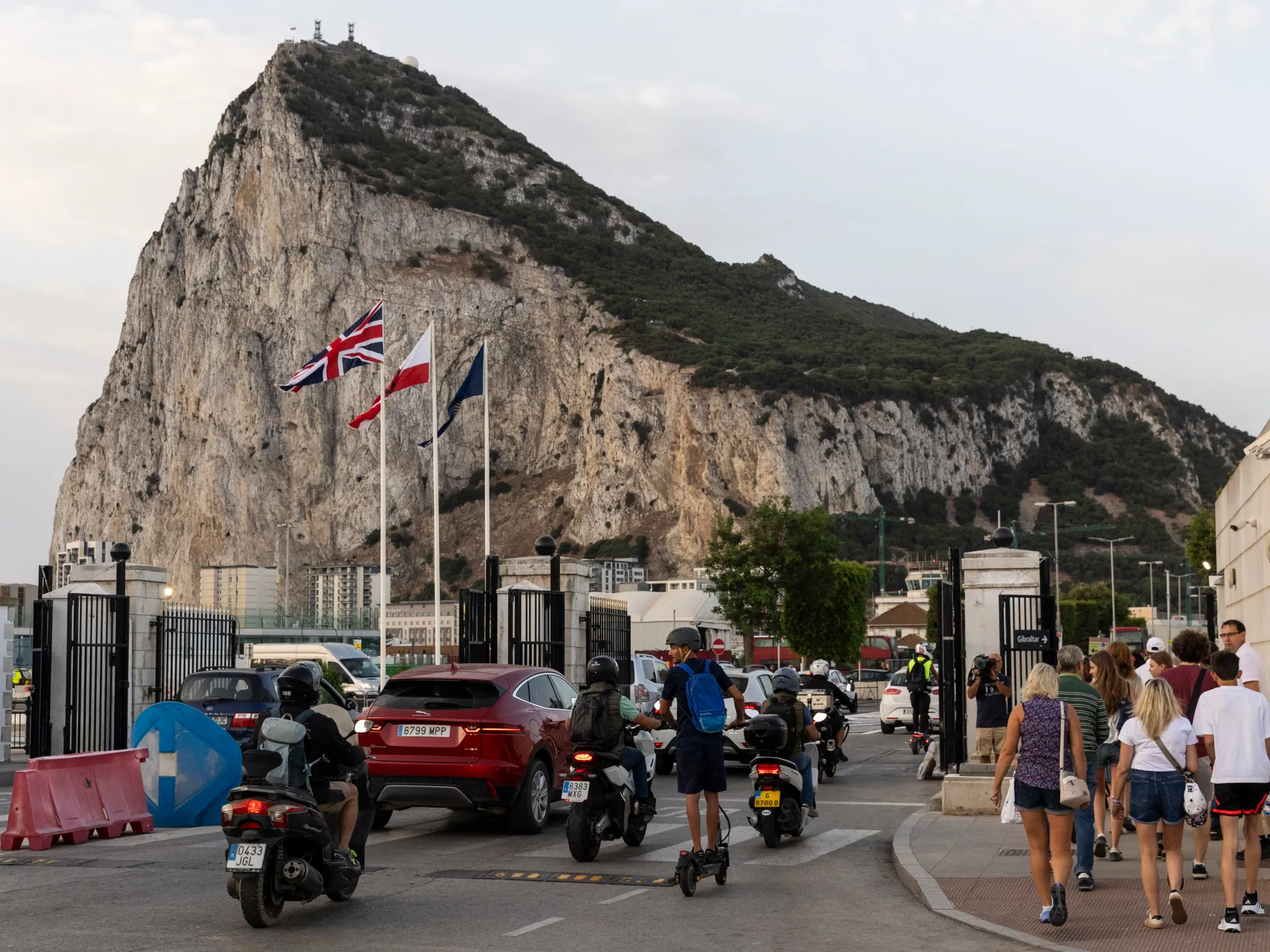
A significant development in UK-EU relations has unfolded with the signing of a treaty that eliminates border controls between Spain and Gibraltar. This move is set to facilitate the daily commute of thousands of people and streamline economic activities across the border.
Treaty Details
On July 14, 2026, representatives from the European Union and the United Kingdom signed an agreement in Brussels aimed at fostering economic and trade stability in Gibraltar. The treaty was signed by Maros Sefcovic, the European Trade Commissioner, Stephen Doughty, the British Minister of State for Europe, Jose Manuel Albares, the Spanish Foreign Minister, and Fabian Picardo, the Chief Minister of Gibraltar.
This agreement, though separate from the UK-EU Trade and Cooperation Agreement post-Brexit, ensures that there will be no 'hard border' between Gibraltar and Spain. Approximately 15,000 people cross this border daily, and the treaty aims to prevent disruptions by facilitating smoother transit.
Key Provisions
Gibraltar, a strategically vital British overseas territory, was secured by Britain through the 1713 Treaty of Utrecht. Under the new treaty, Gibraltar residents can enter Spain using residence cards, while Spanish citizens can access Gibraltar with a government ID card. This aligns Gibraltar with the Schengen Area, allowing free movement across 29 countries without visa requirements. However, travelers from non-Schengen countries, including the UK, must adhere to the EU Entry/Exit System, which uses biometric data for entry and exit checks.
Border controls at Gibraltar's airport and port will involve both British and Spanish officials, mirroring the system at Eurostar stations. Prior to this agreement, travelers had to undergo two separate checks, leading to significant delays particularly affecting daily commuters.
Motivations and Brexit's Role
The treaty addresses the complexities that arose from Brexit, which left Gibraltar's relationship with the EU ambiguous. In the 2016 Brexit referendum, a significant majority of Gibraltar's population voted to remain in the EU. The subsequent exit in 2020 created uncertainties in cross-border interactions, which the new treaty aims to resolve.
While the broader Trade and Cooperation Agreement was effective from 2021, Gibraltar’s specific circumstances necessitated separate negotiations. This agreement marks a resolution to those discussions, which commenced over three years ago.
Gibraltar's Unique Position
The treaty places Gibraltar in a distinct situation, allowing it to enjoy certain EU privileges without being a formal EU member, all while remaining under British sovereignty. This unique arrangement emerges due to its geographic position and shared border with an EU country. No other British overseas territories have similar agreements, as they do not share a land border with the EU.
Other territories, such as Bermuda and the Falkland Islands, have their own distinct international arrangements. However, Gibraltar’s case is singular due to its proximity and historical ties with Europe.
Source: Original Article
Related Articles
 world
world
Examining the Impact of US Military Actions on Iran's Southern Coastal Regions
 world
world
Escalating Tensions: US Strikes Iran, IRGC Claims Retaliation Across Gulf
 world
world
Escalation in the Middle East: Iran and US Exchange Strikes
 world
world