
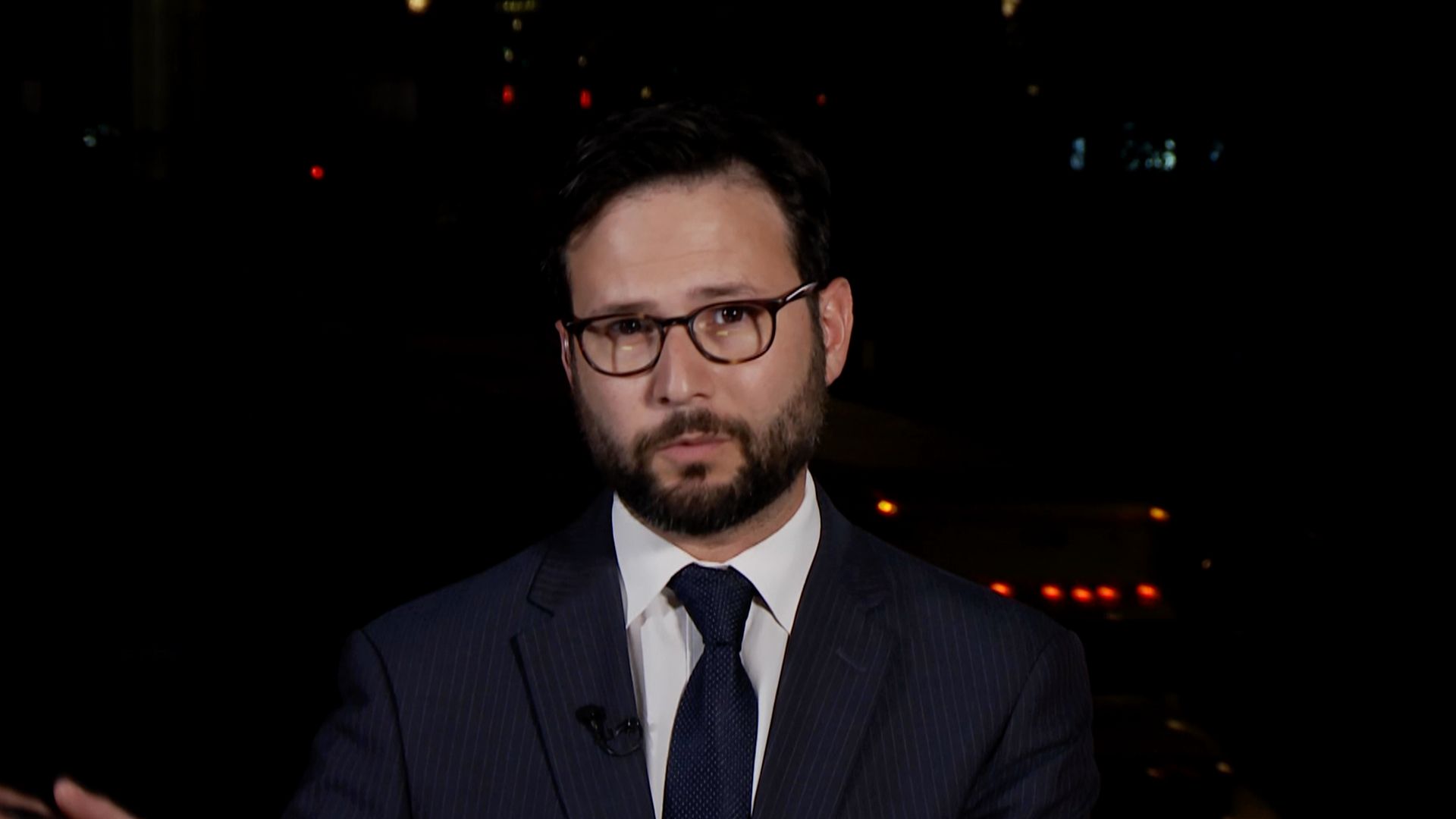
Context of Israeli Operations Against Iran
Recent reports concerning Israeli military operations targeting facilities in Iran have brought renewed attention to the complex geopolitical landscape of the Middle East. These actions are often framed within Israel's broader security doctrine, which prioritizes preemptive or responsive measures against perceived threats, particularly those related to Iran's nuclear program and its regional influence.
Israel has consistently expressed concerns over Iran's nuclear ambitions, viewing them as an existential threat. Furthermore, the presence of Iranian-backed groups near its borders, such as Hezbollah in Lebanon and various militias in Syria, contributes to Israel's rationale for conducting strikes aimed at disrupting what it considers hostile infrastructure or weapons transfers.
Historical Precedents and Regional Tensions
The history of animosity between Israel and Iran is long-standing, marked by proxy conflicts and a continuous technological arms race. Israel has, on multiple occasions, undertaken covert and overt operations aimed at setting back Iran's military and nuclear capabilities. These actions often escalate regional tensions, drawing international scrutiny and calls for de-escalation from various global actors.
The strategic competition between the two nations extends across several fronts, including cyber warfare, intelligence gathering, and direct military engagements in third countries, notably Syria. The Syrian civil war, in particular, has become a significant theater for this rivalry, with Israel frequently targeting Iranian and Hezbollah assets within Syrian territory.
US Policy Under the Trump Administration and its Influence on Israel
The administration of former US President Donald Trump adopted a distinct approach to Middle East policy, characterized by strong support for Israel and a confrontational stance towards Iran. This policy shift included withdrawing from the Joint Comprehensive Plan of Action (JCPOA), commonly known as the Iran nuclear deal, and implementing a 'maximum pressure' campaign through stringent economic sanctions.
Critics and observers have debated the extent to which this US policy either encouraged or failed to restrain Israeli actions in the region. The Trump administration's close relationship with Israeli leadership, particularly Prime Minister Benjamin Netanyahu, was a defining feature of its foreign policy. This alignment led to significant diplomatic moves, such as the relocation of the US embassy to Jerusalem and the recognition of Israeli sovereignty over the Golan Heights.
Debate on US Influence and Israeli Autonomy
The question of whether the Trump administration effectively 'restrained' or 'unleashed' Israeli military operations against Iran is subject to varying interpretations. Some analysts argue that the US withdrawal from the JCPOA and its vocal opposition to Iran inadvertently provided Israel with greater strategic latitude to pursue its own security objectives, feeling less constrained by international diplomatic efforts to preserve the nuclear deal.
Conversely, others contend that Israel, as a sovereign nation with its own security imperatives, would have pursued similar actions regardless of US policy. They suggest that while US support is crucial, Israel's national security decisions are ultimately driven by its own strategic assessments and perceived threats. The perception of a lack of US restraint might stem from the public messaging and diplomatic alignment rather than a direct instruction or prohibition on specific military actions.
The implications of these dynamics extend beyond the immediate region, influencing global energy markets, international arms control efforts, and the broader balance of power. Understanding the interplay between Israeli security concerns, Iranian regional ambitions, and the role of major powers like the United States is crucial for comprehending the ongoing volatility in the Middle East.
Source: Original Article
Related Articles
 world
world
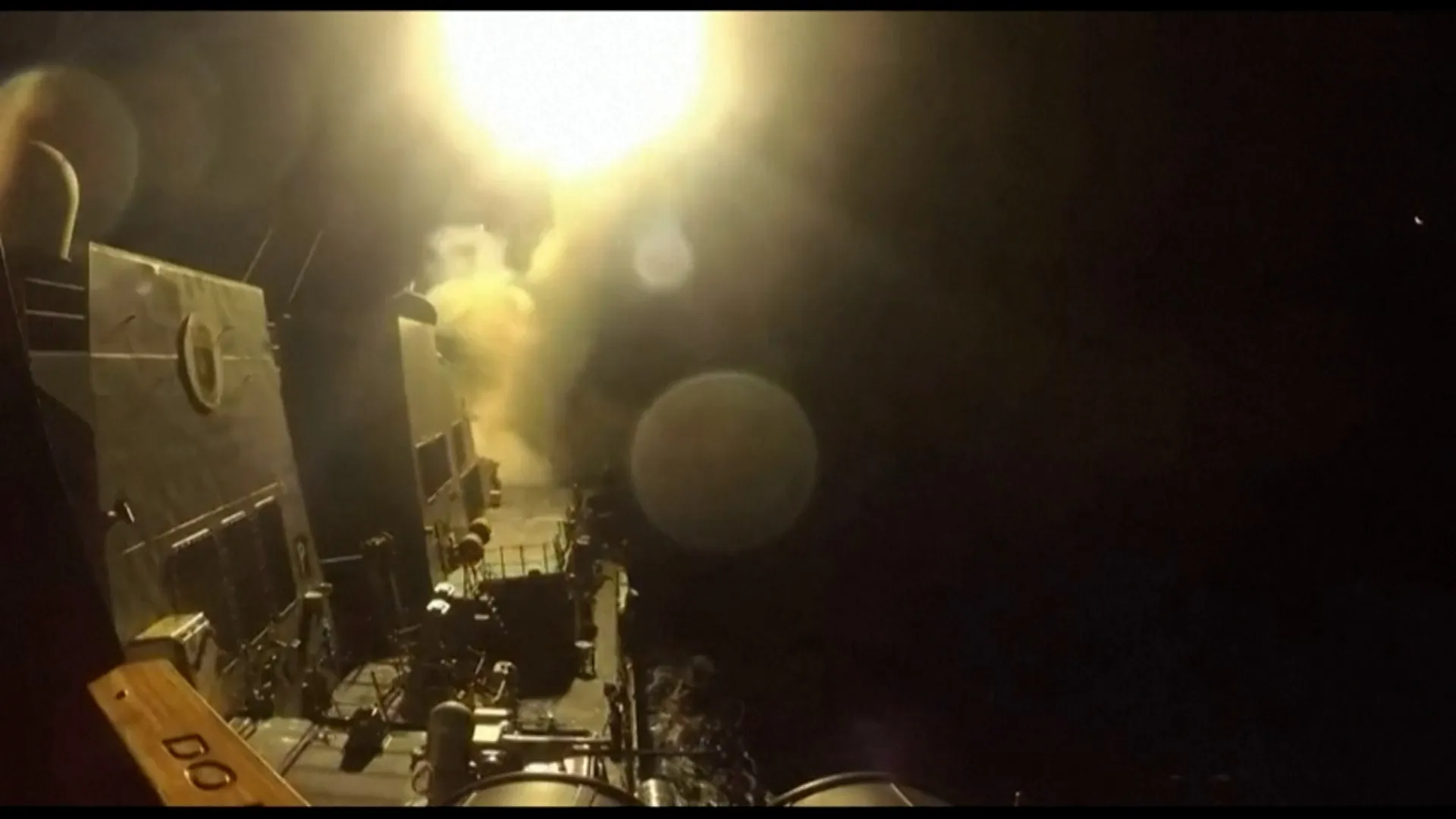
US Central Command Publishes Footage of Strikes Against Iranian Targets
 world
world
Allegations of Sexual Violence Surface in Israeli Detention Facilities
 world
world
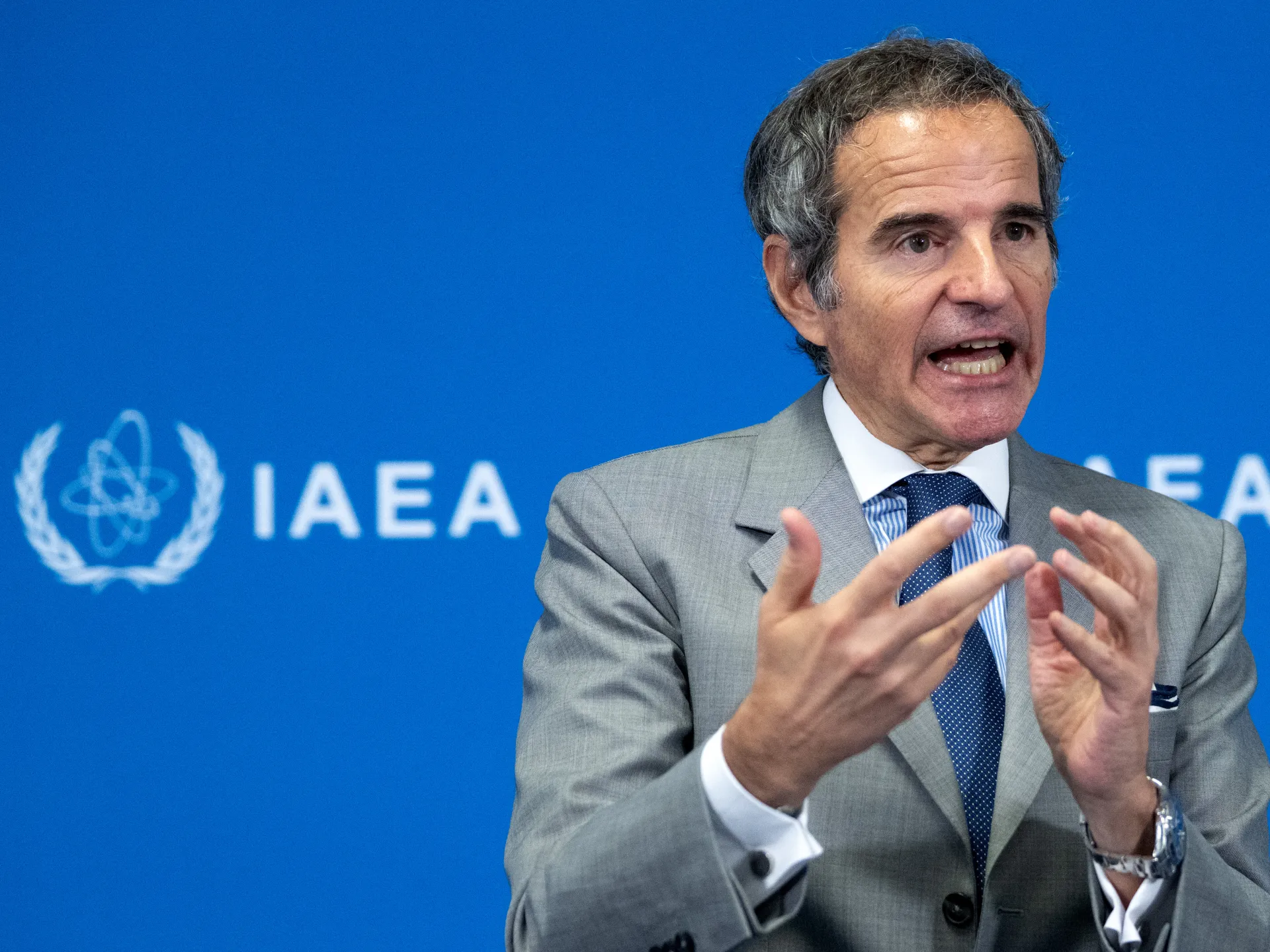
UN Watchdog Demands Iran Account for Enriched Uranium Stockpiles Amid Regional Tensions
 world
world