
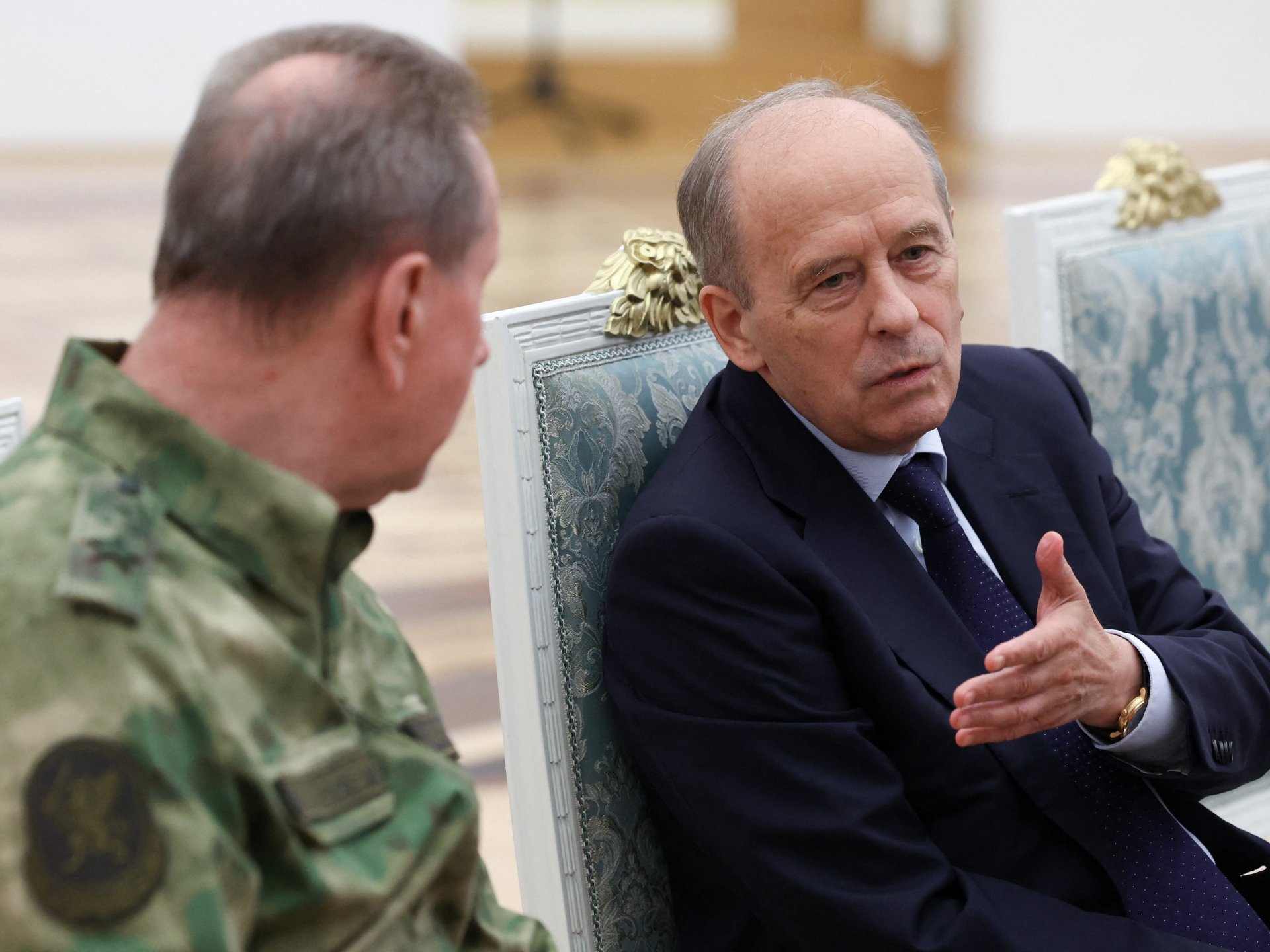
Russian Official Raises Concerns Over Potential ISIL Deployment
The head of Russia's Federal Security Service (FSB), Alexander Bortnikov, recently voiced a significant concern regarding the potential strategic deployment of individuals formerly affiliated with the Islamic State of Iraq and the Levant (ISIL). Bortnikov's assertion, made during a security conference, suggested that certain Western powers could be contemplating the instrumentalization of these ex-fighters in future geopolitical maneuvers, particularly in contexts involving Iran. This claim has sparked considerable debate and scrutiny among international relations experts and security analysts.
Bortnikov's remarks underscore a long-standing pattern of Russian officials expressing apprehension about the influence and intentions of Western nations in various global flashpoints. The notion of repurposing former militant elements for new objectives is not entirely unprecedented in the annals of covert operations, yet the specific context of ISIL and Iran introduces a complex layer of implications.
The Nature of the Allegation
The core of Bortnikov's statement lies in the accusation that Western entities might be looking to 'weaponize' individuals who previously fought under the ISIL banner. This would imply a deliberate strategy to leverage their combat experience and anti-establishment sentiments for different political or military ends. The suggestion raises immediate questions about the feasibility, ethical implications, and potential blowback of such a strategy.
From a Russian perspective, such a move could be interpreted as an attempt to destabilize a key strategic partner (Iran) or to create new fronts of conflict that could indirectly serve Western interests. Moscow has consistently positioned itself as a bulwark against what it perceives as Western expansionism and interventionism, and this latest claim appears to fit within that broader narrative.
Analytical Skepticism and Counterarguments
Despite the gravity of Bortnikov's claim, many analysts and experts in international security and Middle Eastern affairs have expressed considerable doubt regarding its veracity and practicality. Several points of contention arise when evaluating the feasibility of such a strategy:
- Ideological Incompatibility: Former ISIL fighters, by their very nature, adhere to an extreme Salafi-jihadi ideology that is fundamentally opposed to most established state structures, including those in the West. Their integration into any Western-backed operation against a nation like Iran, which is predominantly Shia, would present immense ideological and operational challenges.
- Reliability Concerns: The loyalty and command structure of former ISIL members are highly questionable. Their past actions demonstrate a willingness to turn against former allies and to pursue their own radical agenda. Trusting such individuals with sensitive operations would be an extraordinarily high-risk endeavor.
- Reputational Damage: Any state or coalition found to be openly or covertly collaborating with former ISIL elements would face severe international condemnation and irreparable damage to its reputation. The political costs would likely far outweigh any perceived strategic benefits.
- Logistical Hurdles: Identifying, vetting, recruiting, and then effectively deploying a significant number of former ISIL fighters in a controlled manner would be a logistical nightmare, requiring resources and a level of operational secrecy that would be difficult to maintain.
Analysts generally agree that while the idea might be floated in some fringe circles, it is highly improbable that any mainstream Western government would seriously consider or implement such a plan given the overwhelming risks and ethical dilemmas involved. The claim is more likely viewed as a rhetorical tool within the ongoing geopolitical competition, designed to sow distrust and portray Western actions in a negative light.
Geopolitical Context and Implications
The accusation comes at a time of heightened tensions in the Middle East and broader international relations. Russia maintains strong ties with Iran, and both nations often find themselves at odds with Western policies. The suggestion of using former ISIL fighters against Iran could be interpreted as an attempt by Russia to reinforce its narrative of Western interference and to underscore the perceived dangers of Western foreign policy.
Ultimately, while the assertion by the head of Russia's FSB introduces an intriguing, albeit controversial, element into the discourse surrounding Middle Eastern security, the consensus among independent analysts leans towards skepticism. The practical and ethical barriers to such a strategy appear too significant for it to be a viable option for any responsible state actor.
Source: Al Jazeera
Related Articles
 world
world
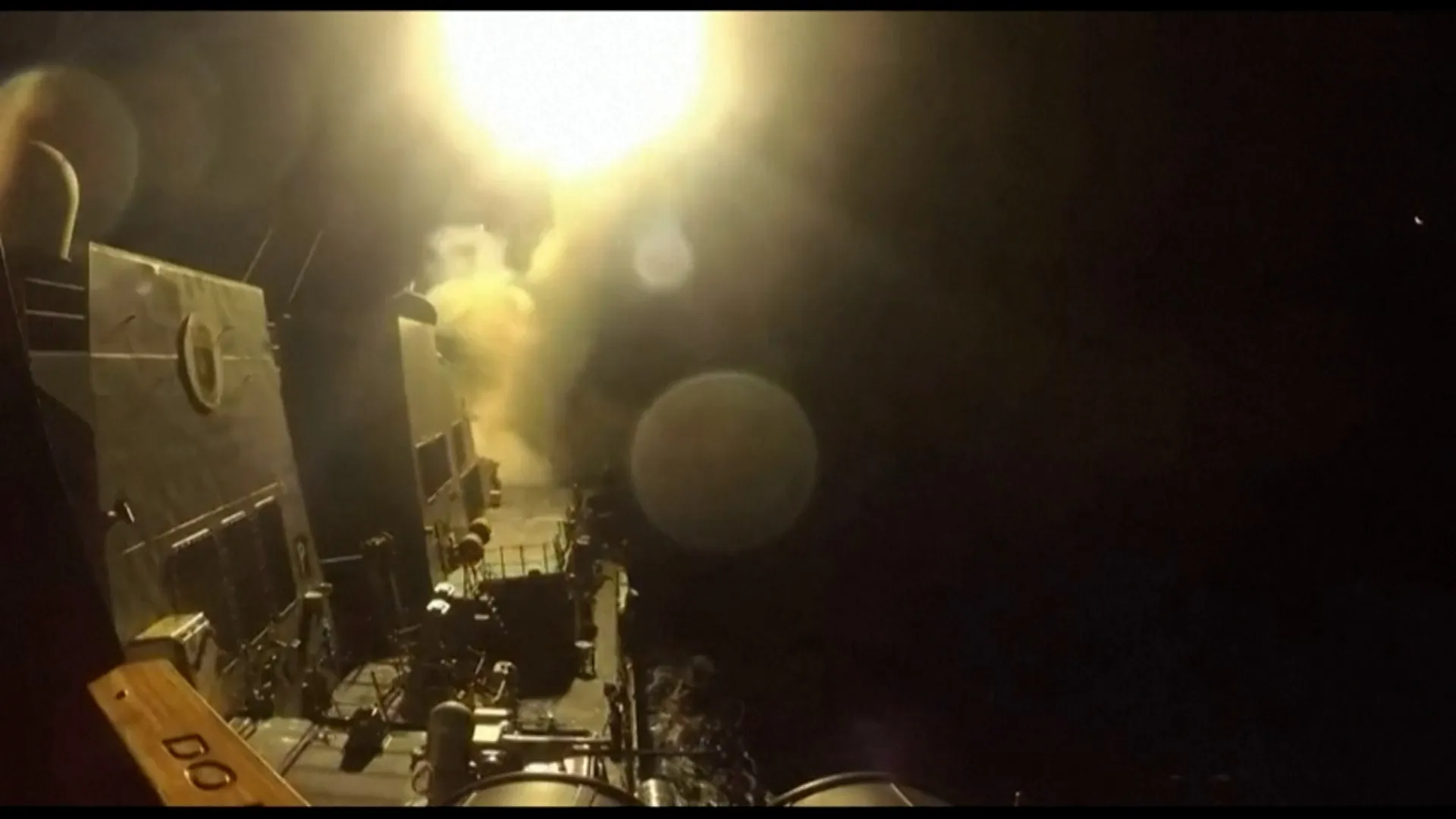
US Central Command Publishes Footage of Strikes Against Iranian Targets
 world
world
Allegations of Sexual Violence Surface in Israeli Detention Facilities
 world
world
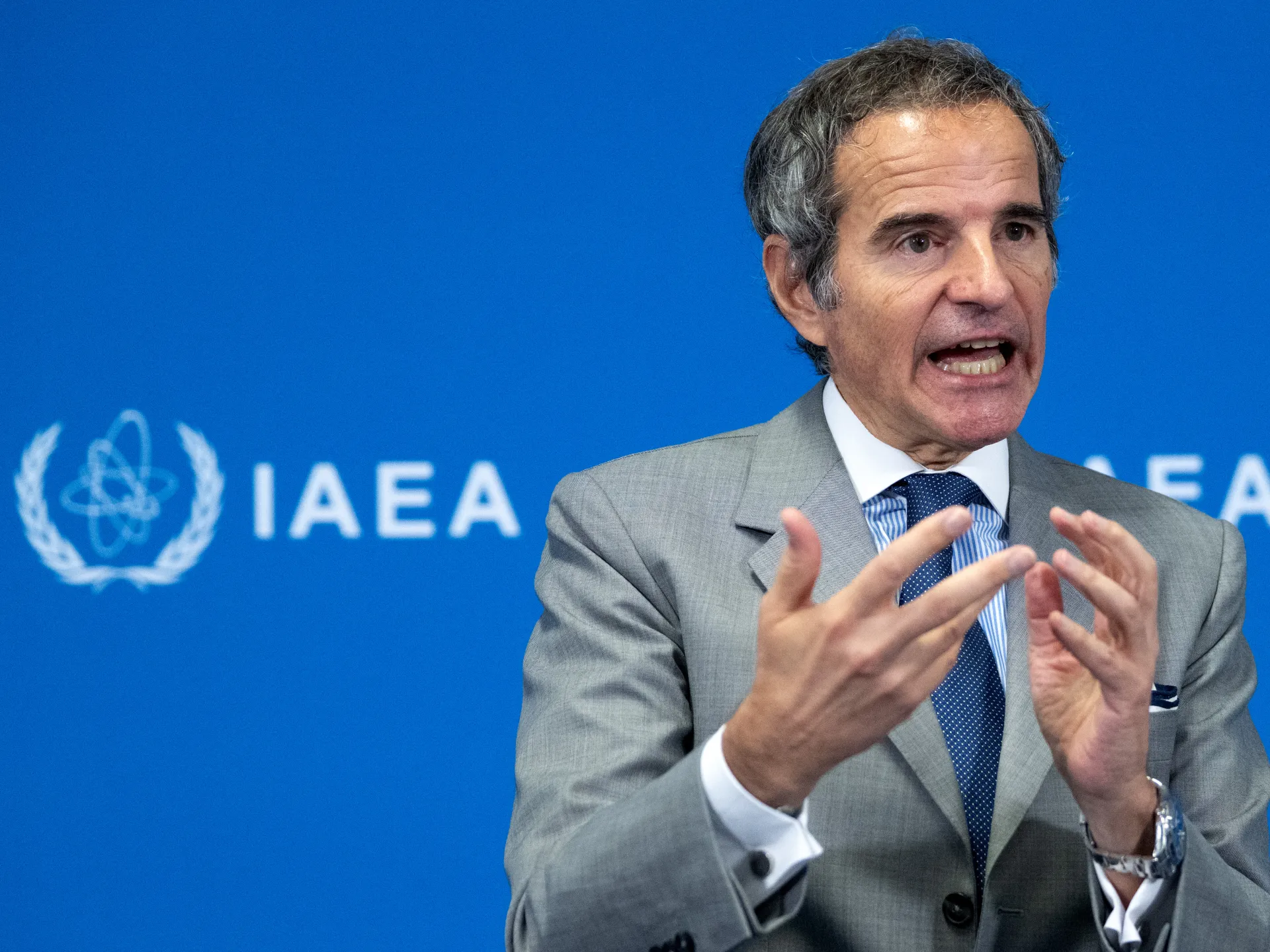
UN Watchdog Demands Iran Account for Enriched Uranium Stockpiles Amid Regional Tensions
 world
world