Aviation Industry Raises Alarm Over EU Border System
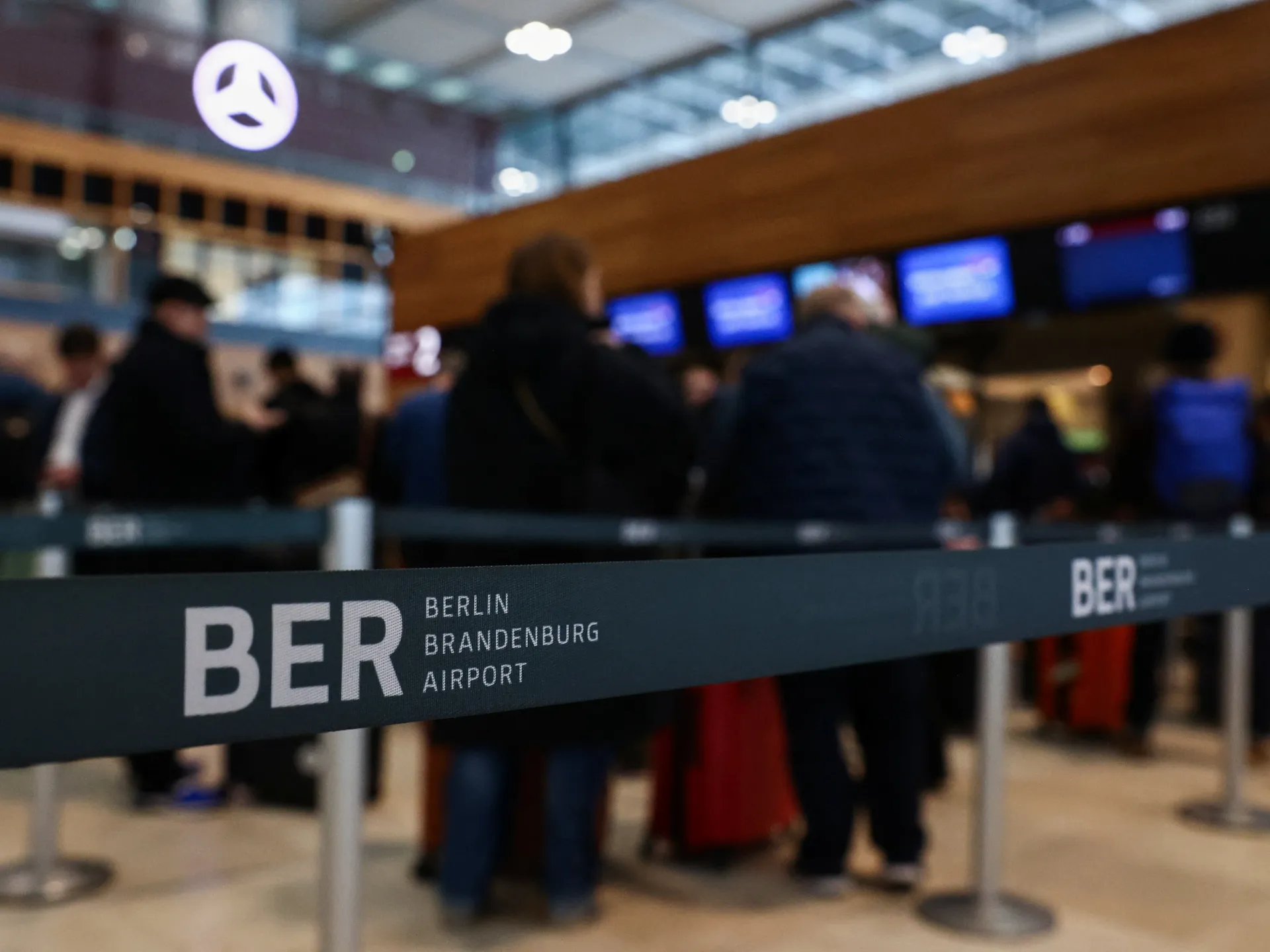
Europe's aviation and tourism industries have issued a joint warning regarding the disruptive impact of the European Union's new digital border check system, known as the Entry/Exit System (EES). Industry representatives report that the system is causing extensive delays, with passengers experiencing queues up to five hours long and flights departing with numerous empty seats due to travelers being unable to clear border controls in time. These concerns were articulated in an open letter to European Commission President Ursula von der Leyen, emphasizing that the situation has reached a 'critical point' ahead of the anticipated summer travel surge.
The collective appeal came from Airports Council International Europe, Airlines for Europe, and the International Air Transport Association. Their letter highlighted the 'severe operational consequences' of the EES, which they claim is not only inconveniencing passengers but also placing 'unsustainable pressure' on border authorities, airports, and airlines. The organizations urged immediate action to prevent further deterioration of the situation, particularly as European airports anticipate an additional 40 million passengers in July and August compared to the preceding two months.
Calls for Flexibility and Stability
The industry groups contend that without increased flexibility, the existing operational challenges are likely to intensify. They underscored their responsibility to alert authorities to a potential 'significant worsening of an already very difficult situation for passengers' if the issues remain unaddressed. The letter also warned that the ongoing travel disruptions could undermine the EU's reputation and negatively affect European tourism. They stressed the importance of Europe maintaining its image as an 'efficient, welcoming and competitive' travel destination, noting that early reports suggest some international travelers are already rethinking trips to the continent due to the prospect of excessive border delays.
A core recommendation from the industry bodies is for EU member states to be granted immediate flexibility to 'completely suspend' the new EES whenever passenger volumes surpass the 'operational capacity' of border facilities. This suspension, they argue, should remain in effect until the system's stability is assured and adequate staffing levels are in place at border checkpoints.
Economic Risks and Tourism Sector Concerns
The World Travel and Tourism Council (WTTC), a leading global representative body for tourism businesses, has publicly supported the calls made by the aviation sector. The WTTC echoed concerns that the prolonged delays could jeopardize up to 41 million arrivals and put an estimated $45.4 billion in visitor spending at risk. Gloria Guevara, President and CEO of the WTTC, commented that if 'lengthy delays become accepted practice, travellers will look elsewhere.' She added that 'Europe cannot afford to compromise its competitiveness or the experience it offers millions of visitors.' At the time of reporting, the European Commission had not yet responded to requests for comment.
Understanding the Entry/Exit System (EES)
The Entry/Exit System was introduced by the EU in October as a replacement for traditional passport stamping methods. Designed to enhance border security and efficiency, the system digitally records comprehensive information for each traveler, including their name, passport details, fingerprints, facial images, and the precise date and location of their entry and exit. The European Commission declared the EES 'fully operational' across the Schengen Area in April of the current year. However, since its phased introduction, the system has been frequently cited as the cause of considerable delays, including instances where flights have departed without a significant number of their scheduled passengers who were still held up at border control.
Source: Original Article