
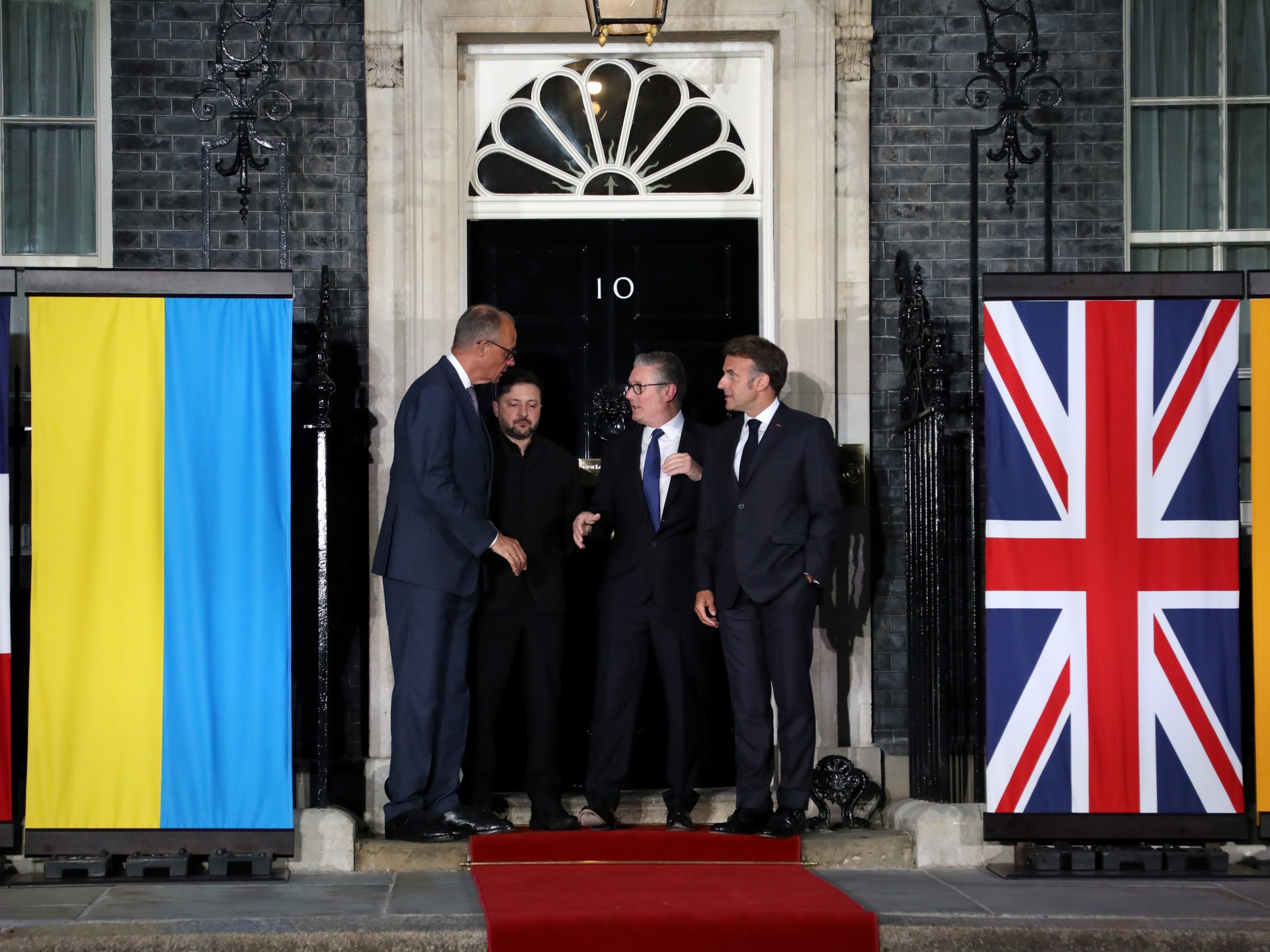
Diplomatic Push for Direct Engagement
In a significant development amidst the protracted conflict between Ukraine and Russia, major European powers have voiced their support for a direct meeting between the leaders of both nations. The United Kingdom, France, and Germany have each signaled their approval for Ukrainian President Volodymyr Zelenskyy's proposal to engage in face-to-face discussions with Russian President Vladimir Putin. This diplomatic push comes as military activities, including drone attacks, continue to be reported in the region.
International Backing for De-escalation
The endorsement from these influential European states underscores a growing international desire to explore all avenues for de-escalation and a potential resolution to the ongoing hostilities. While the specifics of such a meeting, including its agenda, location, and preconditions, remain undefined, the collective support from London, Paris, and Berlin highlights a unified stance on the importance of high-level dialogue in complex international disputes. This move suggests a belief among these allies that direct communication between Zelenskyy and Putin could be a crucial step towards fostering understanding and identifying common ground, even if a comprehensive peace agreement is not immediately within reach.
Continued Military Actions on the Ground
Despite the diplomatic overtures, the situation on the ground remains volatile. Reports indicate that drone attacks and other forms of military engagement are ongoing, reflecting the persistent nature of the conflict. This parallel existence of diplomatic efforts and active combat operations illustrates the multifaceted challenges involved in bringing an end to the current crisis. The continuation of hostilities serves as a stark reminder of the urgency behind calls for dialogue, as every day of conflict contributes to further humanitarian and infrastructural damage.
Zelenskyy's Stance on Negotiations
President Zelenskyy has, on multiple occasions, expressed his willingness to engage directly with President Putin, emphasizing that such a meeting is essential for any meaningful progress towards peace. His consistent calls for direct talks reflect a strategic approach to diplomacy, aiming to bypass intermediaries and address the core issues of the conflict at the highest political level. The Ukrainian leader's position has been that while military defense is paramount, a lasting resolution will ultimately require a political settlement achieved through negotiation.
Russia's Position on Dialogue
Russia's response to proposals for direct talks has varied over time, often emphasizing that the onus is on Ukraine to meet certain preconditions before high-level discussions can occur. While Moscow has not entirely ruled out dialogue, its conditional approach has frequently been seen as a hurdle to immediate engagement. The willingness of European powers to back Zelenskyy's call for direct talks might exert additional pressure on Russia to reconsider its stance and engage more constructively in diplomatic processes.
The Role of European Allies
The United Kingdom, France, and Germany have been actively involved in supporting Ukraine through various means, including humanitarian aid, financial assistance, and military supplies. Their current support for direct talks signifies a strategic shift or an additional layer to their overall engagement, recognizing that military support must be complemented by robust diplomatic efforts. These nations often play a crucial role in international mediation and their collective voice carries significant weight in global affairs. Their endorsement could provide momentum for further international efforts to facilitate a meeting between the two leaders.
Challenges and Prospects for Peace
The path to peace is fraught with challenges, including deeply entrenched positions, mutual distrust, and the complexity of the issues at stake. However, the backing from key European allies for direct talks offers a glimmer of hope for a potential breakthrough. Any future meeting would likely involve extensive preparatory work and could focus on a range of topics, from humanitarian corridors and prisoner exchanges to broader security guarantees and the future status of disputed territories. The international community will undoubtedly be watching closely to see if this diplomatic push can translate into tangible steps towards a peaceful resolution.
Source: Original Article
Related Articles
 world
world
US Central Command Publishes Footage of Strikes Against Iranian Targets
 world
world
Allegations of Sexual Violence Surface in Israeli Detention Facilities
 world
world
UN Watchdog Demands Iran Account for Enriched Uranium Stockpiles Amid Regional Tensions
 world
world