
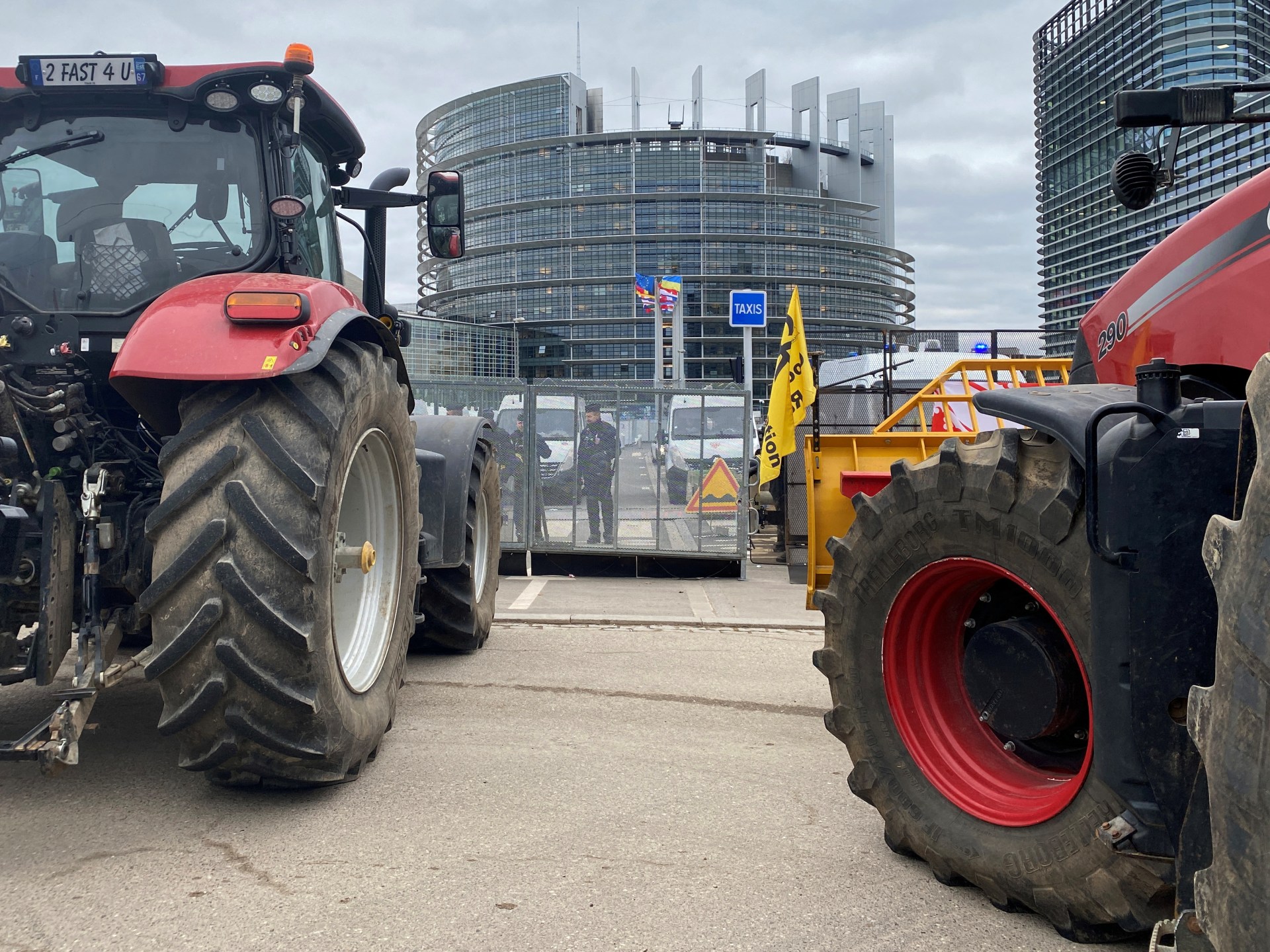
Geopolitical Events Impact European Agriculture
Recent geopolitical developments, particularly those in the Middle East, are casting a long shadow over global supply chains, with significant implications for Europe's agricultural sector. The European Union is proactively responding to these challenges by implementing a strategic plan aimed at mitigating the risk of fertilizer shortages. This initiative underscores growing concerns about food security across the continent, directly linked to the stability of critical maritime passages such as the Strait of Hormuz.
The Strait of Hormuz: A Vital Chokepoint
The Strait of Hormuz, a narrow waterway connecting the Persian Gulf with the Arabian Sea and the broader Indian Ocean, is one of the world's most strategically important chokepoints. It is a crucial conduit for a significant portion of the world's oil supply, but its importance extends to other vital commodities, including components for fertilizer production. Disruptions in this region, whether due to conflict, political instability, or other factors, can have ripple effects on global trade and commodity prices. The ongoing tensions involving Iran have heightened fears of potential blockades or interruptions to shipping through this strait, which would inevitably impact the flow of essential goods to Europe.
Europe's Dependence and Vulnerabilities
European agriculture relies heavily on imported fertilizers and the raw materials needed to produce them. While Europe has some domestic production capacity, it is not entirely self-sufficient, making it susceptible to external market fluctuations and supply chain vulnerabilities. A substantial portion of the world's potash, phosphate, and nitrogen-based fertilizers, or their constituent elements, traverse international shipping routes. Any impediment to these routes, particularly those originating from or passing through volatile regions, can lead to increased costs, reduced availability, and ultimately, lower agricultural yields.
"The stability of global supply chains is paramount for our food security. We are taking decisive steps to ensure our farmers have access to the necessary inputs, regardless of external pressures." - European Commission Spokesperson (Fictional Quote)
The EU's Strategic Response
In response to these burgeoning concerns, the European Union has unveiled a multi-faceted fertilizer plan. While specific details of the plan are still emerging, its core objectives are understood to include:
- Diversification of Supply: Seeking new sources for raw materials and finished fertilizers from a wider range of countries to reduce reliance on any single region.
- Boosting Domestic Production: Investing in and supporting European fertilizer manufacturers to enhance internal production capabilities and reduce import dependency.
- Promoting Sustainable Practices: Encouraging more efficient use of fertilizers and exploring alternative, environmentally friendly nutrient sources to lessen overall demand.
- Strategic Reserves: Potentially establishing or expanding strategic reserves of key fertilizer components to buffer against sudden supply shocks.
- Diplomatic Engagement: Working with international partners to ensure the free and safe passage of commercial shipping through critical waterways.
The plan reflects a broader shift in European policy towards greater strategic autonomy in essential sectors, driven by lessons learned from previous supply chain disruptions, such as those experienced during the COVID-19 pandemic and the conflict in Ukraine.
Implications for Food Security
The potential for fertilizer shortages directly translates into risks for food security. Fertilizers are critical for maintaining soil fertility and maximizing crop yields. A reduction in fertilizer availability or a significant increase in their cost could lead to:
- Reduced Crop Production: Farmers might be forced to use less fertilizer, resulting in smaller harvests of staple crops like wheat, maize, and potatoes.
- Higher Food Prices: Scarcity and increased production costs would likely be passed on to consumers, leading to inflation in food prices.
- Economic Strain on Farmers: Farmers would face the difficult choice of absorbing higher input costs or reducing output, impacting their livelihoods.
The EU's proactive stance aims to preempt these negative outcomes, safeguarding both the livelihoods of its agricultural sector and the affordability of food for its citizens.
Looking Ahead
The situation in the Middle East remains fluid, and its long-term impact on global trade routes is uncertain. However, the European Union's swift action demonstrates a clear recognition of the interconnectedness of geopolitical stability and agricultural resilience. By implementing a comprehensive fertilizer strategy, Europe is attempting to fortify its food system against future shocks, ensuring that its citizens continue to have access to a stable and affordable food supply.
Source: Original Article
Related Articles
 economy
Chinese Electric Vehicle Exports See Significant Rise in April
 economy
Taiwan's AI-Driven Economic Surge Raises Questions of Inclusive Growth
 economy
Nigerian Families Adapt Eid Celebrations Amidst Soaring Living Costs
 economy