
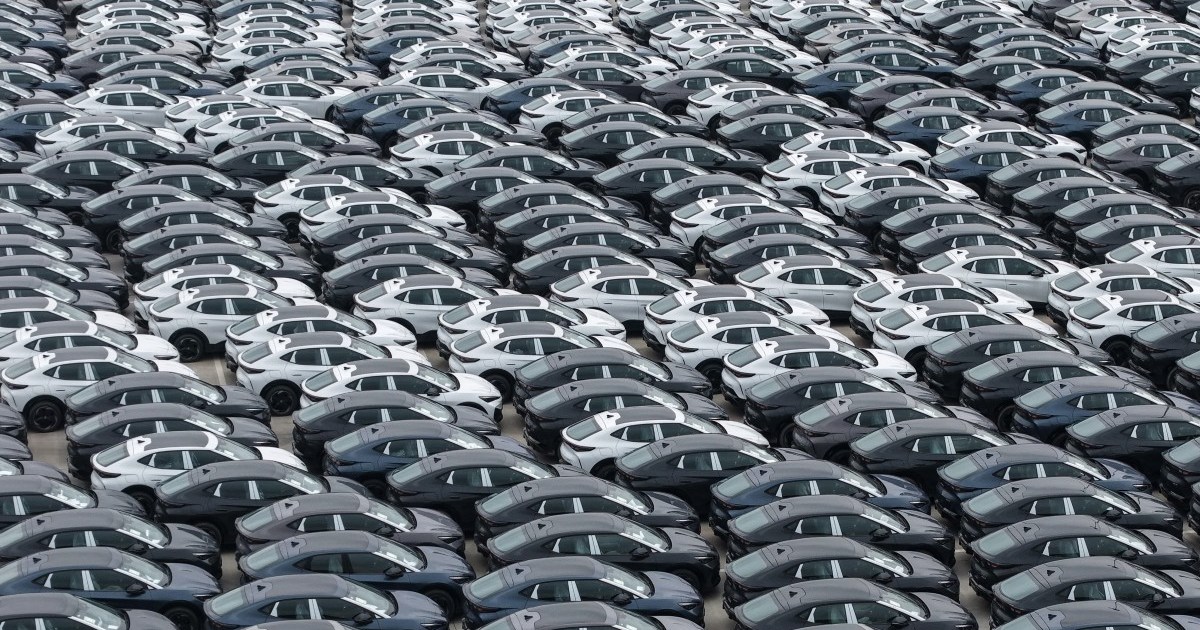
Overview of China's EV Export Growth
Recent data indicates a notable surge in China's electric vehicle (EV) exports during April. This upward trend highlights the growing global demand for Chinese-manufactured EVs and the country's expanding influence in the international automotive market. The increase in exports is a key indicator of China's strategic position in the transition towards electric mobility worldwide.
Regional Demand Analysis
An analysis of the export data reveals distinct regional preferences for Chinese EVs. Asia emerged as the primary destination, purchasing the largest share of these vehicles. This strong demand within the Asian continent suggests robust market penetration and acceptance of Chinese EV brands in neighboring countries. Factors contributing to this could include geographical proximity, established trade routes, and competitive pricing strategies.
Following Asia, Europe ranked as the second-largest importer of Chinese electric vehicles. The European market, known for its stringent emission regulations and ambitious electrification targets, presents a significant opportunity for Chinese EV manufacturers. The influx of Chinese EVs into Europe could be attributed to their technological advancements, diverse model offerings, and often more accessible price points compared to some domestic European alternatives.
Latin America secured the third position in terms of Chinese EV imports. This region's growing interest in electric vehicles aligns with global efforts to reduce carbon emissions and transition to cleaner transportation. The affordability and variety of Chinese EV models likely play a crucial role in their appeal to consumers and businesses across Latin American countries, which are increasingly investing in sustainable infrastructure.
Factors Driving Export Success
Several factors are contributing to the robust growth in China's EV exports. One significant element is the country's advanced manufacturing capabilities and extensive supply chain for electric vehicle components, which allows for efficient production at scale. Chinese EV makers have also invested heavily in research and development, leading to innovations in battery technology, vehicle performance, and smart features, making their products more competitive globally.
Government policies and subsidies within China have also played a role in fostering a strong domestic EV industry, which in turn supports export capacity. These policies have encouraged innovation and mass production, enabling Chinese companies to offer a wide range of electric vehicles from compact city cars to more luxurious models, catering to diverse international consumer needs.
Global Implications and Market Trends
The continued expansion of Chinese EV exports has broader implications for the global automotive industry. It intensifies competition among established automakers and new entrants, potentially driving down prices and accelerating the pace of electric vehicle adoption worldwide. This trend also underscores the shifting dynamics of global trade and manufacturing, with China solidifying its position as a dominant player in the future of transportation.
As the world continues to move towards electrification, the performance of Chinese EV exports will remain a key indicator of market trends and technological advancements. The ability of Chinese manufacturers to adapt to varying international regulations, consumer preferences, and geopolitical landscapes will be crucial for sustained growth in these diverse markets.
Source: Al Jazeera
Related Articles
 economy
Europe Addresses Fertilizer Supply Concerns Amidst Middle East Tensions
 economy
Taiwan's AI-Driven Economic Surge Raises Questions of Inclusive Growth
 economy
Nigerian Families Adapt Eid Celebrations Amidst Soaring Living Costs
 economy