
European Union and Taliban to Discuss Migration in Brussels
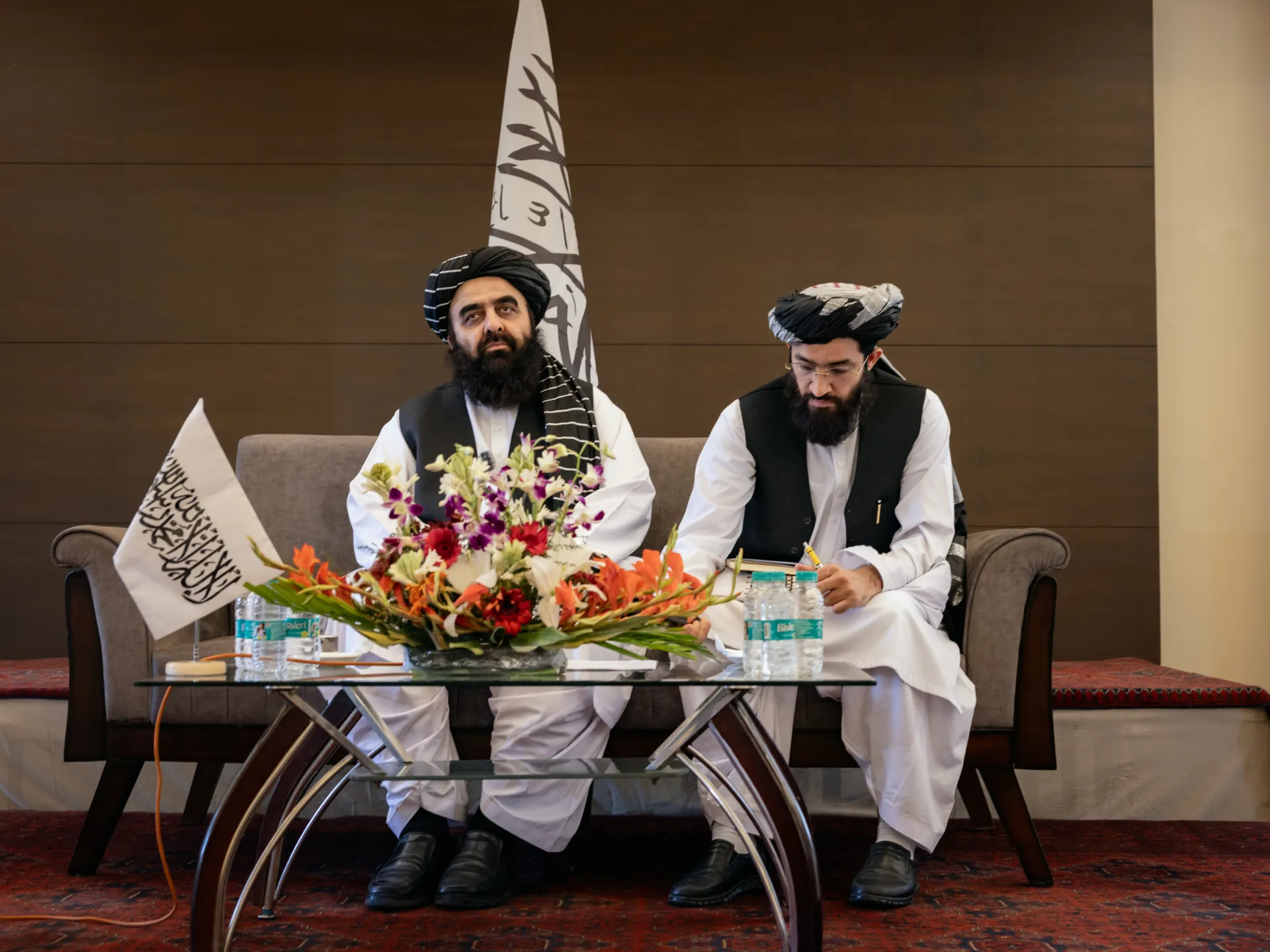
The European Union is preparing to host a delegation of Taliban officials in Brussels for a crucial meeting centered on migration issues, particularly the deportation of Afghan nationals residing in Europe without legal authorization. This gathering, scheduled for Tuesday, marks a significant diplomatic engagement, representing the first time the EU has formally hosted the Taliban since the group regained control of Afghanistan nearly five years ago.
Belgium has facilitated the meeting by issuing five single-day visas to the Taliban delegates. A spokesperson for the Belgian Foreign Ministry confirmed on Monday that these visas were granted following a comprehensive security assessment, valid exclusively for Belgium and for the duration of one day. The European Commission articulated that the primary objective of these discussions is to address the issue of irregular migration from Afghanistan into the 27-member bloc, as well as to deliberate on the return of Afghan individuals whose asylum applications within the EU have been denied.
Focus on Returns and Readmission
While the specific Taliban representatives invited to the meeting have not been publicly identified, it is noteworthy that several senior Taliban leaders are currently subject to EU sanctions. Markus Lammert, a spokesperson for the European Commission, indicated during a daily press briefing that member states are actively exploring mechanisms to repatriate individuals who have committed serious offenses or pose potential security threats. He emphasized that this initiative forms a key part of the Commission's current agenda.
A letter, reportedly addressed to Abdul Qahar Balkhi, a spokesperson for the Taliban's Foreign Ministry, and viewed by the Reuters news agency, explicitly states that the meeting's agenda will concentrate on "the return and readmission of Afghan nationals without a right to stay in the European Union." Despite the direct engagement, the European Commission has been careful to underscore that this meeting does not signify formal recognition of the Taliban as the legitimate government of Afghanistan.
Human Rights Concerns and Humanitarian Crisis
Since their return to power in August 2021, the Taliban have progressively implemented stringent policies that have severely curtailed human rights, especially for women. These restrictions include limitations on freedom of movement, the prohibition of girls' education beyond primary school, and the enforcement of morality laws that suppress free expression and access to employment opportunities. Following the Taliban's takeover, European governments had closed their embassies in Kabul, reflecting the broader international community's concerns.
Human rights organizations have voiced strong objections to the EU's decision to engage in talks with the Taliban. Fereshta Abbasi, an Afghanistan researcher at Human Rights Watch, stressed that any engagement with the Taliban must prioritize the protection of human rights and accountability, rather than focusing on deporting individuals to a country where they could face danger. Similarly, Eve Geddie, director of Amnesty International's European Institutions Office, described the prospect of deporting people to Afghanistan as "unconscionable," given the country's worsening humanitarian situation.
Earlier this month, Magnus Brunner, the EU's migration chief, defended the outreach, asserting that Brussels had no viable alternative but to engage with the Taliban administration regarding the return of Afghan asylum seekers who had entered the EU irregularly. This push for stricter migration policies reflects a broader trend across Europe, where public sentiment has hardened, contributing to the electoral successes of far-right parties.
Mounting Pressure for Returns
Data from the EU's migration agency reveals that between 2013 and 2024, European countries received approximately one million asylum applications from Afghans. While Afghans historically had high asylum recognition rates within the EU, overall acceptance has seen a decline as migration policies become more restrictive. Last year, about 20 of the EU's 27 member states expressed interest in increasing the repatriation of migrants without the right to stay, particularly those with criminal convictions, to Afghanistan.
EU law permits the deportation of individuals convicted of serious crimes or those deemed security threats in specific circumstances. However, returns to Afghanistan have been limited due to the absence of formal diplomatic relations. Commission spokesperson Lammert reiterated that the primary focus for member states remains on individuals who have committed serious offenses or pose a security risk.
The backdrop to these discussions is Afghanistan's severe humanitarian crisis. The United Nations World Food Programme reports that over 17 million Afghans, roughly one-third of the population, are experiencing food insecurity. The country is also grappling with the reintegration of tens of thousands of individuals returning from Iran and Pakistan, further exacerbating the humanitarian challenges.
Source: Original Article
Related Articles
 news
news
US Justice Department Initiates Civil Rights Inquiry into Coffee Chain Over Lawmaker Ban
 news
news
UN Inquiry Alleges Systematic Targeting of Palestinian Children in Gaza, Citing Genocide and War Crimes
 news
news
Fatal School Shooting in Philippines Leaves Three Dead, Two Students Apprehended
 news
news