
The Pretoria Agreement: A Moment of Hope
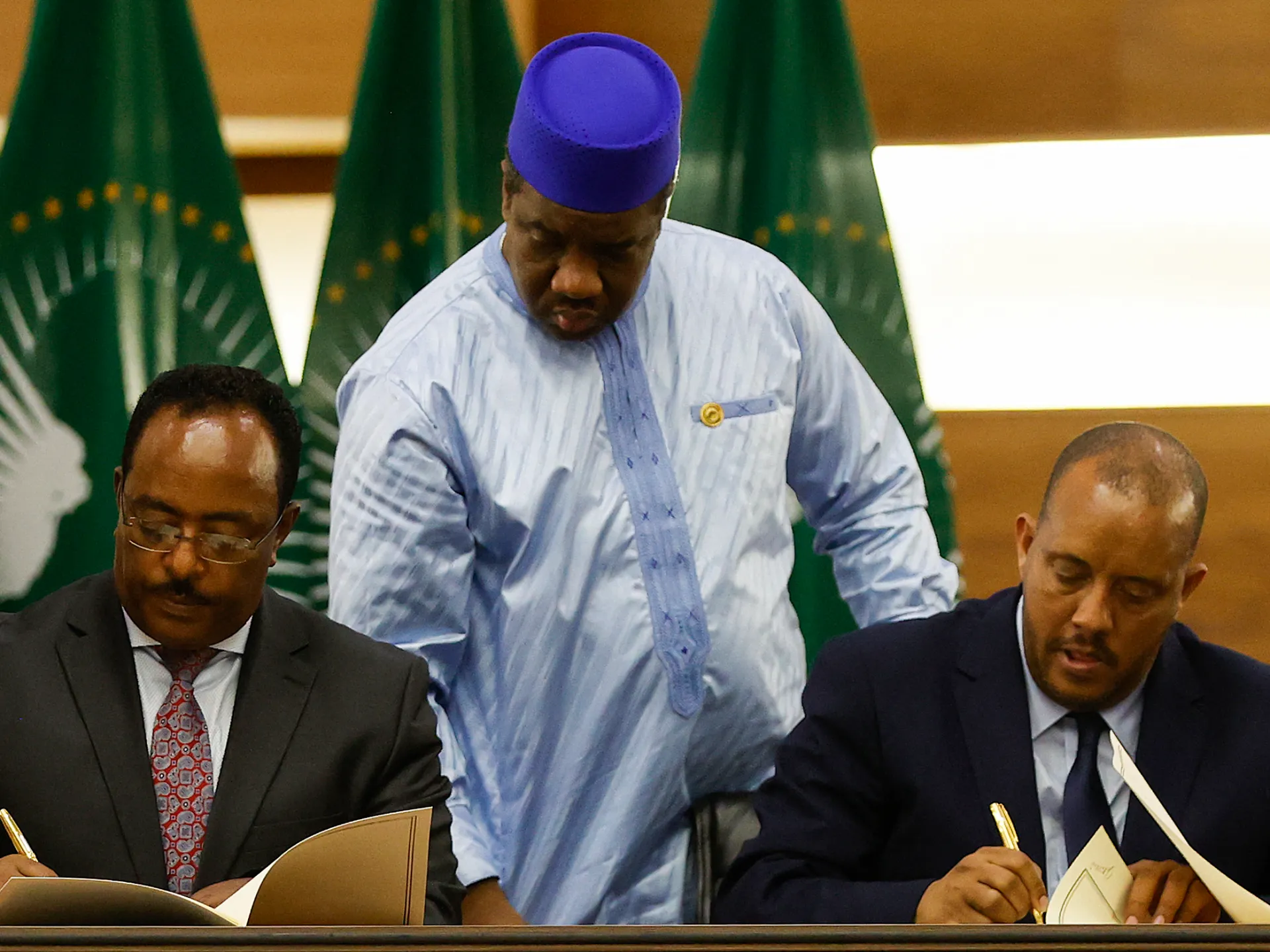
In October 2022, representatives from the Ethiopian federal government and the Tigray People’s Liberation Front (TPLF) convened in Pretoria, South Africa, to negotiate an end to the brutal conflict that had ravaged their nation. The atmosphere was initially tense, with security measures in place to maintain distance between the warring factions. However, as discussions progressed, a surprising cordiality emerged, allowing negotiators to engage directly and informally, often working late into the night.
These intense negotiations, facilitated by African elder statesmen and women, were fraught with challenges. Heated debates and difficult discussions frequently brought the talks to the brink of collapse. Yet, a shared determination to end the bloodshed and prevent further loss of a generation on the battlefield ultimately prevailed. Both sides, despite their deep-seated differences, were united in their resolve to forge a lasting peace.
The discussions were anchored in fundamental principles agreed upon early in the process. The subsequent task of operationalizing these principles was complex, made even more challenging by the ongoing conflict. Emotions ran high, and the pressure was immense, but the commitment to finding common ground persisted. Against the odds, especially given Ethiopia’s historical rarity of negotiated settlements, an agreement was reached.
On November 3, 2022, the “Agreement for Lasting Peace Through a Permanent Cessation of Hostilities between the Government of the Federal Democratic Republic of Ethiopia and the Tigray People’s Liberation Front (TPLF)” was signed. This pivotal moment was met with widespread relief and celebration across Ethiopia, signaling the anticipated end of a devastating war.
Emerging Opposition and External Influence
Despite the widespread acceptance of the Pretoria Agreement, not everyone welcomed the cessation of hostilities. Extremist elements within both the TPLF and the Amhara Fano militia expressed dismay. Hardliners within the TPLF reportedly sought only a temporary ceasefire, aiming to regroup and resume fighting, seemingly indifferent to the human cost, particularly to the young men and women conscripted into the conflict. Their objective was to rearm, regain initiative, and secure an upper hand.
Similarly, extremist factions within the Fano militia desired the continuation of the war. Publicly, they criticized the federal government for perceived concessions and leniency towards the TPLF. However, later events suggested other underlying motivations for their opposition to peace.
Perhaps even more significant in its opposition was the Government of Eritrea. Eritrean President Isaias Afwerki publicly denounced the agreement, labeling it a 'CIA ploy' that did not serve regional interests. For President Afwerki, the Ethiopian internal conflict was seen as advantageous, as a weakened, fractured Ethiopia susceptible to his influence was a long-standing objective. He had historically supported various rebel and militant groups against the Ethiopian state, viewing Ethiopian reconciliation and peace as a direct threat to his strategic interests.
The Formation of a New Alliance and Renewed Threats
With the Pretoria Agreement threatening to end the crisis that President Afwerki seemingly leveraged, he reportedly sought to cultivate disgruntled elements within both the TPLF and the Fano. Eritrean operatives are alleged to have brokered an alliance among those opposed to the peace deal. This coalition, dubbed 'Tsimdo', reportedly comprises various factions intent on perpetuating hostility, formed through covert and overt meetings in locations such as Asmara, Mekelle, and Sudan.
This alliance is now reportedly poised to ignite another round of conflict. With alleged support from Asmara, a hardline faction of the TPLF is accused of planning an offensive against the federal government. This group has reportedly dismantled the regional interim administration in Tigray, establishing its own illegal administration in direct violation of the Pretoria Agreement. Furthermore, it is alleged to have continued recruiting, training, and arming a significant fighting force with direct Eritrean government assistance. Those within its ranks who advocated for peace and adherence to the agreement have reportedly been purged.
The people of the Tigray regional state have reportedly rejected this renewed war agenda and the belligerence of this TPLF faction. However, mirroring tactics attributed to Eritrea, the TPLF is accused of engaging in forced conscription, threatening to transform Tigray into a 'dystopia of liberation'. The faction has openly abrogated the Pretoria Agreement and is reportedly preparing for active and open hostilities against the federal government.
The Imperative for International Pressure
The current trajectory is alarming, threatening a dangerous relapse into conflict with serious regional implications. It is crucial that all international actors with influence over the TPLF and its patrons in Asmara exert maximum pressure to avert a resumption of hostilities. Allowing the TPLF to resort to violence once again, gambling with the lives of countless young men and women, is deemed unacceptable.
The international community must convey a clear, unequivocal, and uncompromising message: the actions being taken by the TPLF and its backers in Asmara to dismantle the Pretoria Agreement in a violent and potentially irreversible manner are unacceptable. While the Pretoria Agreement was not perfect and its implementation faced challenges, it successfully silenced the guns and brought a degree of normalcy to a war-torn region. The strategic miscalculations of those seemingly desensitized to death and suffering must not be permitted to drag Ethiopia back into the nightmare of war.
Related Articles
 world
world
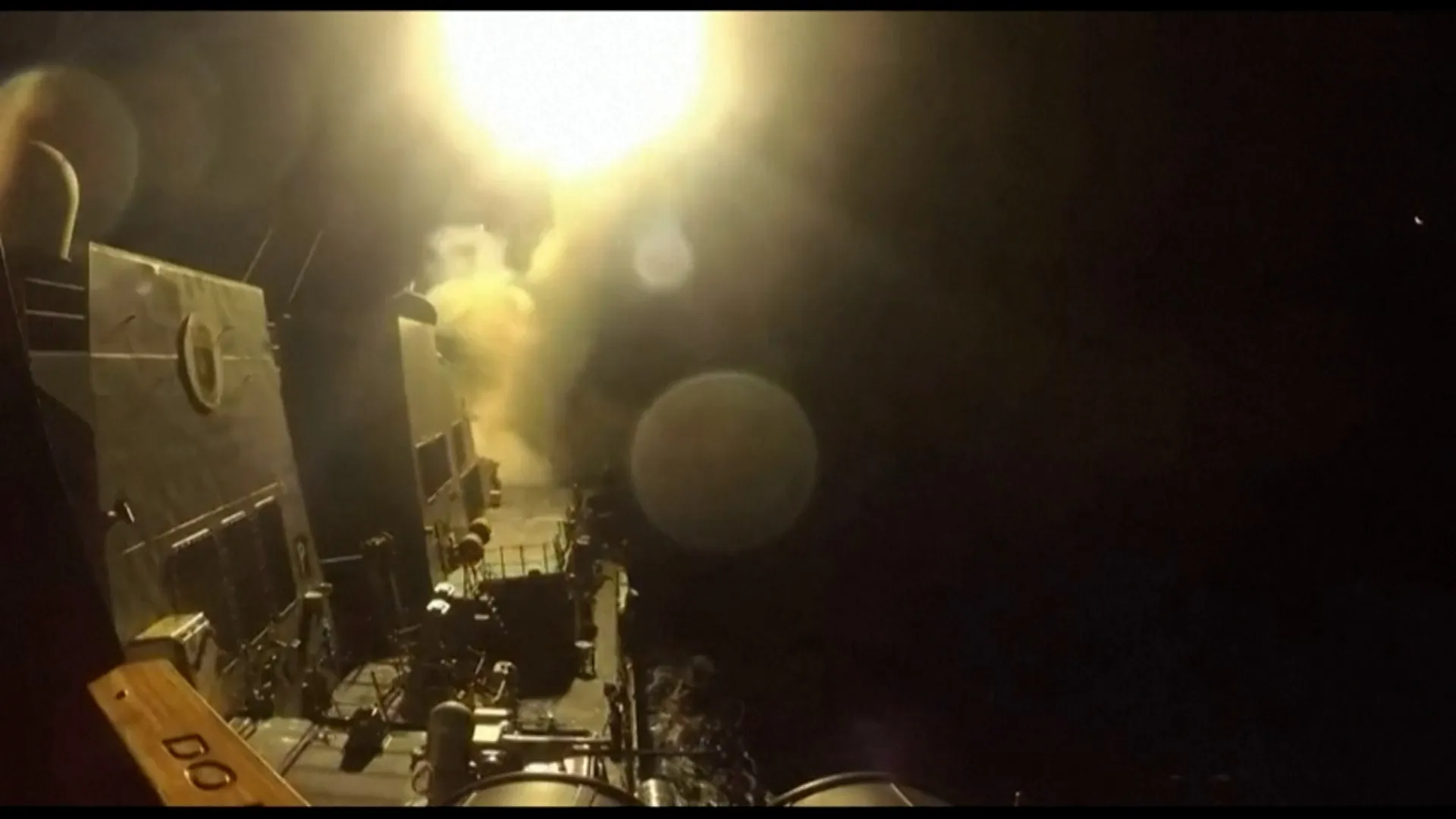
US Central Command Publishes Footage of Strikes Against Iranian Targets
 world
world
Allegations of Sexual Violence Surface in Israeli Detention Facilities
 world
world
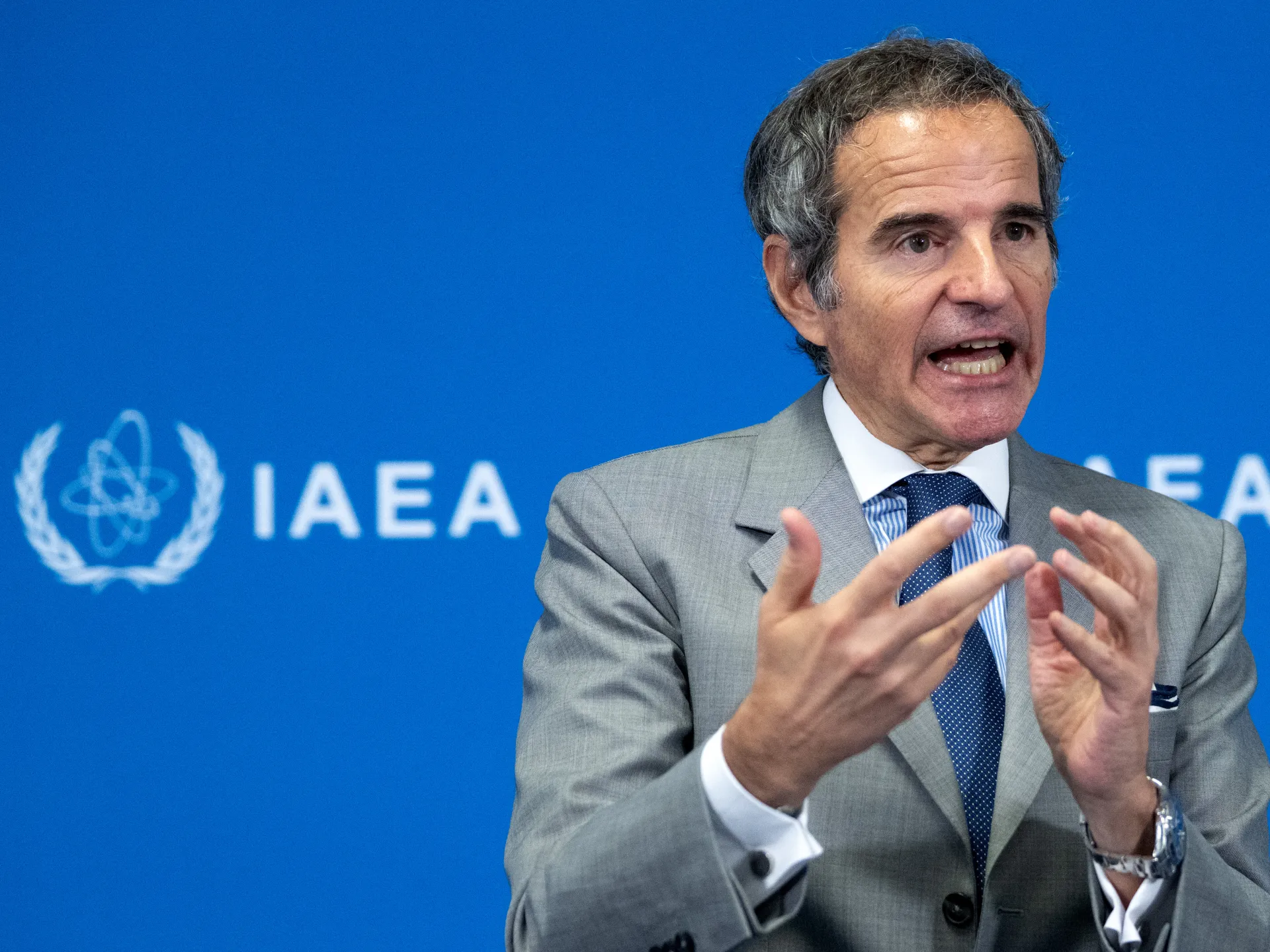
UN Watchdog Demands Iran Account for Enriched Uranium Stockpiles Amid Regional Tensions
 world
world