
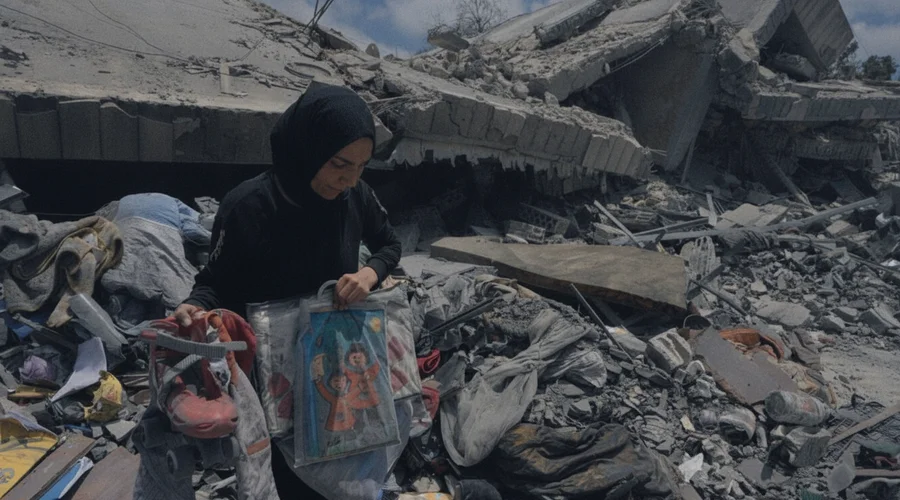
Renewed Tensions in Southern Lebanon
A fragile truce in southern Lebanon has been jeopardized following an incident that resulted in two fatalities and two injuries. The Lebanese state news agency reported that Israeli forces opened fire, marking the first reported deaths from Israeli fire in the region in three days. This development threatens a United States-brokered ceasefire that had largely been in effect since Sunday.
According to Lebanon's National News Agency (NNA), two men were killed when Israeli soldiers used machine guns against them. The incident occurred while the men were near an excavator, reportedly clearing a road in a town close to the city of Nabatieh. This event has reignited concerns about the stability of the ceasefire and the broader security situation in the area.
Hezbollah's Denunciation and Israeli Response
The Lebanese armed group Hezbollah swiftly condemned the incident, labeling it a 'treacherous attack' and a 'blatant' violation of the existing truce. The group, however, did not immediately indicate whether it would retaliate. Earlier statements from Mahmoud Qamati, deputy head of Hezbollah’s political council, conveyed that the group would respond to any Israeli ceasefire violations 'in kind,' emphasizing that a return to the pre-war situation, characterized by frequent Israeli attacks while Hezbollah maintained its fire, would not occur. Qamati asserted Hezbollah's readiness, stating, 'Hezbollah remains fully alert with its finger on the trigger, ready to confront any violation by the Israeli regime.'
In response, the Israeli military stated that it 'struck armed terrorists who posed an immediate threat' to its soldiers. The incident reportedly took place in the Ali al-Taher ridge area of southern Lebanon, within a 'security zone' that Israeli forces have established in the region.
Broader Conflict Context and Casualties
The recent escalation occurs within a broader context of ongoing conflict between Israel and Hezbollah. Since March 2, Israeli attacks on Lebanon have reportedly claimed the lives of at least 4,106 people and displaced approximately 1.2 million individuals from their homes. On the Israeli side, the latest conflict with Hezbollah has resulted in the deaths of at least 32 soldiers and four Israeli civilians.
In a joint statement, Israeli Prime Minister Benjamin Netanyahu, Defence Minister Israel Katz, and Chief of the General Staff Eyal Zamir affirmed the Israeli military's commitment to 'act with determination in order to neutralize threats against our soldiers and our citizens.' They also indicated that the military would continue to dismantle Hezbollah's infrastructure and maintain the 'security zone in southern Lebanon.' Earlier, Netanyahu had publicly asserted Israel's 'full freedom of action' in Lebanon and a firm stance on remaining in the security zone 'for as long as is required.'
International Diplomacy and Public Skepticism
The international community has also weighed in on the situation. Iran’s Foreign Ministry spokesman, Esmaeil Baghaei, called on the United States to compel Israel to cease its attacks on southern Lebanon. Baghaei emphasized the US obligation to end the conflict, noting the continued Israeli actions and stating there was 'no justification whatsoever for the Zionist entity to continue to assault Lebanon.' While acknowledging the complexity of the Israel-Hezbollah conflict, Baghaei expressed optimism that 'final arrangements' would be reached in the coming days.
A new round of US-mediated negotiations between Israel and Lebanon is scheduled to commence in Washington, with discussions expected to last until Thursday. Lebanon's delegation is led by Ambassador Nada Moawad, while Ambassador Yechiel Leiter heads the Israeli team, with US officials also participating. Lebanon seeks Israel's withdrawal from its southern territory, where Israel has established a 'buffer zone' covering about 6 percent of Lebanese land. Israel, conversely, aims for the 'disarmament' of Hezbollah. Hezbollah maintains that the talks should focus solely on 'mutual security,' with its weaponry remaining outside the scope of negotiations.
Many residents in Lebanon express deep skepticism regarding the ceasefire agreement. Mohammed Yassin, a 60-year-old from Hula, stated he would return home only 'the moment they say the [way] is open and things are OK.' He added, 'We don’t trust the ceasefire, because Israel is deceitful. It’s not like [they are] people who commit to what they say.'
Suzanne, also 60, shared her family's plight after Israeli attacks on Beirut’s southern suburbs, Dahiyeh, rendered them homeless. 'We were renting in the Dahiyeh and the homes are gone. They hit [bombed] them – there are no homes [left]. Where are we supposed to go? We don’t know where we’re supposed to go,' she recounted. Her sentiments echoed Yassin's distrust: 'We don’t have trust, because several times they’ve said there was a ceasefire, and then they go back to attacking again. I mean, they are people who can’t be trusted.'
Source: Al Jazeera
Related Articles
 world
world
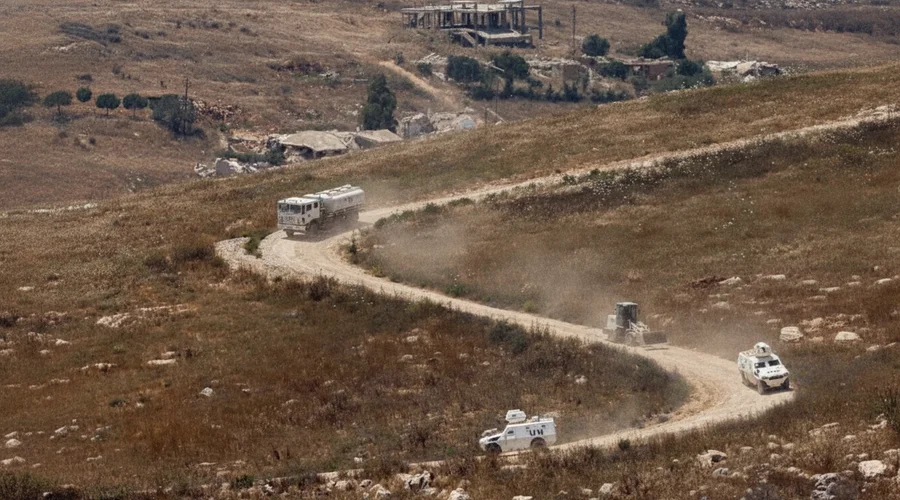
US Eases Sanctions on Iran Amid Nuclear Talks; Tensions Persist in Lebanon
 world
world
France Experiences Record Heatwave Amidst Tragic Drowning Incidents
 world
world
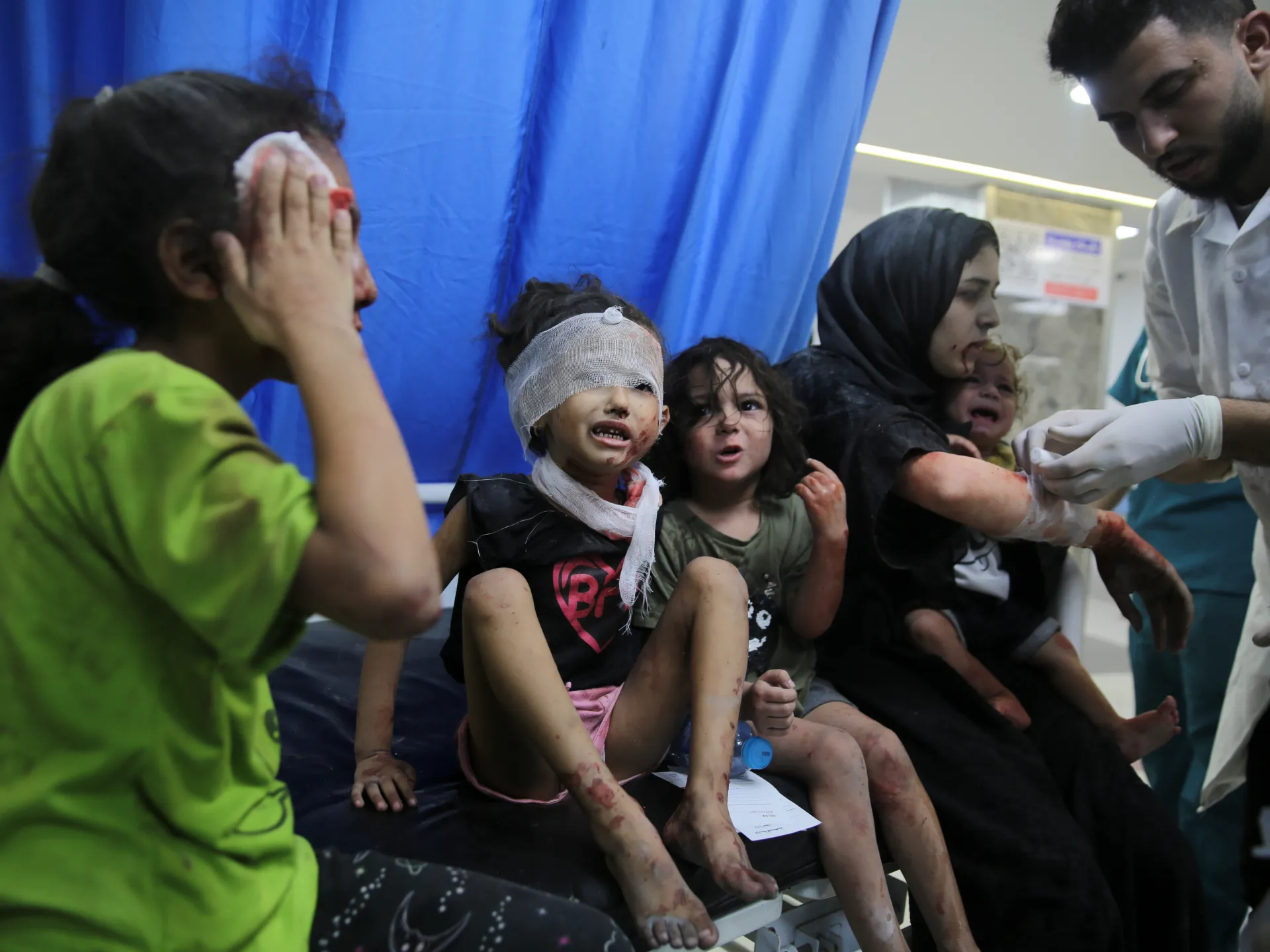
UN Inquiry Alleges Deliberate Harm to Palestinian Children in Gaza, Citing Potential Genocide
 world
world