
Recent Developments in Middle Eastern Tensions
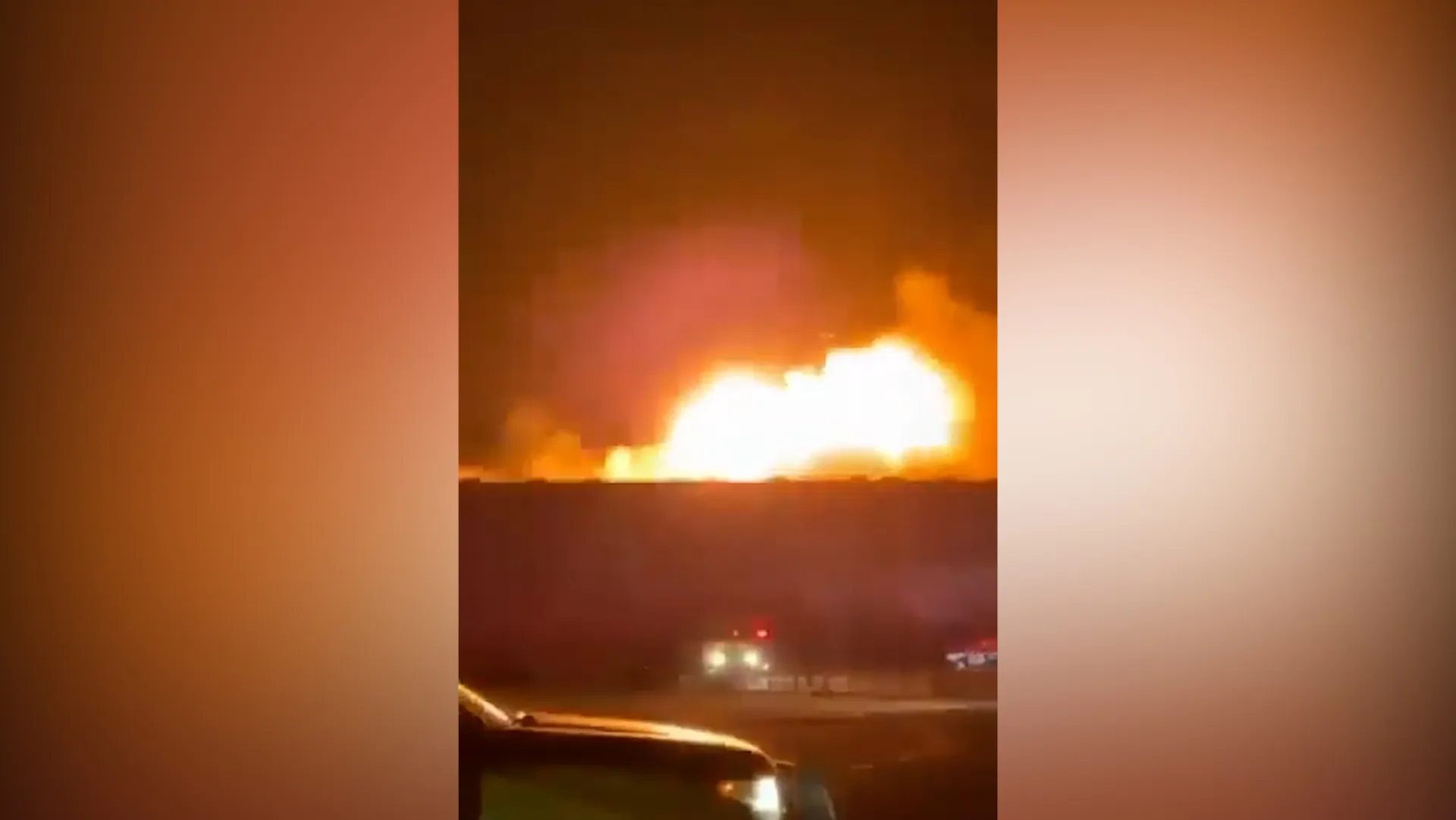
The geopolitical landscape in the Middle East has become increasingly volatile, with Iran launching a series of attacks on neighboring countries. These military actions targeted Kuwait, Bahrain, and Jordan, with Iranian forces claiming the destruction of the US Fifth Fleet’s command center.
Responses to US Military Operations
The Iranian attacks are seen as a response to ongoing US military operations, which have targeted Iran's coastal cities. These operations followed a breakdown in diplomatic discussions between the two nations, further exacerbating regional tensions.
Implications for Regional Stability
This escalation could have significant implications for regional stability. The involvement of multiple countries highlights the potential for a broader conflict, drawing in various national and international interests.
- The situation underscores the fragile nature of diplomatic relations in the region.
- There are concerns about the impact on global oil supply, given the strategic importance of the affected areas.
- International bodies are urging both nations to return to negotiations to prevent further military escalation.
Both the United States and Iran have significant military capabilities, and their actions are being closely monitored by global powers and international organizations.
Global Reactions
The international community has expressed concern over the rapid deterioration of relations between the US and Iran. Several countries have called for immediate de-escalation and a return to diplomatic negotiations as a means to resolve the ongoing conflict.
Many nations are wary of the potential humanitarian impact that prolonged military conflict could have on the civilian populations in the affected regions.
Source: Original Article
Related Articles
 world
world
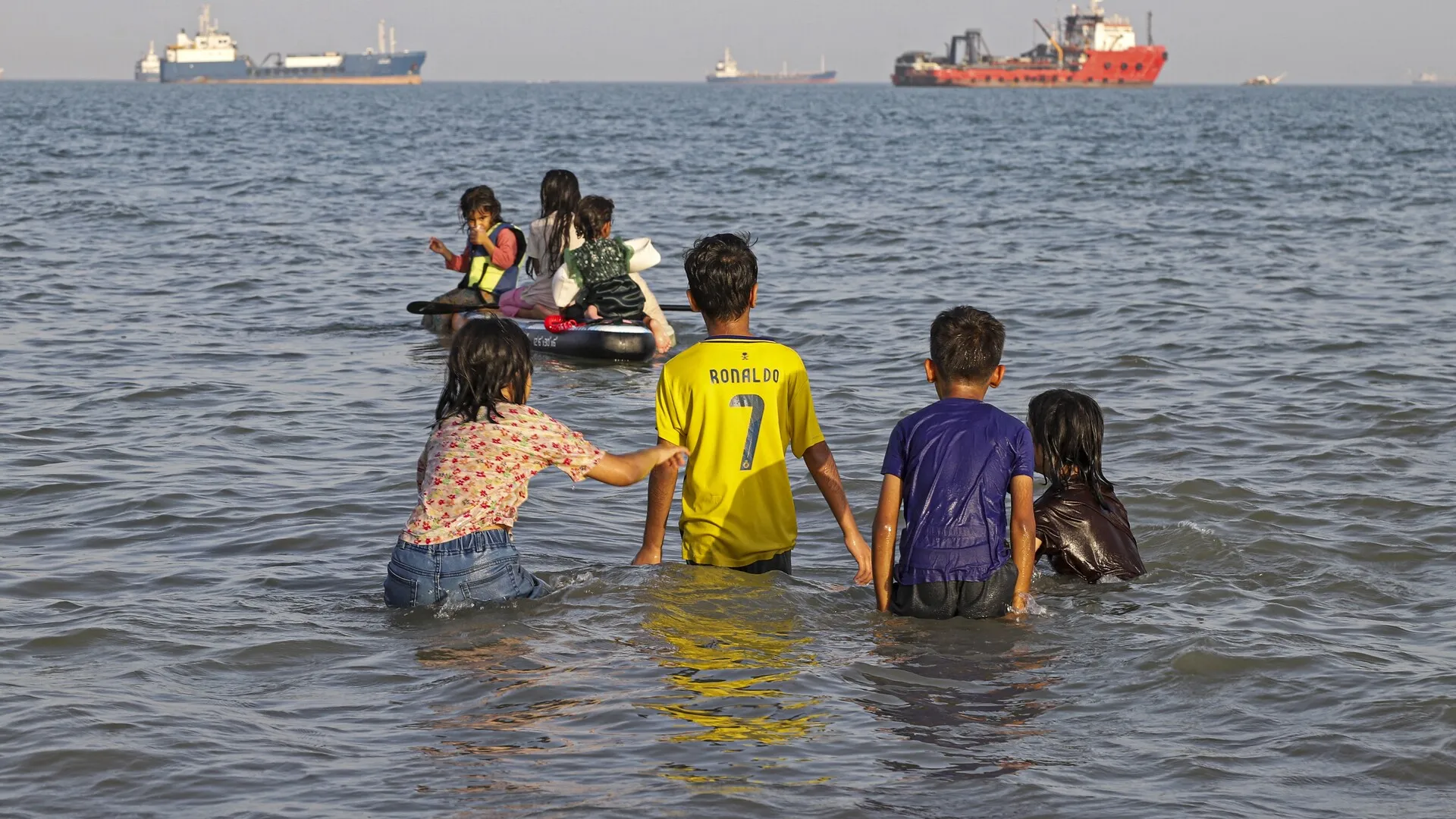
Examining the Impact of US Military Actions on Iran's Southern Coastal Regions
 world
world
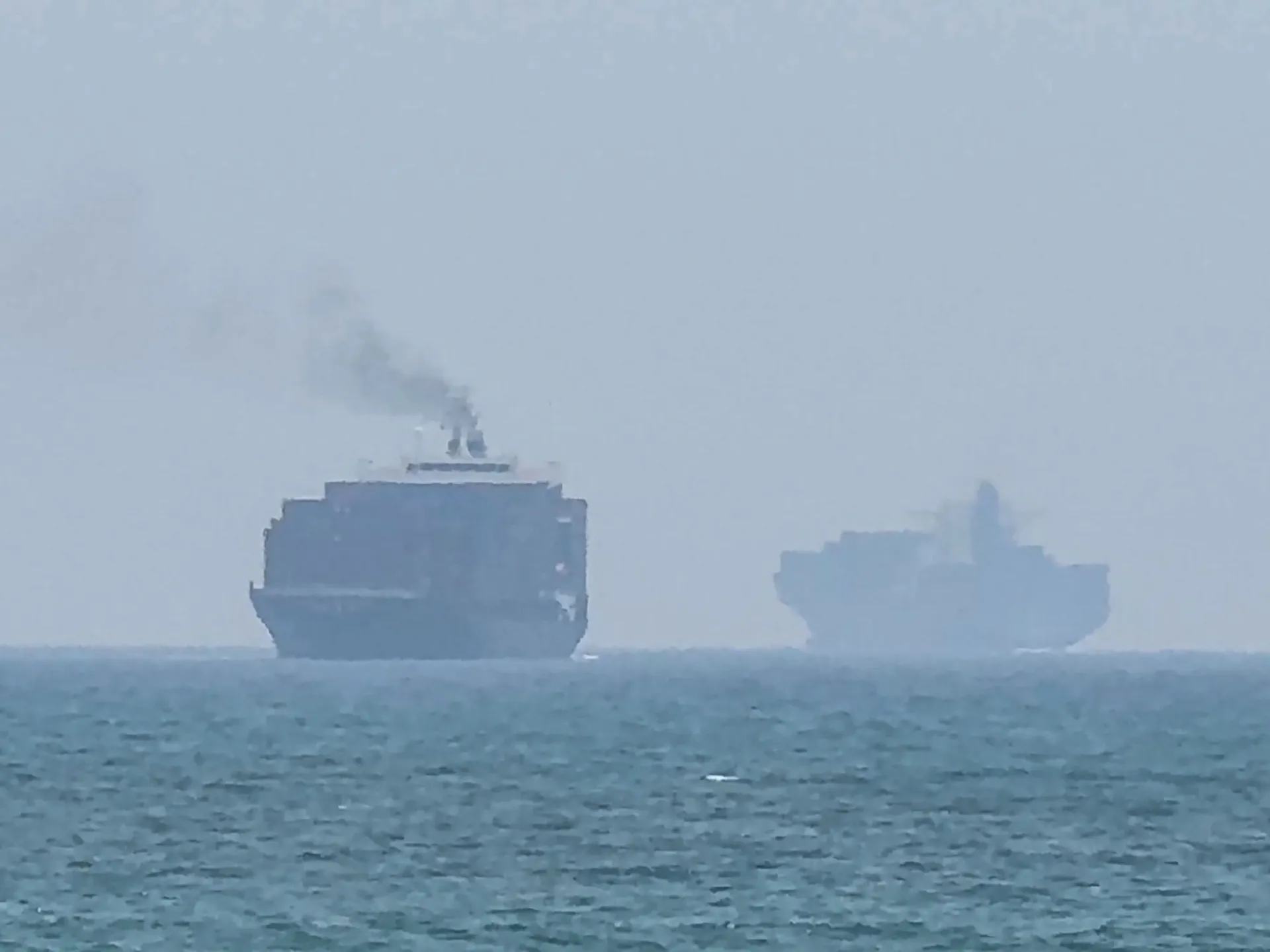
Escalating Tensions: US Strikes Iran, IRGC Claims Retaliation Across Gulf
 world
world
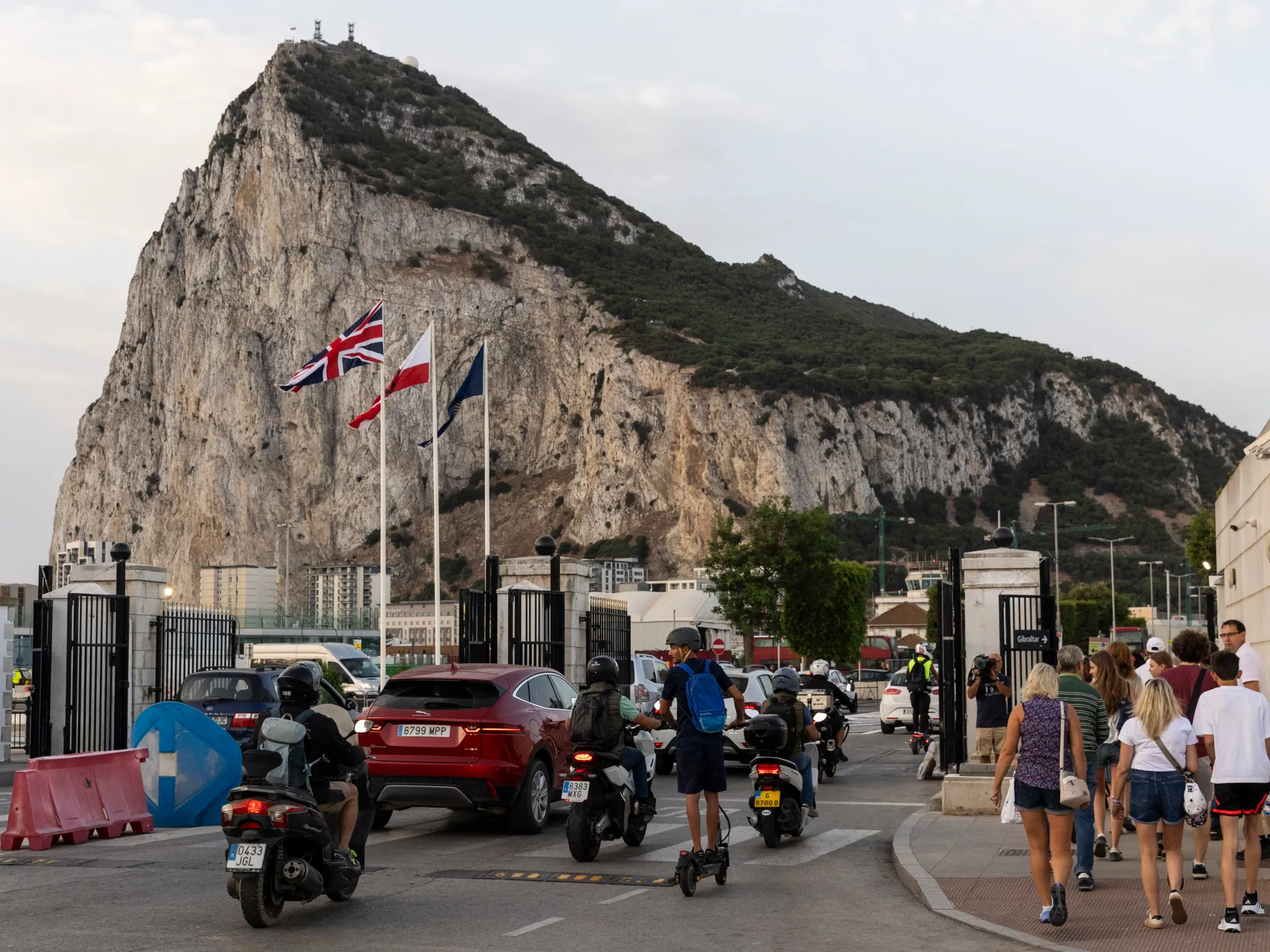
Residents Celebrate New UK-EU Treaty with Crossings Between Spain and Gibraltar
 world
world