
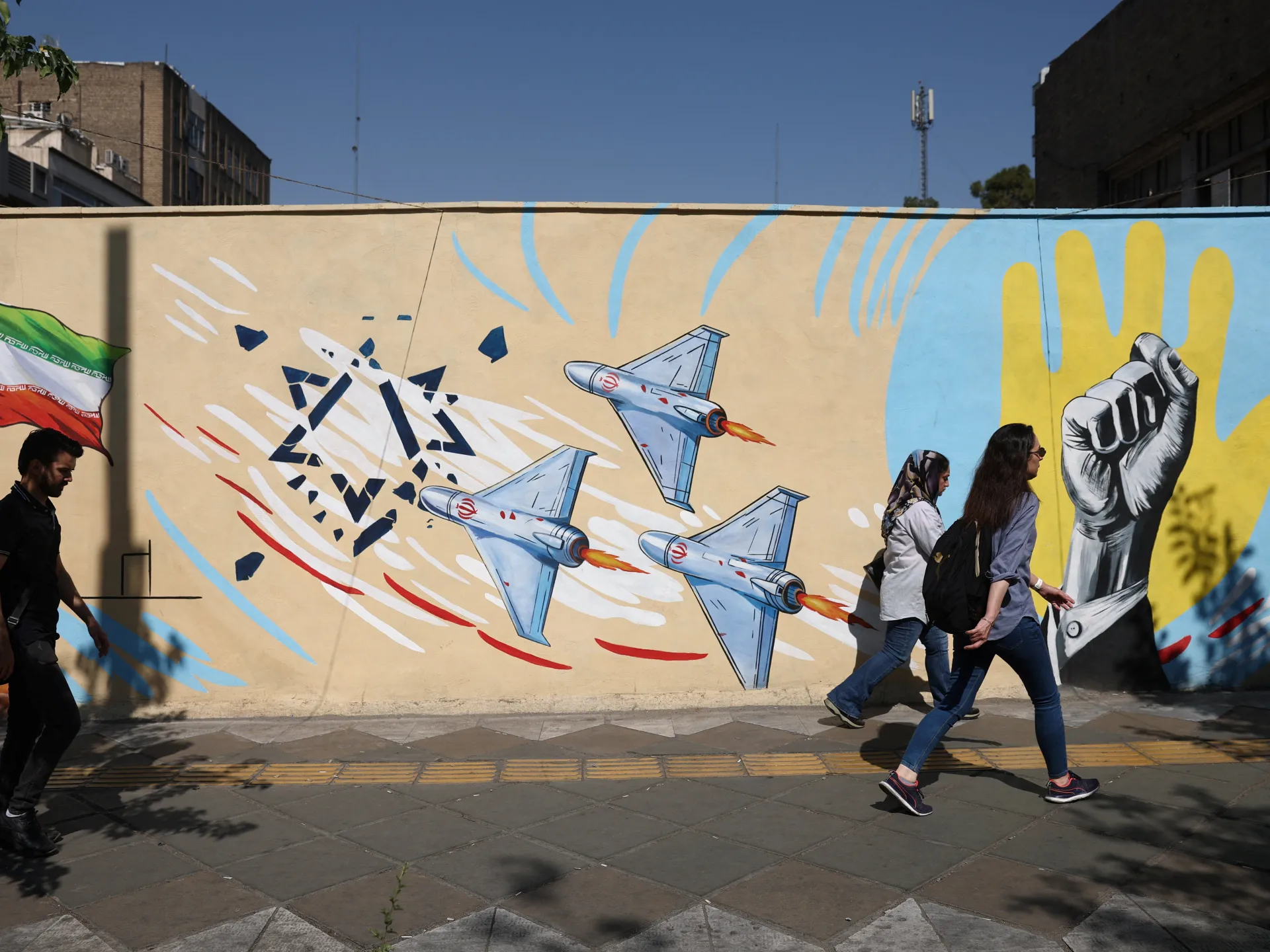
Recent Developments Fuel Regional Instability
Recent days have witnessed a significant increase in military activity between the United States and Iran, raising concerns about broader regional destabilization. The exchange of strikes follows the reported downing of a US helicopter, prompting a series of retaliatory actions from both sides and drawing international attention to the precarious state of relations between Washington and Tehran.
The sequence of events began with the US military announcing that it conducted "self-defense strikes" against Iranian targets. This action was taken after a US Apache helicopter was reportedly shot down over the Strait of Hormuz. US President Donald Trump confirmed the incident, characterizing it as a direct act against American assets and vowing a response. The US strikes were reportedly focused on radar and missile defense sites within Iran, suggesting a targeted approach aimed at demonstrating resolve without immediately broadening the conflict.
In response, Iran's Islamic Revolutionary Guard Corps (IRGC) declared that it had launched its own drone and missile attacks. These strikes were directed at what the IRGC described as "US-linked military targets" situated in Bahrain, Kuwait, and Jordan. Iranian Foreign Minister Abbas Araghchi issued a stern warning, stating that Iran would not allow any attack or threat to go unanswered, underscoring Tehran's commitment to maintaining its deterrent capabilities.
Incidents Within Iran
Following the US strikes, Iranian state media reported multiple explosions across key locations near the Strait of Hormuz. Qeshm Island and the port city of Sirik were among the areas reported to have been hit by projectiles. Residents also described explosions near Bandar Abbas and Jask, regions strategically vital due to their proximity to one of the world's most critical oil shipping routes. These incidents indicate that the US response was not confined to isolated areas, but rather impacted a broader geographical spread within Iran's southern territories.
Analysts from Tehran have suggested that Iran's retaliation is driven by a strategic imperative to preserve its deterrence against both the United States and Israel. Iranian officials and military sources have consistently communicated their stance that any attack on Iranian soil will be met with a response. From Tehran's perspective, a failure to retaliate would signal weakness, potentially inviting further military pressure and undermining its regional standing. Maintaining a credible deterrent remains a cornerstone of Iran's defense and foreign policy.
Impact on Gulf Nations and Jordan
The IRGC's retaliatory actions extended beyond Iran's borders, impacting several Gulf nations and Jordan. The Revolutionary Guard claimed responsibility for a drone attack against the US Fifth Fleet, stationed in Bahrain. This attack was explicitly framed as a direct response to the earlier US strikes, with the IRGC issuing a warning of more severe retaliation if US military actions persisted.
In Kuwait, air defense systems were reportedly activated to intercept "hostile aerial targets." The Kuwaiti army urged its residents to adhere to official safety guidelines and rely on authorized sources for information, reflecting the heightened state of alert in the region. The activation of air defenses underscores the immediate and tangible impact of the US-Iran confrontation on neighboring countries.
Furthermore, the IRGC claimed its Aerospace Force launched long-range missiles at an airbase in Jordan that hosts US military personnel. The IRGC asserted that this attack resulted in the destruction of four key targets, including hangars for F-35 fighter jets and a command-and-control center. However, these specific claims regarding the extent of the damage have not been independently verified, leaving room for uncertainty regarding the full impact of the strike.
Diplomatic Perspectives and Future Outlook
Despite the recent escalation, some voices suggest that both sides may be attempting to contain the crisis. Retired US General Mark Kimmitt, speaking to Al Jazeera, observed that the limited scope of both the US and Iranian strikes could indicate a mutual effort to prevent a wider conflict. He posited that the US response was designed to convey that the downing of a US helicopter would not go unaddressed, while characterizing Iran's retaliation as relatively restrained. Kimmitt expressed skepticism about further significant escalation, suggesting that these exchanges might even pave the way for a return to diplomatic engagement. He noted that Iran often publicly signals when it considers a military operation complete, which could be a precursor to de-escalation.
Conversely, Al Jazeera's Alan Fisher, reporting from Washington, highlighted the persistent risk of a tit-for-tat escalation. While acknowledging that the US strikes were seemingly limited, targeting specific military assets rather than broader strategic infrastructure, he emphasized that the critical factor remains Tehran's subsequent response. Fisher pointed out that President Trump has insisted that these operations should not derail ongoing peace talks, yet the coming hours and days will be crucial in determining whether the existing ceasefire can hold and diplomacy can resume, or if the US and Iran will descend into a cycle of direct military confrontations.
Ongoing Challenges in Lebanon
Separately, southern Lebanon continues to experience deadly attacks. Recent reports indicate that at least 17 individuals were killed and dozens wounded in attacks across the region. The Israeli military has issued new displacement orders for the city of Tyre, including its Christian quarter for the first time. This directive has compelled thousands of residents and displaced families to evacuate before anticipated strikes hit the city, underscoring the broader regional instability that persists alongside the US-Iran tensions.
Source: Original Article
Related Articles
 world
world
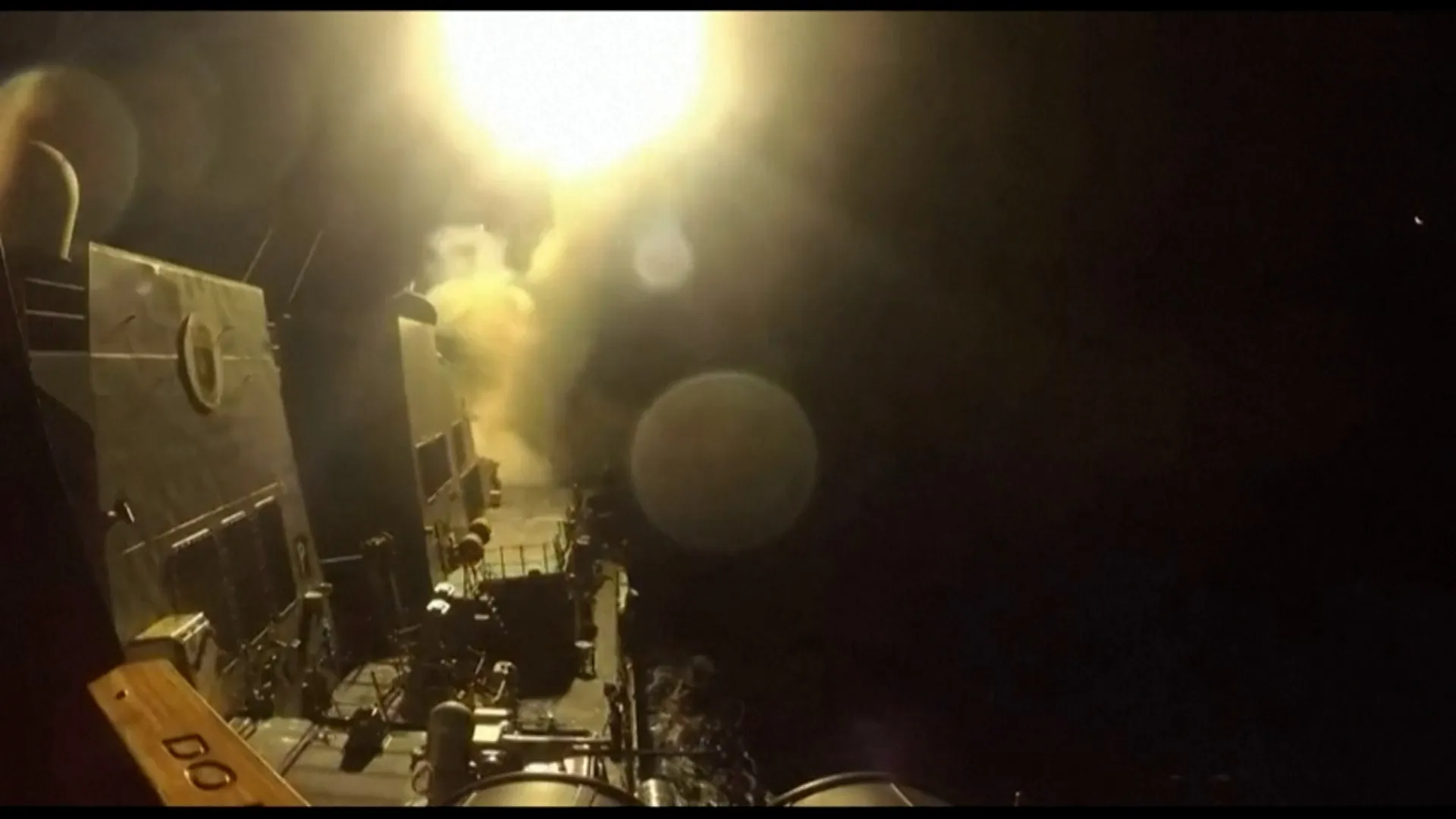
US Central Command Publishes Footage of Strikes Against Iranian Targets
 world
world
Allegations of Sexual Violence Surface in Israeli Detention Facilities
 world
world
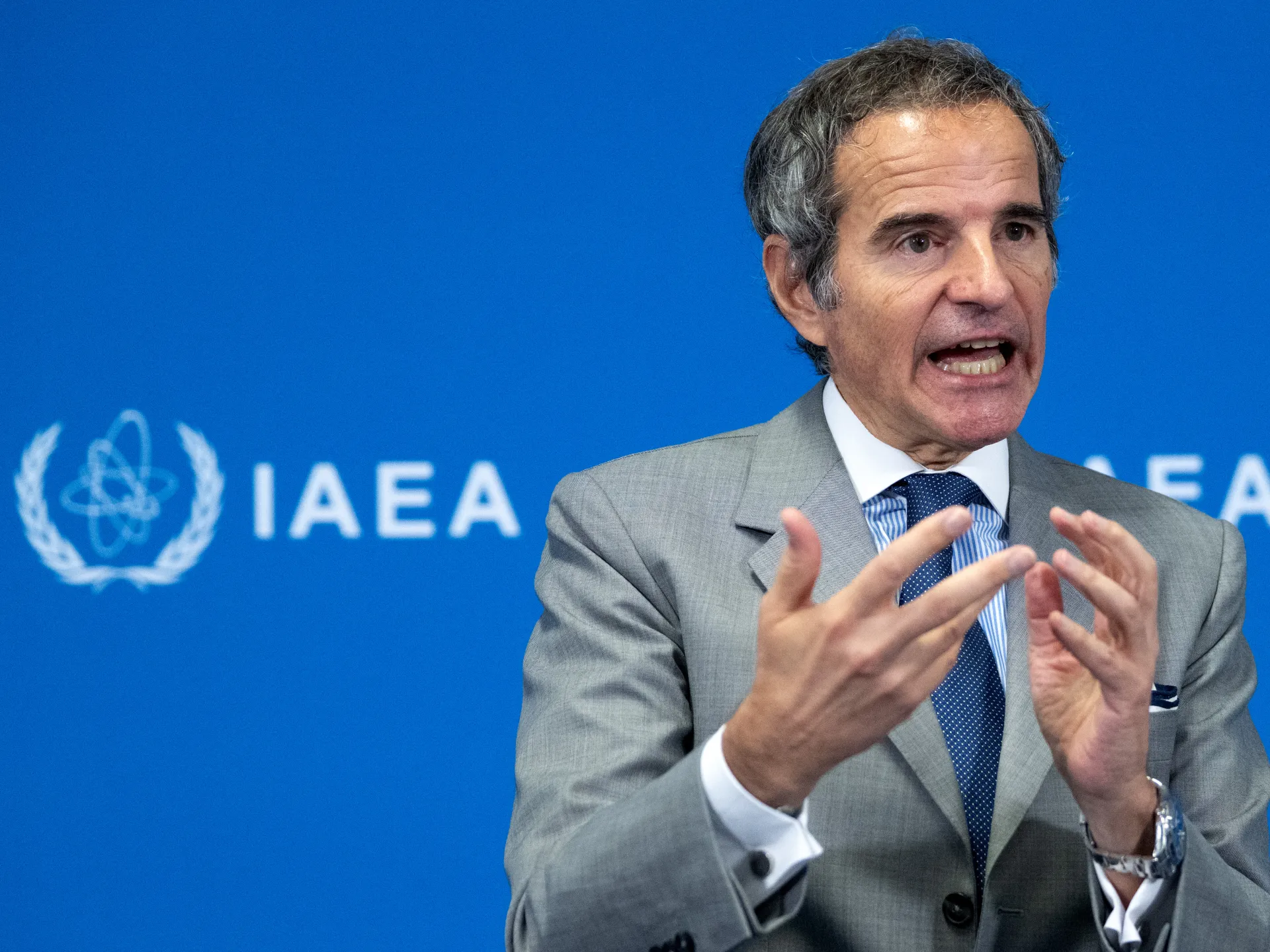
UN Watchdog Demands Iran Account for Enriched Uranium Stockpiles Amid Regional Tensions
 world
world