
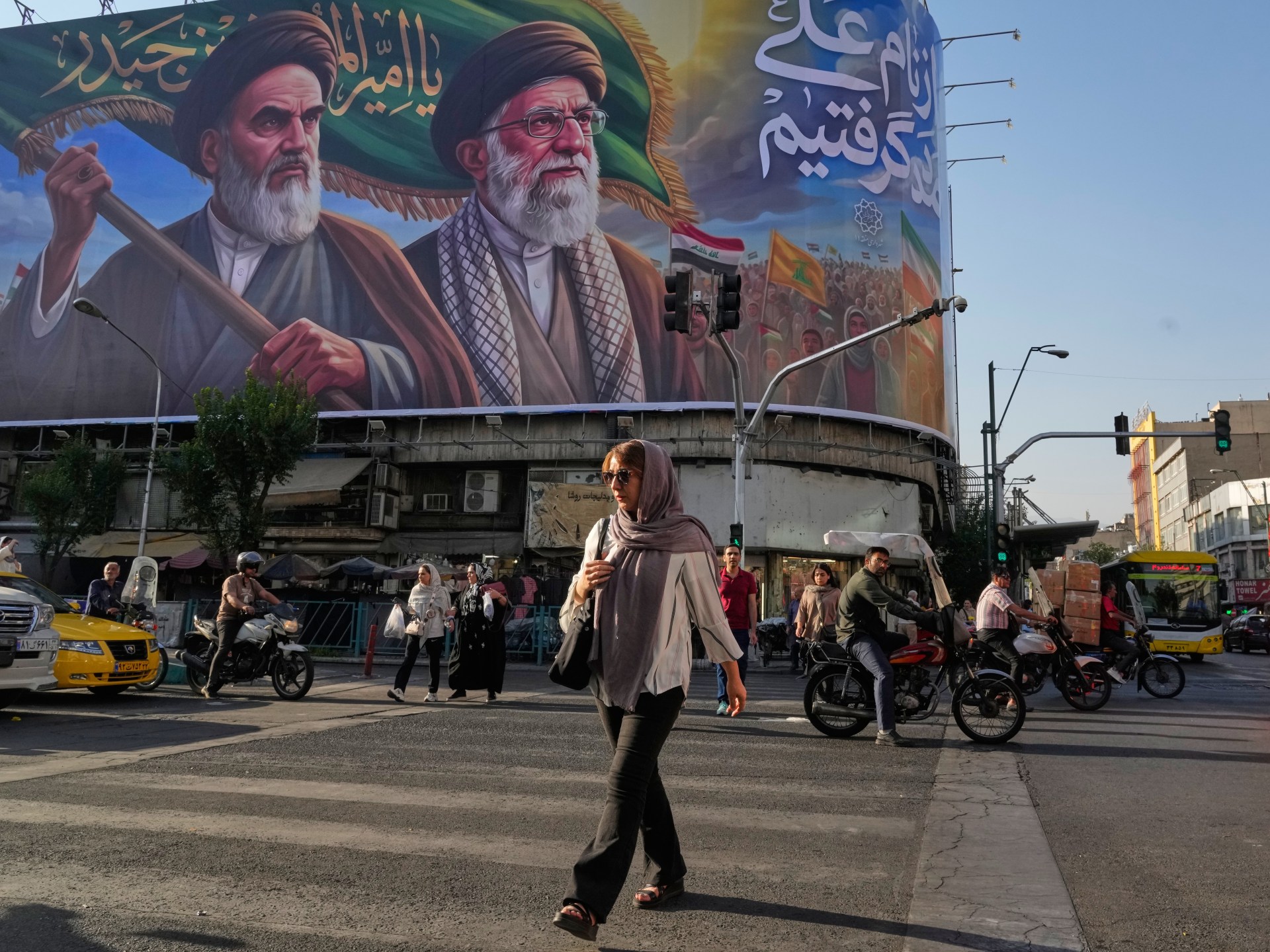
Regional Geopolitics and Escalating Rhetoric
The intricate geopolitical landscape of the Middle East has recently seen a significant increase in rhetorical exchanges, particularly between Iran and Lebanon, which have inadvertently contributed to the backdrop of renewed hostilities involving Israel. These verbal confrontations are not isolated incidents but rather reflections of deeper, long-standing regional rivalries and power struggles. The interplay of these statements often serves as a barometer for the underlying tensions and potential for military escalation.
Iran's Stance and Warnings
A key element in this evolving narrative has been Iran's explicit warnings regarding the ongoing conflict. Iranian officials have reportedly indicated that diplomatic discussions and any potential de-escalation efforts could be jeopardized if Israel persists in its military actions against Lebanon. This stance highlights Iran's perceived role as a protector or ally of certain factions within Lebanon, particularly those aligned with its strategic interests. Such warnings are typically interpreted as attempts to exert influence and deter further Israeli incursions, signaling a red line that, if crossed, could lead to a broader regional entanglement.
The implication of Iran's statements is multifaceted. Firstly, it underscores the interconnectedness of regional conflicts, where actions in one theater can have ripple effects across multiple borders. Secondly, it positions Iran as a critical player in any future peace or conflict resolution efforts, suggesting that its endorsement or opposition can significantly sway outcomes. The threat of resuming attacks, as communicated by Iran, serves as a direct challenge to the status quo and a clear indicator of potential retaliatory measures should its warnings be disregarded.
Lebanon's Position Amidst Regional Pressures
Lebanon, often caught between powerful regional actors, finds itself in a precarious position. The country's internal political divisions and the presence of various armed groups, some with strong ties to external powers like Iran, make it particularly vulnerable to regional conflicts. When Iran issues warnings concerning Israeli actions in Lebanon, it invariably puts Beirut in a difficult spot, balancing its sovereignty with the demands and influences of its allies.
The civilian population in Lebanon bears the brunt of these escalating tensions. Any military action, whether originating from Israel or in retaliation from Lebanese soil, has devastating consequences for infrastructure, the economy, and human lives. The 'war of words' thus transitions from mere rhetoric to a tangible threat that impacts daily life and long-term stability within the nation.
Israel's Security Concerns and Operations
From Israel's perspective, its military operations are frequently framed as necessary security measures aimed at neutralizing threats emanating from its northern border. These threats often involve missile attacks, border infiltrations, or the buildup of capabilities by groups deemed hostile. The Israeli government typically asserts its right to self-defense and maintains that its actions are proportionate responses to perceived aggressions.
The warnings from Iran are likely viewed in Israel as attempts to constrain its operational freedom and protect its adversaries. This dynamic creates a cycle of action and reaction, where each side interprets the other's moves through a lens of suspicion and strategic calculation. The rhetorical battle, therefore, is not just about words but about defining narratives, justifying actions, and influencing international opinion.
The Broader International Context
The international community closely monitors these developments, often calling for de-escalation and diplomatic solutions. However, the deeply entrenched nature of these conflicts, combined with the involvement of multiple state and non-state actors, makes resolution incredibly challenging. The 'war of words' serves as a public declaration of intent and a means for various parties to signal their resolve and influence the regional balance of power.
Ultimately, the escalating rhetoric between Iran and Lebanon, set against the backdrop of ongoing Israeli military activities, underscores a region teetering on the brink. Each statement, each warning, and each military action contributes to a complex tapestry of conflict that demands careful diplomatic navigation to prevent further widespread violence.
Source: Al Jazeera
Related Articles
 world
world
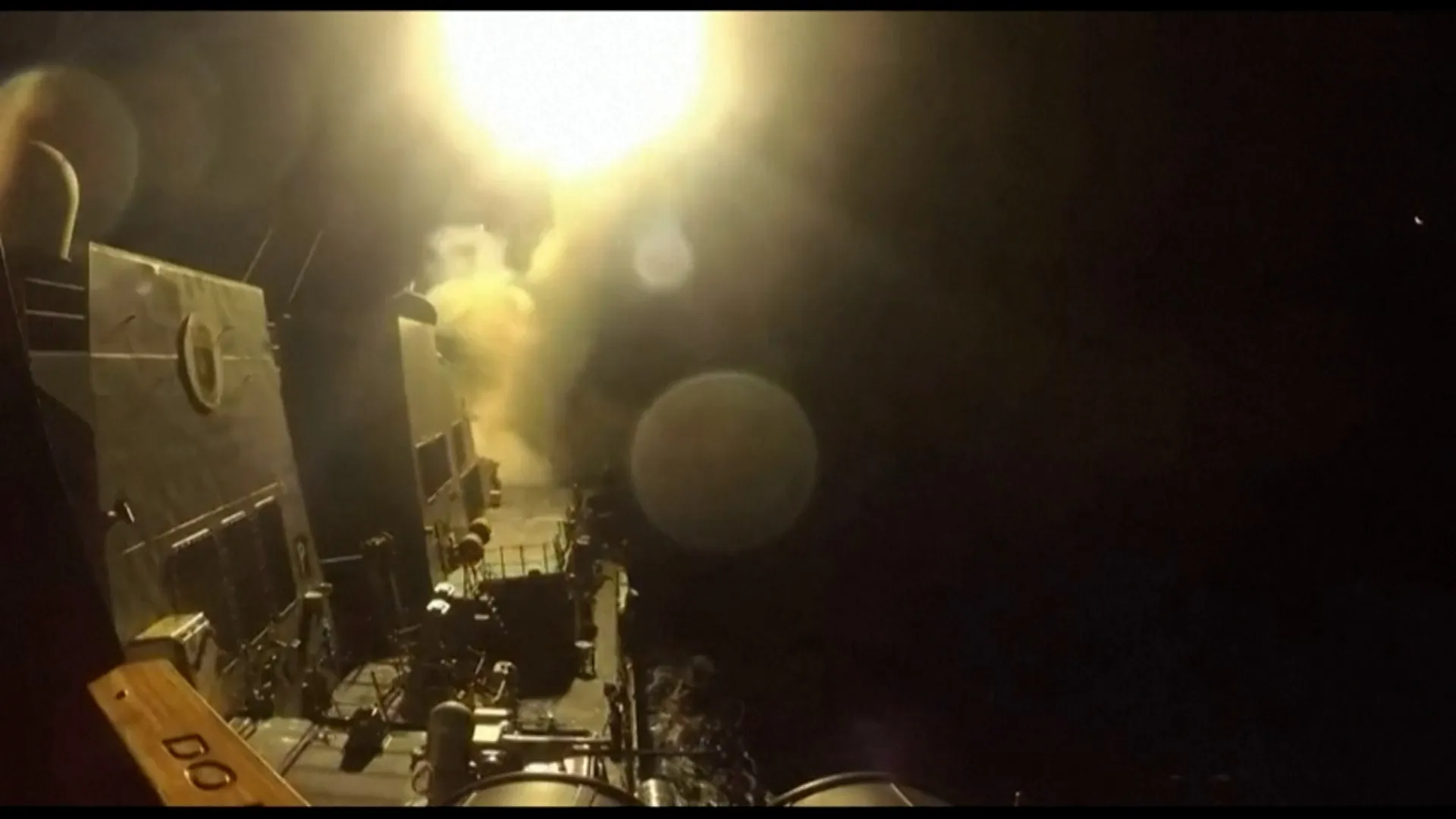
US Central Command Publishes Footage of Strikes Against Iranian Targets
 world
world
Allegations of Sexual Violence Surface in Israeli Detention Facilities
 world
world
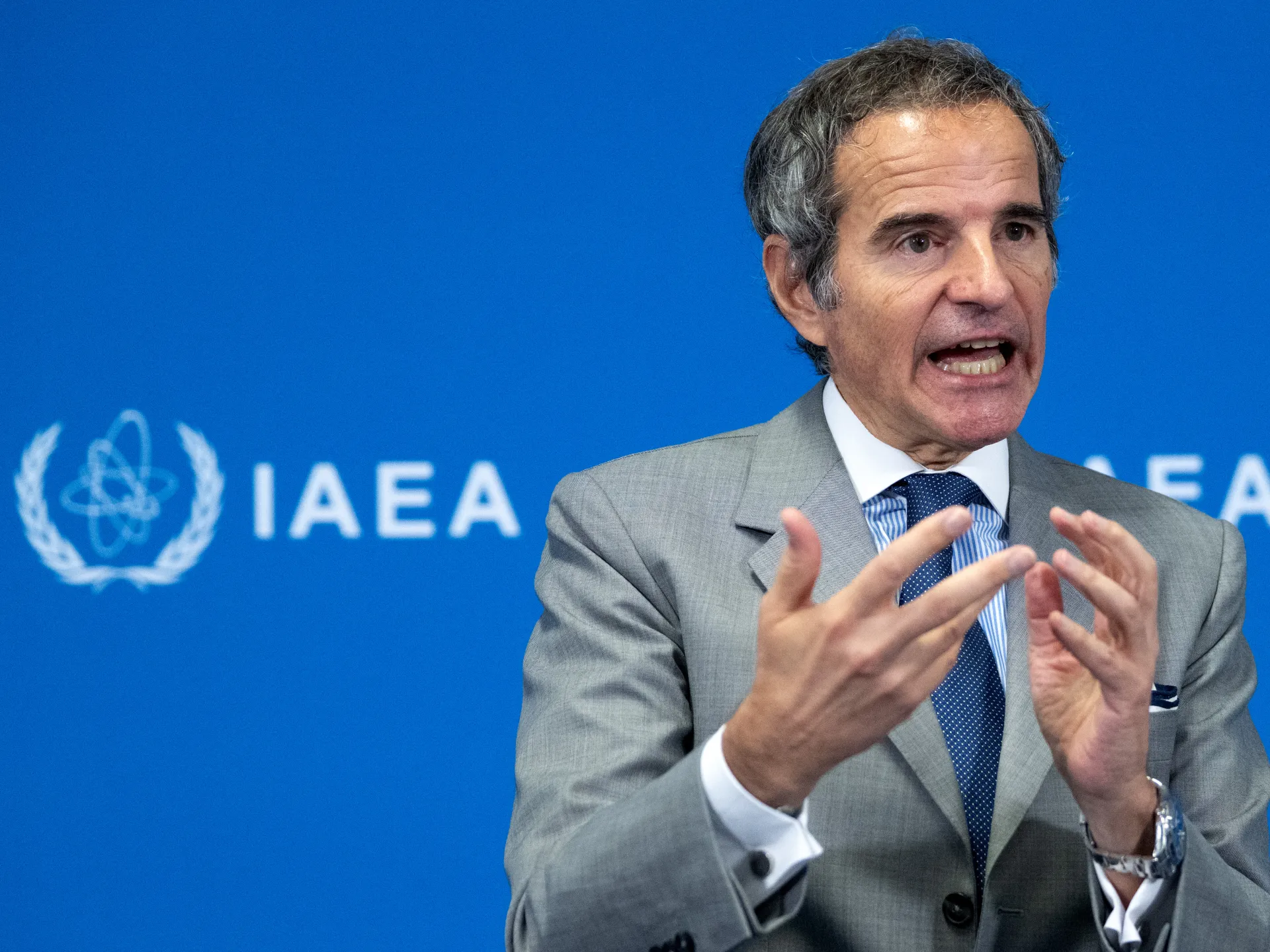
UN Watchdog Demands Iran Account for Enriched Uranium Stockpiles Amid Regional Tensions
 world
world