
Recent Developments in the Middle East
Recent events in the Middle East have brought renewed attention to the persistent tensions in the region. Specifically, Israeli military actions in Beirut and statements from former U.S. President Donald Trump regarding an upcoming deal with Iran have converged, creating a complex and potentially volatile situation. These developments underscore the intricate web of political and security challenges that characterize the geopolitical landscape of the Middle East.
Israeli Airstrikes Target Beirut Suburbs
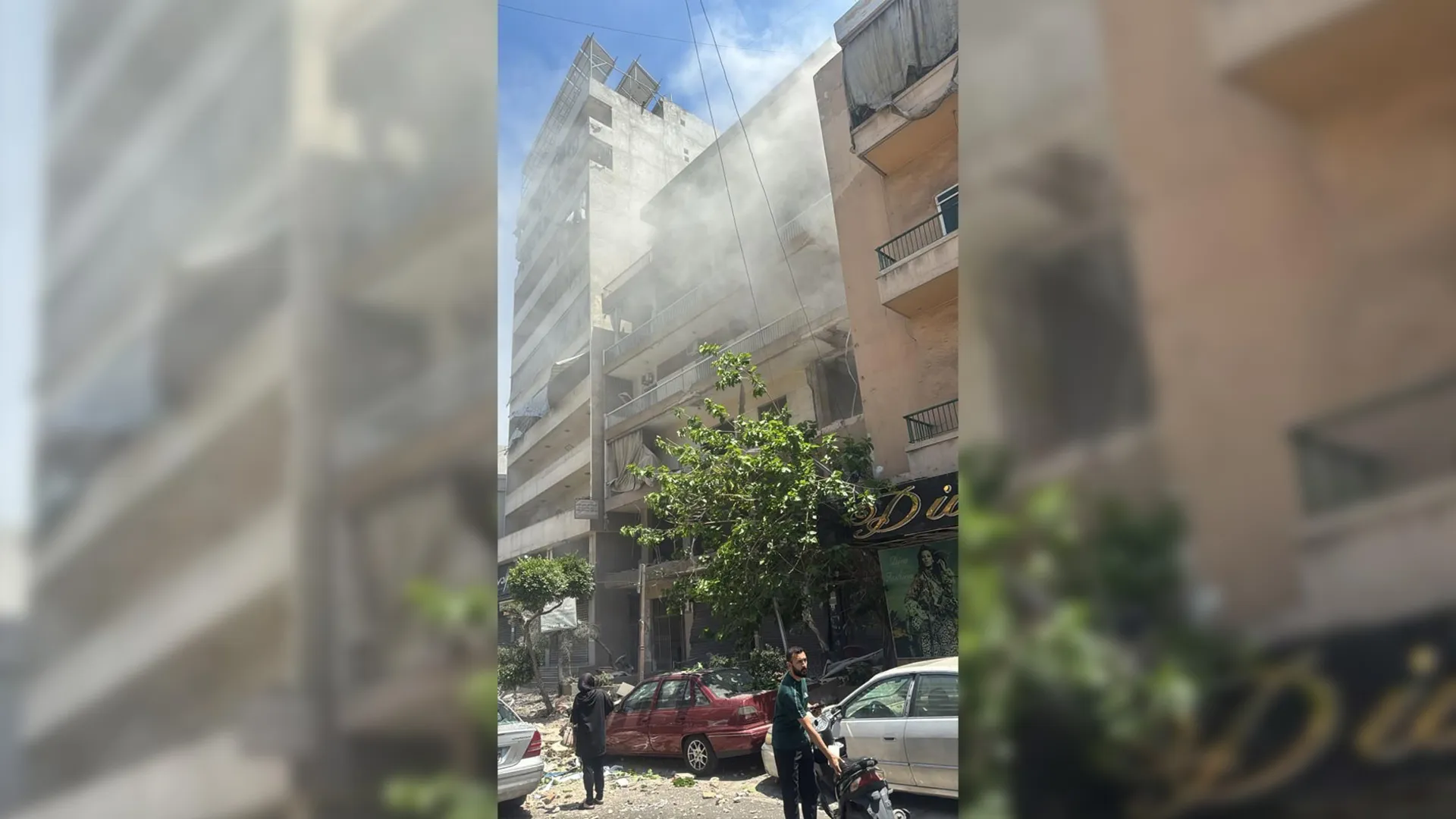
On a recent day, the southern suburbs of Beirut became the site of Israeli airstrikes. According to Israeli military statements, these operations were directed at what they described as Hezbollah 'infrastructure.' The strikes were reportedly carried out in retaliation for cross-border fire, indicating a continued cycle of aggression and response between the parties involved. This incident marks another chapter in the long-standing conflict dynamics that have frequently seen military exchanges across the Lebanese-Israeli border.
The timing of these airstrikes is particularly noteworthy as they occurred amidst an existing, albeit fragile, ceasefire. Reports suggest that this ceasefire has been repeatedly tested by various incursions and daily bombardments in southern Lebanon. Such actions highlight the precarious nature of any cessation of hostilities in the region, where underlying grievances and strategic objectives often lead to renewed conflict. The targeting of infrastructure, as claimed by Israel, often carries significant implications for civilian populations, even if the stated aim is military. These types of operations frequently draw international scrutiny and raise concerns about proportionality and the impact on non-combatants.
Trump's Announcement Regarding Iran
Concurrently with the military developments in Beirut, former U.S. President Donald Trump made a significant announcement concerning Iran. Trump indicated that an agreement to resolve the ongoing conflict with Iran was expected to be signed on an upcoming Sunday. This statement, if accurate, could signal a major diplomatic shift regarding one of the most contentious issues in international relations. The nature of this 'deal' and its specifics, however, remain largely undisclosed, leading to speculation and anticipation regarding its potential scope and impact.
The prospect of an agreement with Iran holds immense implications for regional stability and global energy markets. Iran's nuclear program, its role in various proxy conflicts, and its relations with Western powers have been central to Middle Eastern geopolitics for decades. A comprehensive deal could potentially de-escalate tensions, alter alliances, and reshape the balance of power in the region. Conversely, a poorly received or perceived agreement could exacerbate existing resentments and lead to further instability.
Interconnectedness of Regional Conflicts
The simultaneous occurrence of Israeli military action in Lebanon and the announcement regarding an Iran deal underscores the deeply interconnected nature of conflicts and diplomatic efforts in the Middle East. Events in one part of the region often have ripple effects across others, influencing the decisions and actions of multiple state and non-state actors. For instance, any significant shift in U.S.-Iran relations could indirectly affect the operational calculus of groups like Hezbollah, which has historically maintained strong ties with Tehran.
Furthermore, the ongoing violations of the ceasefire in southern Lebanon suggest a broader pattern of low-intensity conflict that persists despite international efforts to maintain peace. These localized skirmishes can easily escalate, especially when coupled with major diplomatic initiatives that could alter regional power dynamics. The interplay between military actions and high-stakes diplomacy creates a complex environment where carefully calibrated responses are crucial to prevent widespread conflict.
Looking Ahead
The coming days are likely to be critical as more details emerge regarding the purported Iran deal and as the situation along the Israeli-Lebanese border continues to evolve. Observers will be watching closely to understand the full implications of these developments for regional stability, international relations, and the prospects for long-term peace in the Middle East. The confluence of military engagements and diplomatic breakthroughs, or breakdowns, will undoubtedly shape the narrative and reality of the region for the foreseeable future.
Source: Israel attacks Beirut on same day Trump says Iran deal to be signed
Related Articles
 world
world
International Sanctions Target Settlers Amidst Escalating West Bank Tensions
 world
world
G7 Leaders Convene in France Amidst Critical Discussions on Iran and Ukraine
 world
world
Iran Cautions Against Israeli Presence in Lebanon, Citing Potential US Accord Violation
 world
world