
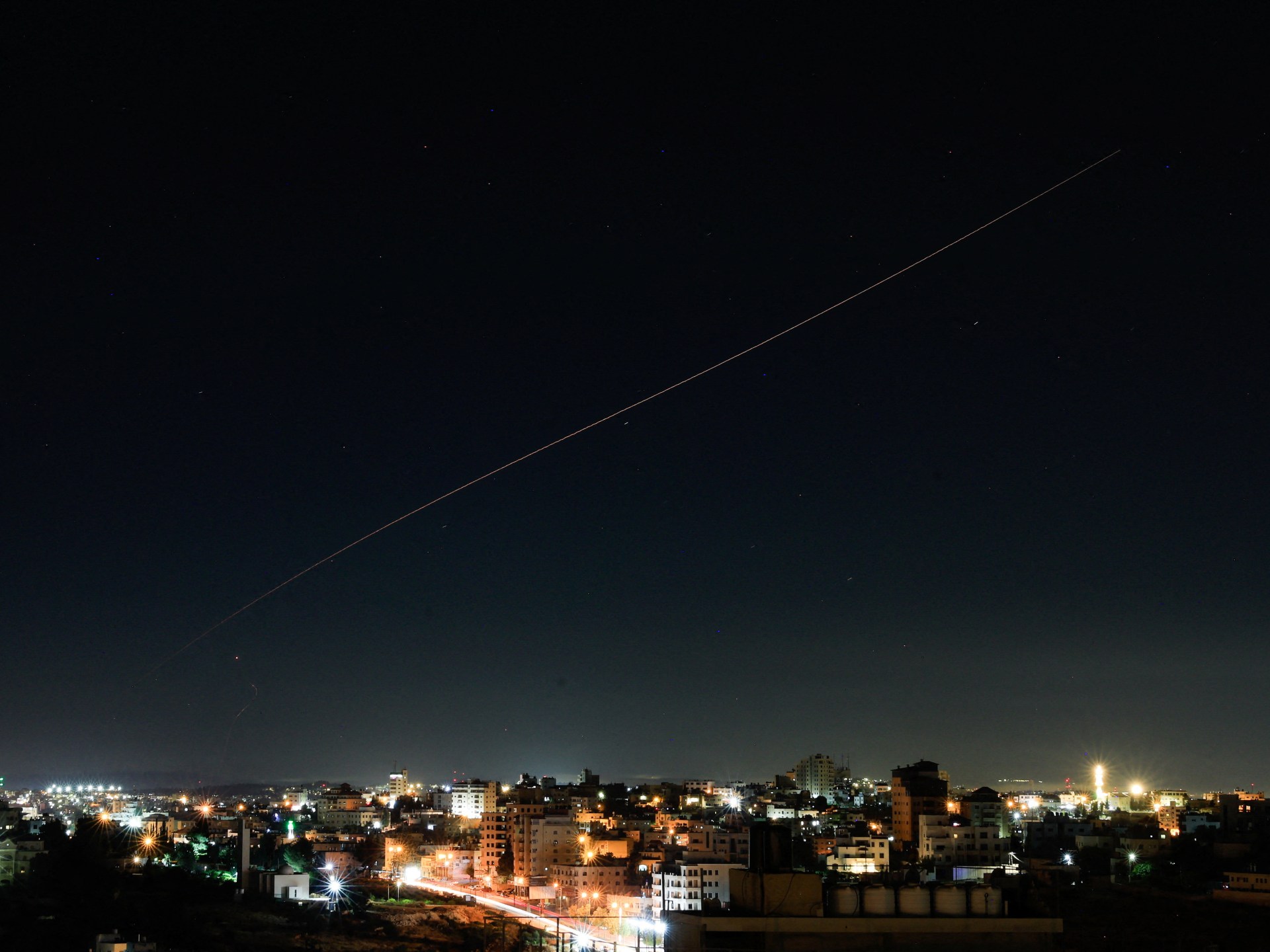
Recent Exchanges Heighten Regional Volatility
The Middle East is once again witnessing a precarious escalation in tensions between Iran and Israel, as both nations have reportedly engaged in reciprocal military strikes. These actions, while not explicitly declaring an end to the existing ceasefire, have ignited widespread concern among international observers and analysts about the fragile peace in the region.
For an extended period, a delicate truce has been in place, albeit one frequently challenged by proxy conflicts and indirect confrontations. However, the latest direct exchanges of fire mark a significant shift, indicating a more overt and potentially dangerous phase in their long-standing rivalry. Experts are closely monitoring the situation, suggesting that these recent events are not merely isolated incidents but calculated moves by both Tehran and Jerusalem to test the resolve and red lines of the other.
Strategic Maneuvering Amidst Fragile Peace
Security analysts and geopolitical strategists largely concur that both Iran and Israel are operating within a narrow window, deliberately pushing the boundaries of the ceasefire without fully abandoning it. This calculated brinkmanship is perceived as an attempt to accrue greater leverage in future negotiations or to deter further perceived aggressions from the opposing side. Each strike and counter-strike serves as a message, a demonstration of capability and resolve, aimed at influencing regional dynamics.
The underlying motivations for these actions are complex and multifaceted. From Israel's perspective, the strikes could be a response to perceived threats from Iranian-backed groups in the region, or an effort to disrupt Iran's nuclear program and its growing influence. Conversely, Iran's actions might be interpreted as a deterrent against Israeli aggression, a show of strength to its allies, or a response to previous Israeli operations targeting Iranian interests.
"Both sides are meticulously calibrating their responses, aiming to inflict a strategic cost without triggering a full-scale war. This is a dangerous game of 'chicken' that could easily spiral out of control," noted Dr. Elara Vance, a Middle East security expert.
Implications for Regional Stability
The immediate consequence of these escalating tensions is a heightened sense of instability across the Middle East. Neighboring countries and international powers are increasingly wary of the potential for a wider conflict, which could have devastating humanitarian and economic repercussions. The global oil markets, already sensitive to regional developments, are also likely to react to any further intensification of hostilities.
Moreover, these direct exchanges could undermine diplomatic efforts aimed at de-escalating the broader regional conflicts, particularly those involving proxy groups. The credibility of the ceasefire itself is now under scrutiny, raising questions about its enforceability and the commitment of both parties to a peaceful resolution.
The Path Forward: De-escalation or Further Confrontation?
The international community has called for restraint from both Iran and Israel, urging them to prioritize diplomatic channels and avoid actions that could further destabilize the region. However, given the deep-seated animosity and conflicting strategic interests, achieving a lasting de-escalation remains a formidable challenge.
The coming days and weeks will be crucial in determining whether these recent military actions represent a temporary spike in tensions or a prelude to a more sustained period of direct confrontation. The world watches anxiously as both nations navigate this perilous path, with the stability of the entire region hanging in the balance.
Source: Al Jazeera
Related Articles
 world
world
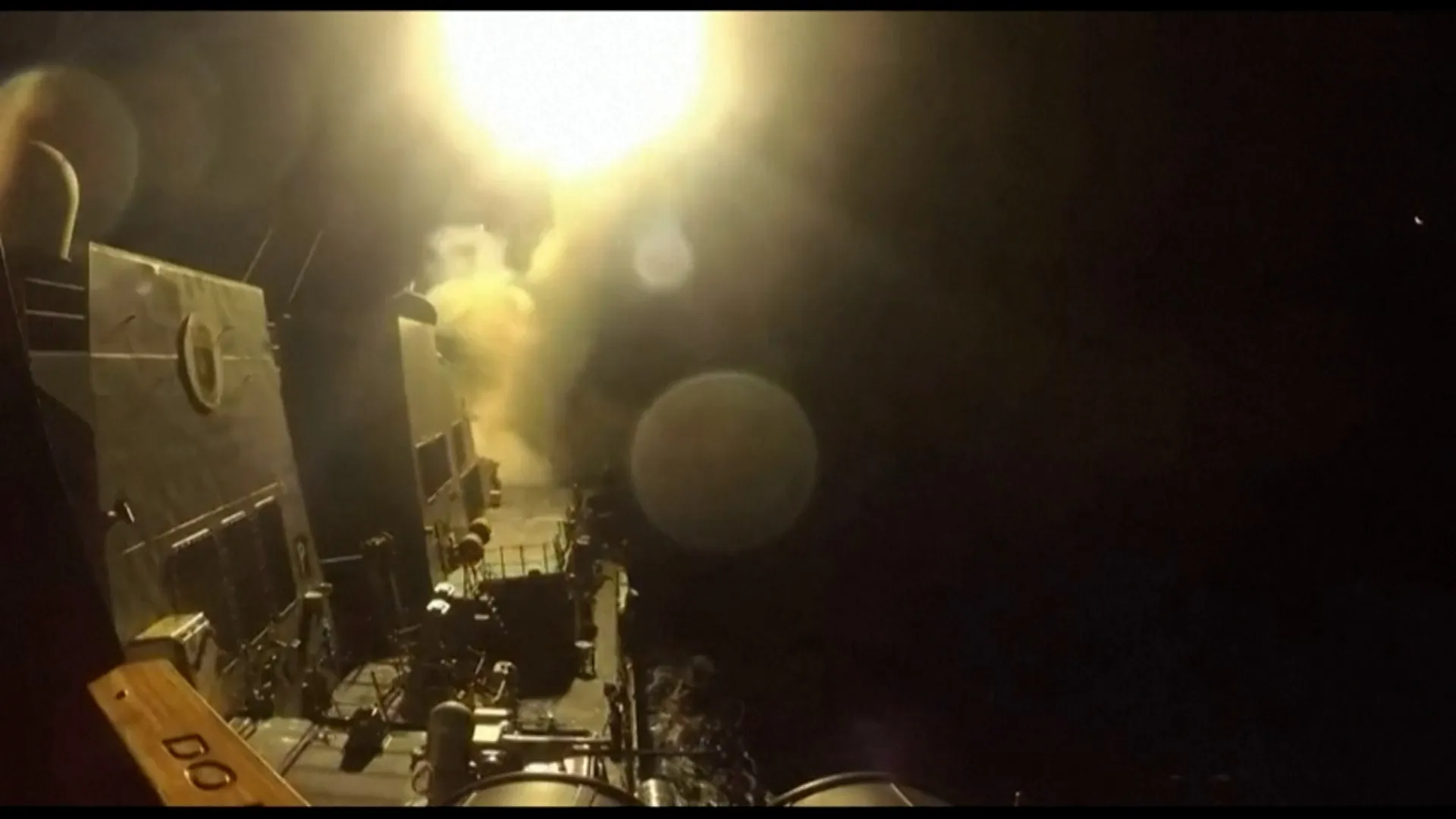
US Central Command Publishes Footage of Strikes Against Iranian Targets
 world
world
Allegations of Sexual Violence Surface in Israeli Detention Facilities
 world
world
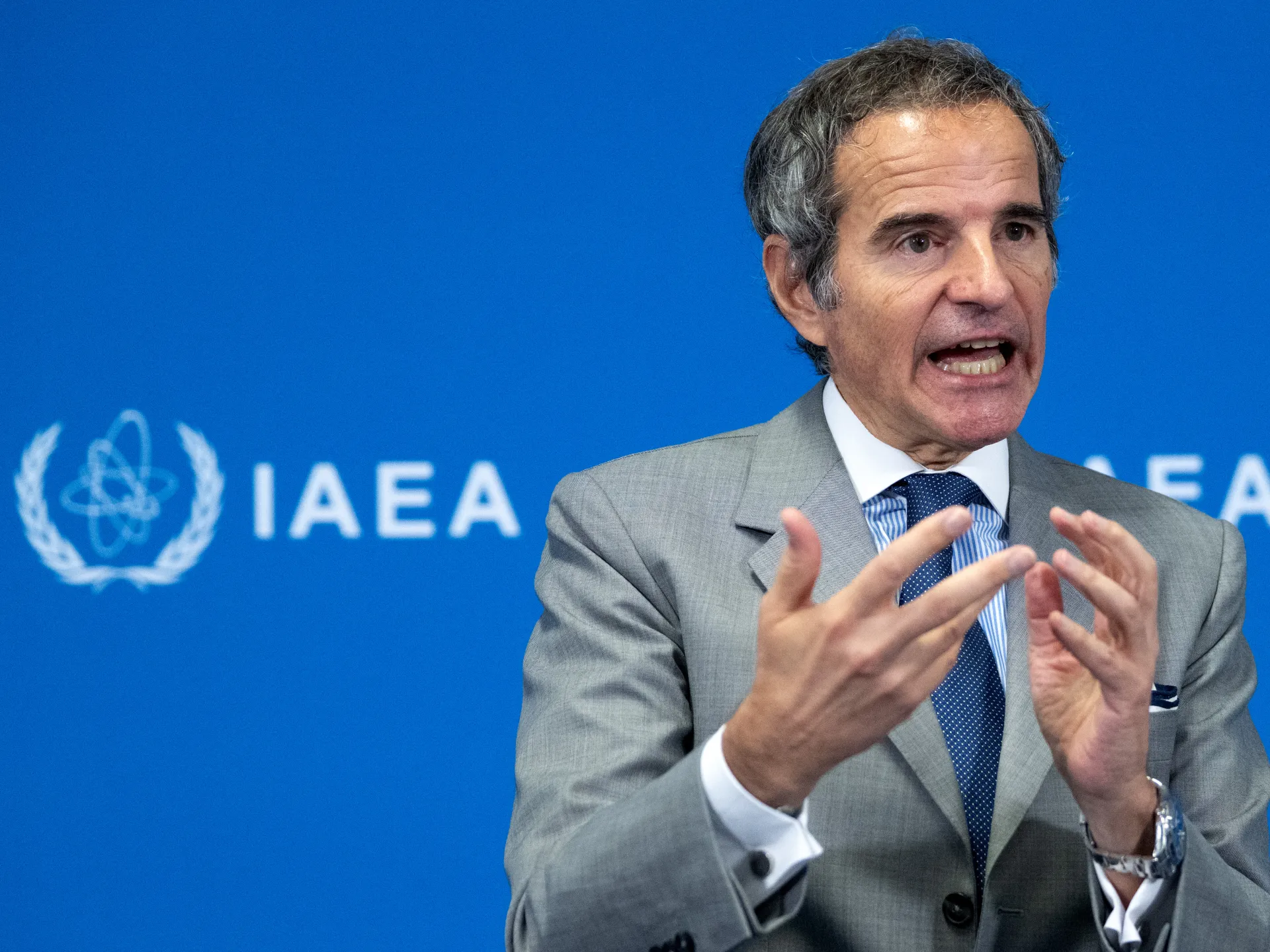
UN Watchdog Demands Iran Account for Enriched Uranium Stockpiles Amid Regional Tensions
 world
world