
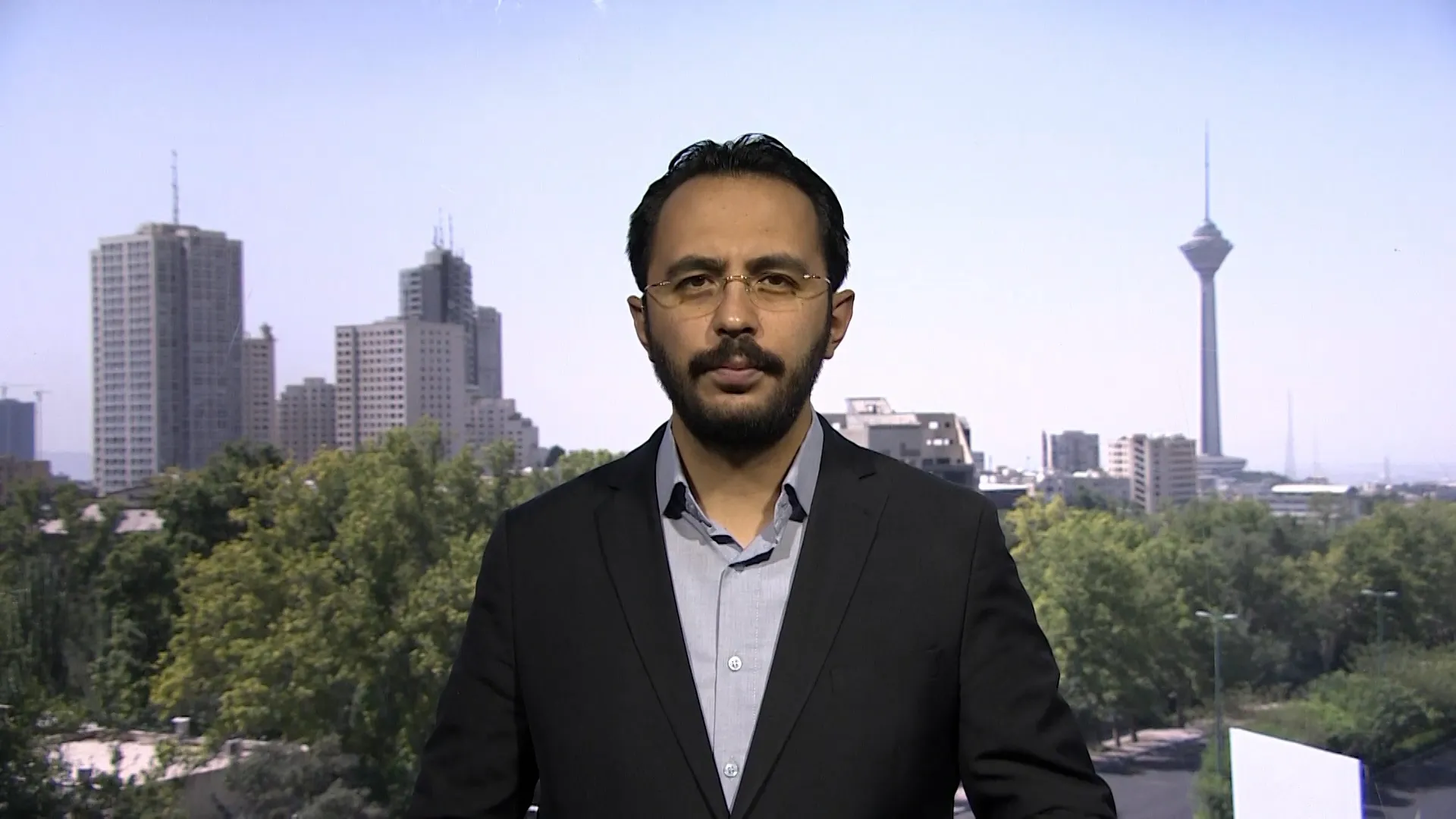
Revolutionary Guard Details Alleged Strikes on U.S. Interests
In a significant development, Iran's Revolutionary Guard Corps (IRGC) has asserted responsibility for striking 18 distinct targets located within U.S. military bases across several Middle Eastern nations. According to statements from the IRGC, these alleged attacks specifically aimed at installations situated in Kuwait, Bahrain, and Jordan. The Iranian military organization has issued a stern warning, indicating that these strikes are part of an ongoing response and will persist as long as what it describes as 'U.S. attacks' against Iranian interests continue.
The claims by the IRGC come amidst reports of notable seismic and visual disturbances within Iran itself. Eyewitness accounts and monitoring systems have reported a series of explosions in various parts of the country. These incidents were observed in southern regions of Iran, as well as in areas proximate to the capital city of Tehran, suggesting widespread activity, though the nature and cause of these specific explosions remain subject to further verification and investigation.
Strategic Closure of the Strait of Hormuz Declared
Adding another layer of complexity and potential international concern to the unfolding situation, the Revolutionary Guard Corps has also declared the full closure of the Strait of Hormuz. This declaration carries significant weight due to the strait's paramount importance as a global maritime choke point. The IRGC has explicitly warned all maritime vessels against approaching the strait, signaling a clear intent to enforce this closure. The Strait of Hormuz is a narrow waterway that connects the Persian Gulf to the open ocean, serving as the sole sea passage from the Persian Gulf to the open ocean for a substantial portion of the world's oil supply. Its closure, if effectively enforced, would have profound implications for global energy markets and international shipping.
The implications of such a closure are far-reaching. The strait is vital for the transit of crude oil and liquefied natural gas (LNG) from major producers in the Middle East to markets worldwide. Any disruption to this flow could lead to significant spikes in global energy prices and create substantial economic instability. International maritime law generally upholds the right of innocent passage through such straits; however, Iran has previously threatened to close the strait in response to perceived threats or sanctions, underscoring its strategic importance and its role as a potential leverage point in regional disputes.
Context of Heightened Regional Tensions
These recent assertions by the IRGC occur within a broader context of elevated tensions in the Middle East. The relationship between Iran and the United States has been fraught with challenges for decades, characterized by periods of intense diplomatic friction, proxy conflicts, and direct confrontations. The presence of U.S. military forces in the region, particularly in countries bordering Iran, has long been a point of contention for Tehran, which views it as an encroachment on its regional influence and national security.
The specific 'U.S. attacks' referenced by the IRGC as justification for its alleged retaliatory strikes have not been explicitly detailed in their public statements. However, previous incidents involving drone strikes, cyberattacks, and naval confrontations have contributed to a volatile environment. The rhetoric from both sides has frequently escalated, often leading to concerns about the potential for a wider conflict in a region already grappling with numerous geopolitical complexities.
International Response and Future Outlook
The international community is expected to closely monitor these developments. The alleged strikes on U.S. bases, if confirmed, would represent a direct military engagement with significant implications. Furthermore, the declared closure of the Strait of Hormuz is likely to draw immediate condemnation from global powers and maritime organizations, given its critical role in international trade and energy security. The United Nations and various international bodies will likely be called upon to address the situation, urging de-escalation and adherence to international maritime law.
The immediate future of the region appears to hinge on the verification of these claims and the subsequent responses from the United States and its allies. The potential for miscalculation or further escalation remains a significant concern, emphasizing the need for diplomatic efforts to prevent a broader conflict. The situation underscores the delicate balance of power in the Middle East and the profound impact that actions by key regional players can have on global stability.
Source: Original Article
Related Articles
 world
world
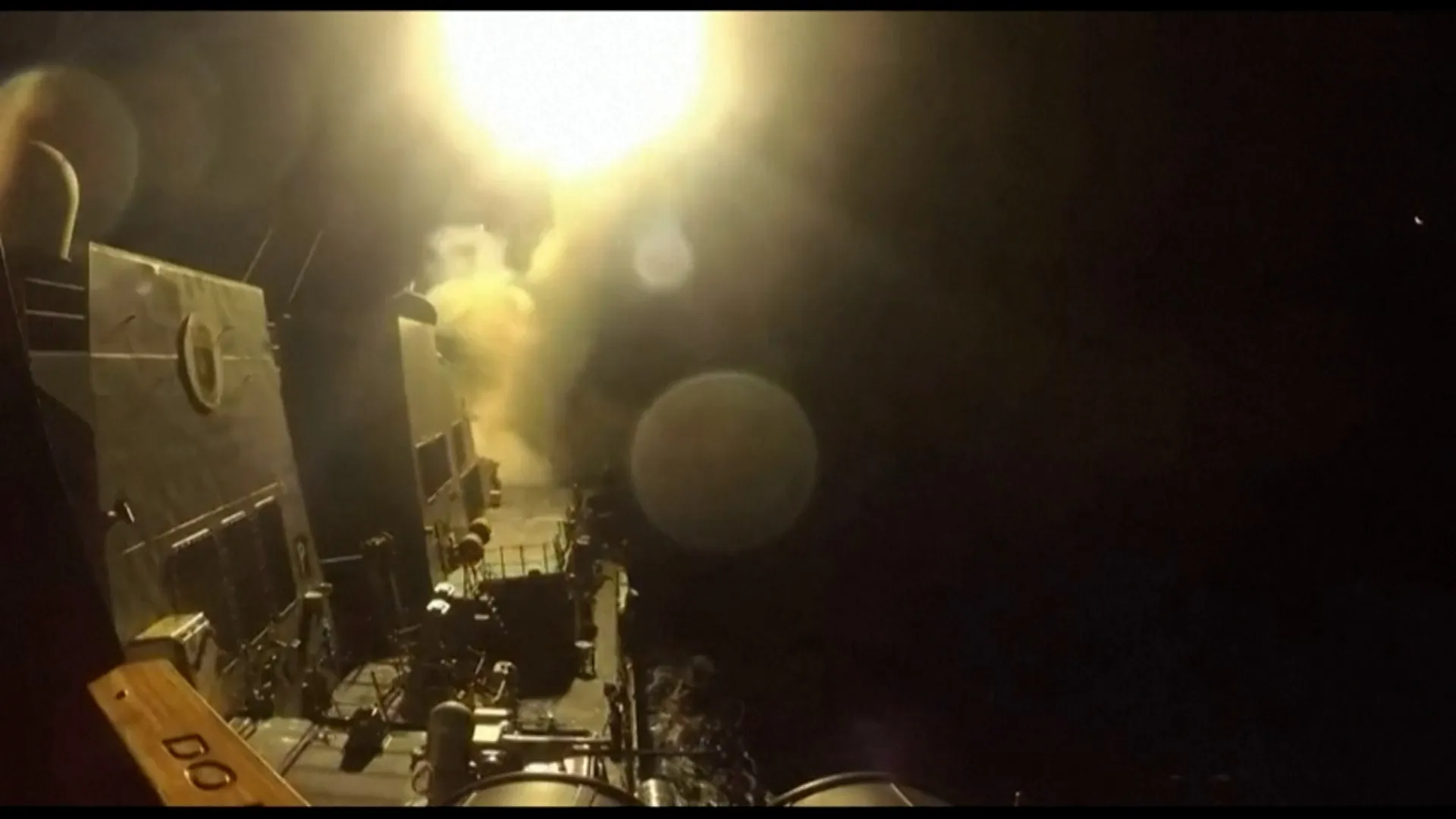
US Central Command Publishes Footage of Strikes Against Iranian Targets
 world
world
Allegations of Sexual Violence Surface in Israeli Detention Facilities
 world
world
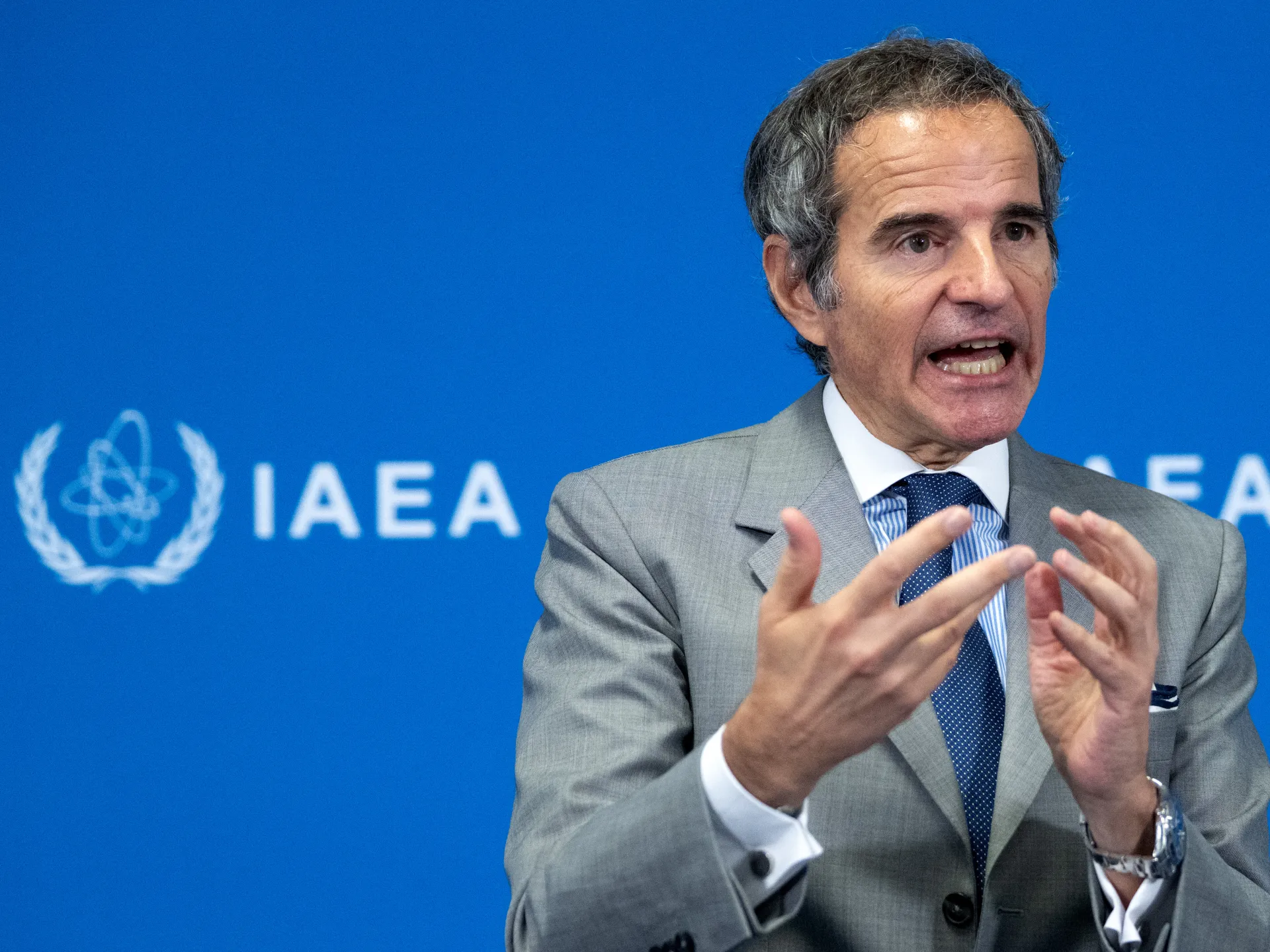
UN Watchdog Demands Iran Account for Enriched Uranium Stockpiles Amid Regional Tensions
 world
world