
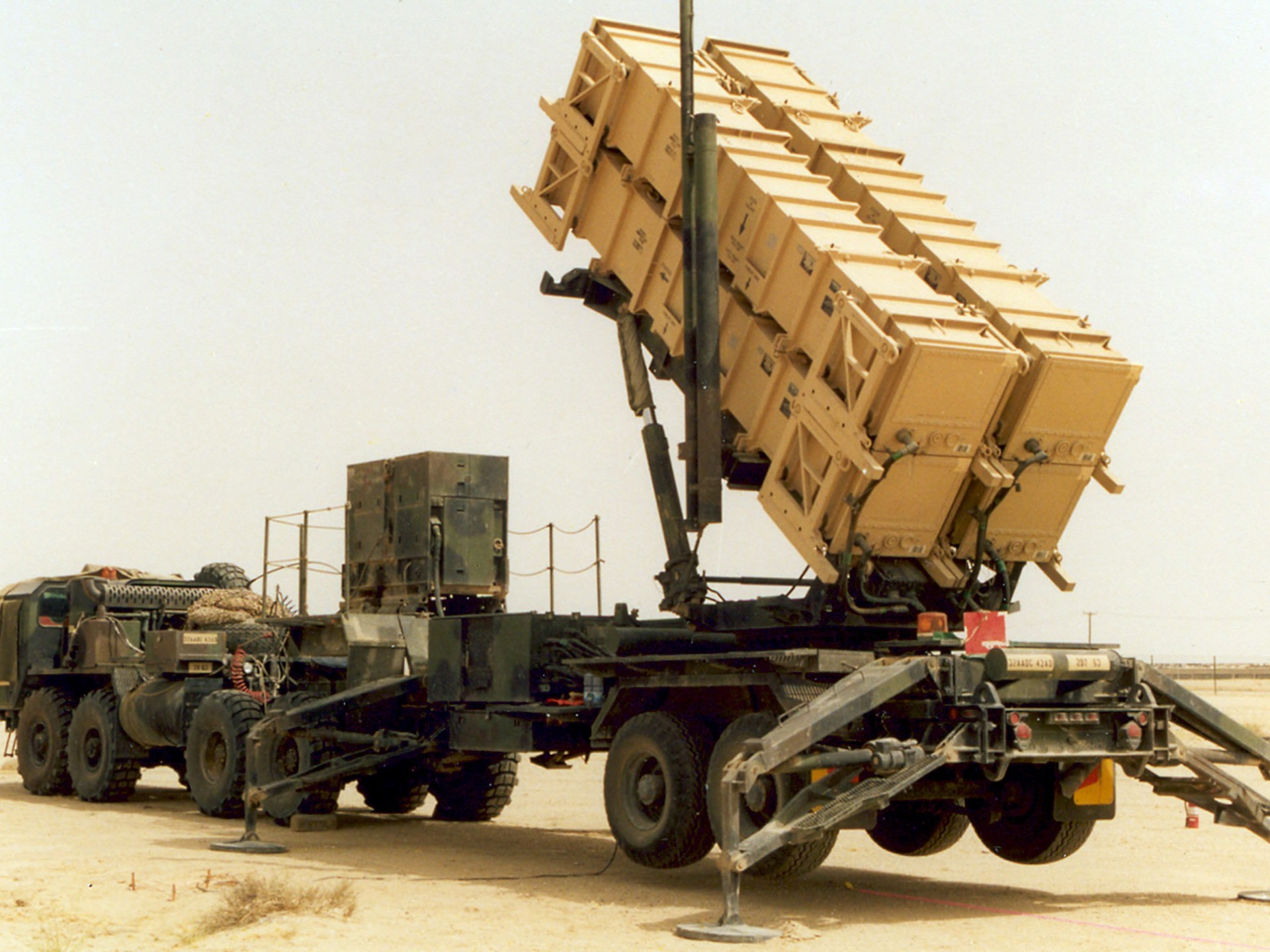
Regional Tensions Intensify with Kuwait Airport Incident
Recent developments in the Gulf region have seen an escalation of hostilities, marked by a drone strike on Kuwait's main international airport. This event, which tragically resulted in one fatality, comes at a time of heightened friction and follows a military operation by the United States in the vicinity of Iran's Qeshm Island. The incident underscores the fragility of stability in the area and the continued difficulties in diplomatic engagement between Washington and Tehran.
Details of the Attack
Reports indicate that a drone targeted Kuwait International Airport, causing damage and leading to the death of one individual. The specific nature of the drone and its origin are currently under investigation, though initial assessments point towards an Iranian connection given the broader context of regional conflicts. This strike represents a significant escalation, as attacks on civilian infrastructure, particularly international airports, carry severe implications for regional security and international travel.
US Military Action Near Qeshm Island
The drone incident in Kuwait occurred shortly after the United States conducted military strikes near Qeshm Island, an Iranian island located in the Strait of Hormuz. While details regarding the US operation remain somewhat limited, it is understood to be part of ongoing efforts to counter perceived threats in the region. Such actions by major international powers often trigger retaliatory responses, contributing to a cycle of escalation that can be difficult to break.
Diplomatic Stalemate Persists
Against this backdrop of increasing military exchanges, diplomatic efforts to de-escalate tensions between the United States and Iran appear to be making little headway. Years of strained relations, sanctions, and proxy conflicts have created a deep-seated mistrust that hinders productive dialogue. Various international actors have attempted to mediate, but a comprehensive resolution remains elusive, with both sides maintaining firm stances on key issues.
The current situation highlights the urgent need for renewed diplomatic initiatives to prevent further destabilization of the Gulf region. Without a clear path to de-escalation, the risk of wider conflict remains substantial.
Impact on Regional Stability
The recent events have significant implications for the broader stability of the Gulf region. Kuwait, a key US ally and an important oil producer, has largely sought to maintain neutrality in regional disputes. An attack on its sovereign territory, particularly its main airport, could draw the nation more directly into ongoing conflicts. Furthermore, the disruption to air travel and the perceived security risks could have economic repercussions, affecting trade, investment, and tourism across the Middle East.
International Response and Future Outlook
The international community is closely monitoring the situation, with calls for restraint and de-escalation from various global leaders. The United Nations and other international bodies are likely to intensify their efforts to facilitate dialogue and prevent further military confrontation. However, without a fundamental shift in the strategic calculus of the primary actors involved, the path forward remains fraught with challenges. The interplay between military actions and diplomatic failures continues to define the trajectory of this volatile region, with the potential for unforeseen consequences.
Source: Al Jazeera
Related Articles
 world
world
Escalating Tensions: Assessing the Impact of Recent Ceasefire Efforts in Lebanon
 world
world
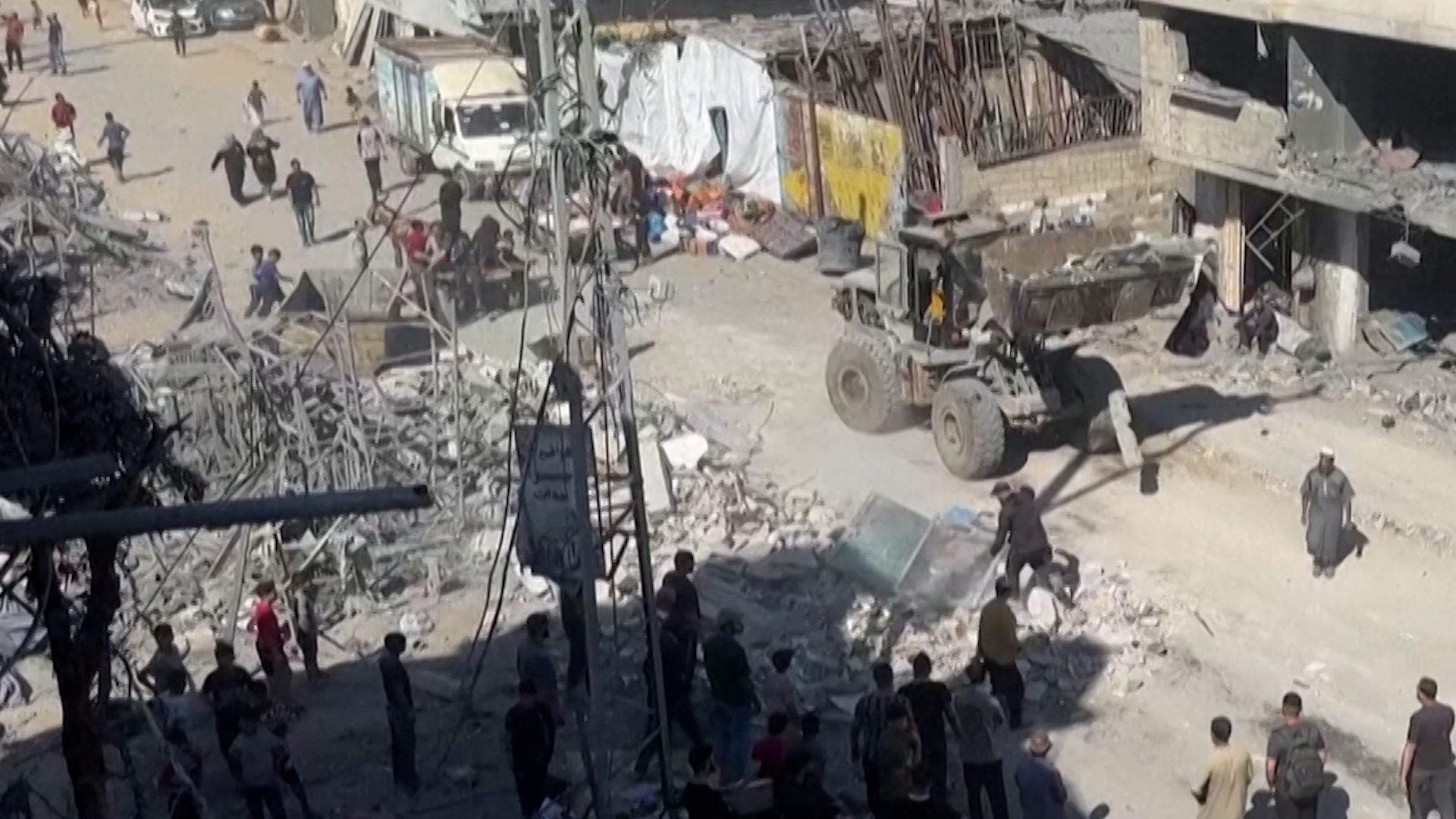
Gaza Residents Begin Cleanup Following Overnight Israeli Strikes
 world
world
France Initiates Investigation into Allegations of Mistreatment of Gaza Aid Flotilla Activists
 world
world