
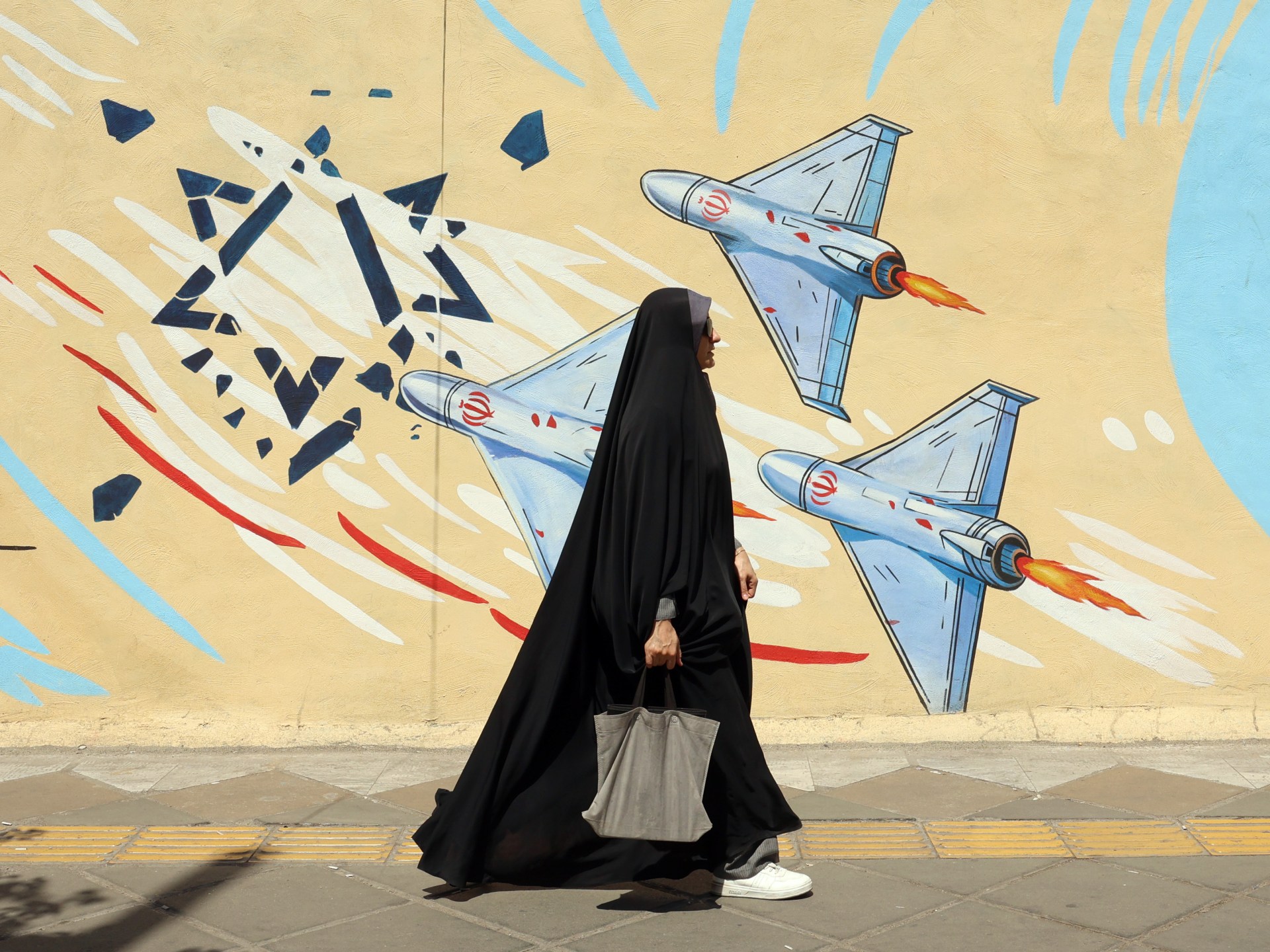
Introduction to Regional Dynamics
Discussions surrounding potential military confrontations involving the United States, Israel, and Iran frequently focus on immediate impacts such as shifts in geopolitical alliances and the redistribution of power within the Middle East. However, a closer examination reveals that certain deeply entrenched factors, including geographical realities, the unresolved Palestinian question, and the robust political identities of various actors, are likely to remain largely unaffected by such conflicts. These elements represent foundational aspects of the region that have historically demonstrated resilience against significant upheaval.
The Unyielding Influence of Geography
Geography is an immutable force that dictates strategic considerations, trade routes, and the very layout of human settlements. The Middle East's unique geographical features – its choke points, vast deserts, mountain ranges, and access to crucial waterways like the Persian Gulf and the Suez Canal – are not subject to alteration by military engagements. Iran's strategic location, for instance, at the crossroads of East and West, and its extensive coastline along the Persian Gulf, provide it with inherent advantages and challenges that would persist regardless of any conflict's outcome. Similarly, the geographical positioning of other nations in the region, their proximity to adversaries or allies, and their access to natural resources, would continue to shape their foreign policy and security doctrines.
"The physical landscape of the Middle East, with its strategic waterways and landmasses, ensures that certain geopolitical imperatives remain constant, irrespective of political shifts or military actions."
Any redrawing of political maps or reconfigurations of alliances would still have to contend with these fixed geographical realities. Control over key maritime passages, for example, would remain a critical strategic objective, and the natural borders between states would continue to influence military planning and defense strategies.
The Enduring Palestinian Question
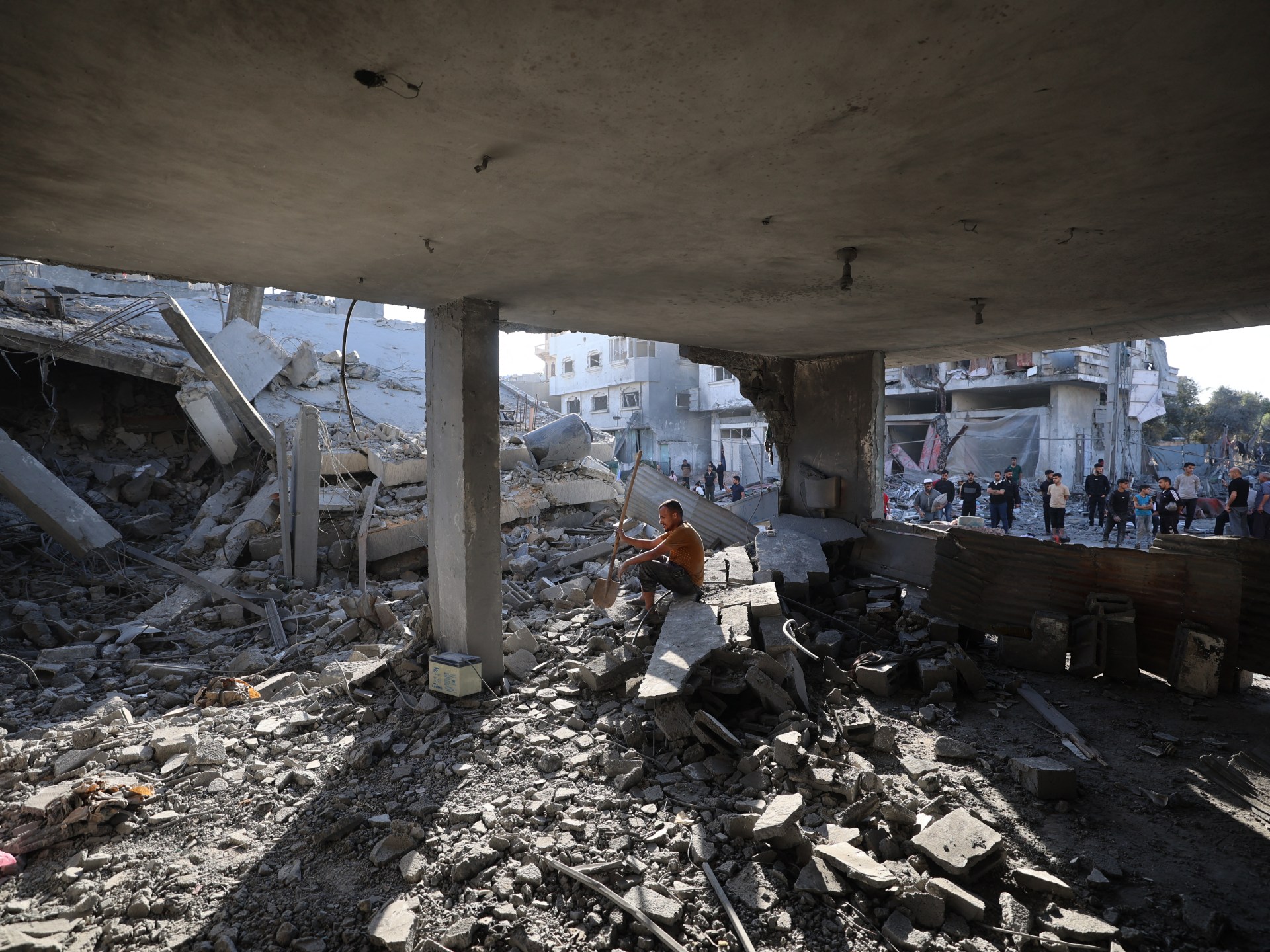
The Palestinian issue stands as a central and deeply emotional conflict that has permeated the political landscape of the Middle East for decades. It is a source of profound grievance and a rallying cry for various groups across the region and beyond. A military conflict involving Iran, the US, and Israel, while potentially diverting attention temporarily or creating new regional alignments, is unlikely to resolve or fundamentally alter the core dynamics of the Israeli-Palestinian conflict. The aspirations for Palestinian statehood, the rights of refugees, and the ongoing occupation of Palestinian territories are deeply embedded issues with historical, religious, and political dimensions that transcend the immediate concerns of a wider regional war.
Indeed, such a conflict might even exacerbate the situation, potentially leading to increased instability and further complicating any future peace efforts. The focus on a broader regional confrontation might overshadow the daily realities faced by Palestinians, but it would not erase the underlying grievances or the desire for a just resolution. The Palestinian question would remain a potent symbol and a driving force in regional politics, influencing public opinion and the policies of various states.
The Resilience of Political and National Identity
National and political identities in the Middle East are complex, multi-layered, and deeply rooted in history, culture, religion, and shared experiences. These identities are not easily reshaped by external pressures or military interventions. Iran, for example, possesses a strong sense of national identity, forged over centuries, which includes its Persian heritage, Shi'a Islamic character, and a history of resistance to foreign domination. This identity would likely be reinforced, rather than diminished, in the face of external aggression or conflict.
- National Cohesion: External threats often solidify national unity, as populations rally around their leadership and national symbols.
- Ideological Persistence: Core ideological tenets, whether religious or political, tend to endure and even strengthen when perceived to be under attack.
- Regional Influence: The identities of various non-state actors and proxy groups, often linked to broader regional ideological currents, would also likely persist, continuing to play a role in the post-conflict landscape.
Similarly, the national identities of other states in the region, and the political identities of various ethnic and religious groups within them, would continue to shape their responses and resilience. While alliances might shift and power balances could be temporarily altered, the fundamental sense of who people are, what they believe in, and their place in the world would likely remain robust, continuing to influence the long-term trajectory of the region.
Conclusion
In conclusion, while a military conflict involving the US, Israel, and Iran could undoubtedly trigger significant short-term changes in the Middle East, it is crucial to recognize the enduring nature of certain fundamental realities. The unalterable facts of geography, the persistent and unresolved Palestinian issue, and the deeply ingrained political and national identities of the region's diverse populations are forces that have historically withstood, and would likely continue to withstand, even the most profound geopolitical shifts. These elements will continue to shape the Middle East long after any immediate conflict has subsided, underscoring the complexity and deep-rooted nature of the region's challenges.
Source: Al Jazeera
Related Articles
 world
world
Escalating Tensions: Assessing the Impact of Recent Ceasefire Efforts in Lebanon
 world
world
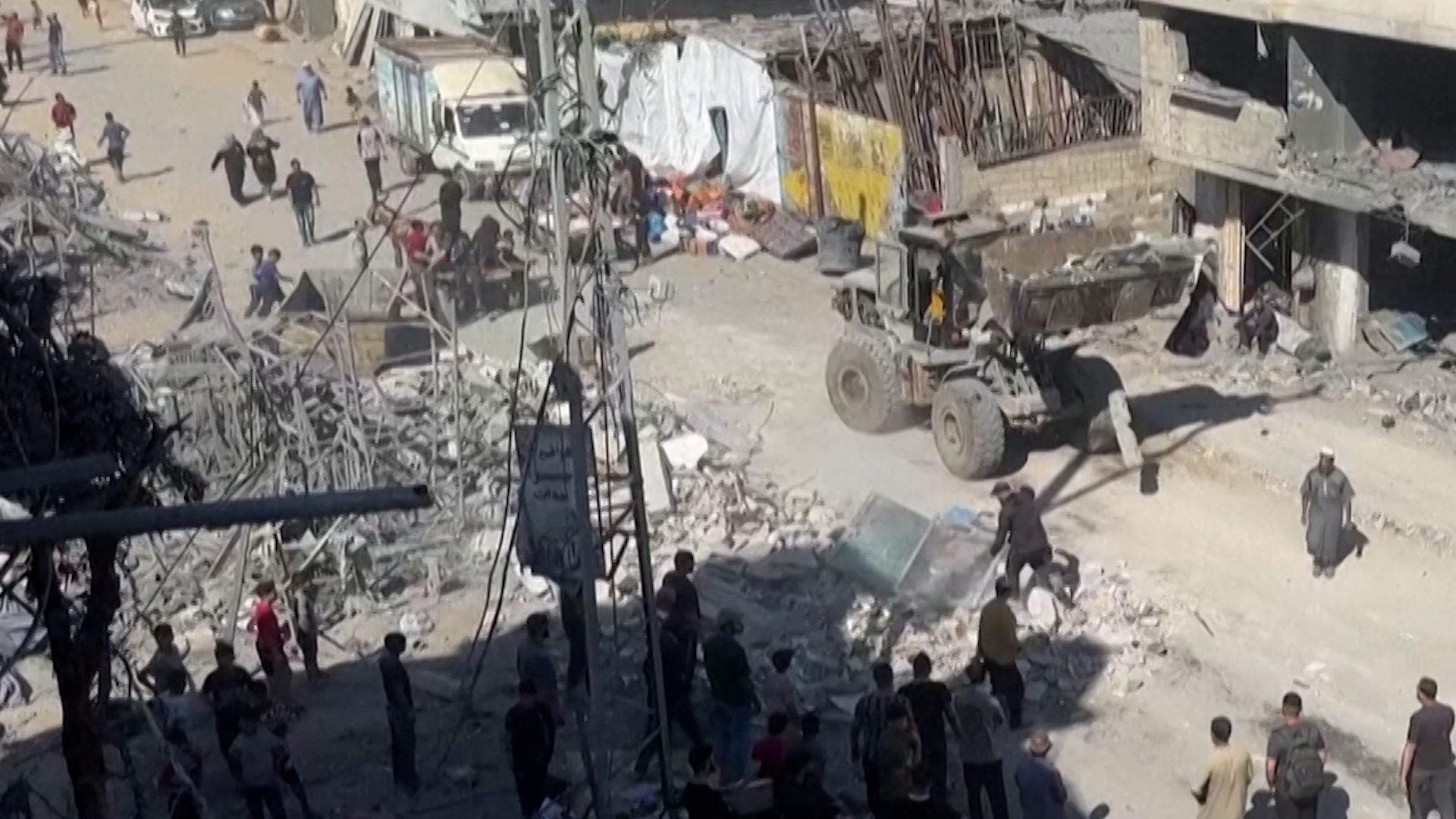
Gaza Residents Begin Cleanup Following Overnight Israeli Strikes
 world
world
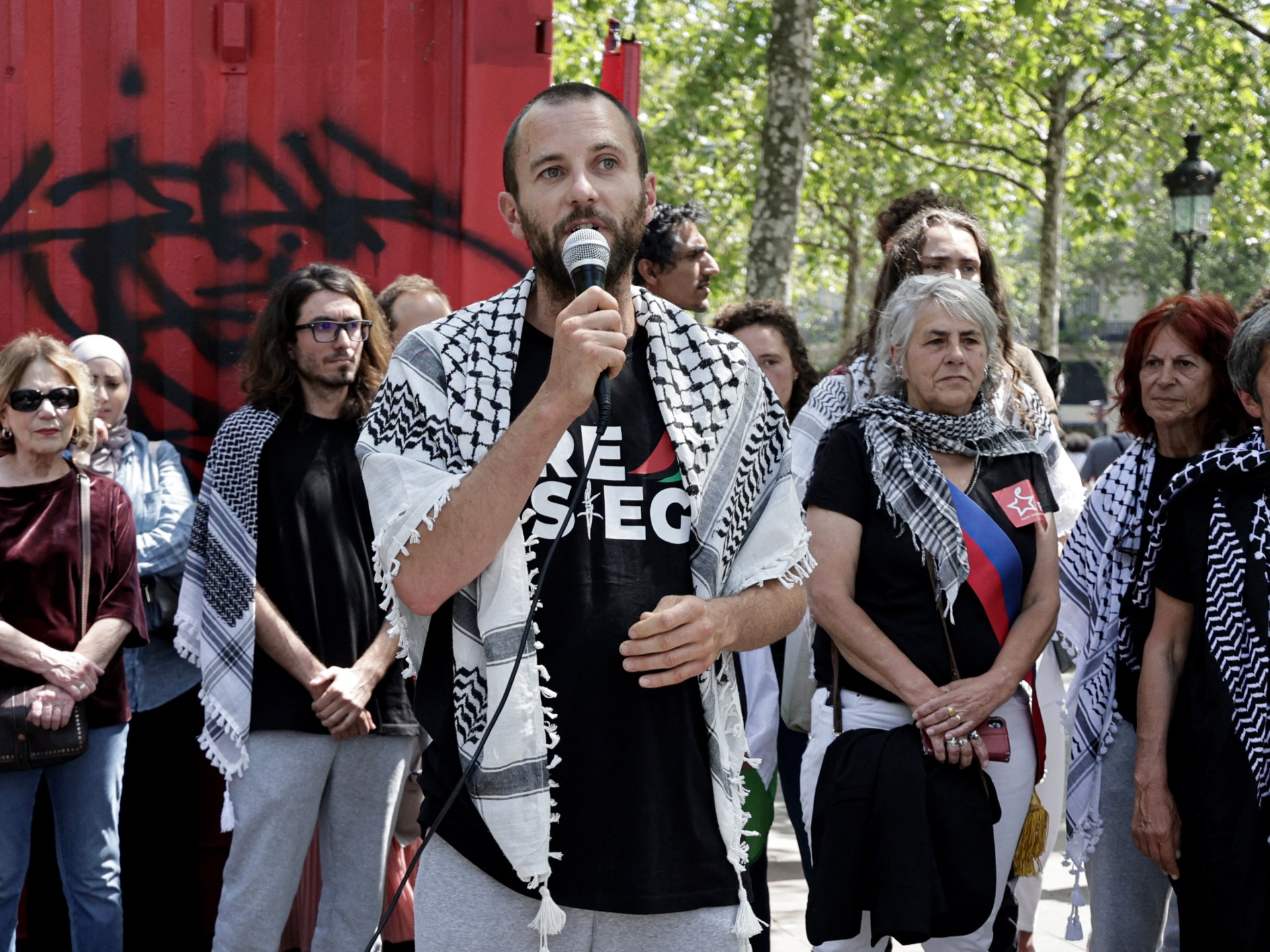
France Initiates Investigation into Allegations of Mistreatment of Gaza Aid Flotilla Activists
 world
world