
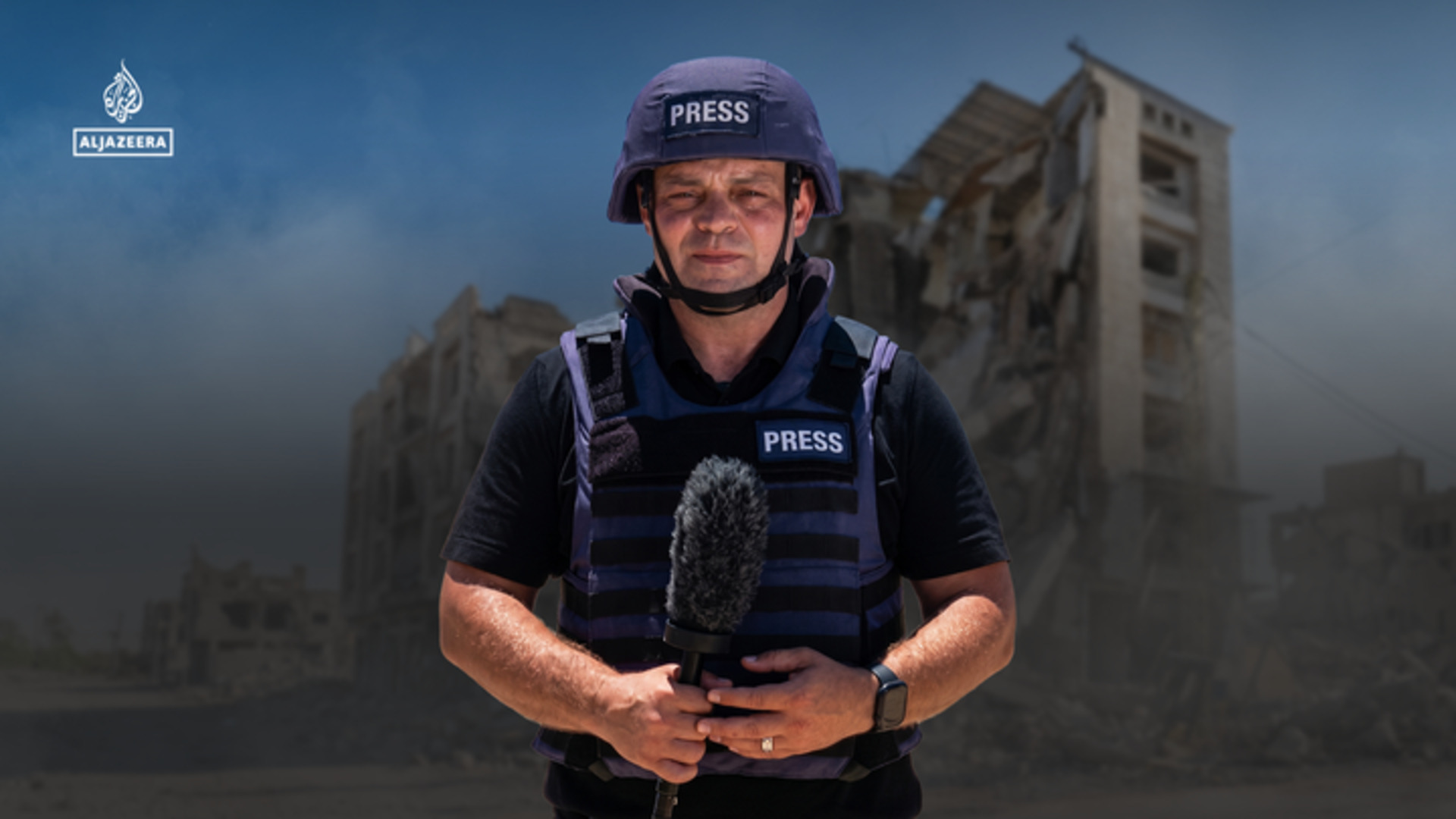
Ongoing Tensions Mar Diplomatic Overtures
Recent attempts at diplomatic resolution in the ongoing conflict between Lebanon and Israel have reportedly encountered significant obstacles, with violence continuing along their shared border. Despite international efforts to foster a de-escalation, the situation remains volatile, characterized by persistent exchanges of fire.
Hezbollah Rejects US Proposal Amid Sustained Israeli Actions
According to reports from Lebanon, Hezbollah has reportedly dismissed a proposal put forth by the United States aimed at reducing hostilities. This rejection comes as Israeli forces continue their military operations, further complicating prospects for a peaceful resolution. The specifics of the US plan have not been widely detailed, but it was understood to be an attempt to establish a framework for stability in the region.
The Lebanese-Israeli border has been a flashpoint since the outbreak of conflict in Gaza, with Hezbollah and Israeli forces engaging in regular skirmishes. These exchanges have led to casualties on both sides and significant displacement of populations in border communities, raising fears of a broader regional conflagration.
Impact on Civilian Populations and Regional Stability
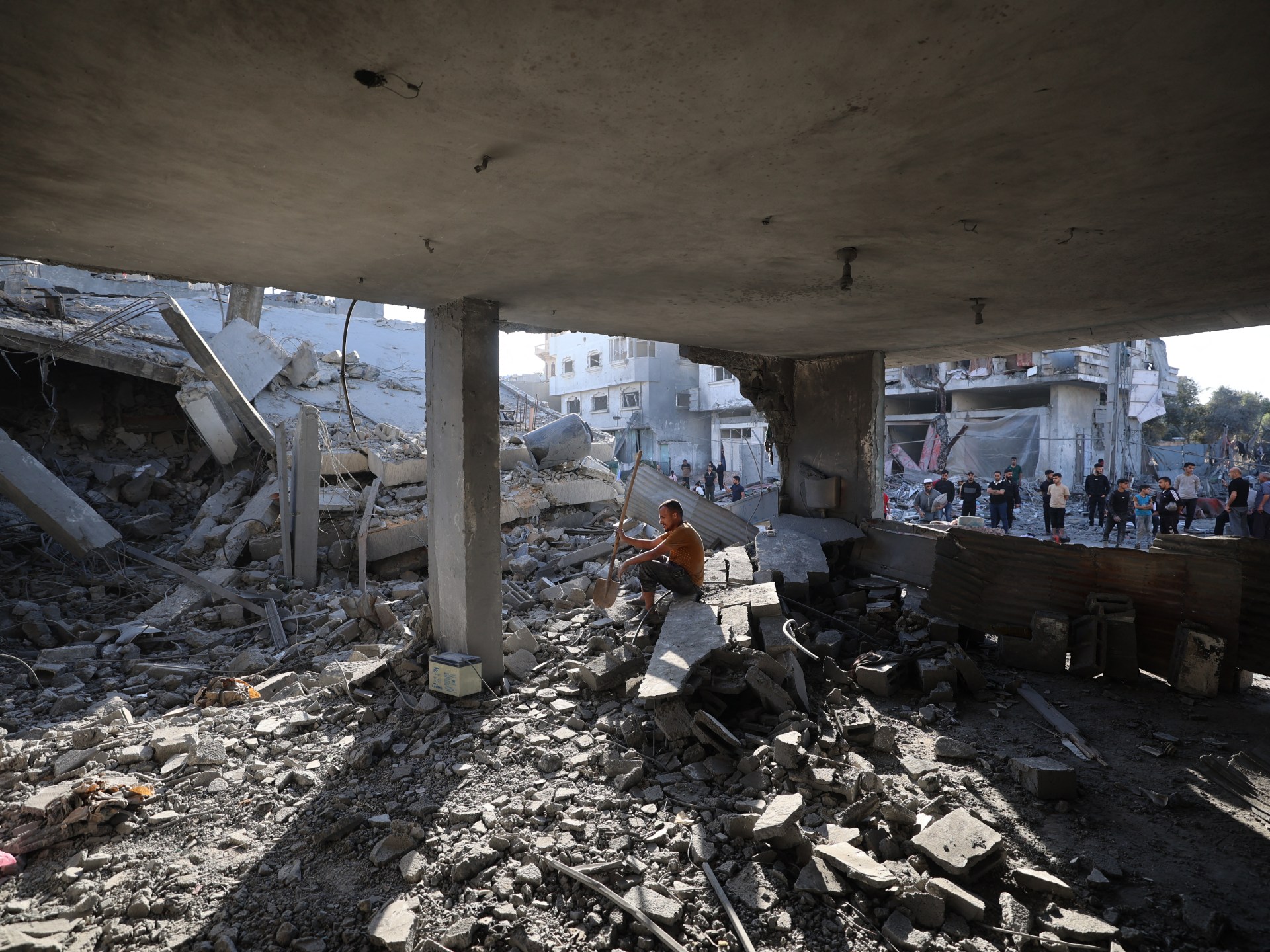
The continued violence has had a severe impact on civilian populations residing near the border. Many residents on both the Lebanese and Israeli sides have been forced to evacuate their homes, leading to humanitarian concerns and economic disruption. Infrastructure has also sustained damage, further exacerbating the challenges faced by affected communities.
International observers and humanitarian organizations have repeatedly called for an immediate cessation of hostilities and a commitment to diplomatic solutions. They emphasize the urgent need to protect civilians and ensure access to essential services for those displaced by the conflict.
The Broader Geopolitical Context
The situation on the Lebanon-Israel border is intrinsically linked to the wider geopolitical landscape of the Middle East, particularly the ongoing conflict in Gaza. Hezbollah, a powerful political party and militant group in Lebanon, has stated its actions are in solidarity with Palestinians in Gaza. Israel, in turn, views Hezbollah as a significant threat and has declared its intent to ensure the security of its northern border.
Various international actors, including the United States and European nations, have been actively engaged in shuttle diplomacy, seeking to mediate between the parties. However, the deep-seated animosities and differing objectives of the involved parties have made achieving common ground exceedingly difficult.
Future Prospects for De-escalation
The path forward for de-escalation appears fraught with challenges. The rejection of the US proposal by Hezbollah underscores the complexities of the situation and the unlikelihood of a quick resolution. Any lasting peace would likely require comprehensive negotiations addressing the security concerns of both Lebanon and Israel, as well as considering the broader regional dynamics.
Analysts suggest that without a significant shift in posture from either side or a more robust and unified international diplomatic effort, the cycle of violence is likely to persist. The immediate focus remains on preventing further escalation and protecting civilian lives, even as diplomatic avenues struggle to gain traction.
Source: Al Jazeera
Related Articles
 world
world
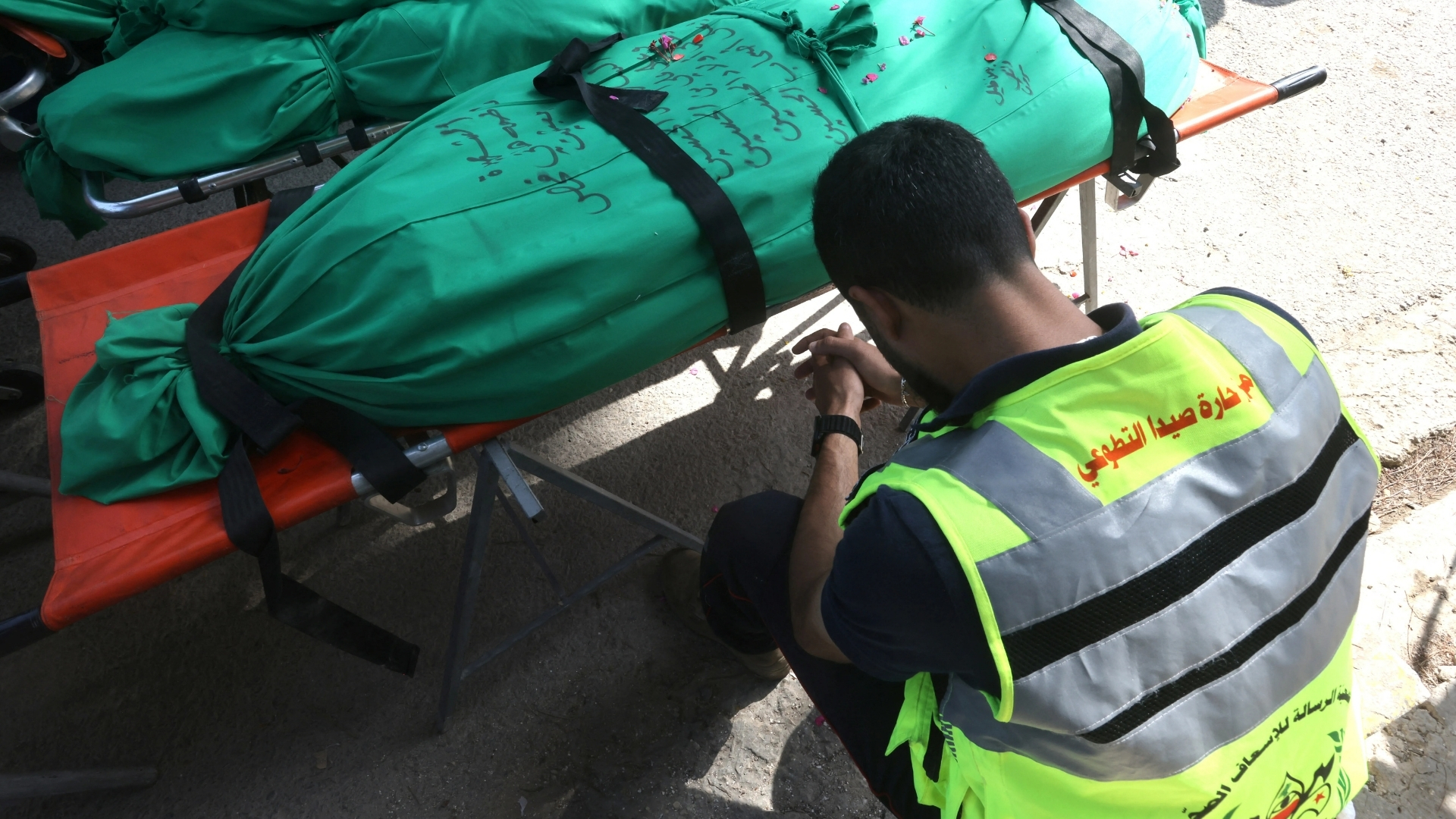
Escalating Tensions: Assessing the Impact of Recent Ceasefire Efforts in Lebanon
 world
world
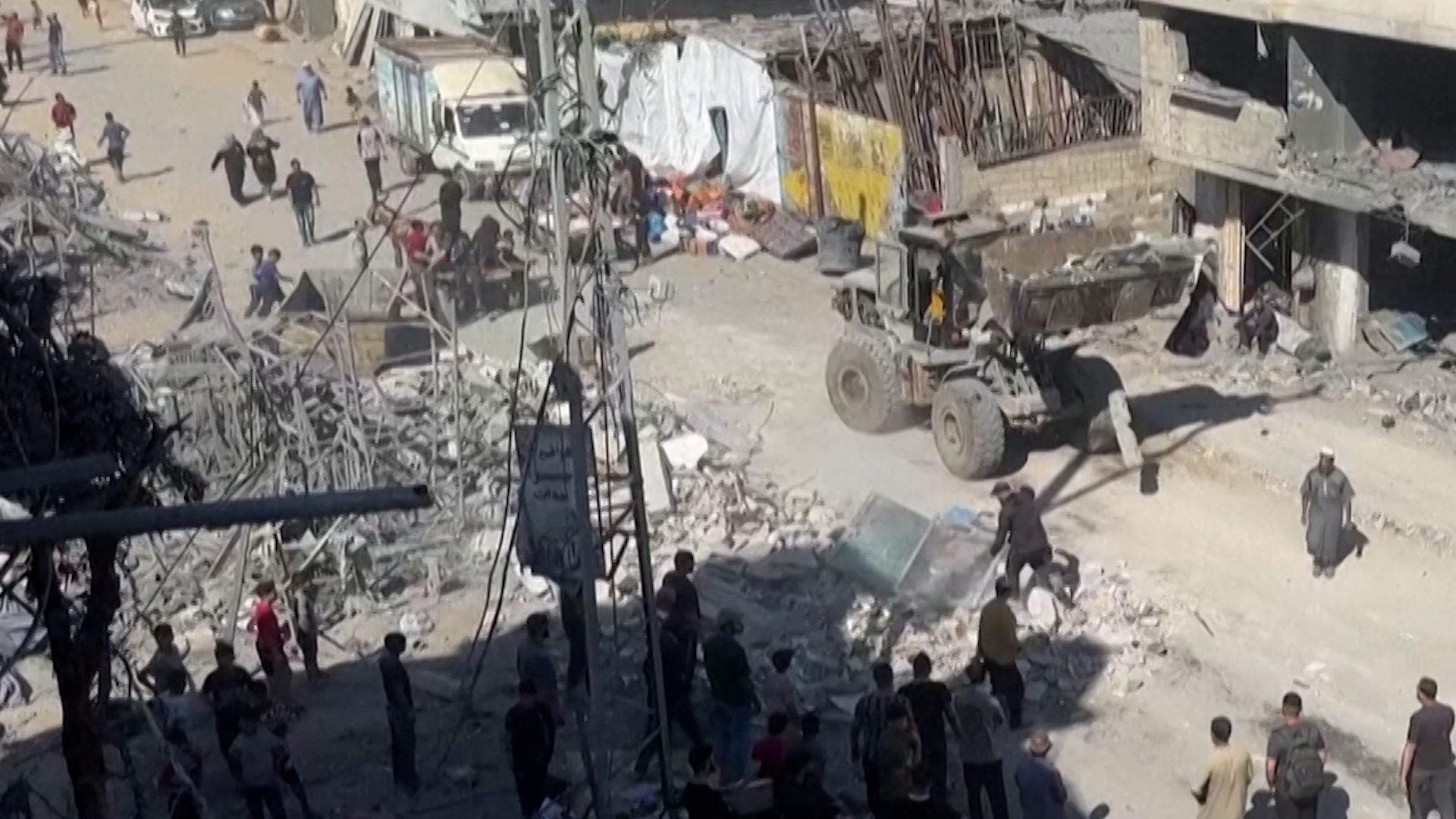
Gaza Residents Begin Cleanup Following Overnight Israeli Strikes
 world
world
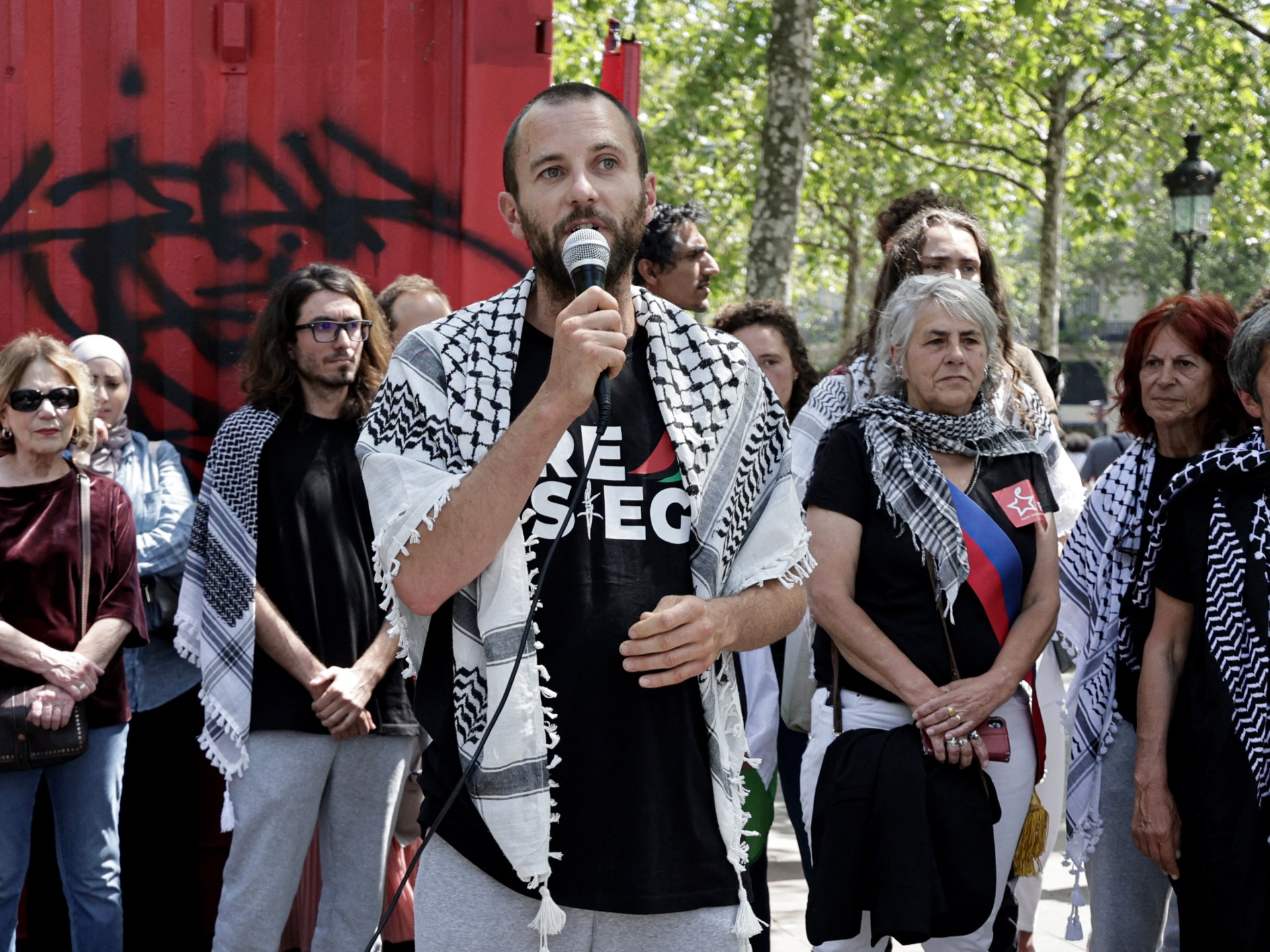
France Initiates Investigation into Allegations of Mistreatment of Gaza Aid Flotilla Activists
 world
world