
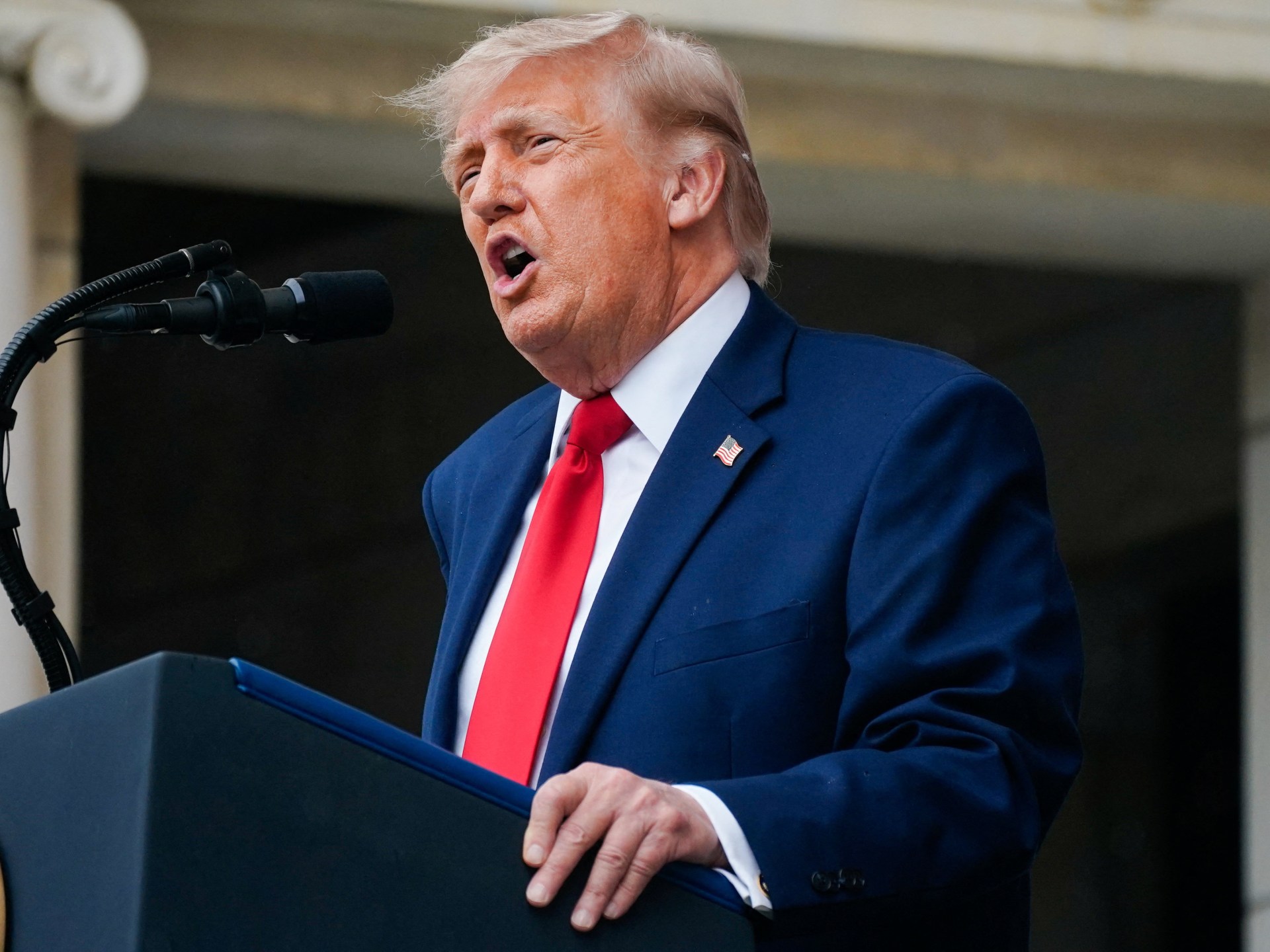
Former President Trump Engages in Lebanon De-escalation
Former U.S. President Donald Trump has claimed a pivotal role in negotiating a cessation of hostilities between Israeli forces and Hezbollah in Lebanon. According to Trump, his intervention led to an agreement from both parties to halt their attacks, a move he asserts is crucial for averting a more extensive regional conflict.
The announcement by the former president highlights ongoing international efforts to manage the volatile situation in the Middle East, particularly concerning the spillover effects of broader regional disputes. Lebanon has frequently been a flashpoint, and any escalation between Israel and Hezbollah carries significant risks for the stability of the entire region.
The Context of Regional Tensions
The alleged truce comes at a time of considerable unease across the Middle East. While specific details of the broader regional conflicts are not explicitly mentioned in Trump's statement, the backdrop of ongoing geopolitical tensions undoubtedly informs such diplomatic maneuvers. The situation in Lebanon is often intertwined with wider power dynamics and rivalries, making any move towards de-escalation particularly noteworthy.
Hezbollah, a powerful political party and militant group in Lebanon, has a long history of confrontation with Israel. The group's significant influence within Lebanon and its strategic ties to other regional actors mean that its actions and reactions are closely monitored by international observers. Similarly, Israel's security concerns in its northern border region are paramount, leading to swift responses to perceived threats.
Implications for Regional Stability
Should the reported truce hold, it could offer a temporary reprieve for the Lebanese populace, who have often borne the brunt of cross-border conflicts. Such a pause in hostilities might also provide an opportunity for more sustained diplomatic engagement to address underlying issues that fuel the conflict. However, the fragile nature of ceasefires in the region means that vigilance remains high.
International actors, including the United States, have consistently advocated for stability in Lebanon and the broader Middle East. The involvement of a former U.S. president in such high-stakes negotiations underscores the perceived urgency of preventing a wider conflagration that could have devastating human and economic consequences.
Challenges to Long-Term Peace
While a temporary halt to attacks is a positive step, achieving lasting peace between Israel and Hezbollah, and in the region at large, remains a formidable challenge. Deep-seated historical grievances, differing political objectives, and the involvement of multiple state and non-state actors contribute to a complex environment.
Any sustainable solution would likely require comprehensive negotiations that address not only immediate military actions but also the broader political, economic, and social factors contributing to the conflict. The role of various international mediators and the willingness of all parties to engage in good-faith dialogue will be critical in navigating this intricate path forward.
Source: Iran war day 95: Trump pushes Lebanon truce after Tehran vows to end talks
Related Articles
 world
world
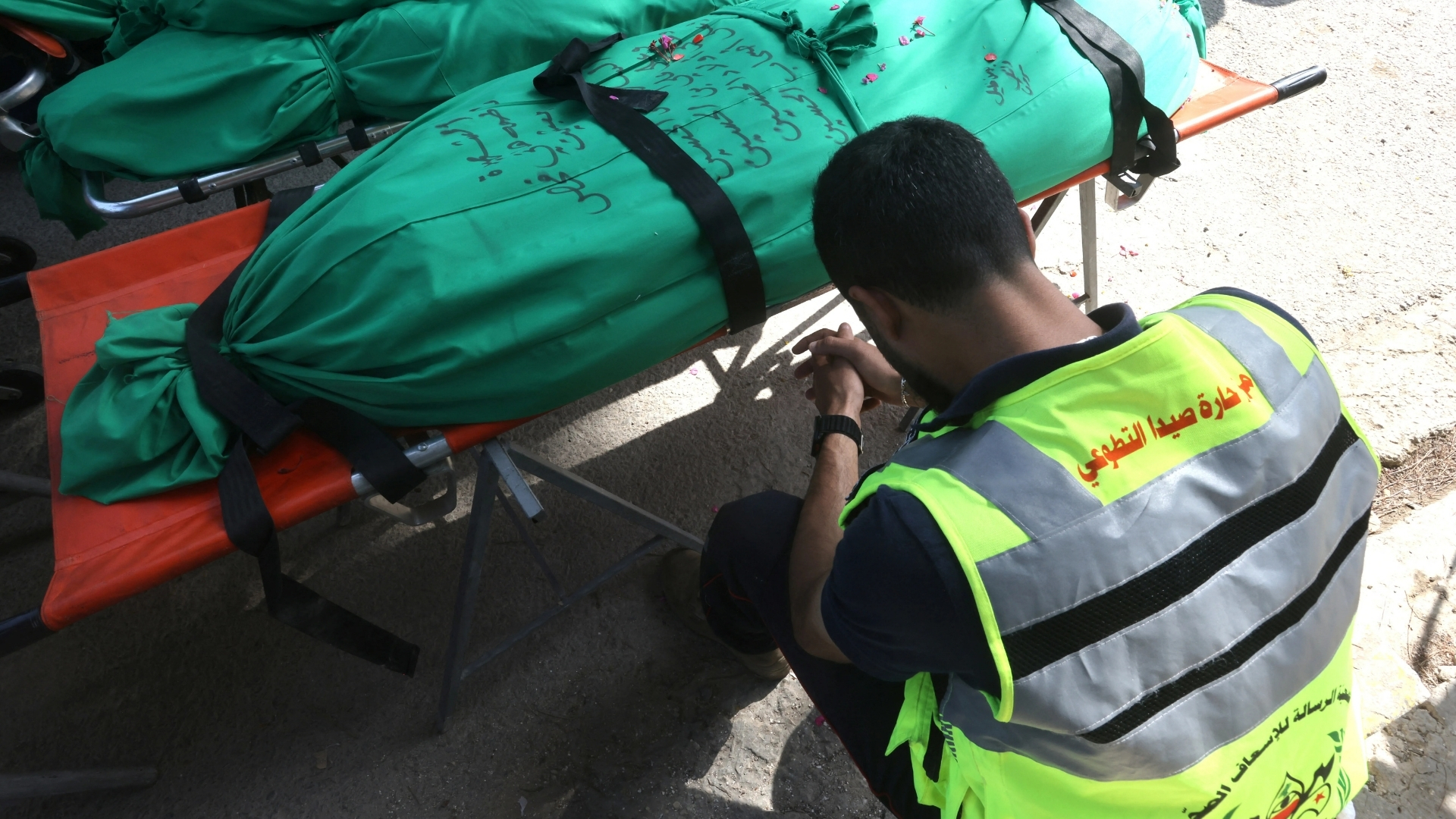
Escalating Tensions: Assessing the Impact of Recent Ceasefire Efforts in Lebanon
 world
world
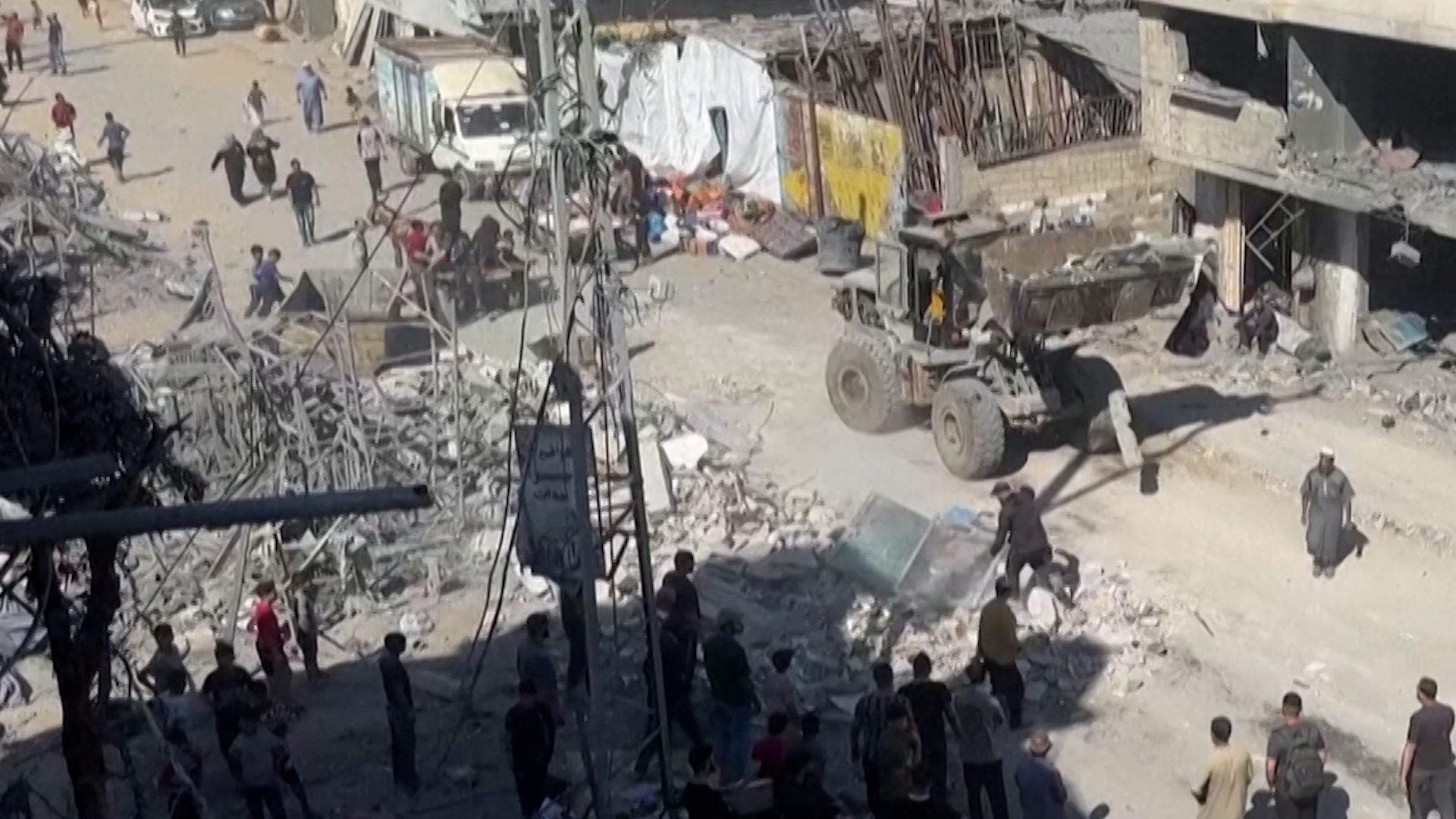
Gaza Residents Begin Cleanup Following Overnight Israeli Strikes
 world
world
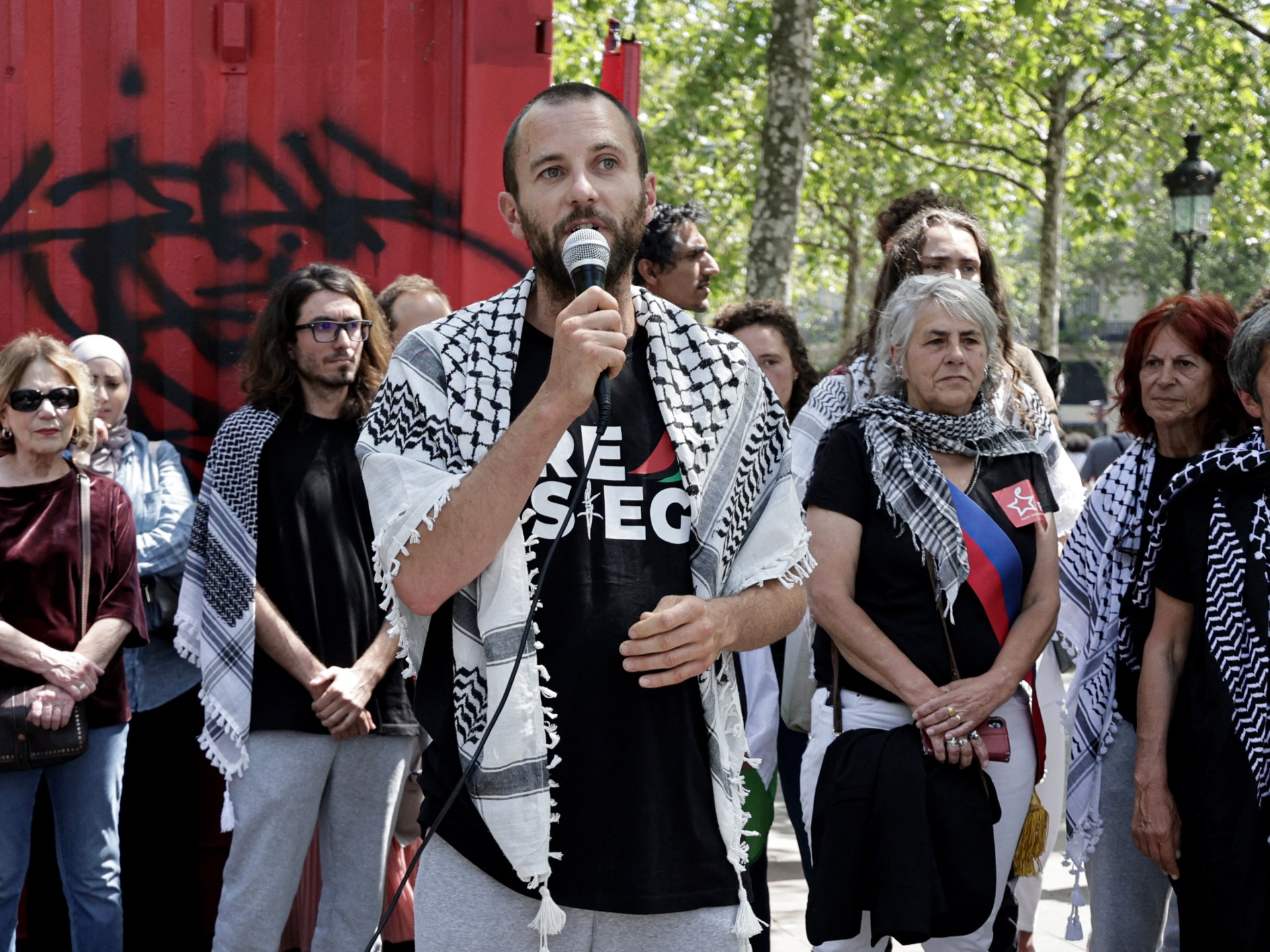
France Initiates Investigation into Allegations of Mistreatment of Gaza Aid Flotilla Activists
 world
world