
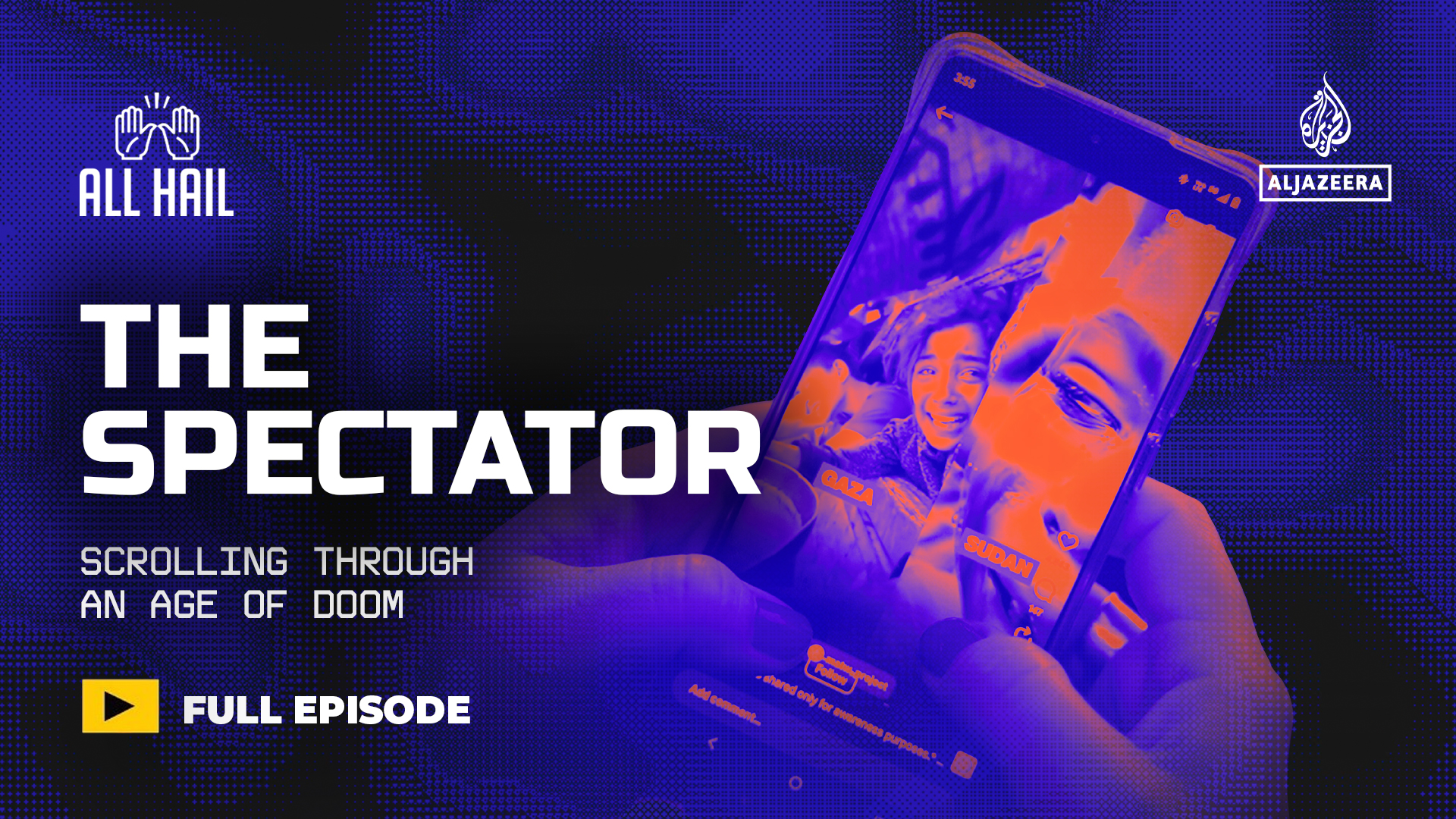
The Evolving Landscape of Conflict Reporting
The proliferation of social media platforms has profoundly transformed the manner in which individuals encounter and interpret armed conflicts. Unlike previous generations that relied predominantly on traditional news outlets for information, today's audiences are exposed to a continuous stream of content directly from war zones, often unfiltered and in real-time. This shift has significant implications for public discourse, emotional responses, and geopolitical understanding.
Immediate Access and Unfiltered Perspectives
One of the most striking changes is the immediacy of information. Events unfolding in distant conflict areas can be broadcast globally within moments, bypassing conventional journalistic gatekeepers. This direct pipeline of content, often shared by individuals on the ground, includes raw footage, personal testimonies, and graphic imagery that might not typically be featured by mainstream media due to editorial guidelines or ethical considerations. While this offers an unvarnished view, it also raises questions about verification, context, and the potential for propaganda.
Personalization and Emotional Engagement
Social media fosters a more personal and emotionally charged engagement with conflict. The ability to follow individual accounts, witness personal suffering, and engage with narratives on a human level can elicit strong empathetic responses. This personalization can mobilize public opinion, inspire activism, and even influence policy decisions as citizens demand action based on what they perceive and share online. However, this emotional intensity can also contribute to echo chambers, where individuals are primarily exposed to information that confirms their existing biases, potentially hindering a nuanced understanding of complex geopolitical situations.
Challenges to Traditional Journalism
The rise of citizen journalism and direct reporting via social media presents both opportunities and challenges for established news organizations. While social media can serve as a valuable source for breaking news and eyewitness accounts, it also necessitates rigorous fact-checking and contextualization by professional journalists. The pressure to compete with the speed of social media can sometimes lead to premature reporting or the amplification of unverified claims. Moreover, the economic models of traditional journalism are strained as audiences increasingly turn to digital platforms for their news, often without paying for content.
The Role of Propaganda and Misinformation
The open nature of social media makes it a fertile ground for the dissemination of propaganda and misinformation by state actors, non-state groups, and individuals. Manipulated images, fabricated stories, and coordinated disinformation campaigns can easily spread, shaping public perception and potentially inciting hatred or division. Identifying and countering these narratives has become a significant challenge for platforms, governments, and civil society organizations, highlighting the need for media literacy and critical thinking skills among users.
Impact on Psychological Well-being
Constant exposure to graphic content and distressing narratives from conflict zones can have a profound psychological impact on social media users. The phenomenon of 'doomscrolling,' where individuals compulsively consume negative news, can contribute to anxiety, stress, and secondary trauma. The lack of control over the content flow and the often-sensational nature of shared material underscore the mental health implications of this new mode of experiencing war.
The way we now perceive war is inextricably linked to the screens through which we consume all other forms of information and entertainment, blurring the lines between news, personal experience, and digital interaction.
Ultimately, social media has irrevocably altered the landscape of how war is perceived. It offers unprecedented access and personal connection but also introduces significant complexities related to truth, bias, emotional well-being, and the future of journalism.
Related Articles
 world
world
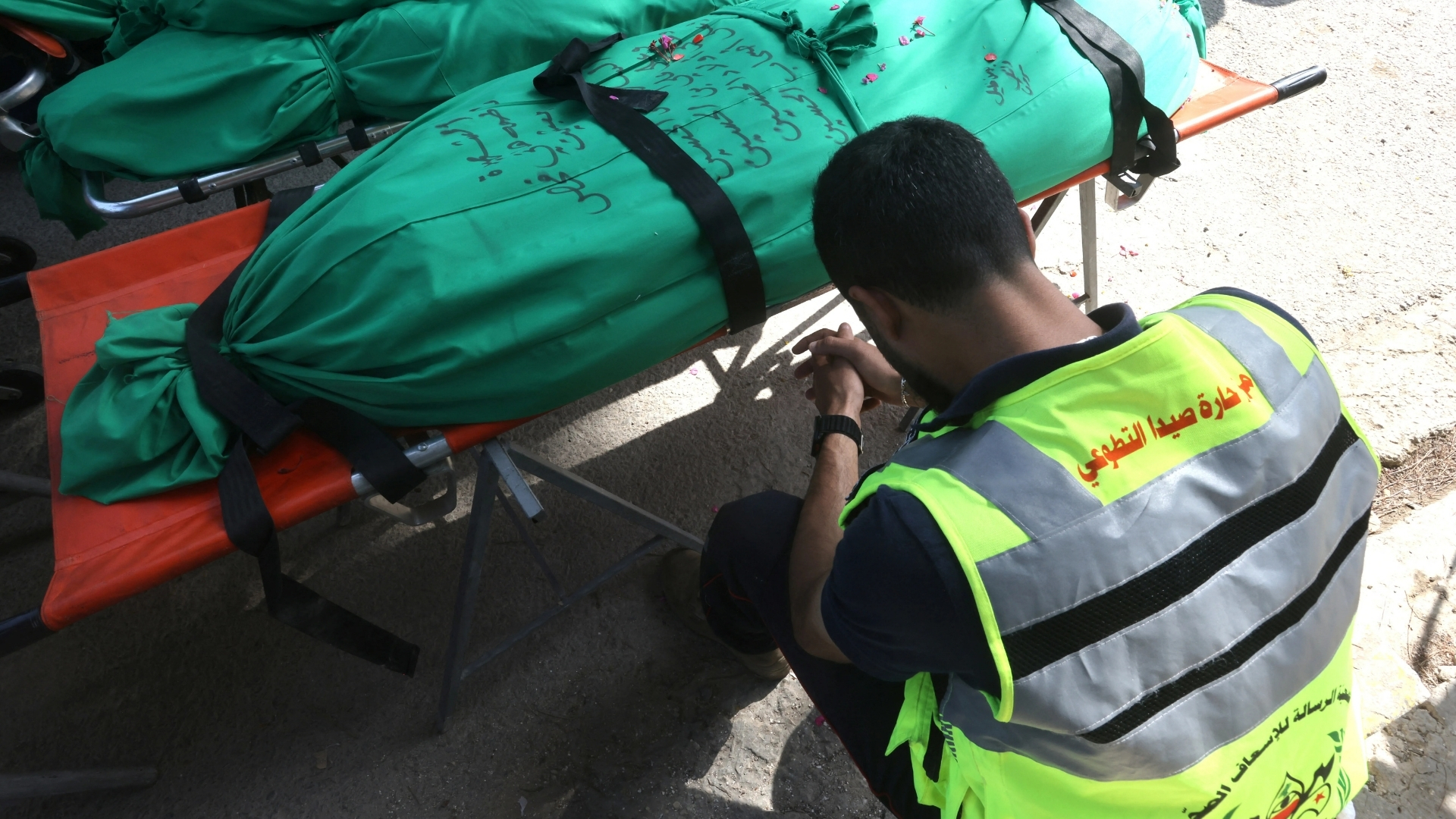
Escalating Tensions: Assessing the Impact of Recent Ceasefire Efforts in Lebanon
 world
world
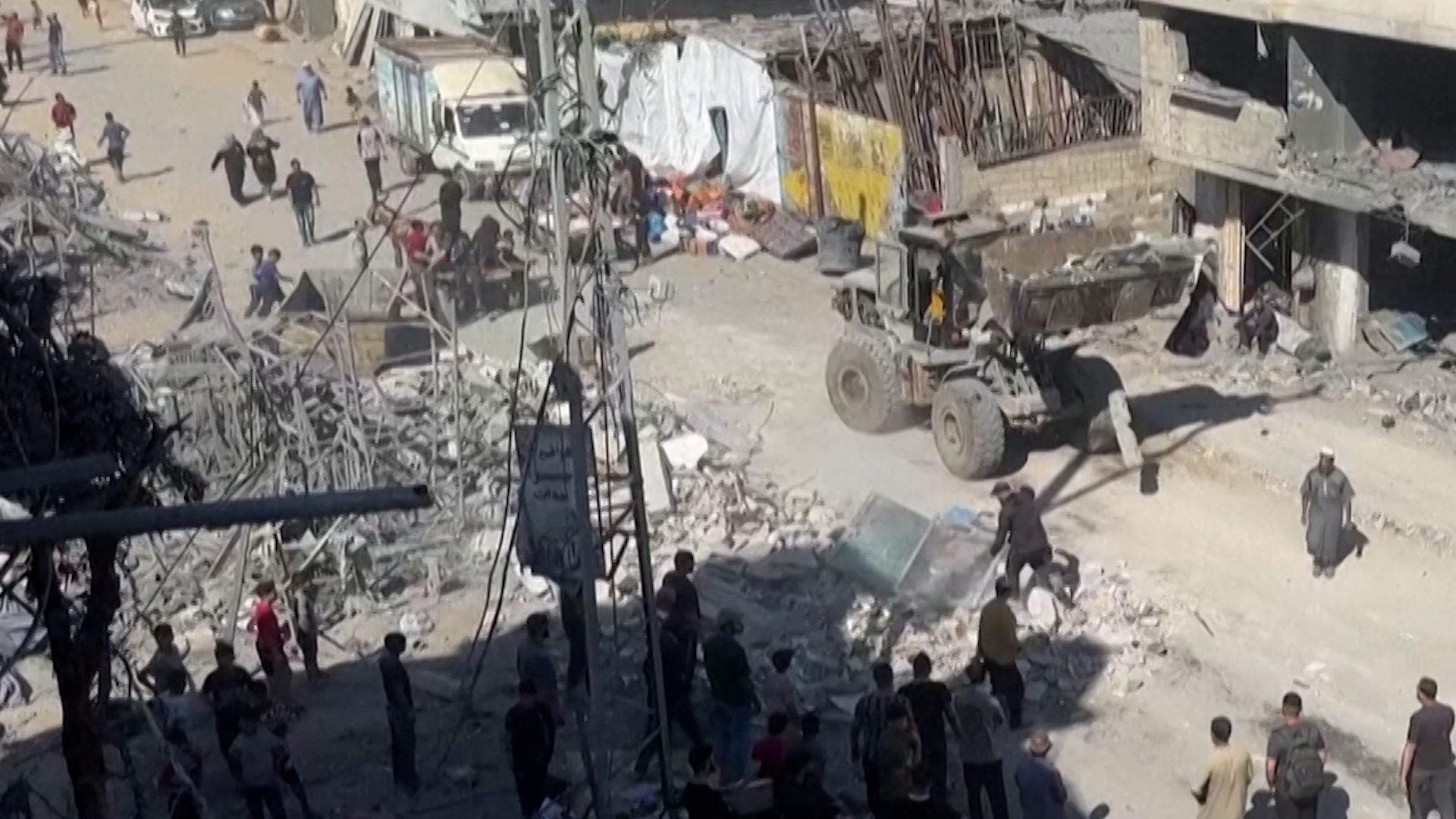
Gaza Residents Begin Cleanup Following Overnight Israeli Strikes
 world
world
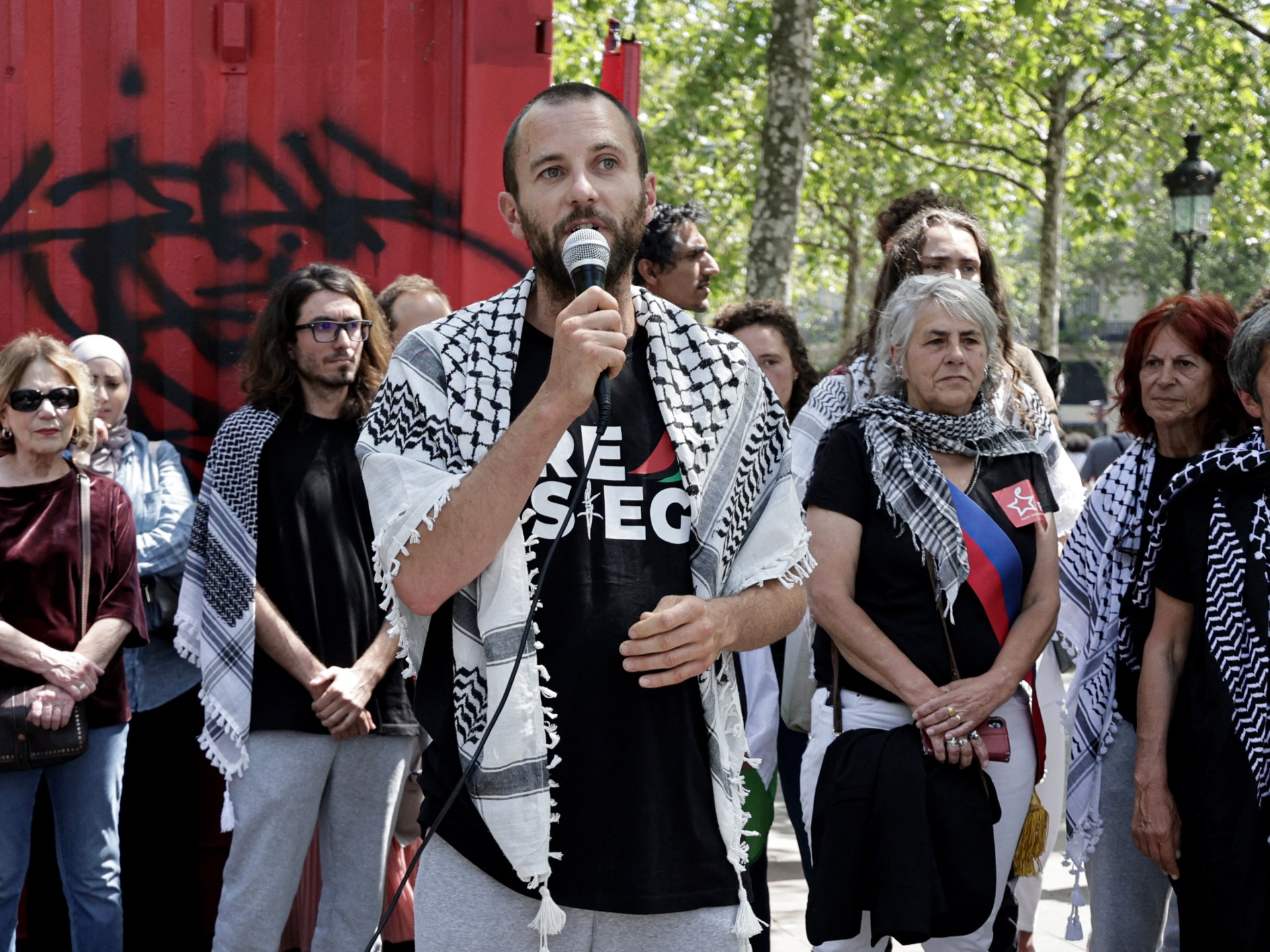
France Initiates Investigation into Allegations of Mistreatment of Gaza Aid Flotilla Activists
 world
world