
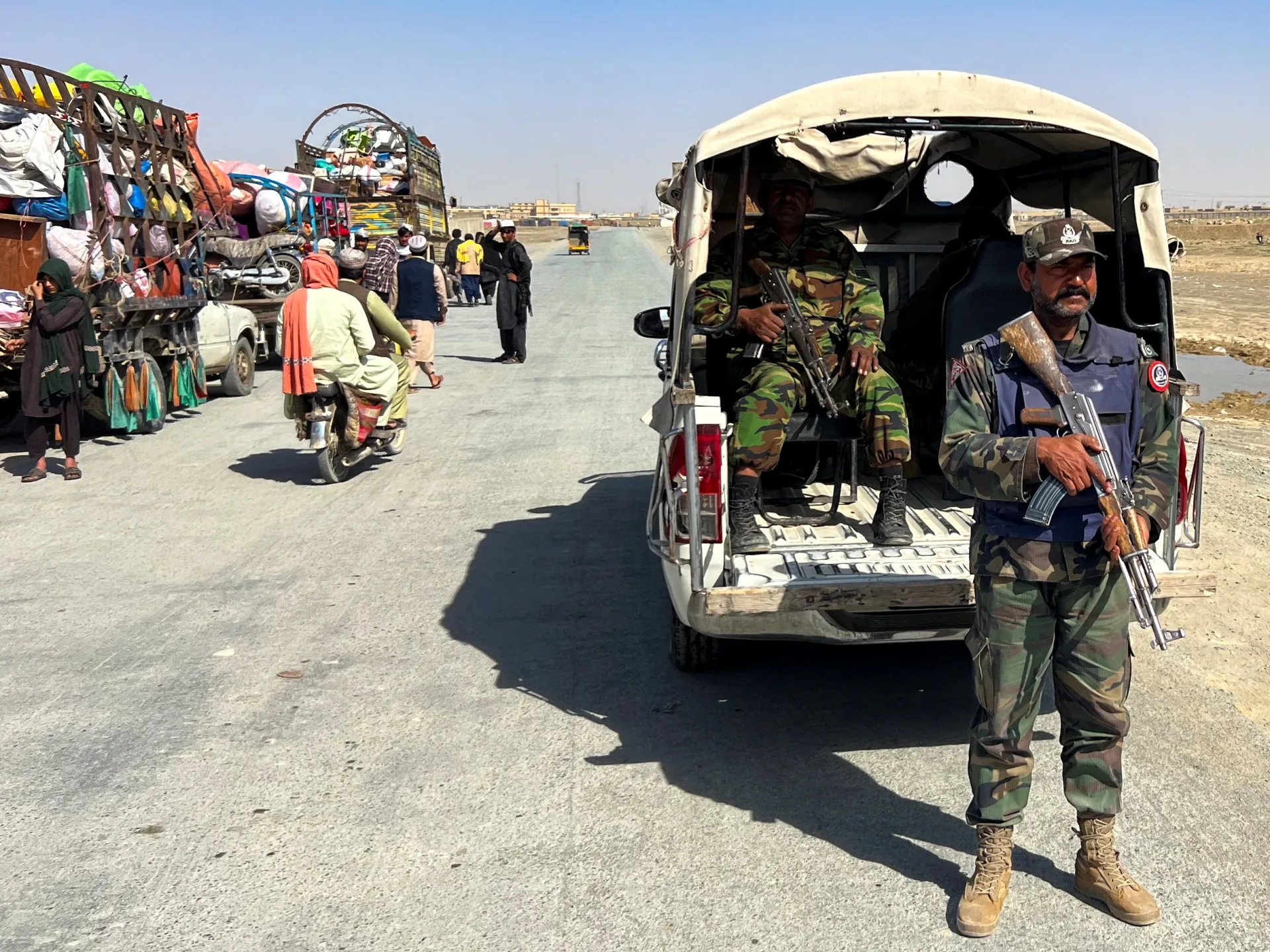
Recent Developments Fueling Regional Instability
The already strained relationship between Pakistan and Afghanistan has seen a fresh escalation following reports from Pakistan that it intercepted four rudimentary drones, allegedly launched from Afghan territory. This incident occurred in Pakistan's southern province of Balochistan. Concurrently, the Afghan defense ministry stated on social media that it had conducted "air strikes" in both Balochistan and Pakistan's northwest Khyber Pakhtunkhwa province, claiming these actions resulted in casualties among an ISIL (ISIS) affiliate.
These events represent the latest chapter in months of increasing friction and conflict between the two neighboring nations, coming shortly after the Taliban government in Afghanistan pledged a retaliatory response to earlier Pakistani air attacks on eastern Afghanistan.
Pakistan's Response and Warnings
On Wednesday, Pakistan's military confirmed the interception, detailing that Afghan Taliban forces had "launched four rudimentary drones across the border in Balochistan." The statement emphasized that "the hostile aerial platforms were immediately picked up by Pakistan’s robust air defence network." The military also issued a stern warning, asserting that "If the Afghan Taliban continue to provoke Pakistan, they would receive a befitting response which would cost them heavily."
While the Afghan Taliban's military is not known to possess a sophisticated air force or fighter jets, it has reportedly utilized small drones in previous engagements, particularly in border regions with Pakistan.
Historical Context of Cross-Border Friction
Relations between Pakistan and Afghanistan have been characterized by significant tension since the Taliban's resurgence to power in Kabul in 2021. The current wave of conflict has led to hundreds of fatalities in cross-border clashes since February of the current year. This period of heightened aggression began when Afghanistan initiated retaliatory strikes following Pakistan's air attacks within Afghan territory.
A particularly deadly incident in Karachi earlier this year prompted Pakistan to conduct further attacks in eastern Afghanistan. Islamabad maintained that these operations targeted militants, though the Afghan government countered, alleging at least 36 civilian casualties from these strikes.
Underlying Causes of the Conflict
At the heart of the ongoing dispute are Pakistan's persistent accusations that the Taliban government provides sanctuary to armed groups responsible for attacks within Pakistan. Specifically, Pakistan has frequently cited the Pakistan Taliban, often referred to by its acronym TTP, which has been engaged in a violent campaign against the Pakistani state for several years. Islamabad contends that these groups operate from Afghan soil with impunity, posing a direct threat to Pakistan's security.
Conversely, Afghan officials vehemently deny these allegations. They argue that Pakistan itself harbors hostile groups and, furthermore, that Pakistan's actions, particularly its cross-border military operations, demonstrate a disregard for Afghanistan's sovereignty. This mutual distrust and conflicting narratives continue to fuel a cycle of accusations and retaliatory actions, making a peaceful resolution increasingly challenging. The recent drone incident and subsequent claims from both sides underscore the volatile nature of the border region and the complex geopolitical dynamics at play between the two nations.
The lack of a unified approach to counter-terrorism and border security, combined with historical grievances and a lack of effective communication channels, ensures that such incidents are likely to recur, perpetuating instability in the region. Both countries face internal and external pressures that contribute to their respective stances, making de-escalation a difficult prospect in the near term.
Source: Original Article
Related Articles
 world
world
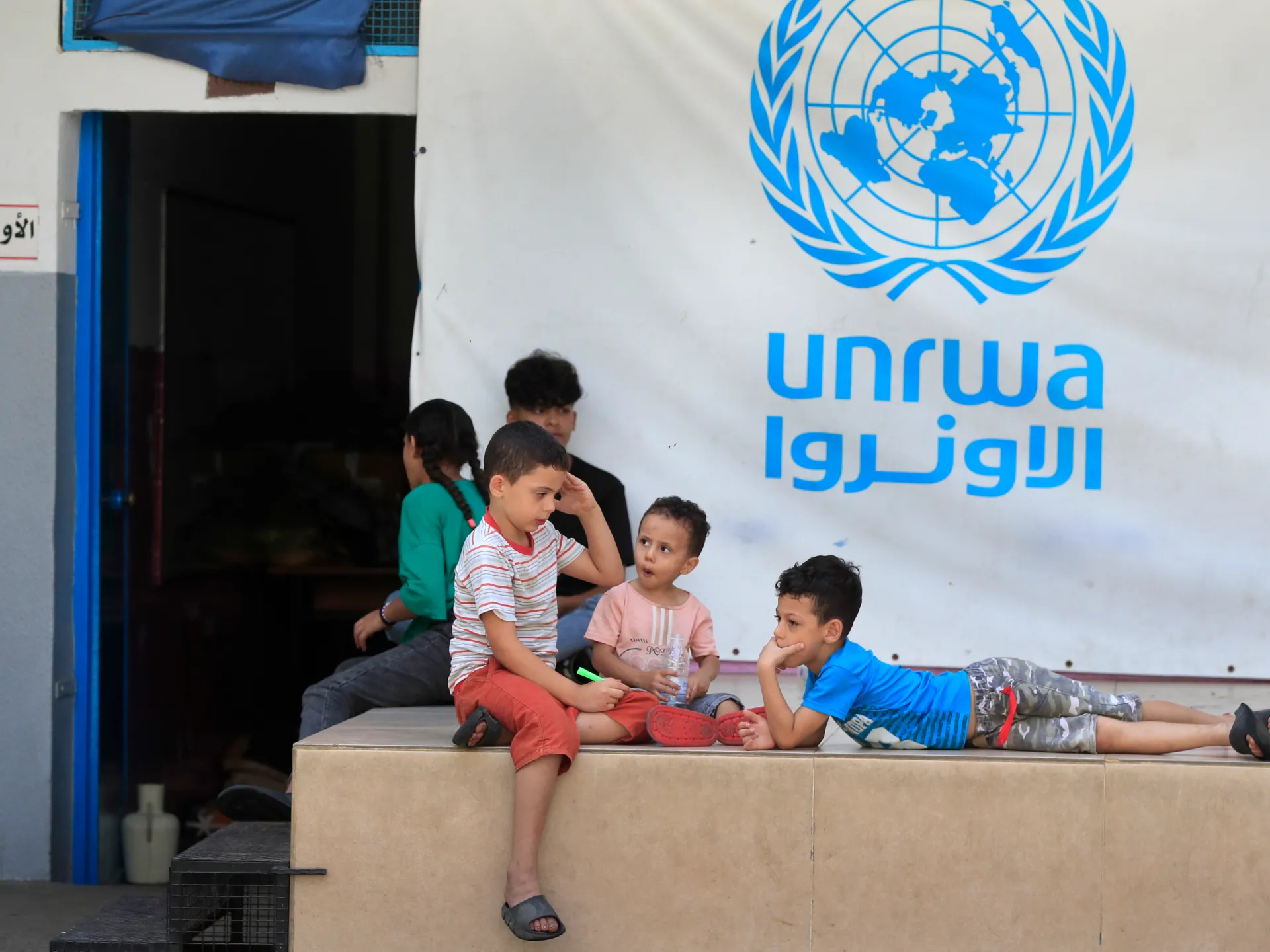
UNRWA Faces Critical Funding Gap Amid Warnings of Worsening Humanitarian Crisis for Palestinians
 world
world
Sweden's Evolving Migration Landscape: A Decade of Policy Shifts and Personal Impacts
 world
world
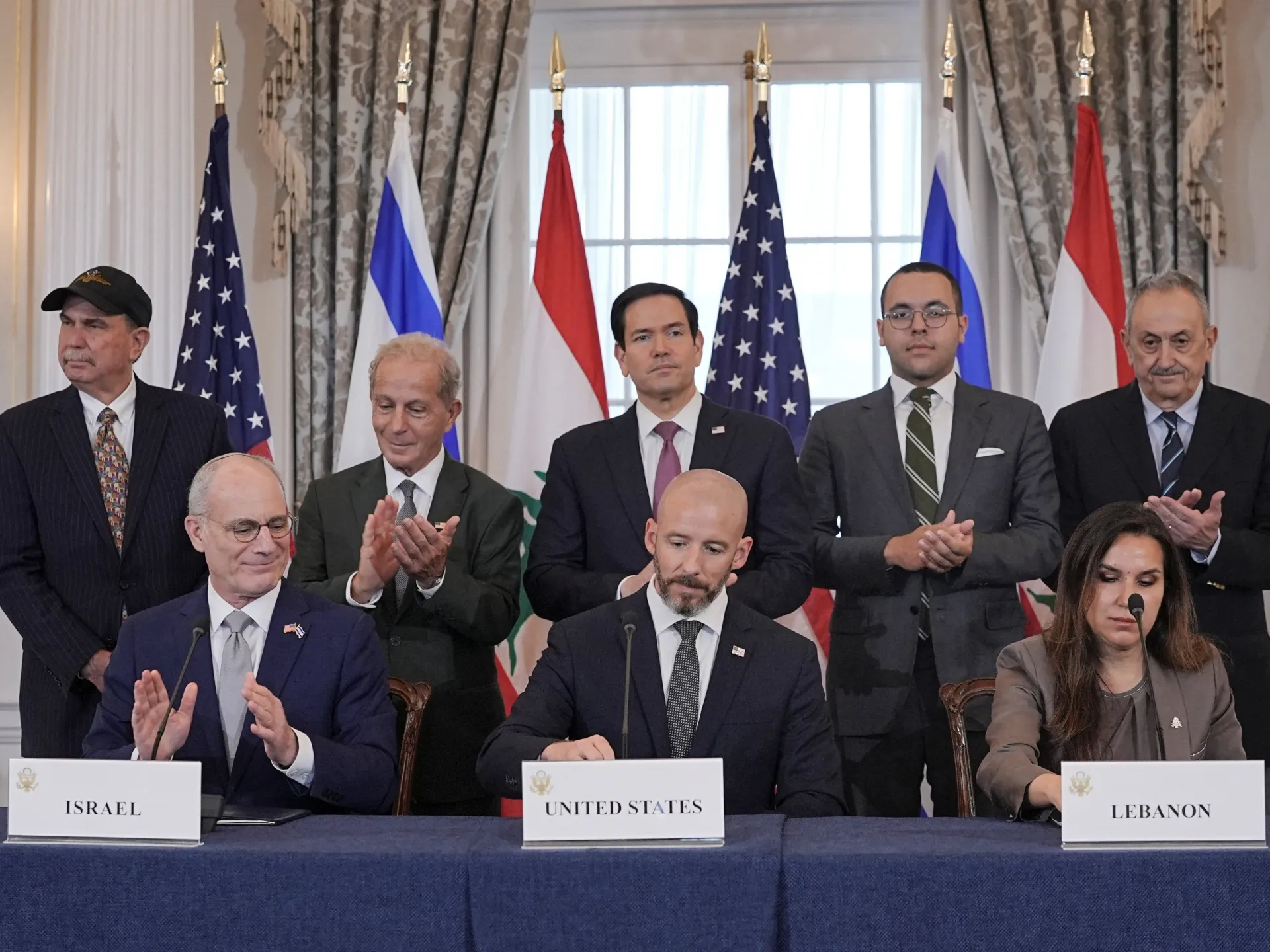
Lebanon-Israel Accord: A Precursor to Future Conflict?
 world
world