
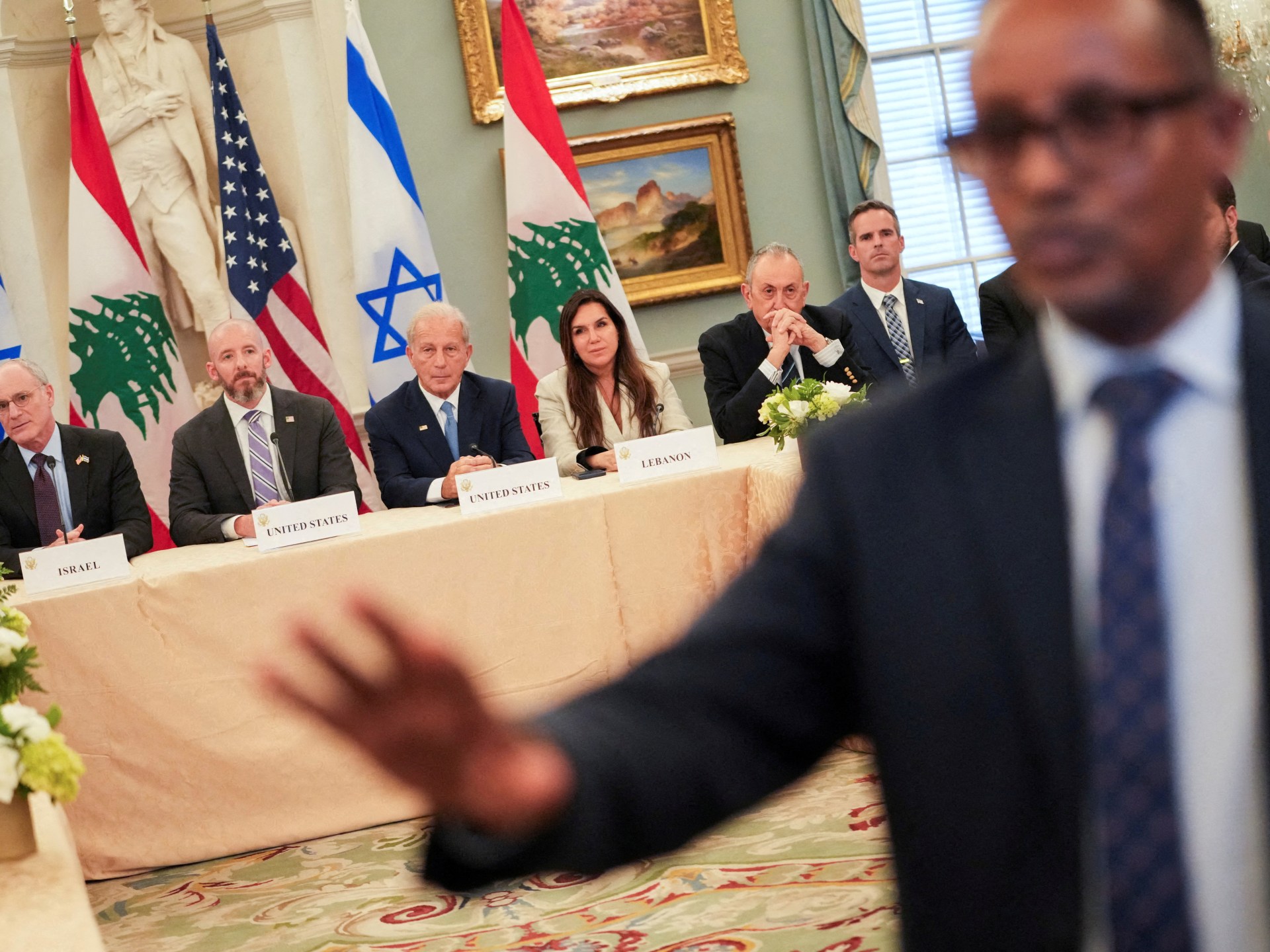
Diplomatic Breakthrough in US-Brokered Negotiations
A significant development has emerged from recent diplomatic efforts, with Israel and Lebanon reportedly agreeing to a conditional ceasefire. This agreement follows a series of talks facilitated by the United States, held in Washington D.C. The negotiations, aimed at de-escalating tensions between the two nations, did not include direct participation from Hezbollah, a prominent political and military organization in Lebanon.
The Role of US Mediation
The United States has played a pivotal role in bringing both parties to the negotiating table. US officials have been actively engaged in shuttle diplomacy and direct mediation to bridge the longstanding divides and foster an environment conducive to peace. The decision to host these critical discussions in Washington underscores the international community's commitment to stability in the Middle East.
Mediated talks often present unique challenges, especially when dealing with complex geopolitical landscapes. The absence of direct representation from all key stakeholders, such as Hezbollah in this instance, can add layers of complexity to the implementation and long-term sustainability of any agreement. However, the current ceasefire marks a crucial step forward in reducing immediate hostilities.
Understanding the Conditions
While specific details regarding the 'conditional' nature of the ceasefire have not been fully disclosed, such agreements typically involve a set of reciprocal commitments from both sides. These conditions often relate to:
- Cessation of all military activities.
- Withdrawal of forces from certain areas.
- Measures to prevent future provocations.
- Mechanisms for monitoring and verifying compliance.
The effectiveness of the ceasefire will largely depend on the adherence of all relevant parties to these stipulated conditions. International observers and mediating nations will likely play a role in overseeing the implementation process.
Hezbollah's Position and Regional Dynamics
Hezbollah's non-participation in the Washington talks introduces a complex dynamic. As a powerful non-state actor with significant influence within Lebanon and a history of conflict with Israel, its stance on the ceasefire will be critical for the agreement's viability. While not directly at the table, it is plausible that discussions with Hezbollah occurred through indirect channels or that Lebanese representatives considered their position during negotiations.
The intricate web of regional alliances and rivalries means that any agreement between Israel and Lebanon must navigate broader geopolitical currents to be truly effective.
The broader regional context, including the ongoing situation in Syria and the wider dynamics of power in the Middle East, inevitably influences the relationship between Israel and Lebanon. Any ceasefire agreement is therefore not just a bilateral matter but one embedded within a larger, interconnected security framework.
Path Forward and Challenges
The announcement of a conditional ceasefire offers a glimmer of hope for a region often plagued by conflict. However, the path to lasting peace is rarely straightforward. Challenges will undoubtedly arise in the coming days and weeks, particularly concerning the interpretation and implementation of the agreed-upon conditions.
Sustained diplomatic engagement, coupled with a commitment from all parties to de-escalation, will be essential to transform this conditional ceasefire into a more enduring period of stability. The international community, led by the United States, will likely continue its efforts to support this fragile peace process.
Source: Original Article
Related Articles
 world
world
Escalating Tensions: Assessing the Impact of Recent Ceasefire Efforts in Lebanon
 world
world
Gaza Residents Begin Cleanup Following Overnight Israeli Strikes
 world
world
France Initiates Investigation into Allegations of Mistreatment of Gaza Aid Flotilla Activists
 world
world