
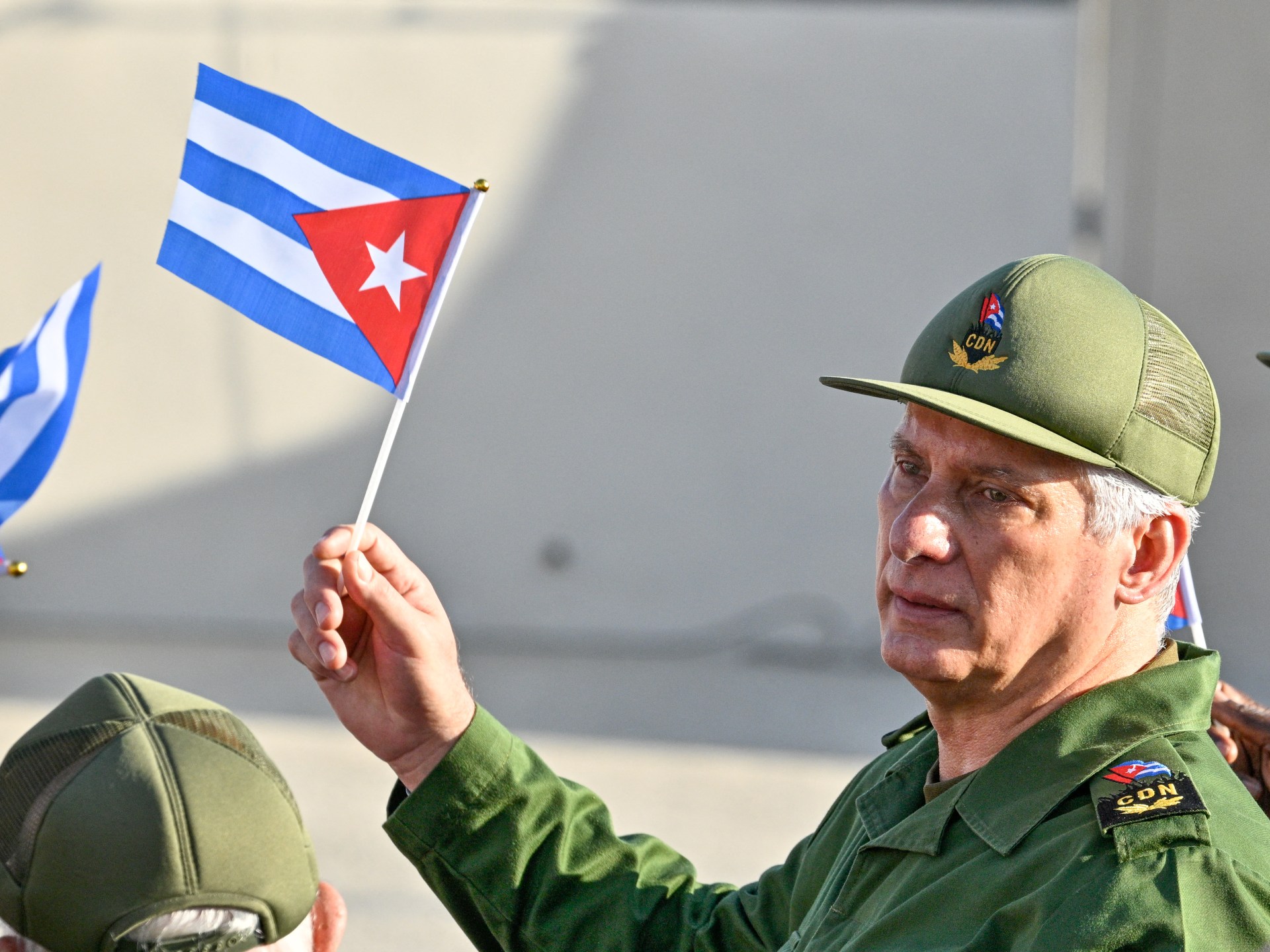
Humanitarian Situation in Cuba
Cuba, an island nation in the Caribbean, is currently navigating a period of significant humanitarian challenges. Reports indicate a scarcity of various essential goods, contributing to difficult living conditions for its populace. These shortages are multifaceted, stemming from a combination of economic pressures and external factors.
Impact of External Pressures
One of the primary contributing factors to Cuba's current economic and humanitarian difficulties is an ongoing fuel blockade. This blockade has had a cascading effect, impeding the transport and distribution of vital supplies across the island. The restrictions on fuel imports impact not only everyday transportation but also agricultural production, industrial operations, and the delivery of humanitarian aid, exacerbating existing shortages.
The policy framework surrounding these pressures has been a subject of international discussion. The previous administration in the United States, under former President Donald Trump, implemented measures aimed at fostering a change in the Cuban government. These policies, which included various sanctions and restrictions, have been widely cited by Cuban authorities and international observers as significant contributors to the island's economic distress and the resulting humanitarian strain.
International Aid and Bilateral Relations
In response to the escalating needs, Cuba has sought and received assistance from international partners. A notable recent contribution comes from China, which has dispatched a shipment of rice to the island. This aid is particularly significant given rice is a staple food in the Cuban diet, and its availability directly impacts food security for many households.
The Cuban government has publicly acknowledged and thanked China for this timely assistance. Such gestures underscore the diplomatic and economic ties between the two nations, highlighting China's role as a key ally and trading partner for Cuba, especially during periods of adversity.
The provision of aid from countries like China is crucial for Cuba as it endeavors to mitigate the impact of the ongoing shortages on its citizens. These shipments help to alleviate immediate needs, but the long-term resolution of Cuba's humanitarian challenges will likely require sustained international cooperation and a re-evaluation of the external pressures currently affecting the island.
Addressing the Root Causes
Analysts suggest that while humanitarian aid provides temporary relief, a sustainable solution for Cuba's challenges would involve addressing the root causes of the shortages. This includes evaluating the effectiveness and human impact of economic sanctions and blockades. International organizations and advocacy groups have often called for a more humanitarian approach to foreign policy, emphasizing the importance of ensuring that sanctions do not disproportionately harm civilian populations.
The situation in Cuba remains a focal point for international human rights organizations and political observers who continue to monitor the humanitarian conditions and the broader geopolitical dynamics at play. The recent rice shipment from China serves as a reminder of the global interconnectedness and the role of international solidarity in addressing humanitarian crises.
Source: Original Article
Related Articles
 world
world
Iran and US Negotiations: Agreement Not Imminent Despite Reported Progress
 world
world
Syrian Legislative Elections Extend to Formerly Kurdish-Held Regions
 world
world
Russian Authorities Present Aftermath of Luhansk College Strike to Media
 world
world