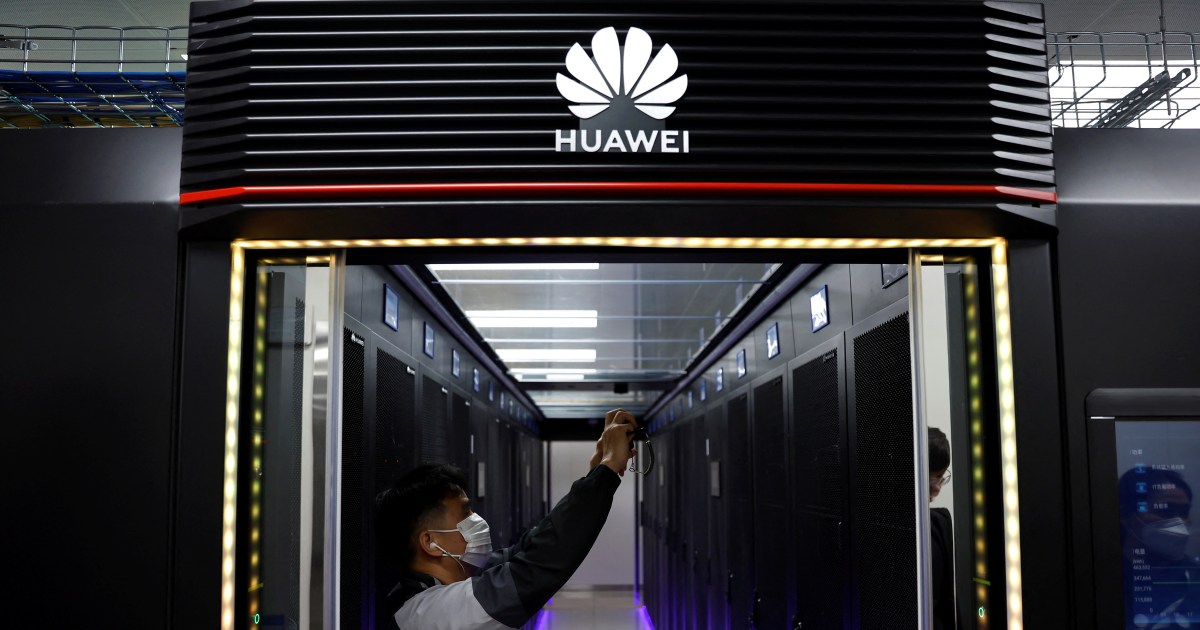
The Growing Demand for AI Infrastructure
The global race for supremacy in artificial intelligence (AI) is intensifying, with nations heavily investing in the foundational infrastructure required to develop and deploy advanced AI models. A critical component of this infrastructure is the data center, which houses the powerful computing systems necessary for AI training and operation. These facilities are notoriously energy-intensive, demanding vast amounts of electricity to power servers and maintain optimal operating temperatures.
Energy as a Strategic Asset in AI Development
In this high-stakes competition, access to affordable and reliable energy sources is proving to be a significant strategic advantage. Reports suggest that China possesses a substantial edge in this regard due to its ample supply of relatively inexpensive electricity. This energy abundance allows the country to construct and operate the large-scale data centers essential for AI development at a potentially lower cost compared to some of its global rivals.
The operational expenses of data centers are heavily influenced by energy costs. For countries with higher electricity prices, the financial burden of scaling up AI infrastructure can be substantial. Conversely, nations with access to cheaper power can allocate more resources to research, development, and the expansion of computing capabilities, potentially accelerating their progress in AI innovation.
The Role of Data Centers in AI Advancement
Data centers are the backbone of modern AI. They are not merely storage facilities but complex ecosystems designed to handle the immense computational demands of machine learning algorithms. Training sophisticated AI models, such as large language models (LLMs) or advanced image recognition systems, requires processing colossal datasets and executing billions of calculations. This process consumes extraordinary amounts of energy, making power availability and cost paramount considerations for any nation aiming to lead in AI.
Economic Implications of Energy Costs
The economic implications of energy costs extend beyond just the initial setup of data centers. Ongoing operational expenses, primarily driven by electricity consumption, can significantly impact the long-term viability and competitiveness of AI initiatives. A lower operational cost base can enable more widespread deployment of AI technologies, foster innovation by reducing barriers to entry for researchers and startups, and ultimately contribute to a more robust national AI ecosystem.
Access to affordable and reliable energy sources is proving to be a significant strategic advantage in the global AI competition, particularly for establishing and operating large-scale data centers.
As the complexity and scale of AI models continue to grow, so too will their energy footprint. This trend underscores the importance of energy resources as a fundamental factor in determining the future landscape of global AI leadership. Countries with a secure and cost-effective energy supply may find themselves better positioned to meet the escalating demands of AI development and maintain a competitive edge.
Source: China’s secret weapon in AI race with US? Lots of cheap energy