
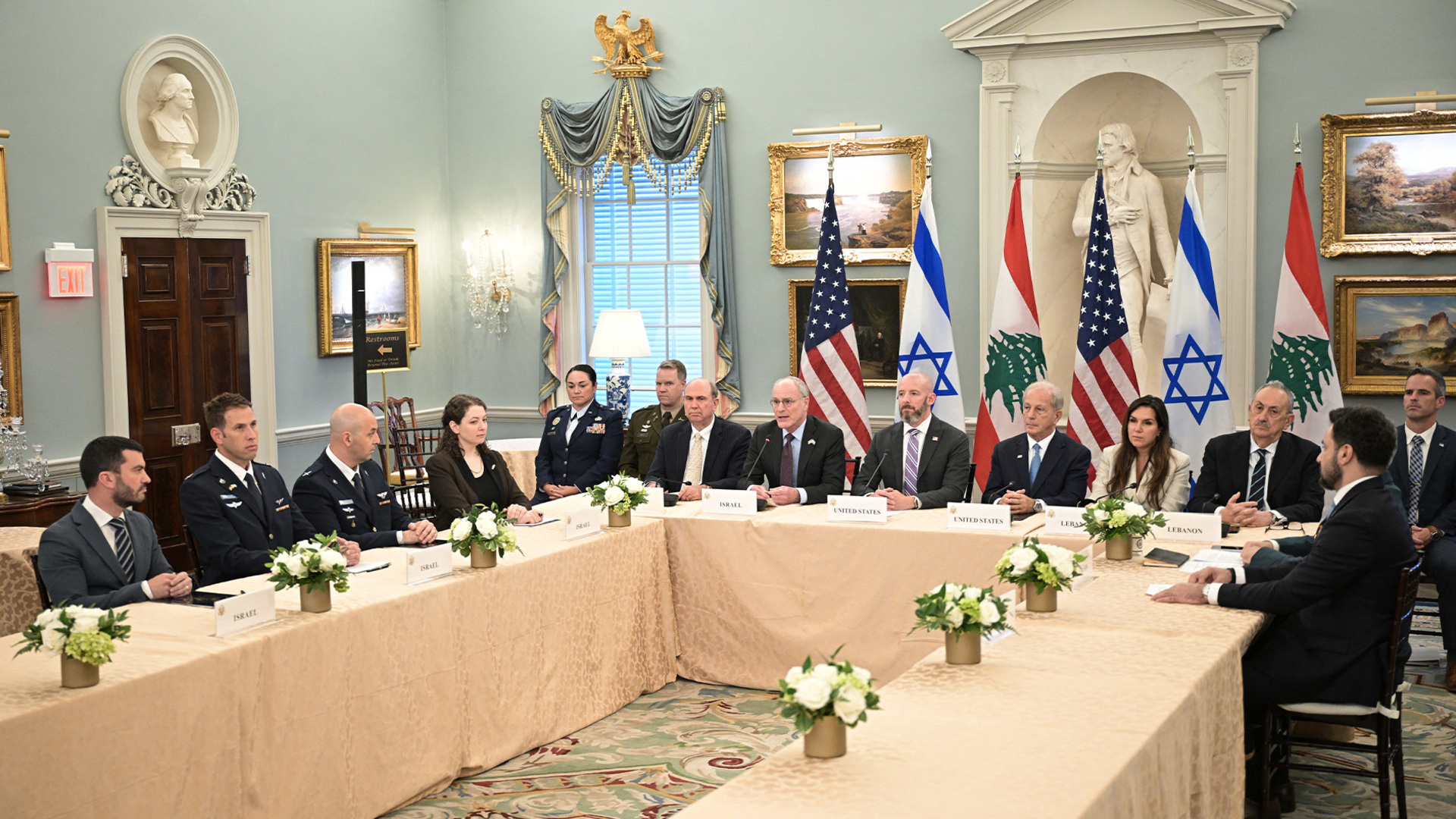
Diplomatic Breakthrough: A New Framework for Stability
Recent diplomatic efforts, spearheaded by the United States, have culminated in the announcement of a ceasefire framework between Israel and Lebanon. This development marks a significant step towards de-escalating ongoing tensions and fostering a more stable environment along their shared border. The negotiations, which have been ongoing for some time, aimed to establish a structured approach to managing disputes and preventing further conflict.
The specific details of the framework have not been fully disclosed, but it is understood to encompass measures designed to reduce military confrontations, establish clearer lines of communication, and potentially outline mechanisms for addressing future incidents. The involvement of the US as a mediator underscores the international community's interest in preventing a wider regional conflict and promoting peaceful resolutions between the two nations.
The Role of US Mediation
The United States has played a crucial role in bringing both Israeli and Lebanese representatives to the negotiating table. US officials have engaged in extensive shuttle diplomacy, working to bridge gaps between the two sides and facilitate a common understanding. This mediation highlights the persistent efforts by international actors to encourage dialogue and find common ground in historically contentious relationships.
US envoys have emphasized the importance of a lasting peace and have stressed that the framework is a foundational element upon which future agreements can be built. Their involvement is seen as critical given the complex geopolitical landscape of the Middle East and the deep-seated historical grievances that exist.
Uncertainty Surrounding Hezbollah's Absence
Despite the positive announcement, a significant challenge to the framework's comprehensive enforcement is the notable absence of Hezbollah from the negotiation process. Hezbollah, a powerful political party and militant group in Lebanon, exerts substantial influence over the country's southern border region and has been a primary actor in past conflicts with Israel.
The effectiveness of any ceasefire framework in Lebanon is inherently linked to the buy-in and cooperation of all significant parties, including non-state actors like Hezbollah. Without their direct involvement or endorsement, the practical implementation of the agreement faces considerable hurdles.
Analysts suggest that while the Lebanese government may endorse the framework, Hezbollah's independent operational capacity means that their adherence to its terms cannot be guaranteed without their direct participation or a clear commitment. This raises concerns about potential unilateral actions that could undermine the fragile agreement. Future diplomatic efforts may need to focus on engaging Hezbollah, either directly or indirectly, to ensure broader compliance and increase the framework's chances of long-term success.
Looking Ahead: Challenges and Opportunities
The ceasefire framework represents an opportunity to reduce immediate hostilities and create a pathway for more substantial peace talks. However, the path forward is fraught with challenges. Beyond the issue of Hezbollah's involvement, other obstacles include establishing robust verification mechanisms, building trust between the parties, and addressing underlying political and territorial disputes.
The international community will likely continue to monitor the situation closely, offering support for the implementation of the framework and encouraging further dialogue. The success of this initial agreement will depend heavily on the commitment of all parties to uphold its terms and on the continued efforts of mediators to navigate the complex dynamics of the region. This framework, while a positive step, is merely the beginning of what promises to be a long and intricate process towards achieving lasting peace and stability between Israel and Lebanon.
Source: Al Jazeera
Related Articles
 world
world
Escalating Tensions: Assessing the Impact of Recent Ceasefire Efforts in Lebanon
 world
world
Gaza Residents Begin Cleanup Following Overnight Israeli Strikes
 world
world
France Initiates Investigation into Allegations of Mistreatment of Gaza Aid Flotilla Activists
 world
world