
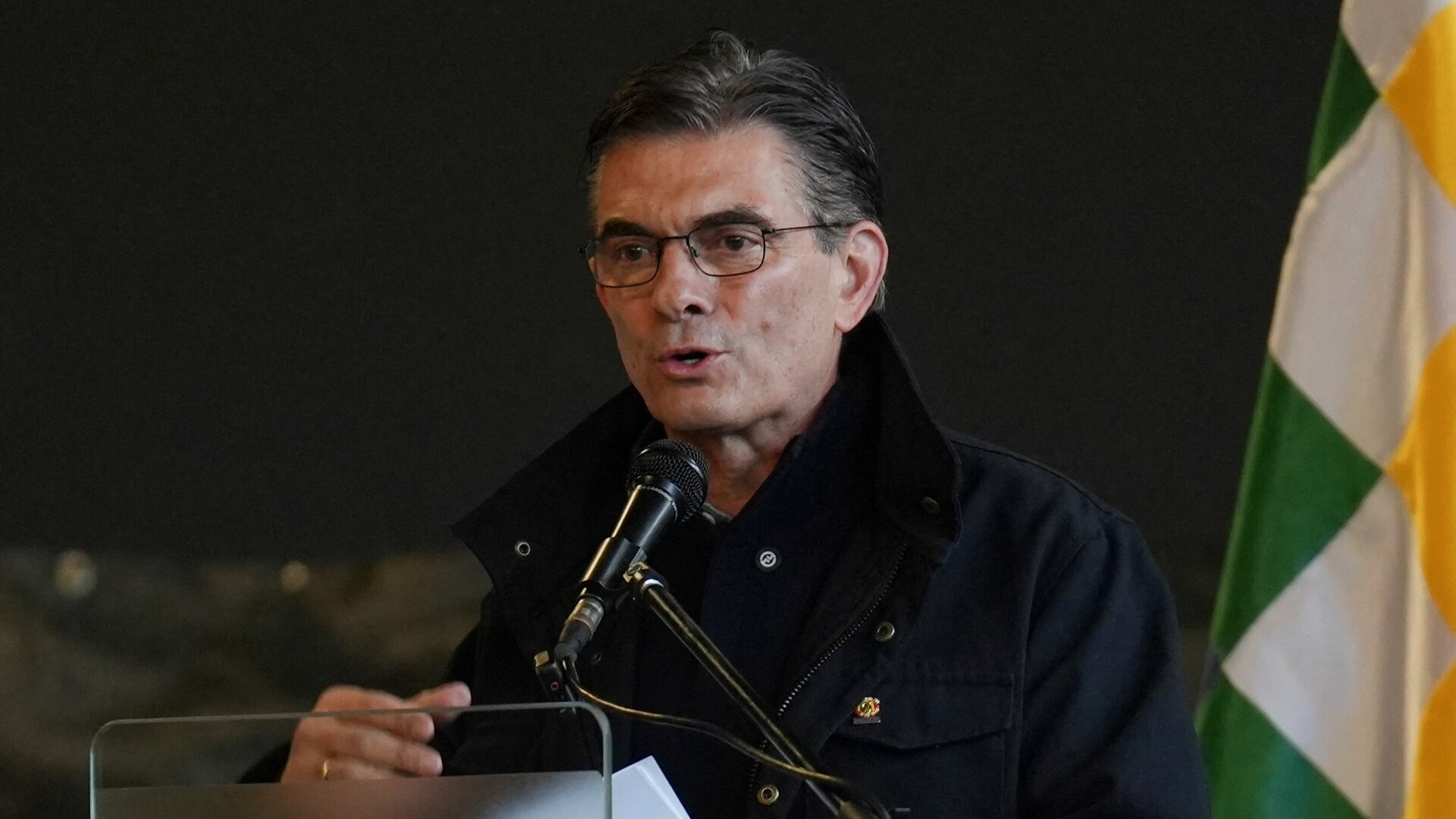
Deepening Crisis in Bolivia
Bolivia is currently experiencing a period of significant unrest, marked by weeks of protests that have led to a prolonged standoff between the government and various dissenting groups. The nation's president has recently escalated rhetoric, publicly stating that 'time is running out' in an apparent call for a resolution to the ongoing demonstrations.
The Nature of the Protests
While specific details regarding the demands and composition of the protesting groups are often complex, such sustained demonstrations typically stem from a range of grievances. These can include economic policies, social injustices, allegations of corruption, or concerns over democratic processes. The duration of the current protests suggests deep-seated issues that have yet to be addressed to the satisfaction of all parties involved.
Government's Stance and Warnings
The presidential warning indicates a growing sense of urgency within the government to de-escalate the situation. Such statements can be interpreted in several ways: as a call for dialogue, a warning against continued disruption, or a precursor to potential government actions aimed at restoring order. The phrase 'time is running out' often implies that patience is wearing thin and that a decisive phase in the crisis may be approaching.
The prolonged nature of the protests underscores the complexity of the political and social landscape in Bolivia, where various factions are vying for influence and demanding changes.
Potential Impacts of Prolonged Unrest
Weeks of protests can have severe consequences for a nation. Economically, they can disrupt supply chains, impact commerce, and deter investment. Socially, they can exacerbate divisions, lead to clashes, and affect daily life for ordinary citizens. Politically, prolonged instability can challenge governance, erode public trust, and complicate efforts to implement necessary reforms.
Historical Context of Bolivian Protests
Bolivia has a history of social movements and protests, often driven by its diverse population and complex political dynamics. Understanding the current situation requires acknowledging this historical context, where various groups, including indigenous communities, labor unions, and political opposition, have historically played significant roles in shaping the nation's trajectory through public demonstrations.
Calls for Dialogue and Resolution
In situations of protracted unrest, calls for dialogue and negotiation typically emerge from both domestic and international actors. A peaceful resolution often involves open communication channels between the government and protest leaders, mediation efforts, and a willingness from all sides to compromise. The challenge lies in finding common ground that addresses the core grievances of the protesters while maintaining stability and order.
The Role of Media and Public Perception
The way such crises are reported and perceived by the public, both domestically and internationally, can significantly influence their development. Media coverage can highlight key issues, give voice to different perspectives, and shape public opinion, which in turn can impact the actions of both the government and the protesters.
Looking Ahead
As the standoff continues, the international community will likely be observing developments closely. The coming days and weeks will be crucial in determining whether the president's warning leads to a breakthrough in negotiations, a change in protest tactics, or an escalation of the crisis. The ultimate goal for all stakeholders should be a peaceful and sustainable resolution that addresses the underlying causes of the unrest and ensures the well-being of the Bolivian people.
Source: Al Jazeera
Related Articles
 news
news
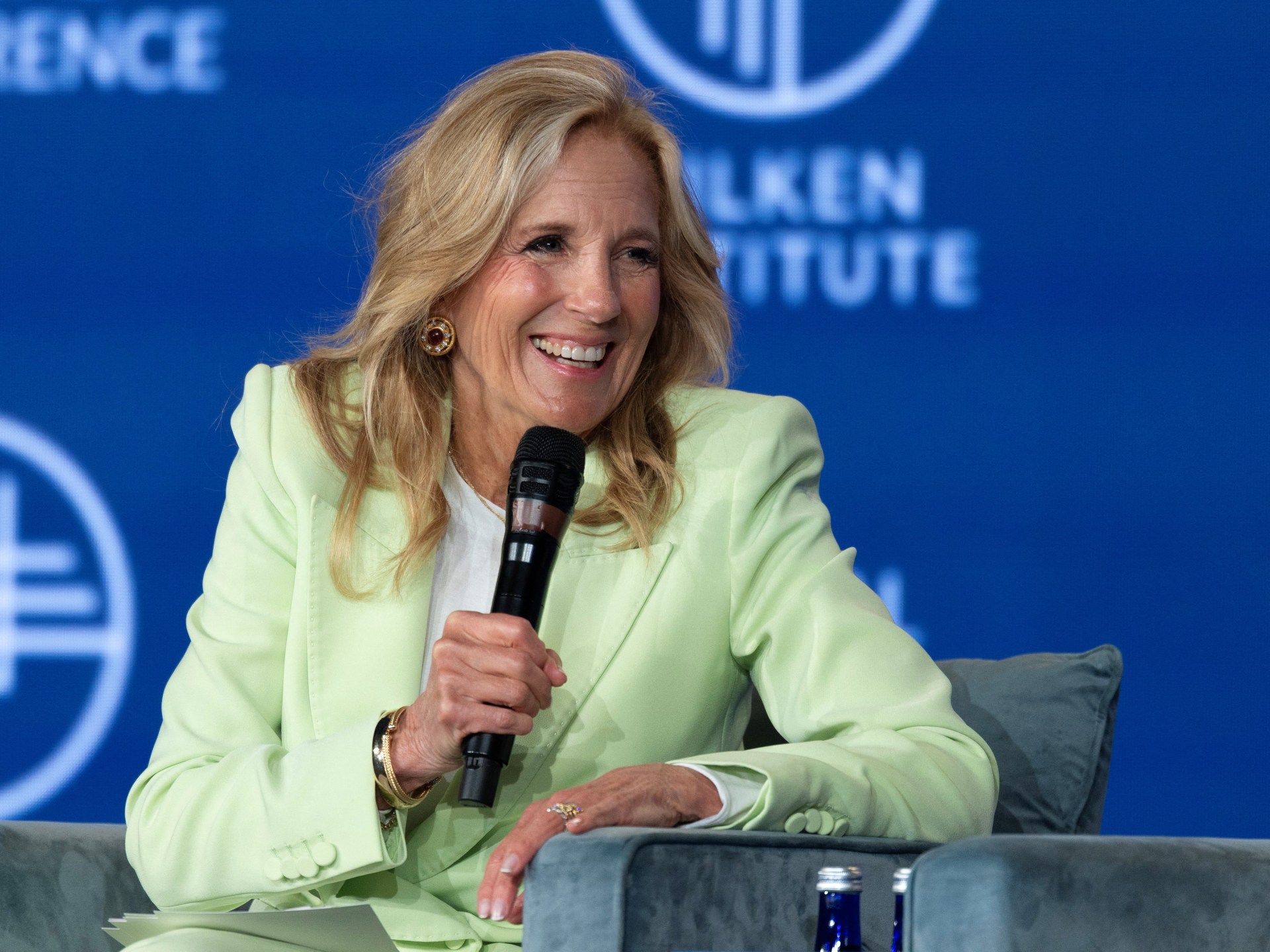
Jill Biden Expresses Concern Over Husband's Debate Performance
 news
news
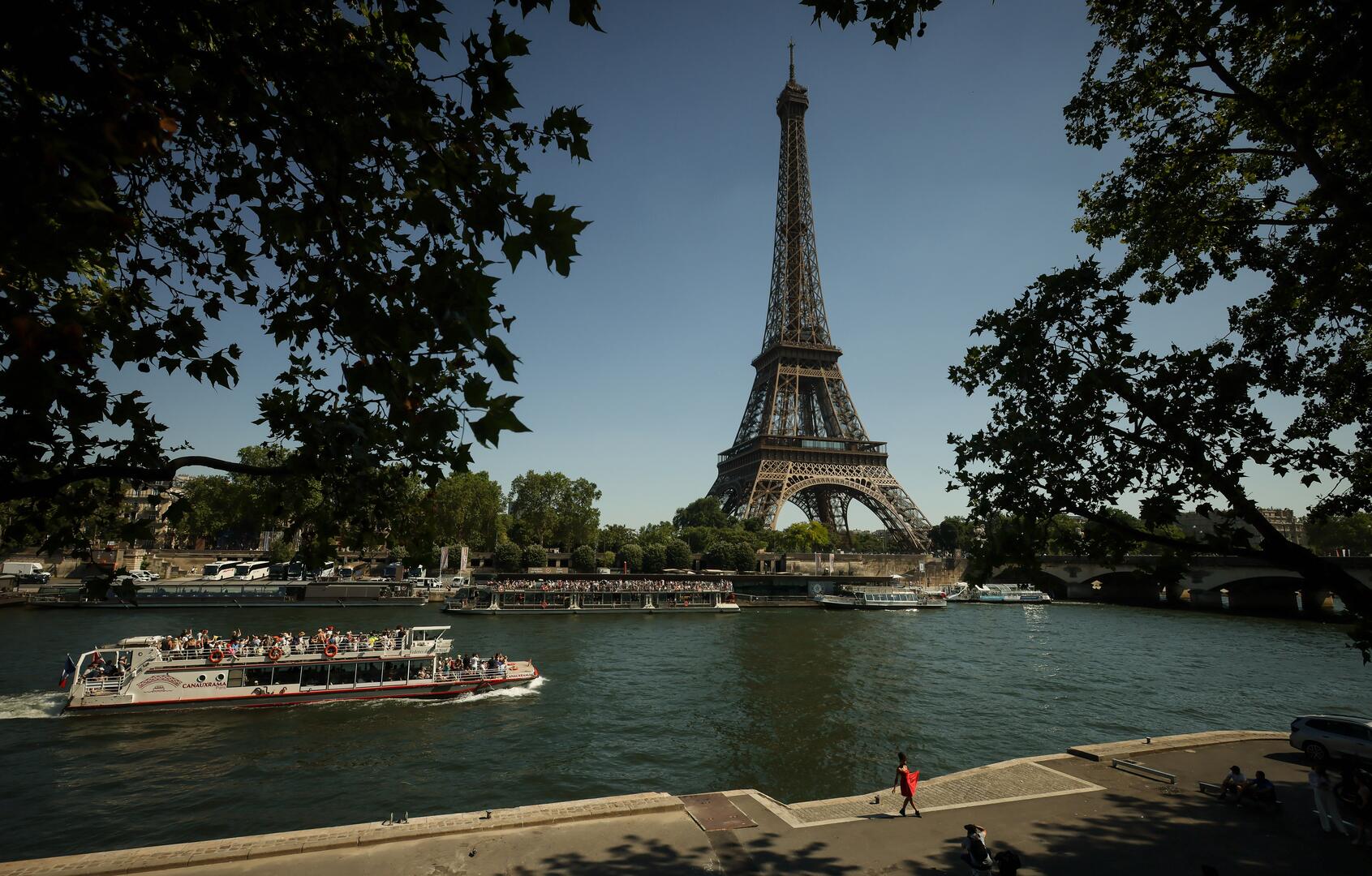
Paris Residents Seek Relief in Canal Amidst European Heatwave
 news
news
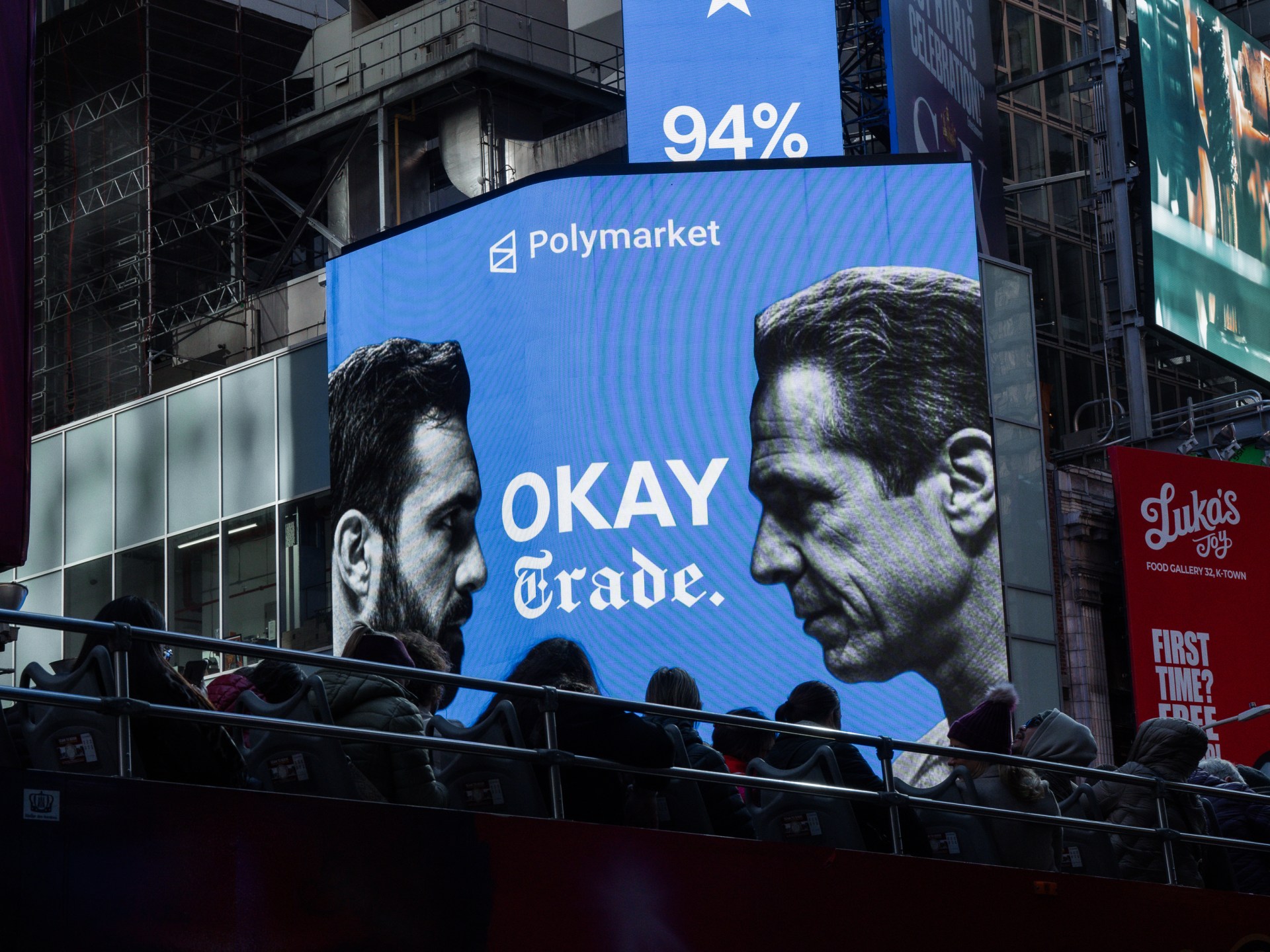
Google Employee Faces Insider Trading Allegations Related to Polymarket Wagers
 news
news