Australian Woman Faces Terrorism Charges After Repatriation
Australian authorities have laid charges against a woman who was recently repatriated from Syria, alleging her involvement with the Islamic State of Iraq and the Levant (ISIL) terrorist group. This development marks a significant step in the ongoing process of bringing Australian citizens home from conflict zones and addressing potential security concerns.
Details of the Charges
The individual, whose identity has not been publicly released by authorities in adherence to legal protocols, faces charges under Australia's counter-terrorism legislation. While specific details of the alleged offenses remain under wraps, such charges typically relate to membership in a terrorist organization, supporting terrorist acts, or entering a designated area.
Context of Repatriation
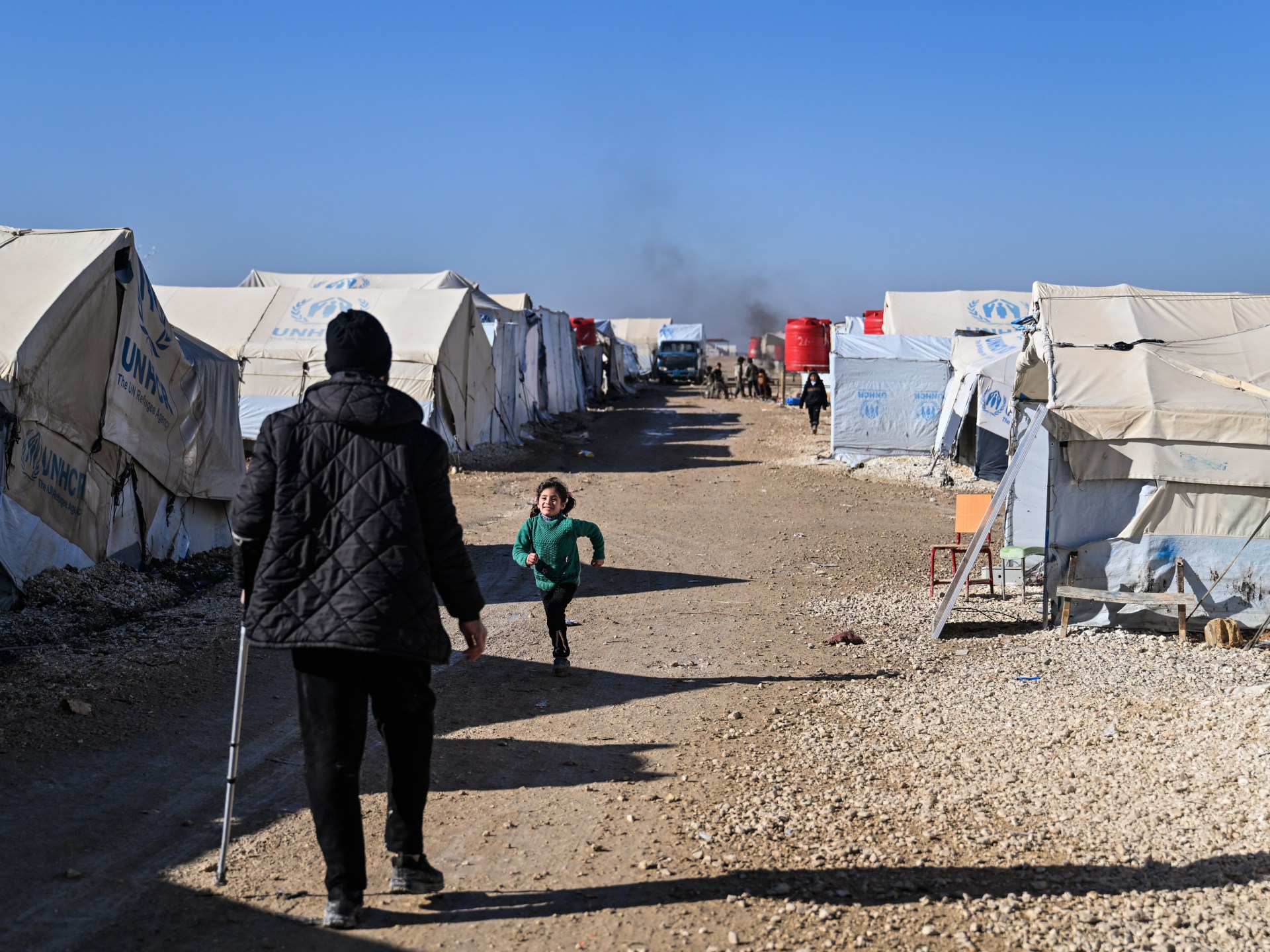
This case follows the repatriation of a group of Australian women and children who had been held for an extended period in detention camps in northeast Syria. These camps, often overseen by Kurdish-led forces, housed thousands of individuals, including foreign nationals, who were captured or surrendered after the collapse of ISIL's self-proclaimed caliphate. The conditions within these camps have frequently been described as dire, with limited access to humanitarian aid and basic services.
Government's Stance on Repatriation
The Australian government has faced considerable pressure, both domestically and internationally, regarding the fate of its citizens in Syrian camps. While humanitarian organizations and relatives have advocated for their return, citing human rights concerns and the welfare of children, national security agencies have expressed reservations about the potential risks posed by individuals with alleged links to extremist groups. The decision to repatriate has involved a complex balancing act between these competing interests, often requiring extensive security assessments and planning.
Legal Process and Precedent
The charging of this individual sets a precedent for how Australia intends to manage the legal consequences for its citizens returning from conflict zones with suspected ties to terrorist organizations. Upon arrival in Australia, individuals repatriated from these camps typically undergo thorough security screenings and are subject to investigation by federal law enforcement agencies. The legal proceedings that follow are expected to be complex, given the challenges of gathering evidence from a war zone and the unique circumstances surrounding their time abroad.
Broader Implications
This case highlights broader international challenges faced by many countries whose citizens traveled to join ISIL. Nations worldwide are grappling with the legal, security, and social implications of repatriating and reintegrating individuals, particularly women and children, who have lived in areas controlled by extremist groups. The process often involves navigating complex legal frameworks, addressing potential radicalization, and providing support for reintegration into society, alongside ensuring national security.
Looking Ahead
As the legal process unfolds, this case will be closely watched by legal experts, human rights advocates, and the public. It underscores the ongoing efforts by Australian authorities to address the aftermath of the conflict in Syria and to uphold national security while adhering to legal principles. The outcome will likely influence future policies regarding the repatriation and prosecution of citizens returning from conflict zones.
Source: Al Jazeera