
Bolivia Faces Growing Unrest
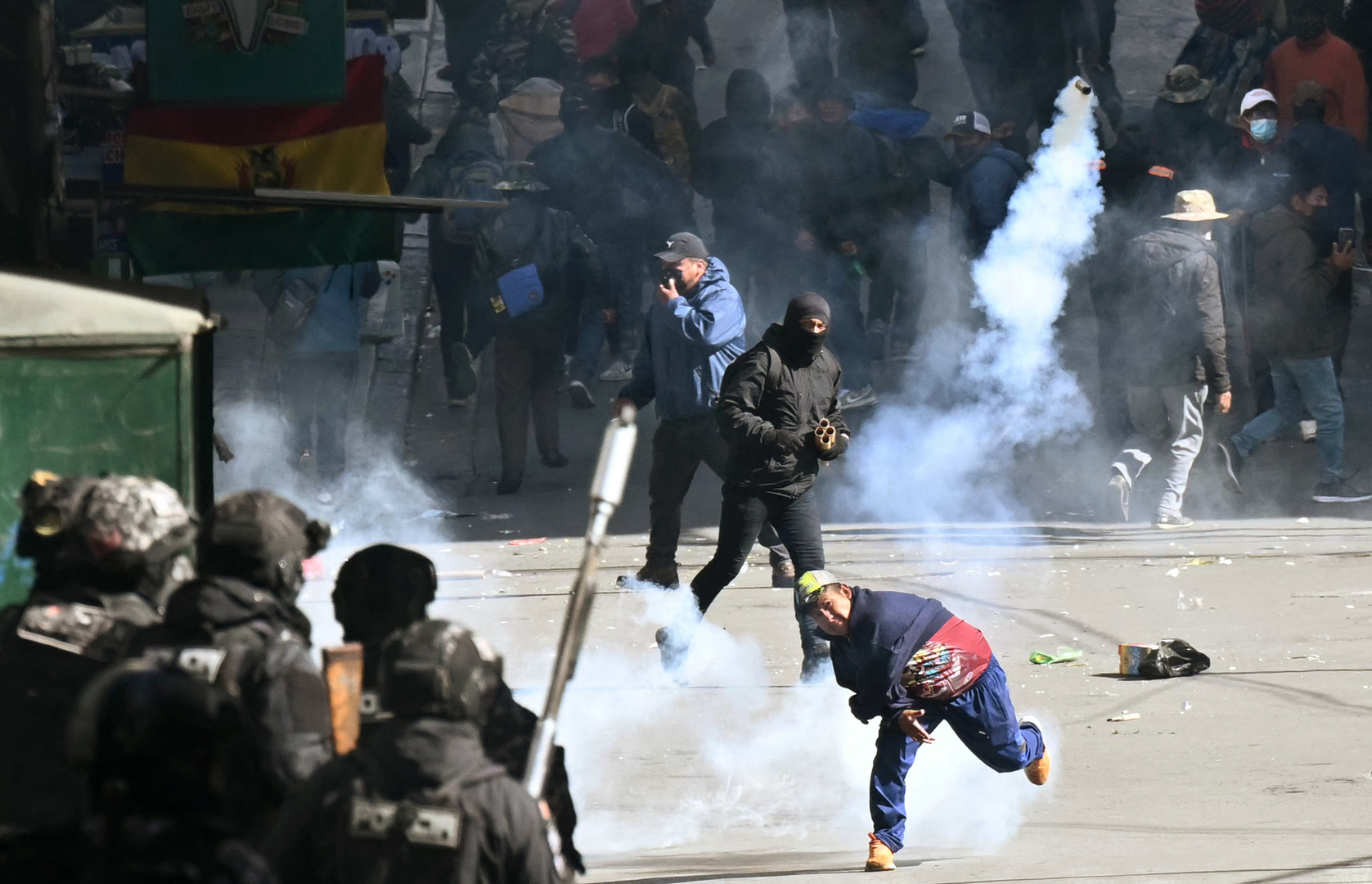
The political landscape in Bolivia has become increasingly volatile, with a significant gathering of demonstrators in close proximity to the presidential palace in La Paz. This development has led to a palpable rise in tensions throughout the capital city, as authorities, specifically the police force, have implemented and maintained blockades to manage the situation.
The Epicenter of Discontent: La Paz
La Paz, the administrative capital of Bolivia, has become the focal point of the current unrest. The presidential palace, a symbol of national governance, is the intended destination for many of the protesters. Their convergence on this key governmental building underscores the gravity of their grievances and their desire for direct engagement, or at least visibility, with the nation's leadership.
Police Response and Blockades
In response to the escalating situation, law enforcement agencies have deployed personnel and established blockades in strategic areas surrounding the presidential palace. These measures are typically put in place to control crowd movement, prevent direct access to sensitive government buildings, and maintain public order. The presence of these blockades itself is a clear indicator of the heightened alert level and the potential for confrontations.
The situation in La Paz highlights the delicate balance between the right to protest and the state's responsibility to maintain security and order. The sustained presence of both demonstrators and police blockades suggests a standoff, with neither side appearing ready to back down immediately.
Underlying Causes of the Protests
While the immediate cause for this particular march toward the presidential palace remains to be fully detailed, protests in Bolivia often stem from a range of socio-economic and political issues. Historically, the country has experienced periods of significant public demonstrations related to economic policies, alleged corruption, land rights, indigenous rights, and electoral outcomes. Understanding the specific demands of the current protesters would be crucial to fully grasp the dynamics at play.
Potential for Escalation
The proximity of protesters to a critical government building, coupled with the police's defensive posture, creates an environment ripe for potential escalation. Such situations can quickly devolve if not managed carefully by all parties involved. The international community often watches these events closely, urging for peaceful resolutions and respect for democratic processes.
As the day progresses, observers will be keen to see how the situation evolves. Whether the protests remain peaceful, or if authorities resort to more forceful measures, will largely determine the immediate future of the political climate in Bolivia.
Source: Al Jazeera
Related Articles
 world
world
Escalating Tensions Threaten US-Iran Diplomatic Efforts Amid Drone Incident
 world
world
Canadian Official Criticizes Treatment of Gaza Flotilla Activists
 world
world
US Military Conducts Airstrikes in Southern Iran Amid Diplomatic Engagements in Qatar
 world
world